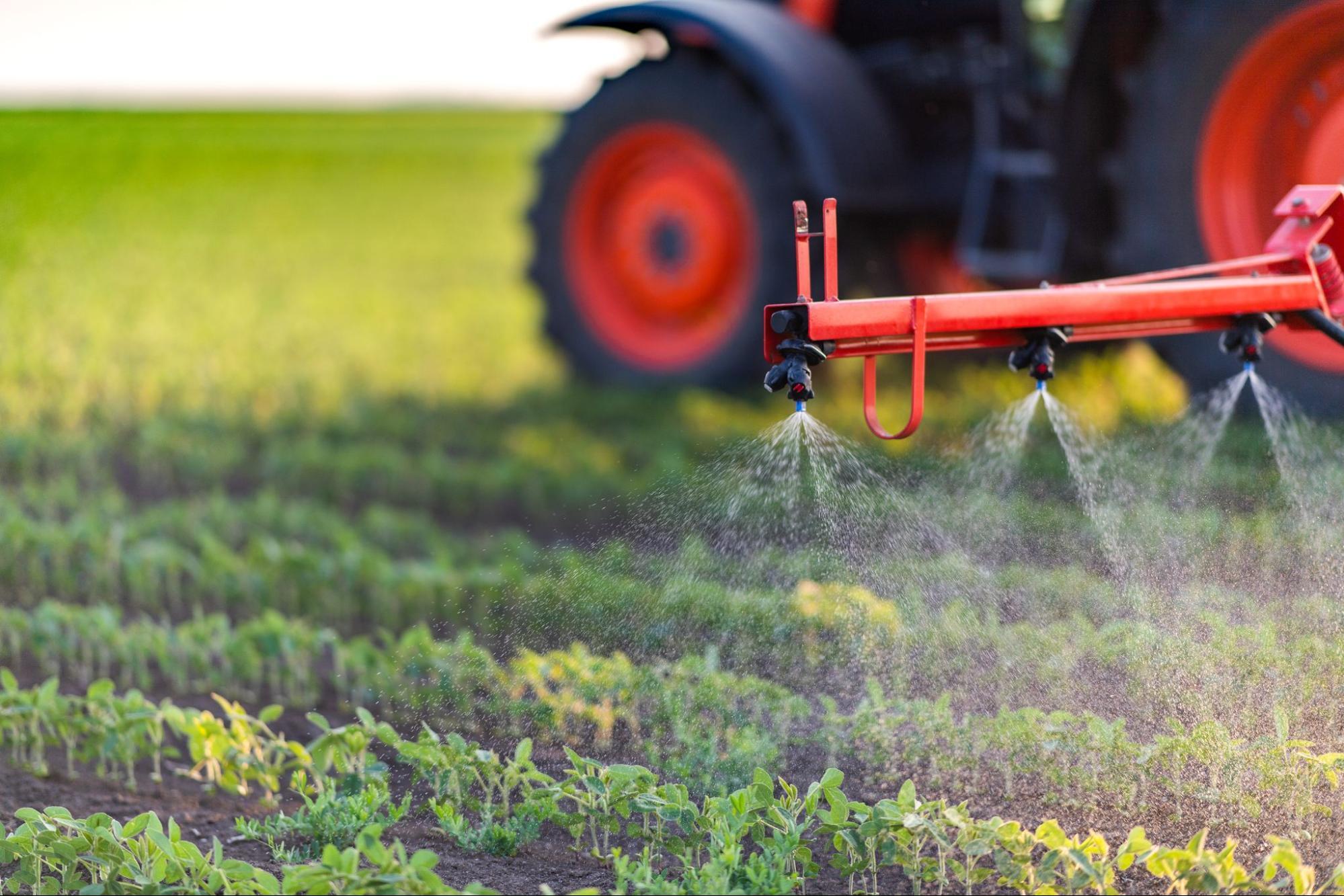
Is holding water in the environment the secret to sustainable food production?
 Agri-TechE
 As a record-breaking wet winter follows one of the hottest summers, the smart management of water resources is a key priority for sustainability. The Norfolk Broads, an ecologically vulnerable area stretching from south of Norwich to near the coast at Horsey, could provide some of the solutions.
Andrea Kelly of the Broads Authority comments: “The winter rain this year has more than topped up depleted groundwater, and water tables remain high, creating difficulty for some crops, fields, and farms.
“However, with appropriate planning, permissions, and investment these excesses could potentially be used as a supply for the dry summer periods.
“The Broads National Parks grass marshes and peatland fens are able to store this water in the environment and keeping the water levels high has other benefits. It can reduce land subsistence levels and also the amount of carbon that is lost when the peat dries out.”
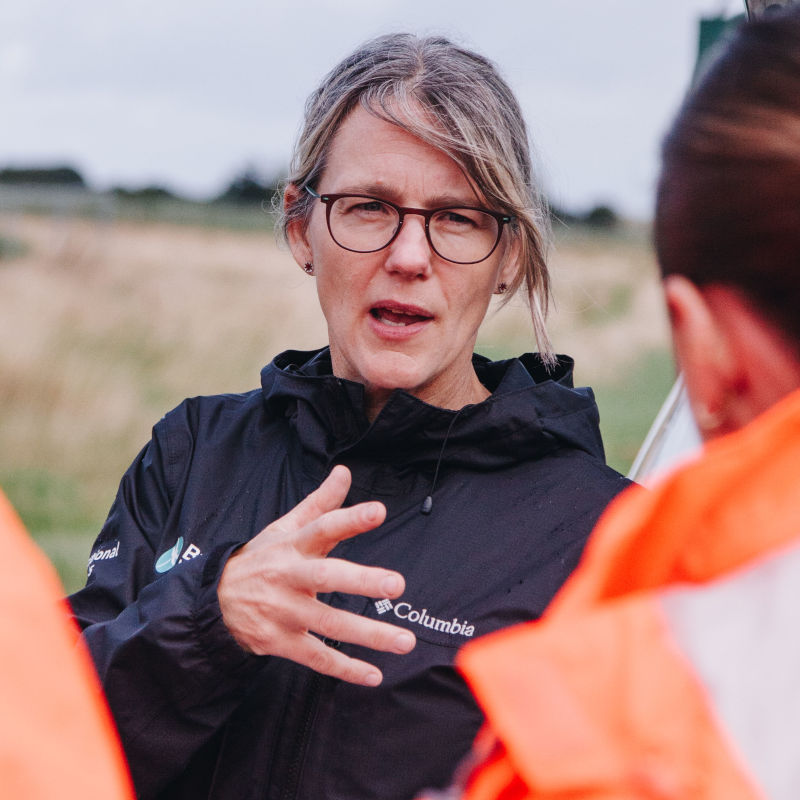
“It is estimated that for every 10cm increase in the water table, there is a corresponding reduction in emissions of three tonnes of CO2 equivalents per hectare,” Andrea continues. “In some areas, sub-irrigation of land with pipes and dykes can be used to maintain a high-water table.
“As some crops, such as celery, prefer a wetter soil, a small rise in the water table does not preclude growing essential food, but in some areas fibre crops such as thatching reed create lots more discussion about land use and public services.”
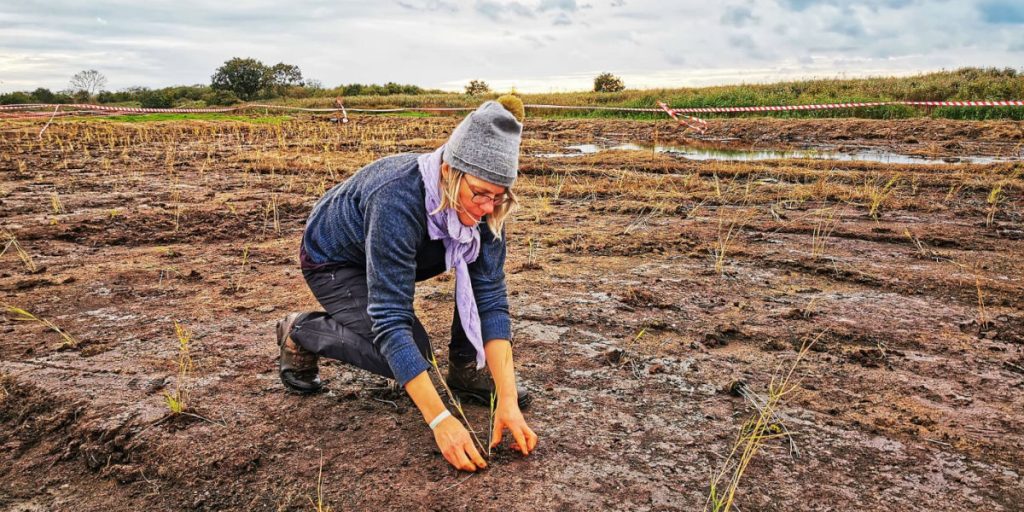
For marginal land not suitable for food crops it is possible to produce UK-grown fibre for the construction industry. These crops can have a dual role as they can filter and clean the water. The FibreBroads Project (June 2023 to March 2025) aims to overcome the barriers to achieving commercially viable paludiculture (profitable wetland crops), including the development of bio-based construction materials.
The Broads Authority is collaborating with partners including Cranfield University to develop a global model for water table management in the Broads with more precise models available for farms in the drained peat areas of the Broads.
Andrea says that they are working with Norfolk FWAG to engage with farmers to discuss methods for holding water in the environment.
FibreBroads is participating in the Agri-TechE Innovation Hub at the Royal Norfolk Show 2024 on 26-27th June. The hub is sponsored by BBRO.
Find out more about FibreBroads at broads-authority.gov.uk/looking-after/projects/fibrebroads.
Post Overview
Agri-TechE Related Posts
How to get quality and quantity year after year
FLOURISH makes ‘bad’ bacteria self-destruct to create a healthy microbiome
Irrigation and evaporation – an Agri-TechE Week event
Using earthworms as indicators of soil health
Liberating soils and raising farm profits with Controlled Traffic Farming