Germinating seeds, lightning-fast
 Agri-TechE
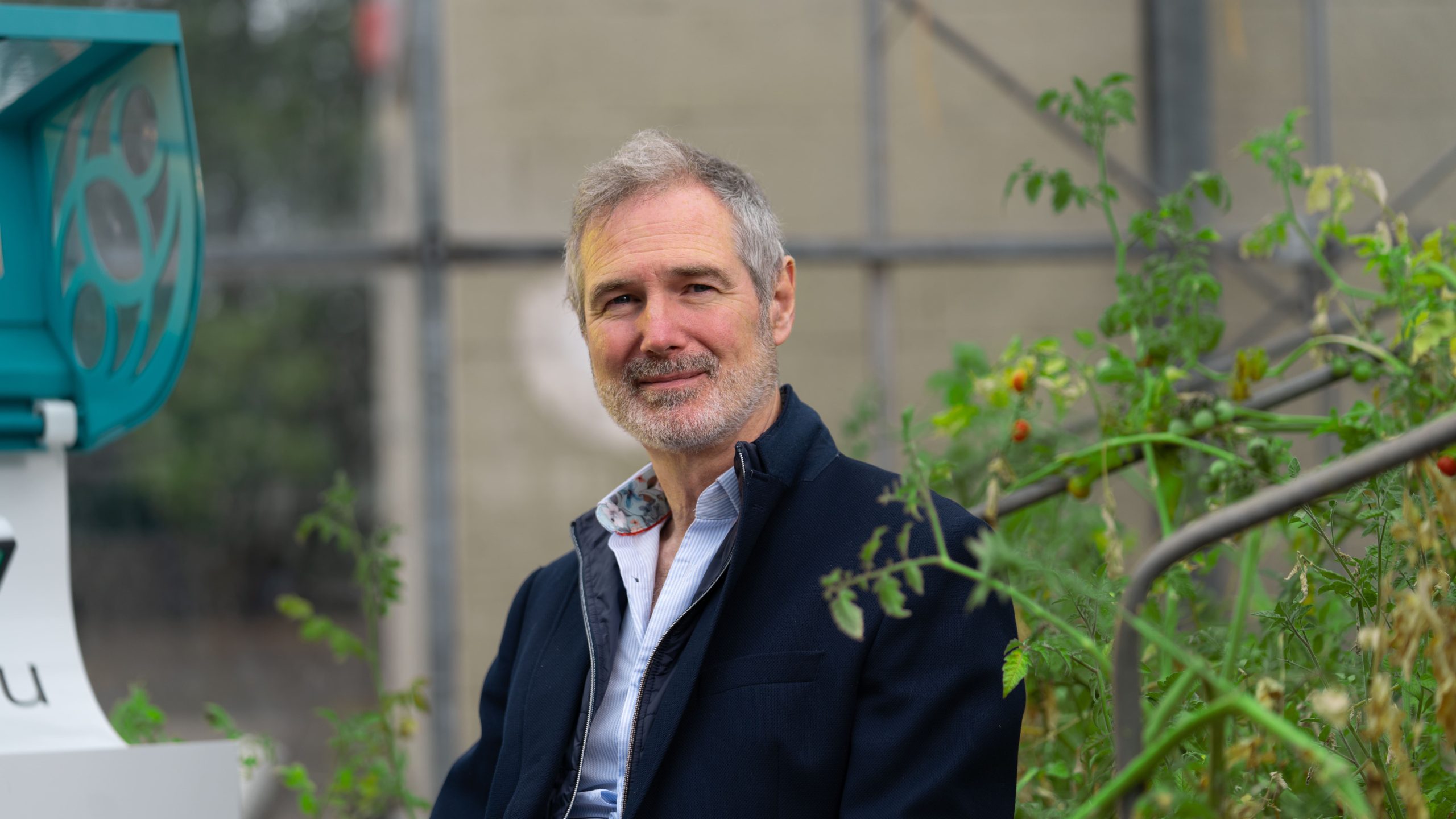
 Zayndu joined Agri-TechE at the start of 2021, having commercialised the world’s first application of cold plasma on seeds. Sophie Butler, Content Manager at Agri-TechE , caught up with Zayndu’s CEO, Ralph Weir, to check out their progress.
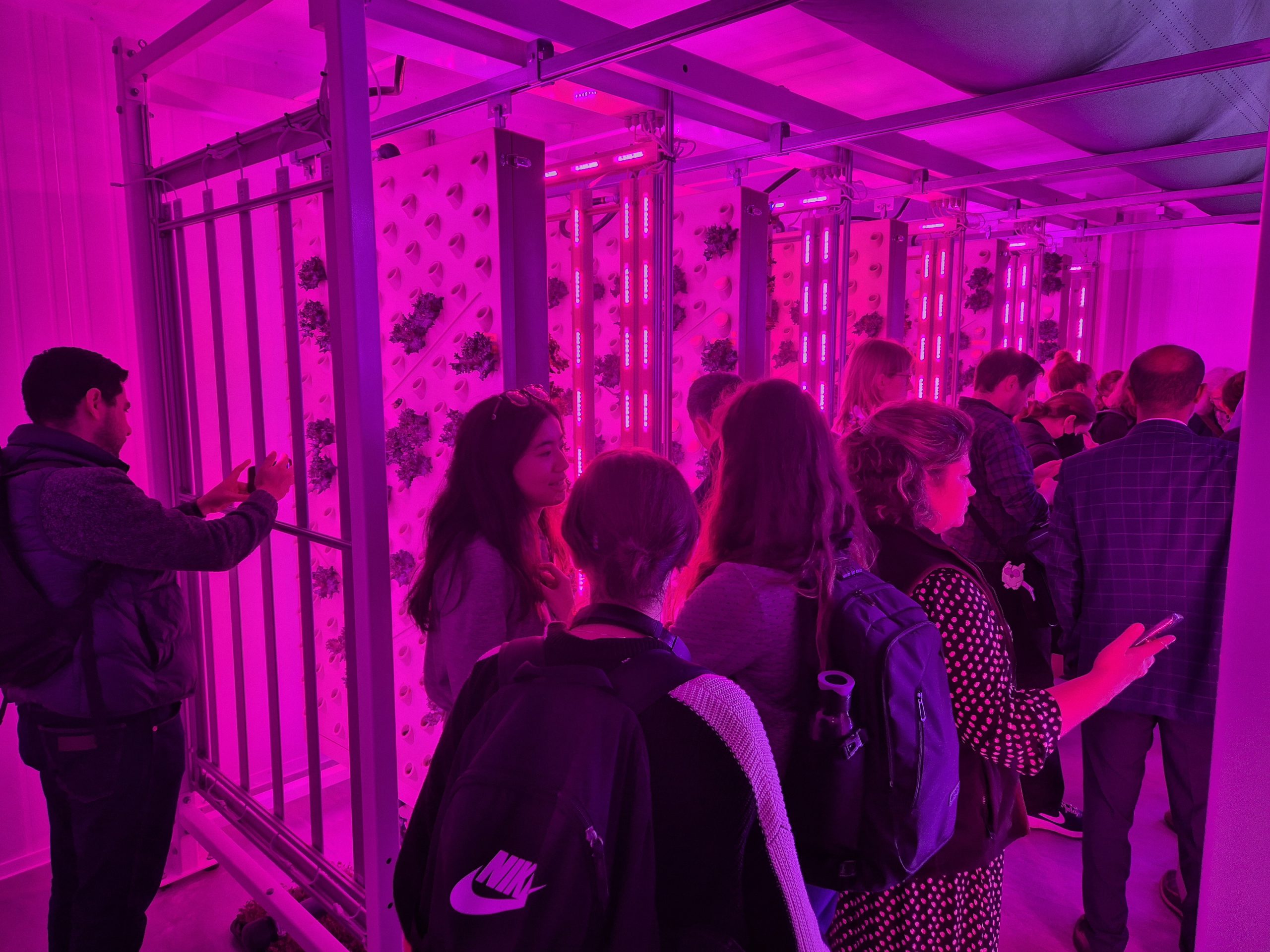
Ask any grower, and they will say establishing crops swiftly and evenly sets it up for success. This is especially true if a crop grows for only a few weeks before it is harvested, such as leafy salads grown in controlled environment conditions in a glasshouse or vertical farm.
This is where Ralph Weir, CEO of Zayndu, says cold plasma seed priming can transform crop production.
“Cold plasma seed priming is an amazing new technology that gives farmers a welcome boost in productivity, and if we’re honest, we are still learning its potential,” he explains. The process uses ionised gas containing reactive oxygen and nitrogen to modify the seed surface, enhancing its physiological and biochemical properties to promote germination, growth, and stress resilience.
The scientific concept was developed by Dr Felipe Iza’s research group at Loughborough University, where Zayndu is based, at the Advanced Technology Innovation Centre.
Zayndu first joined the Agri-TechE community in January 2021 when they were an early-stage start-up looking to build connections in the industry.
Ralph says Dr Belinda Clarke and the Agri-TechE team have introduced Zayndu to large-scale leafy salad growers and specialist marketing service providers in the membership community.

From making it work “in the real world” to global expansion
Zayndu has been on a mission to get the technology into the hands of as many growers as possible.
“Looking back a couple of years, all our internal conversations were about making cold plasma actually work in the real world,” explains Ralph. “Team meetings were dominated by discussion about plasma stability: how do we make it work better when we have damp seeds, dusty seeds, or weird seeds?
“These topics don’t come up any more. The discussion has moved on. It is all about what we need to do for machine certification in a new region, how to make systems easier to use, shorten treatment times, and translate the signage into Spanish or Arabic.”
Asking farmers to embrace an entirely new technology and undertake a new process has led the Zayndu team to drill down into the return on investment. Its plant science team, led by Dr Alberto Campanaro, has been trialling cold plasma on an increasing range of plant species and varieties. This work has been done in-house and with research partners like Niab, another Agri-TechE member.
Zayndu has been running a popular free trial programme to help growers gain experience with cold plasma before committing to the technology.
Ralph also explains that they have established systems to assist customers worldwide. “We can support all users from our offices in the UK, giving them access to the best possible technical support.”
“This task is considerably eased by our remote monitoring system SeedCloud, which allows us to monitor systems, support and coach users, and even offer an audit trail of seeds processed, dosages delivered, etc.”
The Agri-TechE Back to the Future report highlighted that growers are seeking solutions that work effectively from the start and considering the return on investment as major barriers to adopting new agri-tech on farms. In light of this, Zayndu has directed its focus toward the appropriate priorities.
“We have a pricing structure specifically designed to ensure that every user enjoys a significant profit boost – from the first crop after installation onwards,” adds Ralph.
What will another three years as an Agri-TechE member look like?
Despite the opportunities, there remain challenges in the controlled environment (CEA) sector, which Zayndu has weathered along with many other firms. The end of ‘cheap money’ transformed the fortunes of some growers with massive infrastructure. 2024 ended with Bowery being the latest large-scale grower to cease operating.
Ralph believes that the adaptability of cold-plasma seed priming has enabled Zayndu to pivot its offer according to market and grower demands. The overall opportunity means that its ambitions are boundless at this stage, he says.
“The controlled environment market size was estimated at $51.9 billion in 2023, so the potential for Zayndu is tremendous.”
“A positive sign for Zayndu’s future is the global nature of demand for our systems.
Most of our installations are currently in the UK and the US, but an exciting new region for us is the Gulf, where there is so much emphasis on improving food security.”
“In three years, I expect many more growers will be using cold-plasma seed priming. It will be well on its way to becoming an accepted crop input technology across the CEA sector,” he concludes.
For more information, you can visit Zayndu’s member page or follow them on LinkedIn.
Post Overview
Agri-TechE Related Posts
ATW 2024: Innovations for 21st Century Challenges
‘Powerful and convincing’ evidence for better integrated black-grass control, new AHDB report

Big population data offers new advances in disease management: Neil Hall, Director of Earlham Institute explains
Protecting IP in vertical farming stacks up

Pollen Beetles: Is their bark worse than their bite?