Does Agri-Tech need Duolingo? Or even Trilingo?!
 Agri-TechE
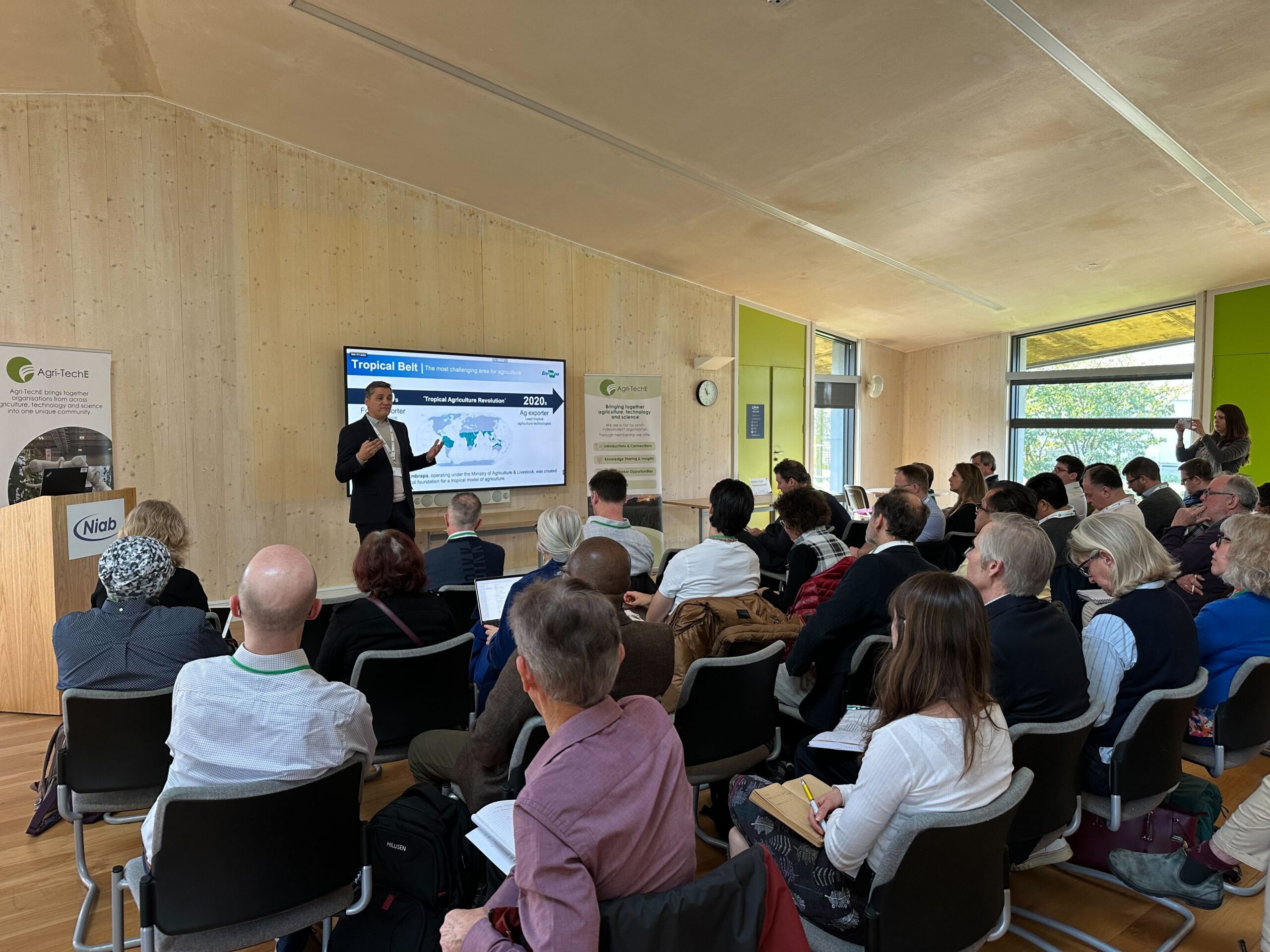
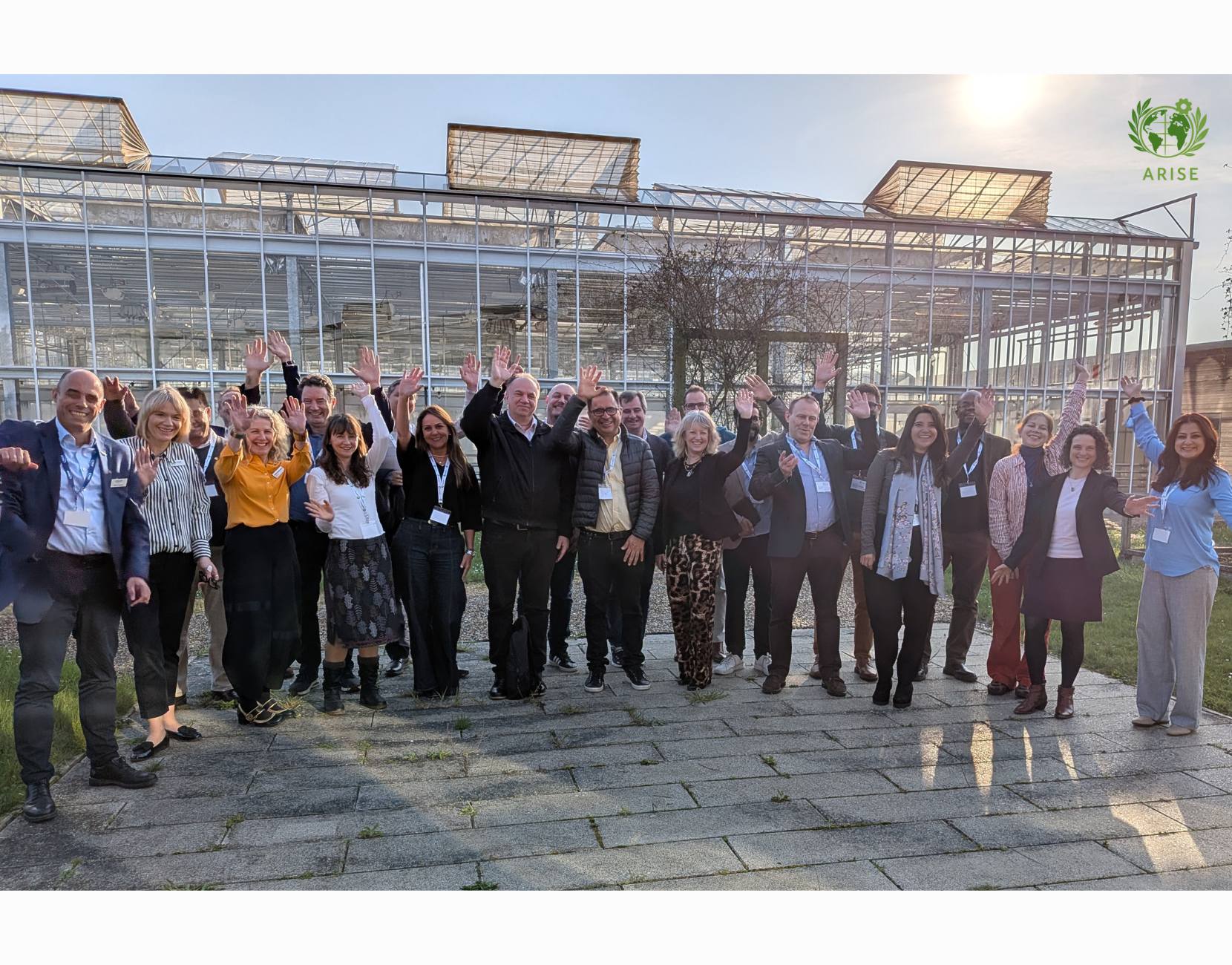
 We’ve been hosting the ARISE delegation this week – researchers and innovation leads from Brazil, Chile, Argentina, Colombia, Mexico and the USA – and their visit has been a timely reminder of something that sits quietly at the heart of agri‑tech adoption.
For all the focus on new tools, new data and new scientific insights, the real work is still translation. Not just the linguistic kind (although a few of us have been grateful for Google Translate this week), but the deeper kind that helps people from different parts of the sector actually understand one another.
Research, technology development and farming each come with their own assumptions and priorities. A researcher may start from a systems‑level perspective; a technologist may focus on scaling and optimisation; a grower may be thinking primarily about risk, labour and margins. None of these viewpoints are wrong, but they don’t automatically align.
Without translation, they simply talk past each other.
Are interdisciplinary skills “soft” skills, or are they key?
We often talk about “interdisciplinary skills” as if they’re a nice‑to‑have. In reality, they’re the glue that holds innovation together. The most effective people in our ecosystem are rarely the ones with the deepest technical expertise, they’re the ones who can listen to a farmer describe their problem in plain English (or Spanish, Portuguese, French..…), translate it into a technical brief, and then communicate the solution back into something that feels usable, affordable and trustworthy.
They’re also the ones who can articulate challenges on behalf of others – especially farmers and growers who don’t always have the time or platform to do it themselves.
It’s why ARISE matters. It’s why international exchange matters. Exposure to different systems forces you to articulate your own assumptions – and that’s the first step in becoming an effective agri-tech translator.
This week has offered plenty of those moments. Not the headline presentations, but the quieter points in discussion where someone asks, “When you say scalable, what do you actually mean?” or “In our system, that constraint doesn’t exist – but this one does.” These small clarifications shift the conversation. They make it possible for people from different backgrounds to understand one another well enough to work together.
As the ARISE visitors head home, what stays with me is not a particular technology or project, but the value of that translation work – linguistic and conceptual. It’s easy to overlook because it isn’t flashy, but it’s the thing that allows ideas to move between science, farming and technology in a way that leads to something practical.
And if agri‑tech is going to keep moving forward, we’ll need many more people who can do that. Which is exactly what we’re trying to nurture through the ARISE project, through the Early Career Innovators Forum, and through Agri‑TechE itself.
If you’re early in your career – in research, farming or any of the many professions that sit around them – and building those interdisciplinary, cross‑sector translation skills, the ECIF Conference next month is designed for you. Book here for Protecting Agriculture on the Digital Frontier – From Soil to Cloud.
Post Overview
Agri-TechE Related Posts
Irrigation as a service to unlock African potential

Could soil health provide an income stream? David R Montgomery thinks it can
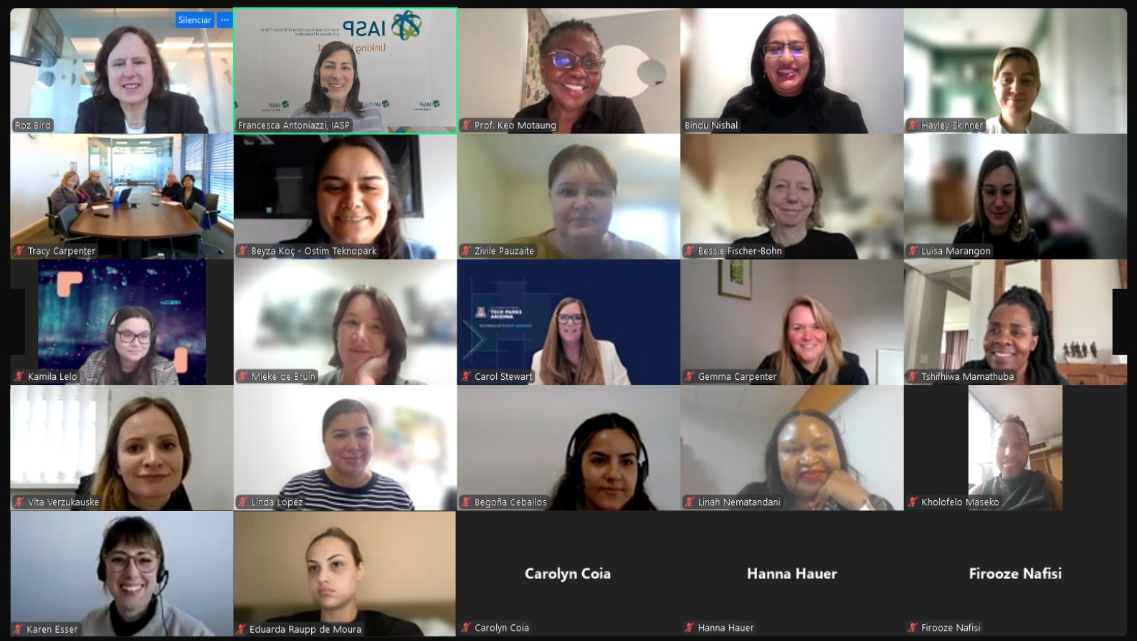
IASP International Women’s Day event
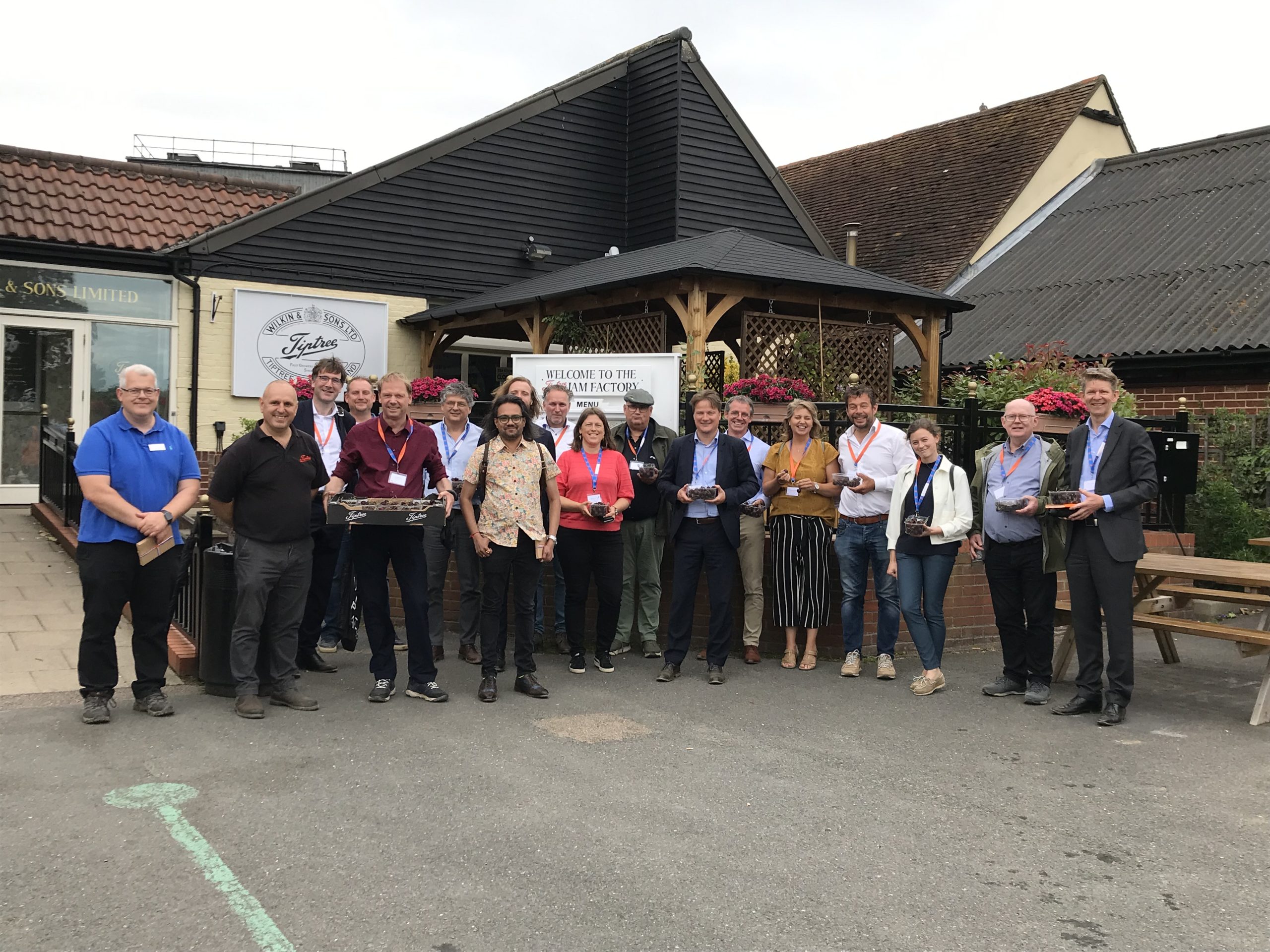
Agri-TechE members make connections to the Netherlands around robotics
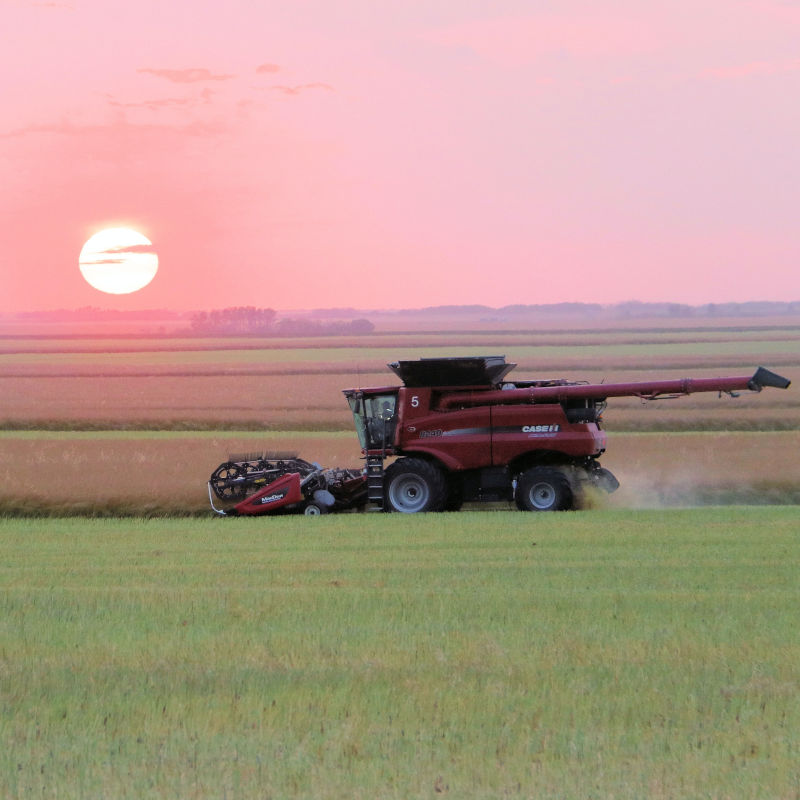
$485m in strategic initiatives to boost resilience of Saskatchewan agriculture