
ARISE
What ARISE Is
Agri-Tech for Resilience, Innovation & Sustainable Ecosystems (ARISE) is a UK Government funded Tactical Fund project led by Agri-TechE , with AgriTIERRA, Earthbase, Embrapa, & the Yield Lab Institute.
The Tactical Fund supports flexible international science & technology collaborations that advance UK Industrial Strategy & the Science & Technology Framework, strengthening global partnerships in research & innovation.
- Strengthen UK research capability through international collaboration.
- Enhance UK influence in global standards & responsible innovation.
- Support talent exchange & scientific mobility.
- Encourage private-sector investment & market access for UK innovators.
- Raise the UK’s global profile in science & technology leadership.

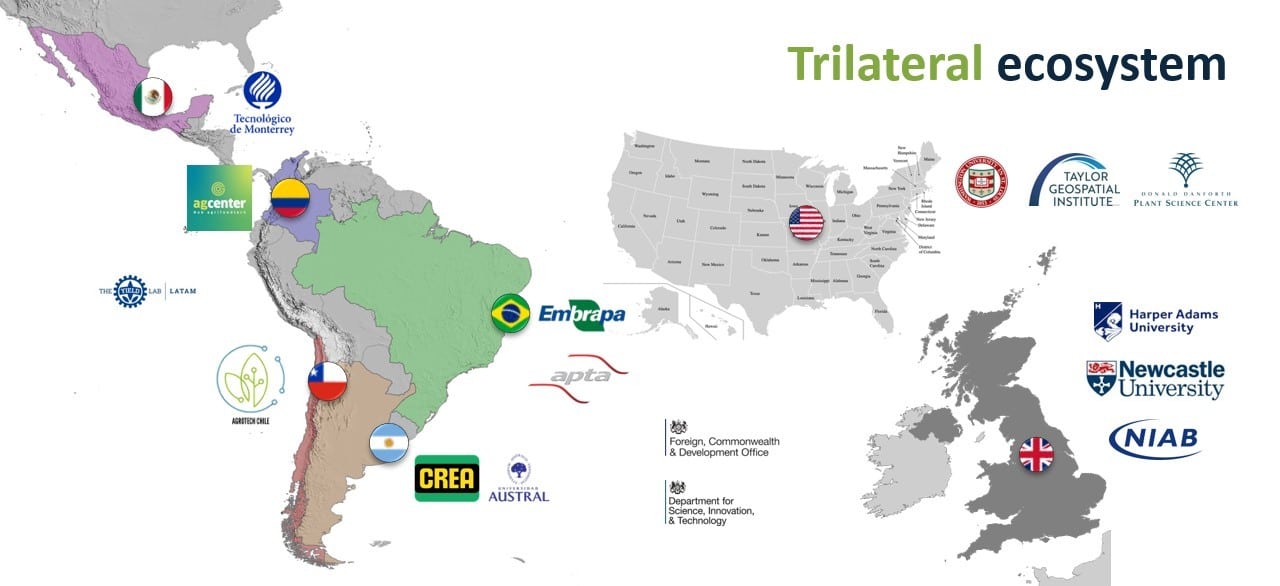
ARISE brings together organisations from Brazil, Argentina, Colombia, Chile, & Mexico alongside UK & US partners to strengthen collaboration across the Americas.
The initiative aligns with DSIT’s Frontier Technologies & Industrial Strategy, reinforcing UK leadership in One Health, climate resilience, & food system innovation.
Vision: To establish a lasting international platform that drives responsible innovation, shared research, & sustainable growth in regenerative agriculture & frontier technologies.
Aim: To build a trilateral collaboration between the UK, US, & Latin America that accelerates innovation in Artificial Intelligence & Engineering Biology for resilient, sustainable agri-food systems.
Mission: To connect science, technology, & investment ecosystems across Latin America, the United States, & the United Kingdom through capability mapping, start-up evaluation, & high-impact knowledge exchange.
Running from October 2025 to March 2026, ARISE will deliver three knowledge exchange (KE) weeks to create a platform for a future shared innovation & an investment roadmap:
- A Latin America KE week hosted in São Paulo (1st – 5th December 2025),
- A US KE week hosted in St Louis (2nd – 6th February 2026),
- A UK Innovation Forum & KE week hosted in Cambridge (16th – 20th March 2026). Join us in Cambridge on the 19th March; more information here.

Each exchange convenes key institutions & stakeholders from research, innovation, investment, & policy communities to share knowledge, identify opportunities, & design frameworks for sustained collaboration.
-
São Paulo (LATAM) – Discovery, mapping, & relationship building.
-
St Louis (USA) – Strategic consolidation, partnership design, & ecosystem showcase.
-
Cambridge (UK) – Synthesis, roadmap definition, & presentation of UK research & innovation leadership.
Profiles of the Delegation
AI and Engineering Biology have the potential to transform resilient agriculture by enabling smarter, cleaner, and more adaptive food systems. These technologies can accelerate biological alternatives to agrochemicals, improve soil and livestock health, and enable predictive agronomy for climate-smart farming. However, collaboration between major research regions remains fragmented.
Despite strong UK capabilities in data science, biosensors, and synthetic biology, innovators often face barriers to international testing, scaling, and co-development. Similarly, regions such as the US and Latin America operate within distinct innovation ecosystems that often lack structured mechanisms for partnership. ARISE aims to close this gap by connecting the leading hubs of Cambridge, St Louis, and São Paulo through coordinated exchange, co-design, and knowledge sharing.

Belinda Clarke
Director at Agri-TechE
Belinda Clarke
Director at Agri-TechEBelinda is passionate about the value of innovation ecosystems and the communities they create. With a career spent connecting people, businesses and institutions, she now leads Agri-TechE . She gained a first degree in Natural Sciences and a PhD in plant biochemistry and has since developed international “ecosystem thinking” as a result of a Nuffield Farming Trust Scholarship, a role as an International Trade Advisor, and as Director of Innovation Ecosystems for ideaSpace at Cambridge University. She has led missions with partners from major global markets across Asia, the US, Canada and Europe, sharing best practice to improve the sustainability, profitability and productivity of agriculture and horticulture. In 2024 she received an OBE in the King’s Birthday Honours List for services to agri-technologies and farming.

Kate Brunswick
Business Development Associate at Agri-TechE
Kate Brunswick
Business Development Associate at Agri-TechEKate is an experienced Agri innovation and engagement specialist with a strong focus on building collaborative networks. She has led outreach initiatives connecting UK academia and industry to drive sustainable innovation.
Kate’s role within Agri-techE is Business Development Associate, building on experience gained in industry, vertical farming, organic dairy, cut flowers and baby leaf salad production. Experience which enables vision across new strategic UK and Global Agritech partnerships translating research into impact.
Her expertise spans stakeholder engagement, international collaboration, learnt through hands on technical and commercial roles.
Through Agri-TechE , she supports knowledge exchange and cross-border innovation programmes and is passionate about creating inclusive networks that empower early careers and global partnerships for sustainable growth.

Mark Jarman
Founder and Managing Director at AgriTIERRA
Mark Jarman
Founder and Managing Director at AgriTIERRABefore AgriTIERRA, Mark led the operational and commercialisation activities of URSULA Agriculture, one of the world’s first drone and satellite analytics start-ups. He then spent six years as Head of Agriculture and Earth Observation at the UK’s Satellite Applications Catapult, building a £10m+ portfolio and delivering activities in over 40 countries. These included programmes on agri-tech adoption, sustainable supply chains, value chain digital transformation, regenerative agriculture, and climate resilience. He also served for three years on the UK Government’s Food and Drink Sector Council Innovation Working Group.

Angela Estrada
Business Development lead in AgriTIERRA
Angela Estrada
Business Development lead in AgriTIERRAInternational business with MSc in Local Economic Development from the London School of Economics. With more than 11 years in bizdev in Colombia and LATAM with the UK and Middle East. Worked in the US, Brasil and Colombia in market expansion, project leadership, strategic cooperation, and B2B commercial development in the private sector in retail, health, agritech and innovation sectors. I’ve worked in a mix of private companies, embassy commercial teams, and innovation centres. Business Development lead in AgriTIERRA leading on new partnerships with Multilateral Development Banks, LATAM clients and UK companies. Fostering new partnerships within the Agri-TechE ecosystems.
Francisco Astaburuaga
Co-Fonder and President of AgroTech Chile
Francisco Astaburuaga
Co-Fonder and President of AgroTech ChileIT Engineer with a Master’s degree in Investments and Applied Finances. Co-founder of AgroMatch.cl, a collaborative platform for agricultural machinery with over 400 customers in Chile and Perú. Co-founder and current President of AgroTech Chile AG – The Association of startups and tech companies in the Chilean agriculture industry, with over 150 members + 30 active collaboration programs.
Expertise and Collaboration Interests
● Technology adoption and massification in agriculture
● Agtech Startups and business models
● Mechanization, IoT and Automatization
● Social Impact in rural areas throw innovation and technology
● Fintech in agriculture

Laura Ceballos
CEO at AgCenter Colombia
Laura Ceballos
CEO at AgCenter Colombia
Sérgio Luiz Tutui
Head of Innovation at APTA (Agribusiness Technology Agency of the São Paulo State Government)
Sérgio Luiz Tutui
Head of Innovation at APTA (Agribusiness Technology Agency of the São Paulo State Government)In his current position, Tutui oversees initiatives that promote the adoption of advanced deep-tech solutions, including biologicals, digital agriculture, automation, climate-smart technologies, and innovation frameworks that accelerate technology transfer. He works in close collaboration with institutes, startups, corporations, and international partners to build innovation pipelines, structure pilots, and support evidence-based decision-making across the agricultural value chain. As a conference speaker, he contributes technical perspectives on the evolution of innovation ecosystems, the future of agro deep-techs, and the strategic integration of science and technology for sustainable production. His participation in national and international summits supports the alignment of Brazil’s agritech agenda with global innovation frontiers.
Carlos Nabil Ghobril
Head of the Directorate of Agribusiness Research at APTA
Carlos Nabil Ghobril
Head of the Directorate of Agribusiness Research at APTAAs a Scientific Researcher and Head of the Directorate of Agribusiness Research (APTA), an institution linked to the Secretariat of Agriculture and Supply of the State of São Paulo, Brazil, the work contributes to the generation of scientific knowledge and technological applications that address challenges such as productivity, sustainability, and resilience in agriculture.
APTA is represented in international missions and high-level forums, building strategic alliances in areas such as agrifood tech, biotechnology, climate-smart agriculture, and digital transformation. The professional trajectory combines scientific expertise with leadership in innovation, consolidating São Paulo’s position as a global hub for agribusiness innovation and helping to build more sustainable food systems.

Nadia Shakoor
Donald Danforth Plant Science Center
Nadia Shakoor
Donald Danforth Plant Science CenterShe earned her undergraduate degree from the University of Illinois at Urbana–Champaign, a Master’s from the University of Chicago, and a Ph.D. from the University of South Carolina in collaboration with Chromatin, Inc., where she focused on sorghum functional genomics.
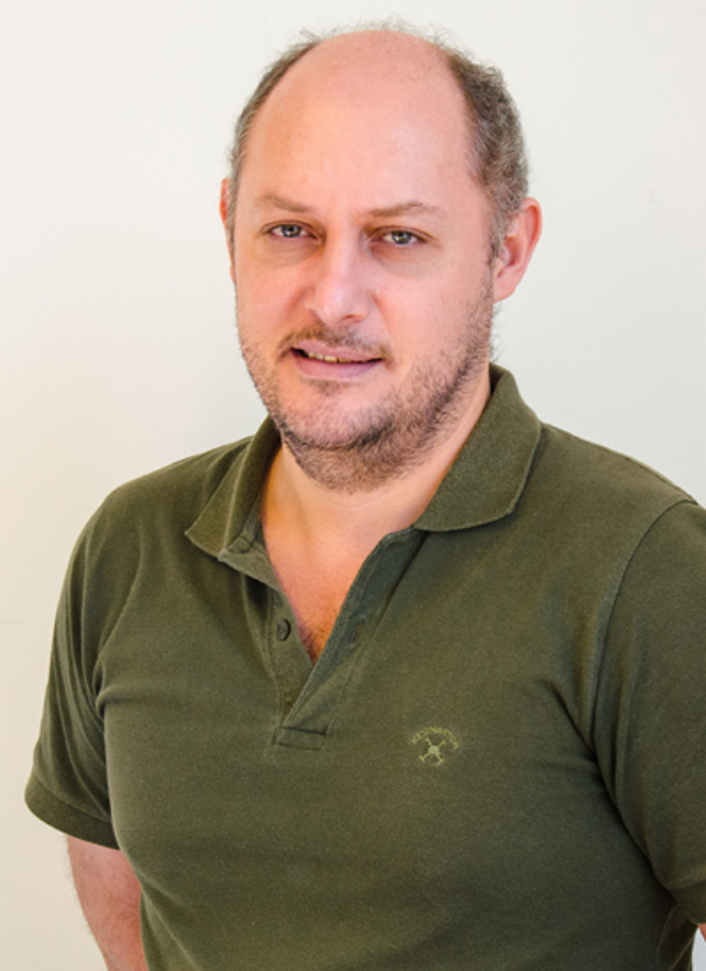
Gabriel Tinghitella
Head of the Innovation Area at CREA
Gabriel Tinghitella
Head of the Innovation Area at CREAAgronomist, graduated from the Faculty of Agronomy at the University of Buenos Aires. Head of the Innovation Area at CREA. Agricultural producer since 2002. Co-founder of Glimax SRL. Private consultant. He has taught undergraduate and postgraduate courses at various universities.

Gerónimo Courel
CREA
Gerónimo Courel
CREA
Janaina Tanure
Head of Innovation, Business & Technology Transfer at Embrapa
Janaina Tanure
Head of Innovation, Business & Technology Transfer at EmbrapaBiologist, MSc in Genetics and Specialist in Innovation Management, with 15 years of experience at Embrapa, including leadership positions at Embrapa Beef Cattle and Embrapa Environment. Since 2022, serving as Head of Technology Transfer, Innovation and Business, leading initiatives related to the management of strategic cooperation, open innovation, public–private partnerships, translational processes that bridge scientific research with real-world adoption, intellectual property, business models for commercial exploitation of technologies, public policy support, and social innovation. Also engaged in strengthening interactions with startups and innovation ecosystems, particularly through the management of AgNest, Brazil’s first farm lab for agtechs, coordinated by Embrapa and its partners. Member of the AgNest Governance Council and the Steering Committee of the São Paulo Agricultural Innovation Corridor.
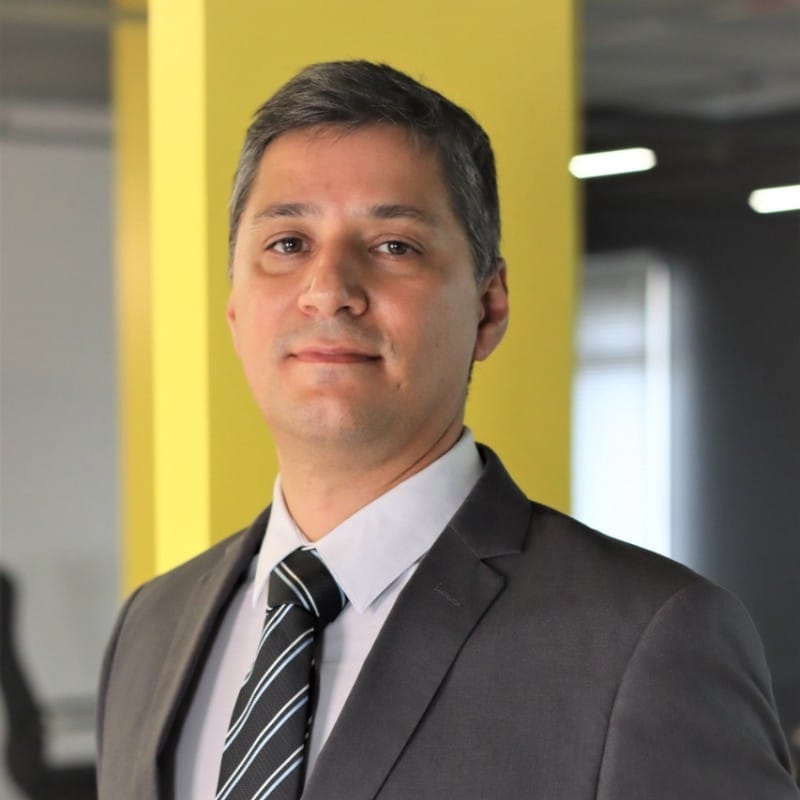
Vitor Mondo
Innovation Ecosystem Supervisor at Embrapa, Brazil
Vitor Mondo
Innovation Ecosystem Supervisor at Embrapa, BrazilVitor Mondo holds a degree in Agronomic Engineering and a Ph.D. in Crop Science from the University of São Paulo (ESALQ/USP). He also completed a research residency at The Ohio State University in 2008. With a strong background in both the public and private sectors, his expertise spans seed technologies, sustainable agricultural systems, innovation, and entrepreneurship in agribusiness. Since 2012, he has been a researcher at Embrapa, where he has led several strategic initiatives. He previously headed the Secretariat for Innovation and Business and managed Embrapa´s Office of Technological Transfer. Currently, he is based at Embrapa Digital Agriculture in Campinas/SP and also serves as the Innovation Ecosystem Supervisor at Embrapa’s headquarters, driving national innovation strategy and partnerships across the agritech landscape.

Fernando Auat Cheein
Professor of Engineering & Director, Harper Institute of Technology
Fernando Auat Cheein
Professor of Engineering & Director, Harper Institute of TechnologyProf. Auat Cheein leads research in agricultural robotics, AI‑based perception, precision agriculture, crop monitoring, and intelligent automation. His work focuses on deploying robotic and AI technologies in real agricultural environments, including LiDAR‑based perception for orchards, multispectral and hyperspectral analysis, soft robotics for delicate fruit handling, and the development of validation protocols for agricultural AI.

Eze Emekwuru
Reader in Mechanical Engineering, Harper Adams University
Eze Emekwuru
Reader in Mechanical Engineering, Harper Adams UniversityNwabueze is interested in the fundamental understanding of the physics of fluids derived from analytical, experimental, and numerical methods, and the innovative applications of these systems in agricultural engineering. He has contributed to novel spray simulation methods and low-cost sustainable instruments for fluid mechanics studies.
His current research includes the study of the atomisation and spray properties of robotic agricultural sprayers to understand and improve their efficacy, the development of climate-smart agriculture technology to combat heat stress in livestock, and the development of instruments for the measurement, source apportionment and assessment of air quality in rural and agricultural areas.

Yit Arn Teh
Professor of Soil Science at Newcastle University
Yit Arn Teh
Professor of Soil Science at Newcastle UniversityYit Arn Teh is an interdisciplinary ecosystem scientist focusing on sustainable land-use, climate-smart agriculture, carbon dioxide removal, and barriers to technology adoption. His current research focuses on climate-smart agriculture (e.g. agroforestry, enhanced rock weathering, diversified production systems); socio-economic and biophysical barriers to adoption of agri-tech innovations (e.g. agroforestry, climate-smart coffee, sensing technologies); sustainable production of biomass crops; ecosystem and landscape restoration (e.g. peatland restoration); and multifunctional greenspace design.

Sarah Smith
IP and Commercialisation Manager at Newcastle University
Sarah Smith
IP and Commercialisation Manager at Newcastle UniversityDr Sarah Smith is an IP and Commercialisation Manager at Newcastle University working in the School of Natural and Environmental Sciences and the School of Computing. Her role is to assess new invention disclosures and help move them along the commercialisation pathway, typically towards licence agreements or spin out opportunities. This includes market and opportunity assessment, assisting in PoC and innovation aimed funding applications, supporting academics with programmes such as ICURe, assessing and protecting IP, contacting and negotiating with potential licensees and working closely with the company creations team.
Sarah has an academic background in plant molecular biology with a PhD from the University of Birmingham and worked as a post doc at Oxford Brookes, and Durham Universities.

Mario Caccamo
CEO and Director at Niab
Mario Caccamo
CEO and Director at NiabProfessor Mario Caccamo is CEO and Director of Niab and also holds an honorary professorship at the University of East Anglia. Mario is also Director of the Oxford Farming Conference.
Mario has over 20 years’ experience in life science research, including specific projects genetics and bioinformatics methods to advance our understanding of crop performance. At Niab, Mario leads more than 350 crop scientists, agronomists and pathologists focused on addressing the challenges of food security, climate change and sustainable agriculture and horticulture.
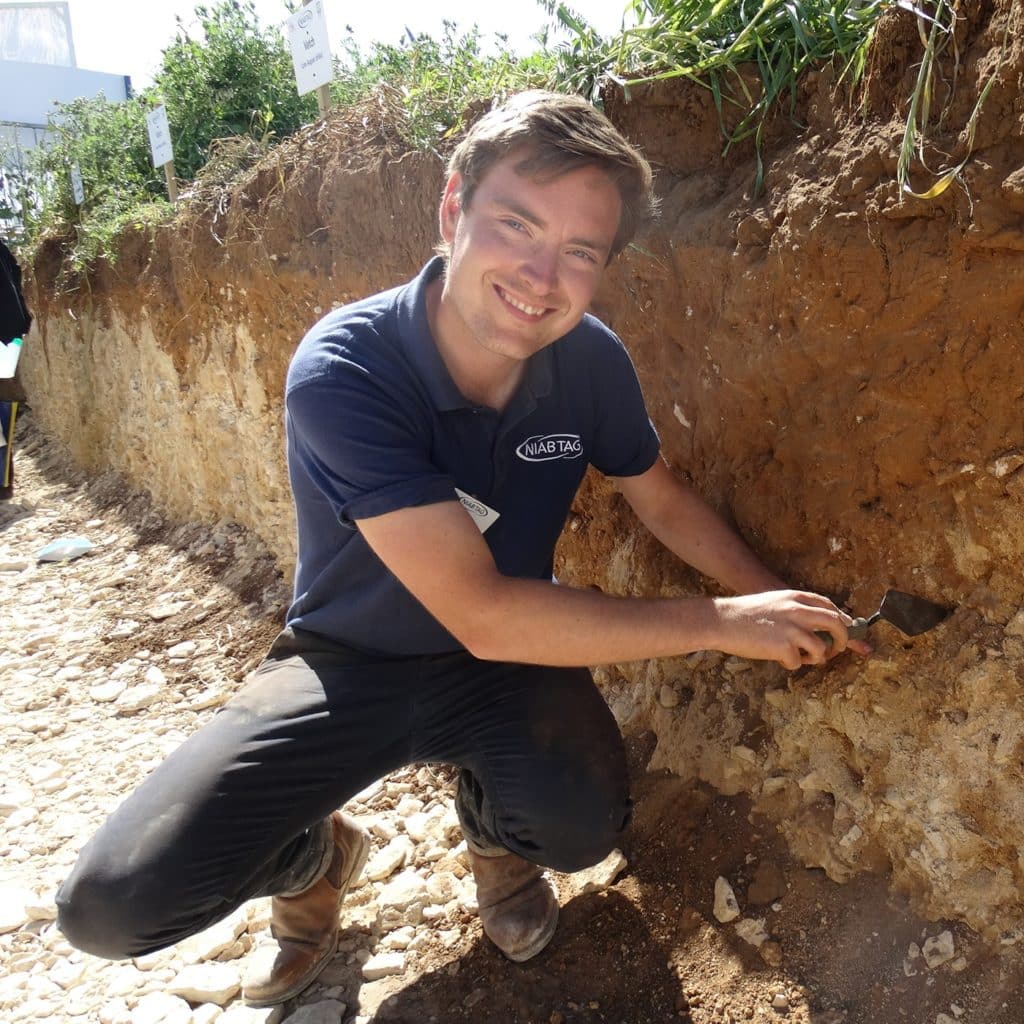
David Clarke
Soils and Farming Systems Specialist at Niab
David Clarke
Soils and Farming Systems Specialist at NiabDavid is a Soils and Farming Systems Specialist at Niab. Supporting Niab’s long term experiments investigating cultivations, cover cropping, rotations and the use of manure and soil amendments. Davids’s particular expertise is in applied crop and soil modeling and on farm spatial data analysis, with a particular interest in using process-based modeling approaches to support on-farm management decisions. David has a PhD in applied crop modelling and is a BASIS FQA, an Early Career Member of the British Society of Soil Science and sits on the Advisory council for The Morley Agricultural Foundation.
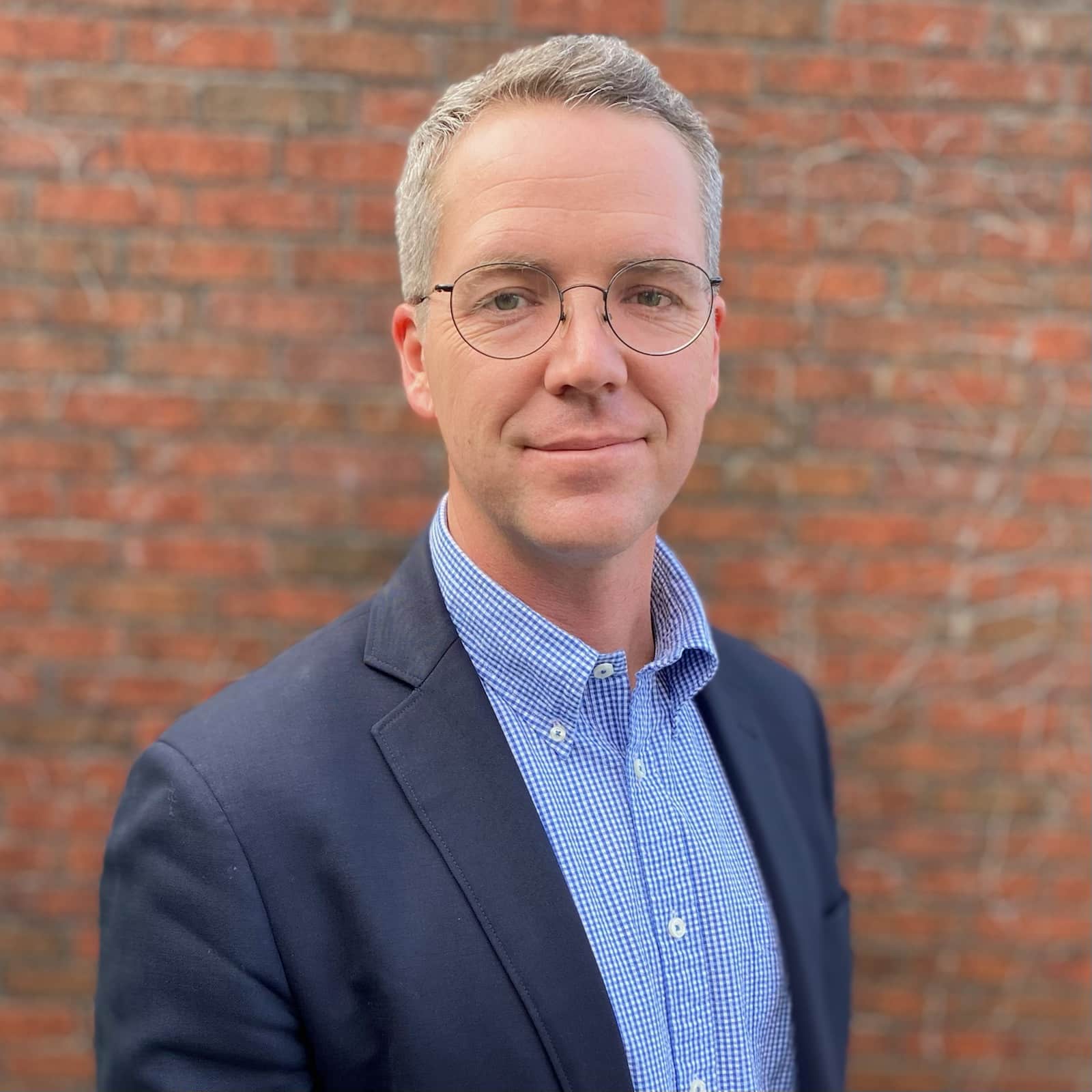
Elliott Kellner
Executive Director of the Taylor Geospatial Institute (TGI)
Elliott Kellner
Executive Director of the Taylor Geospatial Institute (TGI)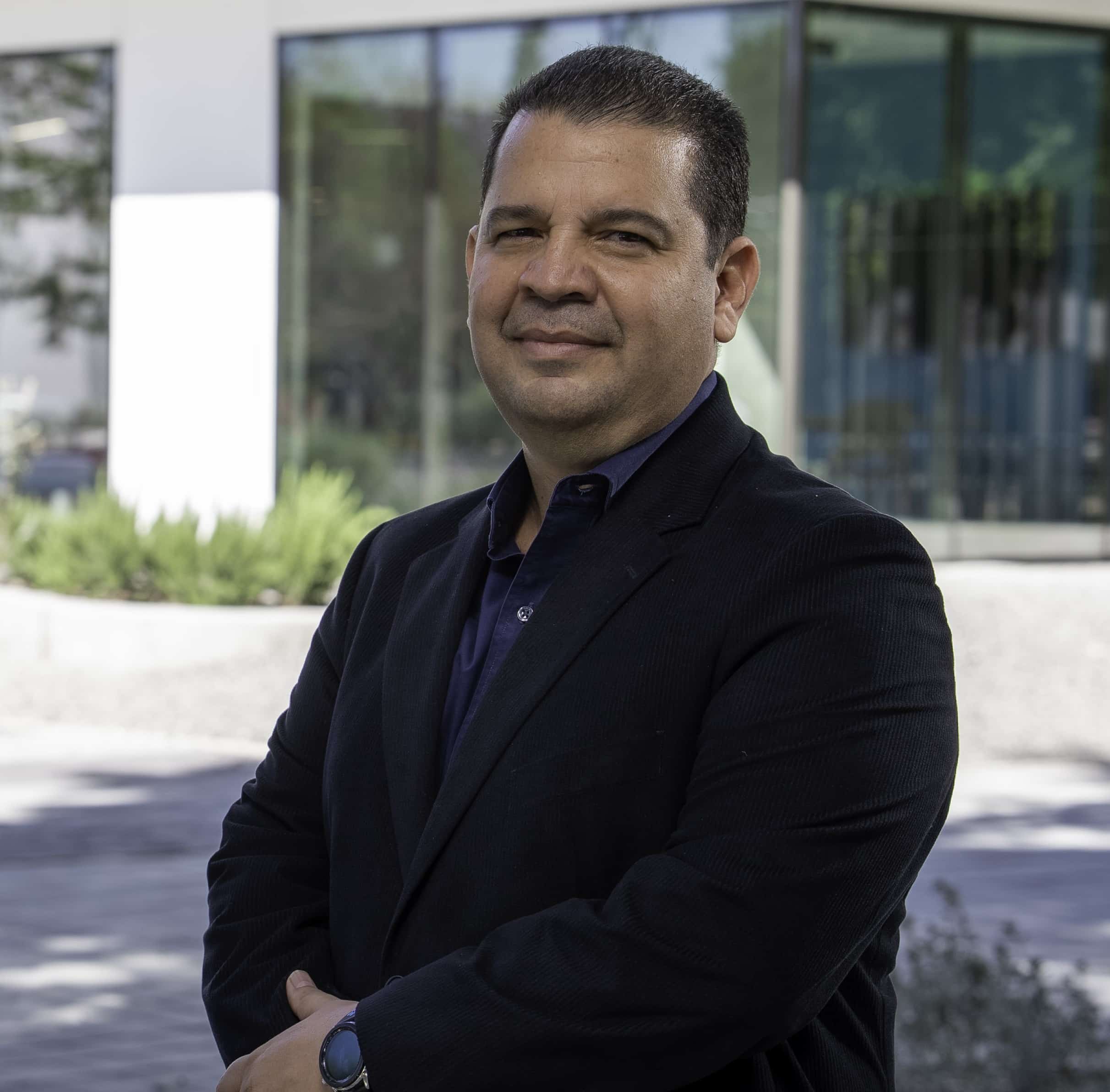
Moises Carbajal Marron
Director of the Institute of Entrepreneurship EGL in Querétaro at Tecnológico de Monterrey
Moises Carbajal Marron
Director of the Institute of Entrepreneurship EGL in Querétaro at Tecnológico de MonterreyWith over 25 years of professional experience, Dr. Carbajal Marrón has taught at undergraduate and graduate levels, mentored more than 200 startup projects, and consulted SMEs in acceleration and family business processes. He is a national and international speaker and has completed certifications at MIT, I-Corps, Babson College, and INBIA.
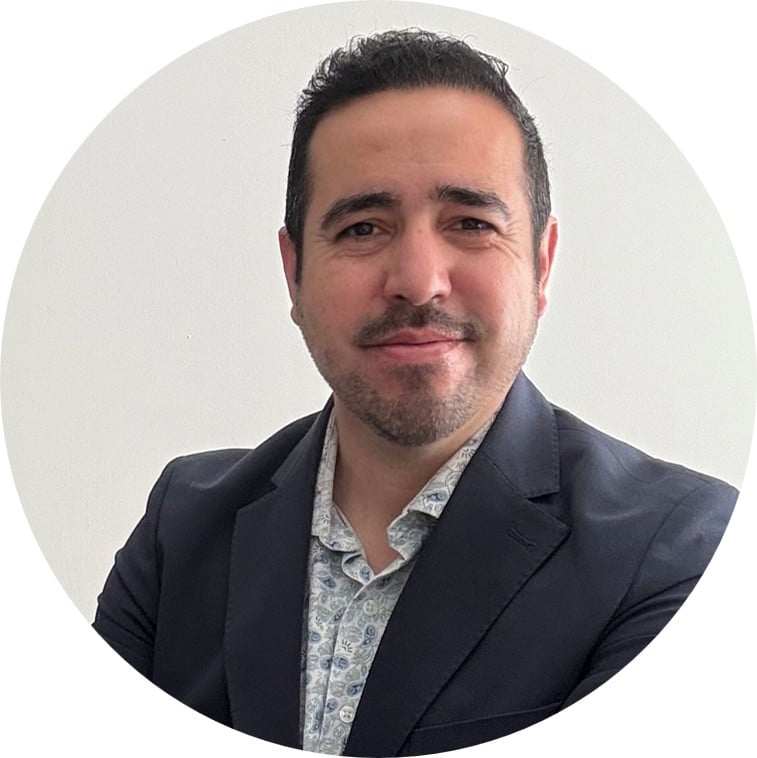
Marco A. Mata-Gómez
Director of the Bioengineering Regional Department at Campus Querétaro, Tecnológico de Monterey Mexico
Marco A. Mata-Gómez
Director of the Bioengineering Regional Department at Campus Querétaro, Tecnológico de Monterey MexicoDr. Marco A. Mata-Gómez holds a master degree in biotechnology from the Autonomus Unibersity of Coahuila and a PhD in Biotechnology from Tecnologico de Monterrey (2016). In 2012, he participated as visiting scientist at the Downstream Processing Laboratory in Jacobs University-Bremen, Germany. As student, he did research stays in Portugal and Germany. He joined the Bioengineering department as a full time professor in 2017 at Tecnologico de Monterrey in Campus Puebla. Later, he bacame assoaciate director of the same departament (2022-2025).
He is a member of the Food Security and Nutrition Flagship project, where he works in development of strategies for production, recovery and purification of biomolecules, development of microfluidic systems, and plant proteomics and metabolimics under stress conditions. Dr. Mata is member of the National Research System in Mexico, level 1 ou of 3. He has published more than 25 Scientific papers in Q1/Q2 journals. He has led more than 10 master theses and is currently leading 3 doctoral theses. He colaborates International universities from Germany such as Aachen University and TUM, and other instituíos such as the International Iberian Nanotechnology Laboratory located in Portugal.
In academics, Dr. Marco led team in charge of desingnin the 2019 academic programs of the School of Engineering and Science from Tecnologico de Monterrey. Currently, he is Director of the Bioengineering Regional Department at Campus Querétaro.
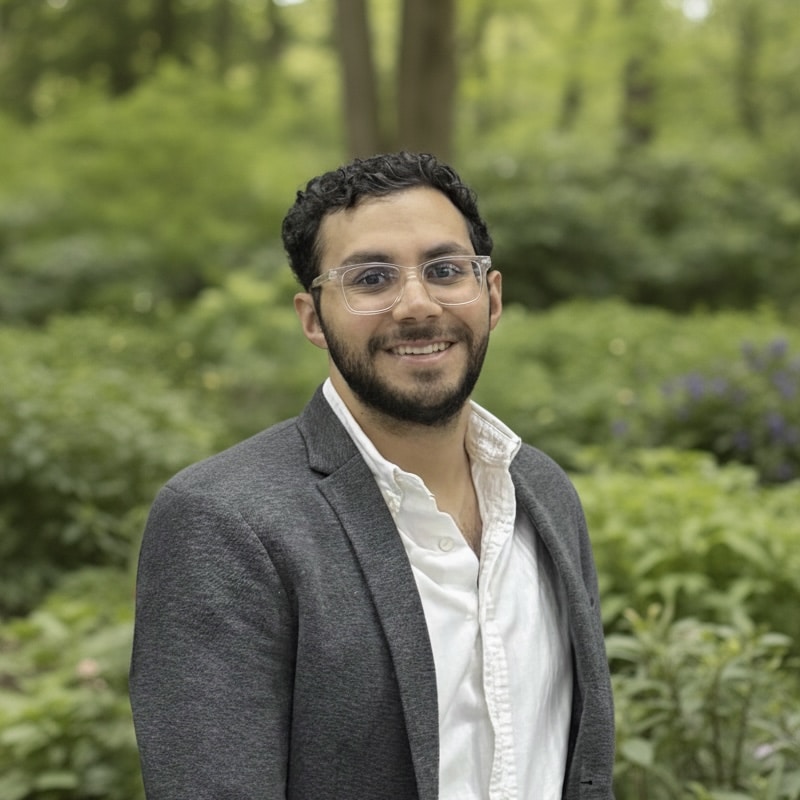
Jesus de la Vega
Entrepreneurship Leader at Tecnológico de Monterrey, Mexico
Jesus de la Vega
Entrepreneurship Leader at Tecnológico de Monterrey, MexicoJesús De la Vega is a leader in the entrepreneurial ecosystem, driving innovation from multiple fronts. With a degree in Entrepreneurial Leadership and Innovation from Mondragón Unibertsitatea, he has played a key role in the creation of several companies, contributing his vision to areas such as business development, advertising, and corporate innovation strategies. Additionally, he holds certifications in Artificial Intelligence from Stanford University and Startup Financing from Duke University. Currently, he serves as a board member at Estudio 201 and is the Entrepreneurship Leader at Tecnológico de Monterrey.
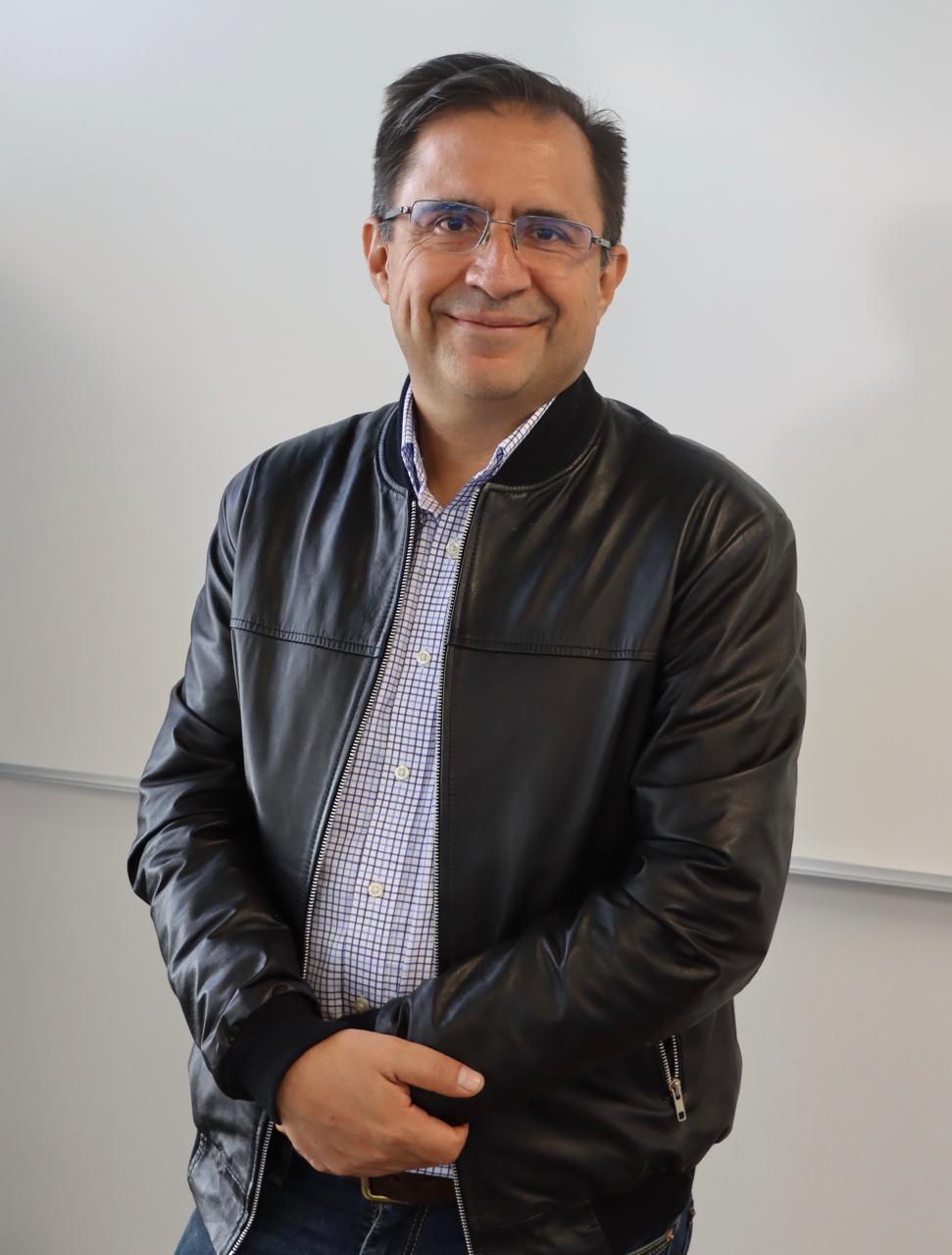
Juan Valiente
Researcher in the Bioengineering Department at Tecnológico de Monterrey, Mexico
Juan Valiente
Researcher in the Bioengineering Department at Tecnológico de Monterrey, MexicoJuan I. Valiente-Banuet, Ph.D. is an agricultural engineer and researcher
specializing in sustainable food production and agricultural biotechnology. He
earned his B.Sc. in Agricultural Engineering from the Instituto Tecnológico y
de Estudios Superiores de Monterrey and completed his M.Sc. and Ph.D. at
the University of Florida, focusing on horticulture and agricultural
engineering.
He currently serves as National Program Director for the Agricultural
Biosystems Engineering degree and is a Researcher in the Bioengineering
Department at the Querétaro campus. He is part of the flagship “Food
Security” initiative and a Level I member researcher of Mexico’s National
Researchers System.
Dr. Valiente’s research centers on the impact of environmental stress on
crop productivity and on the domestication and value-added potential of
non-traditional crops. He has led 17 national and international research
projects and develops cutting-edge technologies for sustainable agriculture,
including drone-based remote sensing, carbon capture assessment in crops
using AI, and controlled-environment production systems.
He teaches Precision Agriculture, Plant Anatomy and Physiology, and
Environmental Physiology, and contributes actively to graduate programs in
the agricultural biotechnology curriculum. His career bridges advanced
research, technological innovation, and practical solutions for sustainable
agricultural development.

Tom Bennett
Global Head of Partnerships at The Yield Lab Institute
Tom Bennett
Global Head of Partnerships at The Yield Lab InstituteTom Bennett is the Global Head of Partnerships at The Yield Lab Institute. Previously, he served as Director of Business Development for a global agri-food tech events company where his mission was to expand their footprint both globally and in specific key growth regions including Central and South America and Southeast Asia. With an international outlook, he remains dedicated to expanding networks and building alliances that foster both sustainability and commercial resilience within the agri-food tech innovation ecosystem.

Kieran Gartlan
Managing Partner at The Yield Lab Latam, Brazil
Kieran Gartlan
Managing Partner at The Yield Lab Latam, BrazilKieran Gartlan is Managing Partner at The Yield Lab Latam, where he invests in early-stage AgTech, ClimateTech, and AgFinTech startups across Latin America. Based in Brazil for over 30 years, he focuses on how technology, data, and intelligent systems can lower risk, unlock capital, and modernize agriculture at scale. Through investing, writing, and ecosystem building, he works at the intersection of farming, finance, and innovation.

Stephanie Regagnon
Executive Director of Yield Lab Institute
Stephanie Regagnon
Executive Director of Yield Lab InstituteStephanie Regagnon is the executive director of The Yield Lab Institute and founding principal of Inner Circle AG, an agriculture, food and innovation focused consultancy.
Previously, she served as executive director of innovation partnerships at the Danforth Plant Science Center where she spearheaded strategic collaborations to position St. Louis as a global hub for plant science, agtech, and geospatial excellence, and was the founding CEO of the multi-stakeholder ag collaborative, FieldWatch.
With over 20 years of experience, Stephanie has been at the forefront of advancing sustainable agricultural technologies that address climate change and food security. Her work centers on building partnerships, convening key stakeholders and connecting ecosystems to foster innovation and drive meaningful impact worldwide.
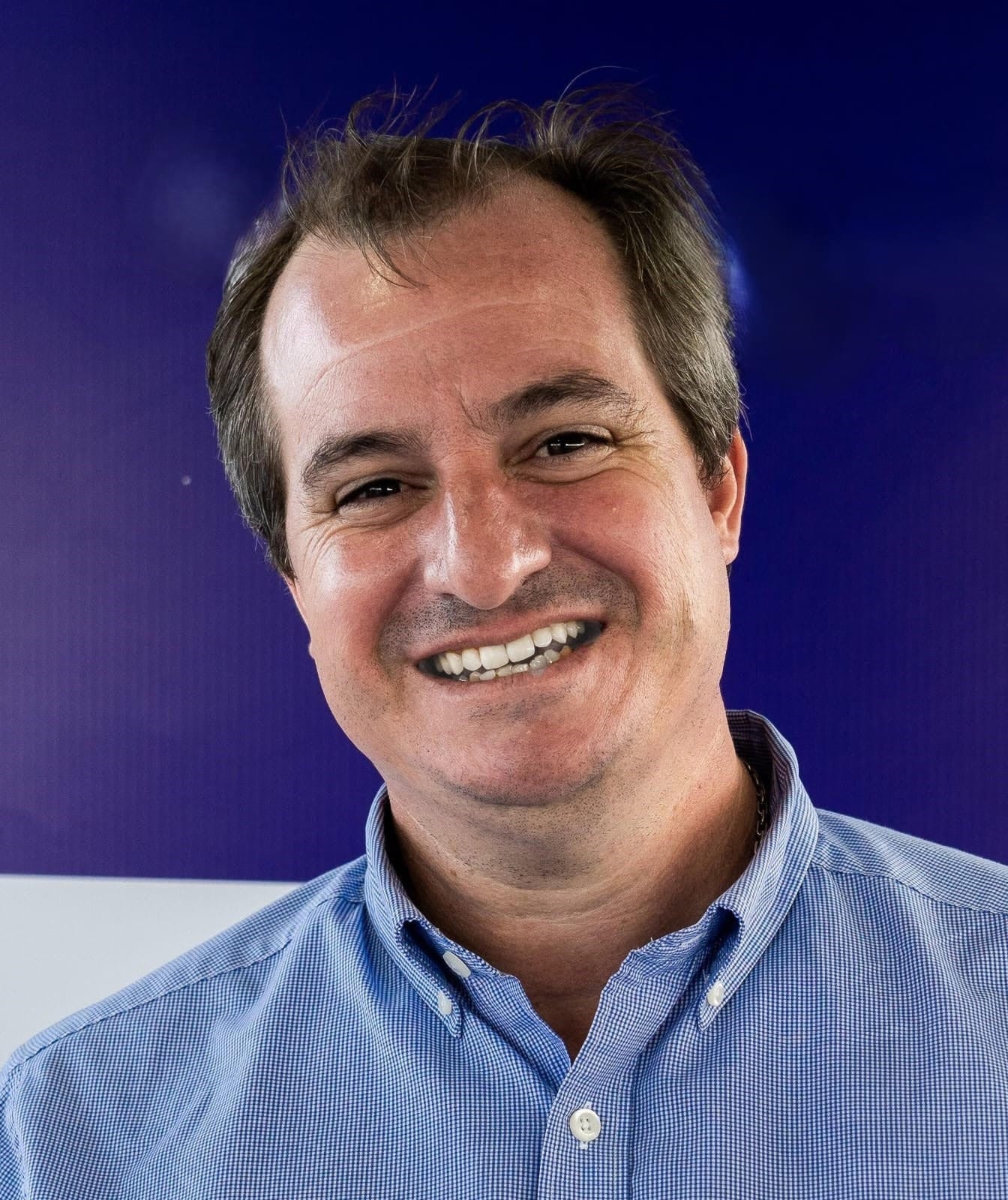
Juan Pablo Cosentino
Board Member of the School of Engineering at Universidad Austral, Argentina
Juan Pablo Cosentino
Board Member of the School of Engineering at Universidad Austral, ArgentinaJuan Pablo Cosentino is a professor, researcher, and consultant specializing in digital transformation and technology strategy applied to business and agriculture.
He has more than 20 years of experience in the corporate technology sector, having held senior leadership roles in global companies such as Nokia, DIRECTV (AT&T), Samsung, and Telecom Argentina. Throughout his career, he has led initiatives related to connectivity, business development, and digital transformation, with a strong focus on agricultural digitalization and infrastructure expansion in rural contexts.
He is currently a full-time professor at IAE Business School and at the School of Engineering of Universidad Austral, where he works at the intersection of strategy, technology, and artificial intelligence applied to value creation. From this position, he supports executives and organizations in designing capabilities to compete in highly disruptive technological environments.
His research focuses on the impact of general-purpose technologies — such as artificial intelligence, advanced connectivity, and data-driven systems — on competitiveness, productive development, and organizational transformation.
In his academic career, he teaches courses including Communications, Internet of Things, Industry 4.0, Digital Transformation, and Applied Artificial Intelligence. Over the years, he has also held academic leadership roles, serving as Director of the Computer Engineering program and later as Dean of the School of Engineering at Universidad Austral.
He is currently a Board Member of both the School of Engineering at IAE Business School and at Universidad Austral, and serves as Academic Director of the Operations and Technology Area at IAE Business School, where he leads executive education in strategy, technology, and innovation.

Julian Francisco Arraigada
Universidad Austral
Julian Francisco Arraigada
Universidad AustralJulián Francisco Arraigada is an Economist graduated from the Universidad Nacional de Rosario and holds a Diploma in AgriFoodTech from Universidad Austral. He is part of the Innovation and Entrepreneurship Laboratory at Universidad Austral, where he serves as a professor in Entrepreneurship and researcher on projects focused on innovation ecosystems and AgriFoodTech startups. He participates in engagement initiatives centred on digital transformation, entrepreneurial development, and innovation in the agri-food sector.
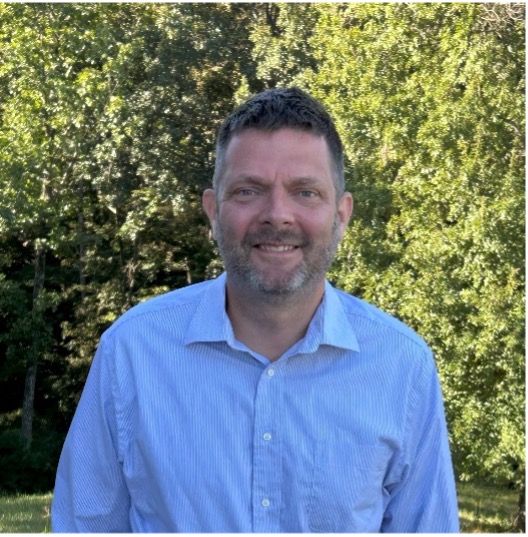
Mark Doyle
Senior Network Manager for the FARM initiative at University of Washington in St. Louis
Mark Doyle
Senior Network Manager for the FARM initiative at University of Washington in St. Louis
Rachel Opitz
Program Manager, Geospatial Innovation for Food Security, at the Taylor Geospatial Institute (TGI)
Rachel Opitz
Program Manager, Geospatial Innovation for Food Security, at the Taylor Geospatial Institute (TGI)Rachel Opitz is the Taylor Geospatial Institute (TGI) program manager for sustainable agriculture and food security initiatives. Her work connects researchers driving innovation in geospatial technologies with teams addressing challenges across food and agricultural systems. Prior to joining TGI, Rachel spent 20 years as a researcher investigating long-term human-environment interactions through remote sensing and geophysical prospection.

Paola Barcena Mapi
DistrictQRO Director
Paola Barcena Mapi
DistrictQRO DirectorI lead distritoQRO, an economic, social, and urban development model that coordinates Querétaro’s
innovation ecosystem to generate a tangible impact on people’s lives. My work focuses on driving initiatives
that integrate innovation, applied research, and urban improvement with a deeply human-centered and
participatory vision.
Organisations
Agri-TechE
Project LeadThe UK’s leading agri-tech membership network, connecting over 200 organisations across research, business, & farming to accelerate innovation in food & agriculture.
Role in ARISE: Project lead & UK delivery coordinator responsible for governance, reporting, & delivery of the UK Innovation Forum & KE week.
Contact details:
Kate Brunswick, Business Development Associate – [email protected]
Belinda Clarke, CEO – [email protected]
AgriTIERRA
Project PartnerA UK-registered consultancy based in Latin America that builds science, innovation, & policy partnerships between the UK & the region across Agri-tech, sustainability, & digital agriculture.
Role in ARISE: Project manager & regional coordinator for Latin America, leading operational delivery, stakeholder engagement, & international coordination across all partner countries.
Contact details:
Mark Jarman – CEO – AgriTIERRA – [email protected]

AgroTech Chile
LATAM invited stakeholderAgroTech Chile is a trade association founded in 2023 and headquartered in Santiago, Chile. It serves as a meeting point for all actors related to agriculture and innovation. It is currently composed of more than 150 companies and runs over 30 collaborative programs with other private and public organizations.
AgroTech Chile is an association created and driven by entrepreneurs within the agtech ecosystem. Its objectives include sharing best practices, promoting collaboration as a growth strategy, and attracting and retaining young talent in rural areas.

Agcenter
LATAM invited stakeholderAgcenter is an agrifood innovation hub that accelerates the transformation of the
sector through the adoption of science-, technology- and innovation-based solutions.
Our purpose is to strengthen the competitiveness and sustainability of the agrifood
system, enabling organizations to develop the capabilities they need to innovate, adopt
technology, and respond to the demands of a rapidly evolving environment
Today, Agcenter is a benchmark in agrifood innovation in Colombia and is progressing toward becoming a key regional actor in Latin America. We promote innovation as a real driver of business growth and ecosystem evolution, fostering modern, efficient and opportunity-driven production models.
We have worked with actors across the entire agrifood value chain — from producers, processors and food companies to industry associations, academic institutions, public entities and territorial organizations — strengthening innovation capabilities and enabling technological adoption in diverse productive systems. This broad experience allows us to deeply understand the structural challenges of the sector and connect them with solutions that generate tangible results.
Our model is grounded in an open-innovation methodology designed specifically for the agrifood sector, agile access to technological and scientific solutions, and effective articulation among companies, institutions, startups and research centers. We believe in connecting real challenges with real solutions and in fostering collaborations that accelerate the transformation of the agrifood system in the region. Because the future of agriculture is not something we wait for — it’s something we build.

APTA - Agribusiness Technology Department
LATAM invited stakeholderThe São Paulo Agribusiness Technology Department (APTA) is a public research organization under the Secretariat of Agriculture and Supply of the State of São Paulo, Brazil. APTA’s mission is to generate, transfer, and apply scientific and technological knowledge to enhance the competitiveness and sustainability of agribusiness. It operates through a network of specialized research institutes and regional centers, with advanced infrastructure and multidisciplinary teams dedicated to innovation in agriculture, livestock, and food systems.
APTA’s main research institutes include:
- Institute of Agricultural Economics (IEA): Economic analysis and market intelligence.
- Zootechnical Institute (IZ): Animal production, genetics, nutrition, and welfare.
- Agronomic Institute (IAC): Crop improvement, soil science, mechanization, irrigation, and precision agriculture.
- Institute of Food Technology (ITAL): Food processing, safety, and innovation.
- Fisheries Institute (IP): Aquaculture, fisheries management, and aquatic ecosystems.
- Biological Institute (IB): Sustainable management of pests and diseases.
- Apta Regional (AR): Decentralized farm labs research and development hub across the state of São Paulo
Innovation and AptaHub: To accelerate the transformation of agriculture and food systems, APTA created AptaHub, its innovation hub. AptaHub connects science, technology, startups, and the agribusiness sector, fostering open innovation, technology transfer, and the development of new solutions. Through AptaHub, APTA supports the creation and scaling of agritech and deeptech startups, promotes collaboration with private companies and international partners, and facilitates the adoption of advanced technologies in the field.
Key Actions
- Scientific research and development in crop science, animal production, food technology, engineering, and fisheries.
- Innovation programs, startup acceleration, and technology transfer through AptaHub.
- Partnerships with research institutions, universities, companies, and international organizations to co-develop and implement sustainable solutions for agribusiness.

CREA
LATAM invited stakeholderCREA is a private, non-profit network of agricultural entrepreneurs with nearly 70 years of continuous collaborative work. The movement brings together more than 2,300 producers organized in 250 groups across Argentina, supported by over 400 technical professionals and facilitators. CREA companies operate in more than 30 agricultural activities and represent between 5% and over 40% of national production depending on the sector. The core of the CREA model is peer-to-peer learning: producers meet regularly on each other’s farms to share data, analyse challenges, and co-create solutions. This farmer-led approach has built a unique culture of trust, innovation, and collective intelligence that strengthens decision-making and accelerates the adoption of technologies and sustainable practices across the agricultural ecosystem.
Main areas of expertise:
- Business management and decision-making in agriculture
- Applied innovation and technology adoption
- Sustainable and high-performance production systems
- Peer-to-peer learning and collaborative networks
- Generation and transfer of technical knowledge
- Leadership and human development in agricultural enterprises
Key collaboration interests:
- Participate in R&D&I projects to generate new knowledge and/or co-develop solutions in collaboration with the CREA Network (member companies and technical teams).
- Share problems and challenges identified within the CREA Network through the CREA Agro Challenges Platform with startups, companies, R&D&I centres, and universities interested in proposing new solutions.
- Organise soft-landing programs for companies/startups seeking to internationalise into Argentina (and the region), leveraging CREA’s expertise, contact network, and institutional support.
- Test and validate solutions within CREA member companies across Argentina’s diverse regions and production systems, under real operating conditions and incorporating user feedback.
- Co-develop and/or adapt solutions, value propositions, business models, and go-to-market strategies so that innovations developed under the ARISE project increase their likelihood of fitting local conditions and user needs.

Donald Danforth Plant Science Center
US invited stakeholderThe Donald Danforth Plant Science Center is the world’s largest independent, nonprofit research institute dedicated to plant science, based in St. Louis, Missouri. Its mission is to improve the human condition through plant science, addressing global challenges such as food security, human health, and environmental sustainability.
Founded in 1998 through a partnership of public and private institutions, including the Danforth Foundation, the Monsanto Fund, and the State of Missouri, the Center conducts fundamental research into how plants work—how they grow, capture energy, and resist diseases. This knowledge is then translated into practical solutions, such as improving crop yields and nutritional value, and developing sustainable bioenergy feedstocks.
The Center is home to over 300 employees and 26 scientific teams, operating out of advanced facilities including 50 climate-controlled greenhouses, 100 growth chambers, and state-of-the-art imaging facilities. Key research initiatives include:
- The Enterprise Rent-A-Car Institute for Renewable Fuels, focusing on plant-based bioenergy materials.
- The International Institute for Crop Improvement, which aims to increase the productivity and nutritional value of staple “orphan crops” (e.g., cassava, sorghum) in developing regions.
- The Subterranean Influences on Nitrogen and Carbon (SINC) Center, dedicated to reducing the need for synthetic nitrogen fertilizers in agriculture.
Through these efforts and numerous global collaborations, the Center aims to develop innovative technologies, nurture the next generation of scientists through educational outreach, and drive economic growth in the St. Louis region by spinning out new agtech companies. Learn more about their work on the Danforth Center website.

Earthbase
Project PartnerA UK innovation intelligence & analytics platform that evaluates & accelerates high-impact technologies for food, climate, & health systems.
Role in ARISE: Start-up & innovation analysis partner responsible for capability mapping, start-up evaluation, & investment insight across the UK, US, & Latin America.
www.earthbase.earth | LinkedIn | Contact details: [email protected]
Mark Hodgson, Founder – [email protected]

Embrapa
Project PartnerEmbrapa (Empresa Brasileira de Pesquisa Agropecuária) is Brazil’s leading public agricultural research institution, linked to the Ministry of Agriculture and Livestock. For more than five decades, Embrapa has played a strategic role in transforming Brazilian agriculture into one of the most productive and sustainable in the world. The organization generates, adapts, and transfers scientific knowledge and innovative technologies to strengthen the competitiveness, resilience, and sustainability of agrifood systems in Brazil and internationally. The institution employs almost 8.000 people, of which around 2,100 are researchers, the majority holding doctoral degrees.
Operating through a nationwide network of 43 research centers, Embrapa conducts research and development across a wide range of areas, including crop and livestock production, soil and water management, climate change adaptation and mitigation, biodiversity, biotechnology, digital agriculture, and sustainable land use. Its multidisciplinary teams integrate science, technology, and innovation to address global challenges such as food security, climate resilience, environmental conservation, and low-carbon agriculture.
Embrapa works closely with farmers, startups, universities, public agencies, and the private sector, promoting open innovation, technology transfer, capacity building, and the development of scalable solutions for diverse agricultural systems, from smallholder to large-scale production.
Within the ARISE project, Embrapa will be represented by Embrapa Environment (Embrapa Meio Ambiente), which operates at the interface between agriculture and the environment, enabling R&D to promote sustainable agriculture and reconcile production systems with environmental conservation; Embrapa Digital Agriculture (Embrapa Agricultura Digital), focused on R&D in digital agriculture aimed at sustainability, competitiveness, and value-added along production chains; and Embrapa’s Innovation Ecosystems Supervision, strengthening national and international collaborative innovation networks and partnerships.
Contact details: Janaína Tanure, [email protected]
Yield Lab Institute
Project PartnerA US-based non-profit organisation that drives early-stage innovation in agri-food systems through open innovation, research, & global ecosystem connectivity. YLI leads the Cultivar Initiative, linking the US & Latin America to foster sustainable Agri-tech collaboration, & works closely with its regional affiliate Yield Lab LATAM to connect start-ups & investors across the Americas.
Role in ARISE: Strategic US partner coordinating the St Louis Summit, aligning ARISE with the Cultivar platform, & engaging research institutions, start-ups, investors, & policy networks to strengthen trilateral collaboration.
www.theyieldlabinstitute.org
Contact details:
Tom Bennett, Global Head of Partnerships – [email protected]

Harper Adams University
Participating OrganisationHarper Adams University is the UK’s leading specialist institution for agri‑food, land-based engineering, veterinary sciences, and sustainable rural systems. Founded in 1901, the University has grown into an internationally recognised centre of excellence focused on food production and technology, animal health and welfare, environmental stewardship, and innovation for sustainable living environments.
The University’s mission is to advance knowledge, inspire learners, and deliver real-world change through practical research, innovation, and industry collaboration. Harper Adams is home to one of the few commercial university farms in the UK (the 480-hectare ‘Future Farm’), advanced engineering facilities, the Veterinary Education Centre, the Harper Food Innovation Labs, and multiple research centres strongly connected to industry.
Areas of Expertise:
- Agriculture and crop production systems
- Agricultural robotics, automation, AI and digital technologies
- Engineering for sustainable food systems
- Veterinary sciences, animal health and welfare
- Food science, processing and innovation
- Environmental science, conservation and land management
- Data science and future technologies
- Rural enterprise, business and agri‑tech innovation
Collaboration interests: Harper Adams University actively collaborates with international universities, industry partners, and innovation agencies. Areas of collaboration include joint research projects in agricultural robotics and AI, sustainable food systems, livestock farming technologies, hyperspectral and multispectral imaging for crop optimisation, environmental and climate‑smart agriculture, and the development of digital tools to support rural economies.
The University is particularly interested in partnerships involving student and staff exchange, joint centres of excellence, large-scale research bids (UKRI, Horizon Europe, bilateral programmes), industrial validation trials, and translational research in real farm environments.

Newcastle University
Participating OrganisationNewcastle University is research-intensive university based in the UK conducting research on agri-food systems from Farm to Fork. Newcastle has a proven track record of interdisciplinary research, working across disciplines (e.g. natural sciences, engineering, computing, humanities and social sciences) and sectors (e.g. universities, government, third sector industry) to address complex agri-food challenges.
Newcastle has led large (i.e. >£1M to £20M), complex, interdisciplinary research and innovation projects, funded by external bodies such as UKRI, Innovate UK, the Department of Environment, Food and Rural Affairs (Defra), Department of Energy Security and Net Zero (DESNZ), the Department of Science, Innovation and Technology (DSIT), EU Horizon Europe, the Food Standards Agency, the Wellcome Trust, Microsoft, and Genome Canada. Newcastle also actively collaborates with over 55 industrial, third sector and government bodies on innovation and impact projects, co-producing industrially relevant or policy-focused outputs.
Areas of expertise include:
- Sustainable intensification
- New crops (e.g. biomass feedstocks)
- New production methods (e.g. regenerative farming, vertical farming, robotics)
- Crop health and protection (e.g. biomonitoring, RNAi to control pests, integrated pest management)
- Advancements in animal welfare and sustainable livestock management (e.g. use of AI and IoT tools)
- Nature-based solutions and climate-smart agriculture (e.g. enhanced rock weathering)
- Digital agriculture and technology innovation (e.g. AI, sensing, robotics, process intensification)
- Antimicrobial resistance
- Valorisation of food waste and development of new bio-based products
- Socio-economic barriers to the adoption of new technologies and innovation
Newcastle welcomes new collaborations in all the above topic areas.
Agriculture | Newcastle University Farms | Centre for Rural Economy | Centre for Data Science and AI | Centre for Industrial Biotechnology

Niab
Participating OrganisationNiab is a leading UK crop science organisation working at the forefront of the application of genetics, physiology, soil science, precision agronomy and data science to improve the yield, efficiency and resilience of crop production across the arable, forage and horticulture sectors.
Founded in 1919, and with a longstanding international reputation for delivering plant science into practice, today Niab’s independent, scientific capabilities span the crop improvement pipeline; from underpinning research required to develop higher yielding more climate resilient crops through to the extensive trials data, agronomy expertise and advice needed to ensure these advances are transferred effectively onto farm.
Niab has over 350 staff, with over 150 working at Cambridge, 70 at East Malling in Kent and the remainder based at its regional centres. Niab delivers expertise across:
- Agricultural crop research – encompassing agricultural genetics and breeding, plant biotechnology, field crop research, plant pathology, crop characterisation, and AI/data science.
- Agronomy and farming systems research – including crop protection, crop production, soil management and varietal interaction across all arable crops.
- Horticultural crop research – horticultural genetics, genomics and breeding, crop science and production systems and pest and pathogen ecology teams.
- Commercial services – creating and managing a range of commercial services for customers across the agricultural and horticultural sector including agronomy membership services, analytical services, training services, farm and regional trials and ornamental and glasshouse services.
By partnering with organisations globally, Niab can help co-develop, test and scale innovative technologies and products that improve the yield, efficiency and resilience of crop production systems.

The Taylor Geospatial Institute (TGI)
US invited stakeholderThe Taylor Geospatial Institute (TGI) is an independent, nonprofit research organization dedicated to advancing geospatial science and accelerating innovation at the intersection of Earth observation, artificial intelligence, and data-intensive discovery. Anchored by a consortium of leading research universities and institutions, TGI provides a collaborative platform that supports the development of foundational technologies in GEO-AI—from novel machine-learning methods for remote sensing to new computational tools for global environmental, agricultural, defense, and humanitarian analytics.
Through targeted research funding, interdisciplinary program development, and strategic partnerships with academia, industry, and government, TGI cultivates an ecosystem that enables scientists and engineers to pursue high-impact geospatial research. Its initiatives emphasize the creation of benchmark datasets, reproducible open-science workflows, and applied solutions capable of informing policy, driving commercialization, and strengthening regional and national technological leadership.
TGI plays a catalytic role in translating early-stage innovations into market-ready capabilities. By supporting translational research, fostering collaborations with startup companies, and connecting researchers to strategic corporations, federal agencies, and philanthropic partners, the Institute helps accelerate the maturation of emerging GEO-AI technologies. Through these efforts, TGI advances its mission to build a world-class innovation hub that elevates geospatial science, expands societal benefit, and contributes to the long-term growth of the St. Louis innovation economy.

Universidad Austral
LATAM invited stakeholderUniversidad Austral is one of Argentina’s most prestigious private universities, distinguished by its academic excellence, applied research, and strong ties to the productive sector and innovation ecosystems. The University has a presence across three campuses —Buenos Aires, Pilar, and Rosario— each with complementary identities oriented toward generating social, scientific, and technological impact. Campus Rosario is strategically located in the region that hosts the country’s largest agro-export complex and a dynamic ecosystem of biotechnology, innovation, and scientific-technological entrepreneurship. From this location, the University articulates academia, science, agribusiness, and entrepreneurship to drive high-impact initiatives at both regional and national levels.
Key Expertise Areas
Agribusiness & Agri-food Systems: The University’s commitment to strengthening agri-food value chains is embodied through the Centro de Agronegocios y Alimentos, a specialized academic centre dedicated to driving long-term human, economic, and social development for Argentina through the following lines of action:
- Academia: Graduate and executive education programs, including an MBA in Agribusiness, ranked #2 worldwide.
- Research: National Agricultural Producer Survey. Technological foresight (bioeconomy, gene-editing, biological inputs).
- Extension: Linkage initiatives to engage with farmers and promote more sustainable agri-food value chains.
Innovation & Entrepreneurship: The University fosters entrepreneurial talent and scientific-technological innovation through the Laboratorio de Innovación y Emprendimientos,
which promotes and strengthens the entrepreneurial mindset in the ecosystem by generating innovative talent and businesses through the following actions:
- Academia: Teaching entrepreneurship courses in undergraduate programs.
- Incubation: Supporting internal and selected external projects with mentorship and network access.
- Extension: Development of programmes aimed at awakening an entrepreneurial mindset.
Both units collaborate to drive innovation and technological development in agri-food chains:
- Validagro: Open innovation living lab for testing AgTech’s solutions in a real production environment.
- Digital Transformation: Digital maturity diagnostics and roadmap development for agribusiness.
- Research: Sustainable and Inclusive digital transformation in agri-food value chains, and analysis of Agtech and Biotech ecosystems in Argentina.
International Collaboration Opportunities
- Research: Joint research in innovation ecosystems, bioeconomy, digital transformation, and technology adoption.
- Academic Exchange: Visiting professors, undergraduate and graduate student missions, co-taught courses, thematic bootcamps, and short international programs.
- Innovation & Startups: Startup exchange programs, co-development of incubation/acceleration models, and soft-landing initiatives.
- Open Innovation & Technology Transfer: Shared testbeds, technology validation, emerging technology pilots, and co-innovation projects.
- Institutional Collaboration: Joint participation in international consortia.
austral.edu.ar/rosario | LinkedIn | @australrosario

Washington University in St. Louis (WashU)
US invited stakeholderThe Food and Agriculture Research Mission (FARM) at Washington University in St. Louis (WashU) advances impactful research and scholarship at the nexus of public health, food, and agriculture. Based within WashU’s School of Public Health, FARM brings together diverse stakeholders to promote healthy, sustainable food-systems in support of the schools mission to ensure that all can live healthier, fulfilling lives.
Core Objectives and Approach
FARM operates on the understanding that improving public health requires transforming the systems that produce, distribute, and govern food. The initiative focuses on three mutually reinforcing objectives:
- Building a collaborative research ecosystem that connects WashU faculty with government, civil society, and private-sector partners to co-develop evidence, tools, and pathways for action.
- Catalyzing interdisciplinary discovery by supporting research that links agricultural practices, food environments, environmental health, and human health outcomes.
- Translating research into real-world impact through a focus on implementation and turning research outcomes into actionable policy, practice, and innovation.
Key Initiatives
FARM advances its mission through a growing set of programs designed to spark innovation and deepen interdisciplinary engagement:
- Forums and Events: FARM hosts convenings and workshops to generate ideas, share knowledge, and foster new research partnerships that combine public health and food systems innovation.
- Support for Catalytic Research and Education: Through a growing number of programs and initiatives, FARM provides funding for interdisciplinary research and education that aligns with its core mission.
FARM seeks to create a healthier, more sustainable future for everyone by ensuring food security and nutrition are achieved in a sustainable way with respect for the environment and natural resources. You can find out more about FARM on the WashU School of Public Health site.

Tecnológico de Monterrey
Mexico invited stakeholderTecnológico de Monterrey in Mexico founded in 1943. It is a leading private university in Latin America dedicated to higher education, applied research, innovation, and entrepreneurship, with strong industry partnerships and a focus on technology-driven solutions. Within the AgritechE ARISE programme, Tecnológico de Monterrey joins as am academic and innovation partner, contributing research expertise, talent development, and collaboration in agri-food technologies to strengthen international cooperation and accelerate sustainable innovation.
Sao Paulo Knowledge Exchange Week - Agenda
São Paulo KE focus
- Initiate collaboration through a structured kick-off & discovery phase to launch the trilateral partnership & align expectations among all participants.
- Convene all partners & invited experts in person for the first time to establish relationships & shared purpose across the UK, US, & Latin America.
- Showcase Brazil’s innovation ecosystem through a coordinated “show & tell” led by Embrapa & partners, highlighting national strengths in AI, Engineering Biology, & regenerative agriculture.
- Build a shared understanding of national ecosystems & innovation capacities to inform future collaboration themes & partnership opportunities.
Delegates arrive in São Paulo and transfer to Campinas, with time to settle before a full week of institutional visits, technical immersion, and collaboration.
Morning sessions introduce the full delegation, Embrapa’s core scientific programmes, UK/US/LATAM capabilities, and investor insights.
Afternoon visits deepen understanding of biosciences and environmental research at UMIPI GENCLIMA.
The day closes with LATAM institutional presentations.
Activities include AgNest’s field and technology tour, innovation ecosystem panels, start-up pitches, and structured thematic ideation.
The day concludes with prioritisation and matchmaking across AI, biosolutions, data, and climate themes.
Delegates visit CNPEM (Brazilian Center for Research in Energy and Materials) in Campinas for scientific demonstrations, US institutional presentations, and an overview of four national laboratories (Sirius/LNLS, LNBio, LNNano, LNBR). This is followed by a tour of CTC in Piracicaba to connect advanced research with industrial applications.
Delegates participate in the full-day Embrapa Agro em Código event at Cubo Itaú, connecting with start-ups, researchers, and digital agriculture leaders driving Brazil’s frontier innovation agenda.
The morning includes reflective panels, breakout workshops to design actionable pathways, and a forward-planning session to set commitments ahead of the Cambridge Summit. UK Government and Embrapa provide closing remarks.
St Louis Knowledge Exchange Week - Agenda
Day 1 formally welcomes the delegation to St Louis, showcases the city’s agri-tech and biosciences ecosystem, and reconnects UK, US and LATAM participants to the project objectives and São Paulo Knowledge Exchange learnings. The day shifts from ecosystem positioning in the morning to delegate-led reflection and collaboration framing in the afternoon, setting the direction for the remainder of the week.
Day 2 is focused on learning and knowledge exchange for delegates, showcasing St Louis’s strengths in plant science, biosciences, and geospatial data. The morning highlights world-class research and translational capability at the Danforth Center, while the afternoon explores geospatial systems and data-driven innovation, with delegates actively contributing through panel discussions and dialogue.
Day 3 focuses on engagement with the St Louis resilient agriculture ecosystem through participation in the ReACH event and direct engagement with Bayer. The day combines learning from coalition-based approaches and corporate platforms with structured and informal opportunities for networking, dialogue, and exploration of collaboration opportunities emerging from earlier sessions.
Day 4 balances outward-facing international ecosystem engagement with inward-facing project consolidation. The morning focuses on networking and relationship-building with international ecosystems active in St Louis, while the afternoon is designed to enable the next phase of the project by aligning interests, motivations, and opportunities ahead of the Cambridge Knowledge Exchange and longer-term collaboration pathways.
Day 5 is an optional working session focused on consolidating insights from the St Louis Knowledge Exchange and shaping future collaboration pathways. While led by the project partners, the session is open to delegates who are able and interested to remain in St Louis, providing space for deeper discussion on motivations, governance, delivery structures, and next steps ahead of the Cambridge Knowledge Exchange and beyond.
UK Knowledge Exchange Week - Agenda
ARISE has brought together partners from academia, research and industry for a focused programme of exchange and strategic collaboration. Building on the success of the LATAM and US Knowledge Exchange Weeks, the final week will be hosted by Agri-TechE in Cambridge. It will provide an opportunity to share key insights and outcomes to date, and to co-design a forward-looking roadmap for research, innovation and engagement in potential investment partnerships connecting the three regions.
The programme will include institutional visits across the Cambridge agri-tech cluster, expert roundtables, and a UK-focused discussion forum. Participants will also visit strategically significant agri-tech locations across the UK, including Norwich Research Park, University of Lincoln and University of Warwick. These visits will explore the translation of fundamental science, commercialisation and scaling pathways, and the integration of technology across agri-tech innovation systems.
The full agenda is designed to deepen relationships, strengthen and formalise trilateral collaboration, align strategic priorities, and accelerate the development of impactful, internationally connected agri-food innovation partnerships.
Day 1 takes us to the Norwich Research Park, home to three of BBSRC’s 8 strategically supported institutes (the John Innes Centre, the Quadram Institute, the Earlham Institute), as well as an independent institute (the Sainsbury Laboratory) and the University of East Anglia, and the Norfolk and Norwich University Hospital (a research and teaching hospital).
This tour explores the potential collaborative opportunities between the micro-ecosystem of the Norwich Research Park campus and how this sits within the wider UK agri-tech innovation ecosystem and engages with international partnerships. The day is rounded out with a visit to the Royal Norfolk Agricultural Association.
The delegation visits the Lincoln Institute for Agricultural Technology (LIAT) to explore ecosystem-building with the wider supply chain at a land-based centre of excellence in the heart of the UK Food Valley.
The University of Lincoln has risen to prominence as one of the leading research centres around robotics and supple chain engagement and has secured significant funding to support commercialisation of agri-tech research, through ACE (Agri-Tech Commercialisation Ecosystems) and partnership with the CERES Agritech programme.
Today we travel to the University of Warwick, one of the UK Government’s High Value Manufacturing Catapult Centres which has created a regional ecosystem based around industry-facing academic research. This is an example of a pivot from expertise in other sectors into agriculture. As part of the Catapult family, there is a structure to support commercial engagement of agri-tech through academic-industry collaborations and to bring ideas to commercial reality.
The culmination of the project, our final day in Cambridge provides an opportunity to share key insights and outcomes to date, and to co-design a forward-looking roadmap for research, innovation and engagement in potential investment partnerships connecting the three regions.
Delegates from across the UK will meet key contacts from the US and LATAM via partnering meetings and learn about ecosystems across these geographies to ensure ongoing relationships.