Agri Tech Meets... Space on 16 July
Space tech and AI are giving us a level of visibility and connectivity in farming that hasn’t existed before, making it possible to see every field, every crop, every risk in near real time. Our online event highlights where cross sector collaborations are emerging, what problems agriculture is actively trying to solve with space tech, and where there’s real pull for new products, research partnerships and investment.

January 2025 Business Update: Deliverables from Ceres Research

Member News
The views expressed in this Member News article are the author's own and do not necessarily represent those of Agri-TechE.

Since Dr Alex Setchfield and Dr Danni Roche joined in October 2024, the Ceres Research team has been able to meet the growing demand for independent agricultural research and knowledge exchange within the sector. In our first business update, we bring you the latest activities and deliverables from Ceres Research.  

Deliverables: 

  • Research and Development: Collaborative partnerships and expert project management, including developing a circular economy-based R&D project linking arable and poultry farming, with multiple stakeholders. 
  • Analysis and Review: Comprehensive impact analyses and market studies to detailed policy reviews and strategic consultancy, such as a bi-annual farming update being prepared for institutional landowners to send out to tenants. 
  • Industry Intelligence: Targeted farmer surveys, focus groups and practical field-based analysis, including a farmer survey understanding nature recovery and floodplain management on-farm, and breaking news on the first instance of glyphosate resistance in Italian ryegrass in the UK. 
  • Technical Training and Events: Training programmes, engaging events, and expert-led presentations, including farm cluster event organisation and a technical review of harvest 2024 (more detail below). 

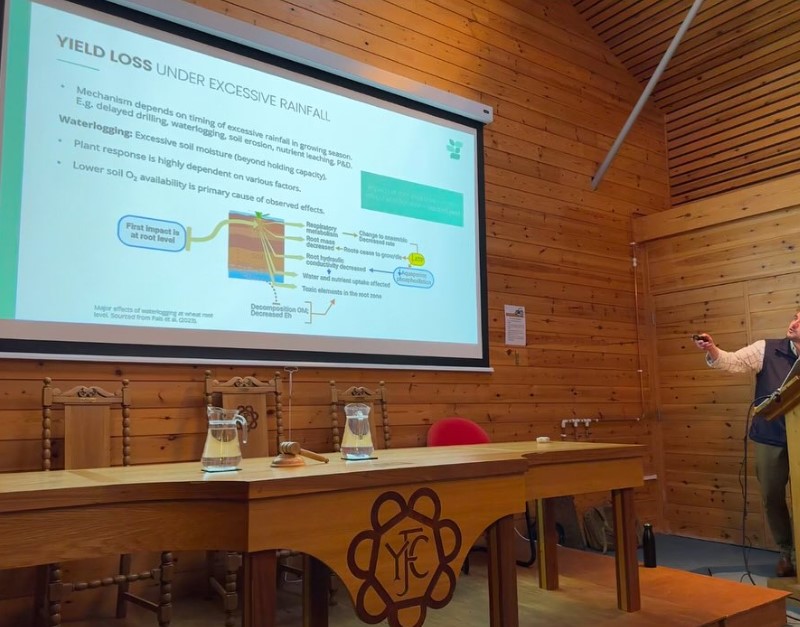
Ceres Research Technical Event
The first technical event was held at the end of 2024 at the Young Farmers Club in Essex. The event provided a deep dive into what had worked and what hadn’t during harvest 2024. We also explored what can be done to improve productivity in the face of climate change moving into harvest 2025 and beyond. You can read the full article from this event, with the resources attached, here: Reflect and Project: A Harvest 2024 Review – Ceres Research. 

Corporate Memberships 

Ceres Research is delighted to have joined Agri-TechE  and UK Agri-TechE Centre as a corporate member in 2024, bringing together organisations across agriculture, technology and science. This membership will help Ceres Research to connect with industry pioneers and cutting-edge technology developers to expand our data-driven insights and actionable solutions on farm. We will continue to provide updates on future projects that result from these valuable connections. 

Sector Engagement and Knowledge Exchange 

Amongst many of the critical conferences attended late last year and early this month (such as the Institute of Agricultural Management, British Crop Protection Council Diseases Review, CLA East Roadshow the Oxford Farming Conference and the AICC Industry Day), Ceres Research was also delighted to be invited to sponsor the British Society of Soil Science Early Career members event in Cardiff, focused on careers in the soil-related industry in December 2024. Dr Danni Roche also presented some of her work on biostimulants and their potential impacts on soil health at the AHDB Agronomy Conference. The full conference was recorded and is available here. 

We are looking forward to the year ahead, especially harnessing the skills and expertise of our newly formed team as we continue to advance research and knowledge exchange in the agricultural sector. 

If you come across something interesting you hear from us or have a collaboration idea, let us know! We’d love to continue maximising our opportunities through Agri-TechE .

  • *I have permission from the copyright holder to publish this content and images.

Are we missing a trick?

Agri-TechE Article
Agri-TechE

The future agri-tech workforce is ready and waiting…

Laura Bouvet, Knowledge Exchange Manager at Agri-TechE describes her career path and the benefits she received – and offered – through industry work experience.

Postgraduate studies traditionally focused on training researchers to do research and work in Academia. But with only a small proportion of students continuing in the sector, the landscape has changed significantly in the last decade.

There is now a larger focus on providing students with skills and experience to go on to work in Industry as part of Doctoral Training Partnerships, for example. These offer students the opportunity (and the money through a continuous stipend) to gain work experience in a different field and environment through Professional Internship for Postgraduate Students (PIPS).

And that’s what attracted me to my PhD.

Laura Bouvet

Back in 2016, I was enrolled on the Cambridge Biosciences BBSRC Doctoral Training Programme (I know, it’s a mouthful!) and was looking for an organisation to do my three months’ PIPS.

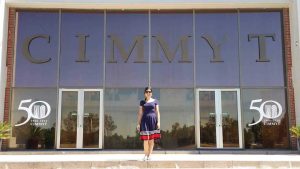
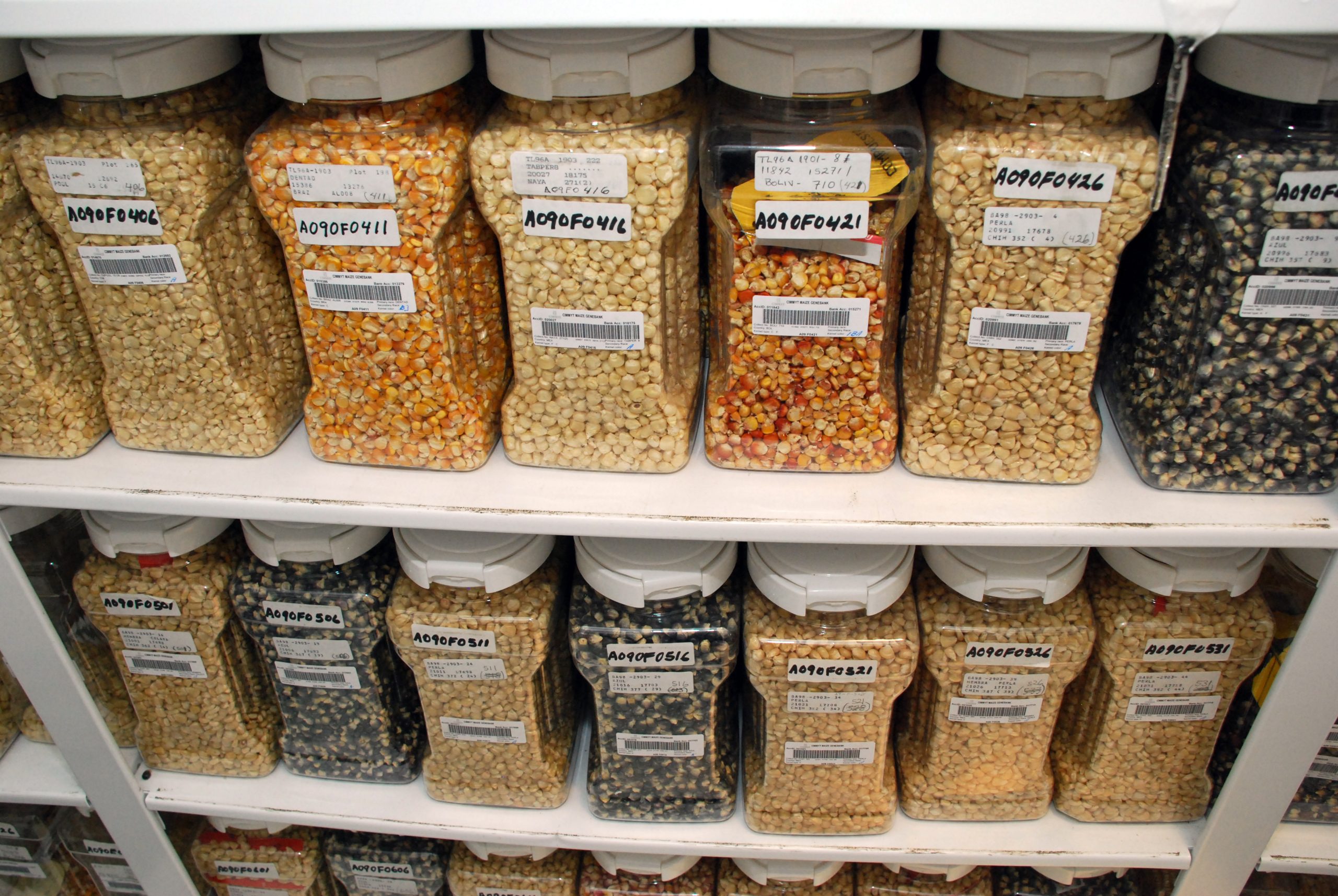
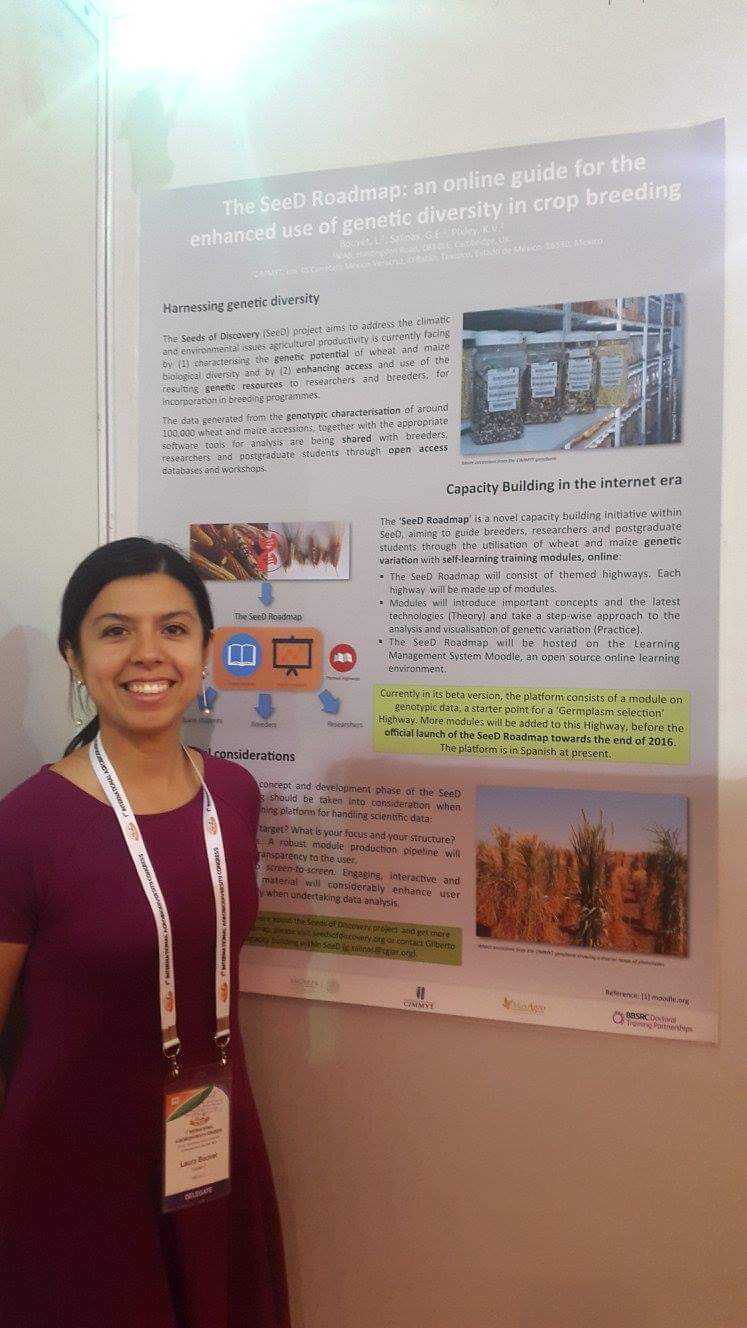
I set out for CIMMYT, the International Research centre for Maize and Wheat in Mexico, as I had a fascination for their seed conservation work (and have family from there!). There, I mapped out pilot online training modules in genetics and genomics for scientists. These would complement in-person training, so that more scientists could access and make use of the wealth of genetic data available from CIMMYT’s maize seed bank.

5979294226_af07140158_o
FB_IMG_1725540820929
Laura Bouvet

How can it benefit your organisation?

Early-careers researchers, whether Masters, PhD or postdocs represent an untapped pool of skills and experience for innovation in agriculture.

For many organisations, PIPS and other types of student/researcher placements can be a good door opener to knowledgeable and motivated individuals to support ongoing projects, to help complete timely activities or kick off a new collaboration.

At Agri-TechE , we have benefitted from the research skills that Erica Hawkins a postdoctoral researcher at the John Innes Centre. Erica was brought in to work on a digital transformation project with the UEA in 2022.

Across the three research councils that fund Doctoral Training relevant to agriculture and agri-tech (BBSRC, EPSRC, NERC), organisations can benefit from a wide array of technical skills, from computer science to plant science, data science, engineering and animal science – to name a few!

But researchers’ skills extend beyond their topical area of expertise. During my PhD, I was also:

  • Project manager
  • Trials coordinator
  • Data scientist
  • Communicator

These are all transferable skills that I brought to CIMMYT. Skills that most postgraduate researchers will have and that organisations can benefit from. With the added bonus of a fresh perspective and bucket loads of youthful motivation!

Whatever your area of expertise, it’s likely that you’ll benefit from a fresh and different perspective, and who knows, maybe even your next recruit.

I found my way to my PIPS host, maybe it’s time for you to explore the benefits of being one?

Here you can find further information about the different types of postgraduate student placements and how they can benefit you. If you have any projects in mind, please contact us so that we can put you in touch with suitable universities.

ECIF Lab visit: The Leaf Lab @ GrowUp Farms

ECIF
Agri-TechE

In March 2024, participants of the Early-Career Innovators’ Forum (ECIF) embarked on an exclusive tour of The Leaf Lab @ GrowUp Farms – a centre dedicated to research and innovation for supporting its commercial operation.

This event offered a first-hand look at plant science in a commercial vertical farming setting. Attendees explored challenges such as sourcing renewable energy and optimising growth conditions, witnessing research on plant development and testing of novel varieties. This immersive experience provided valuable insights into the science behind vertical farming and its potential for sustainable agriculture.

This blog post is authored by a group of students from Cohort 5 at the AgriFoRwArdS CDT (EPSRC Centre for Doctoral Training in Agri-Food Robotics) at the University of Lincoln: Benjamin Nicholls, Catherine Merchant, Dimitris Paparas, Elliot Smith, and Liyou Zhou who are pursuing their MSc in Robotics and Autonomous Systems.

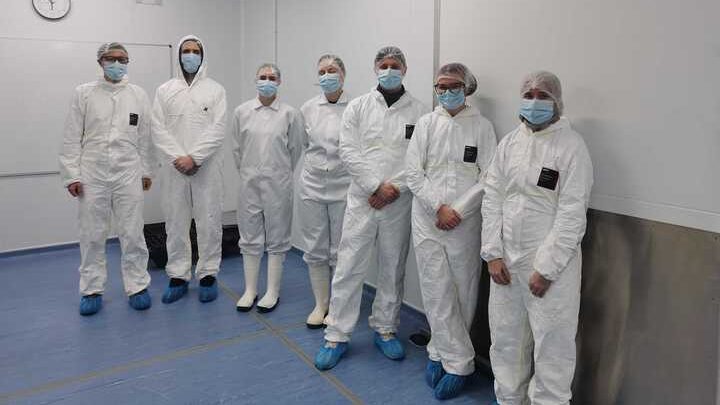
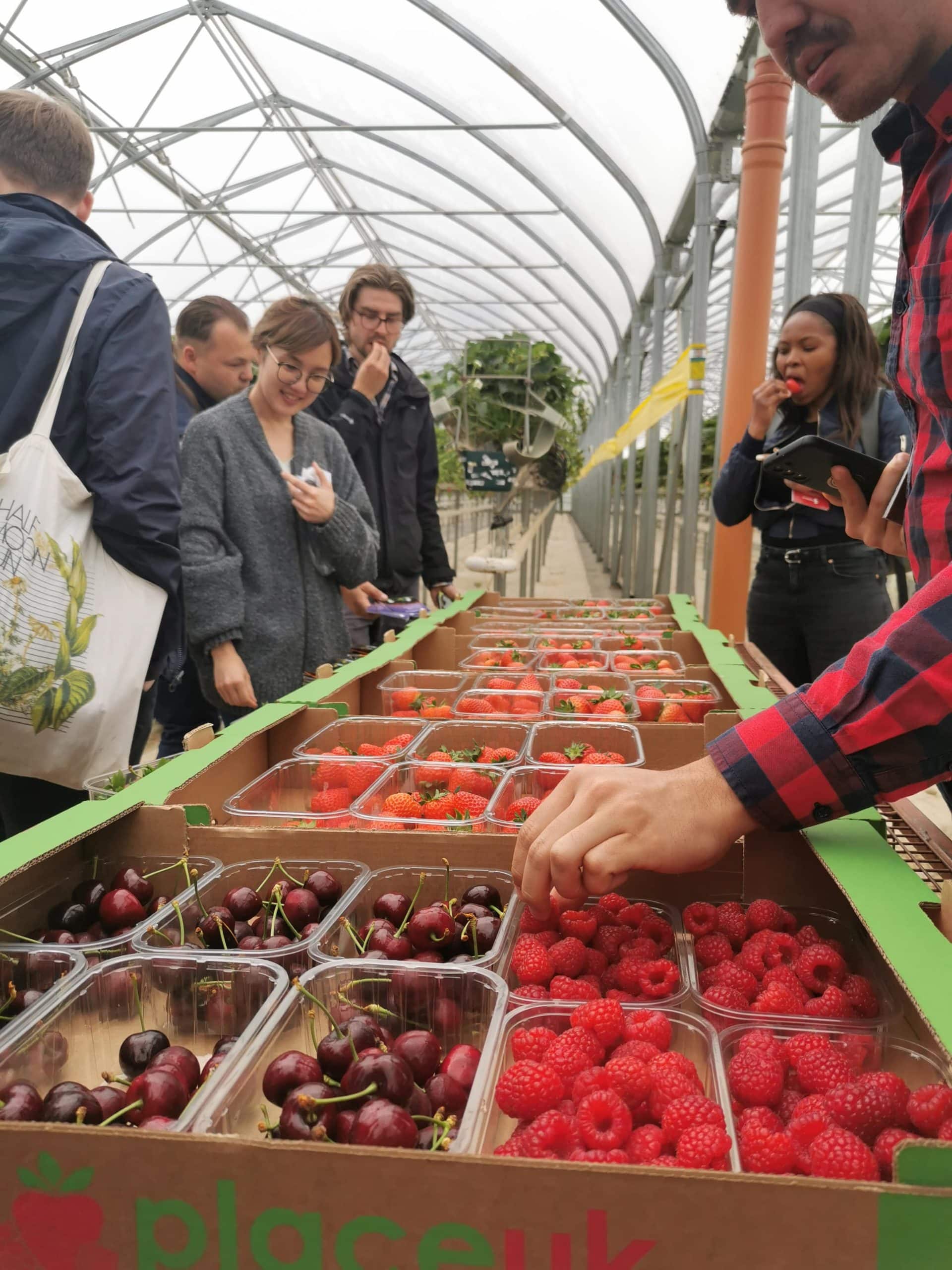
Some of the ECIF visitors to The Leaf Lab @ GrowUp Farms

“Recently, we had the opportunity to visit Leaf Labs as part of the Agri-TechE Early-Career Innovators’ Forum (ECIF). The visit took place at their Bourn Quarter site just outside of Cambridge, providing us with valuable insights into the research conducted at GrowUp Farms’ production facilities center.

GrowUp is a company specialising in the production of leafy greens (lettuce, rocket) through vertical farming and controlled-environment agriculture. Their main production facility in Pepperness, Kent, aspires to become the blueprint for vertical farming operations in the UK and abroad – using a tenth of the water compared to traditional farming.

This site uses a highly automated production line and also manages to use 100% renewable energy. GrowUp’s produce can be bought from Iceland, Tesco, and Spar. Their main selling point is that the consumer’s hand is the first ever to touch the produce; due to the growing environment the salad does not need to be washed and thus has a longer shelf-life (double!).

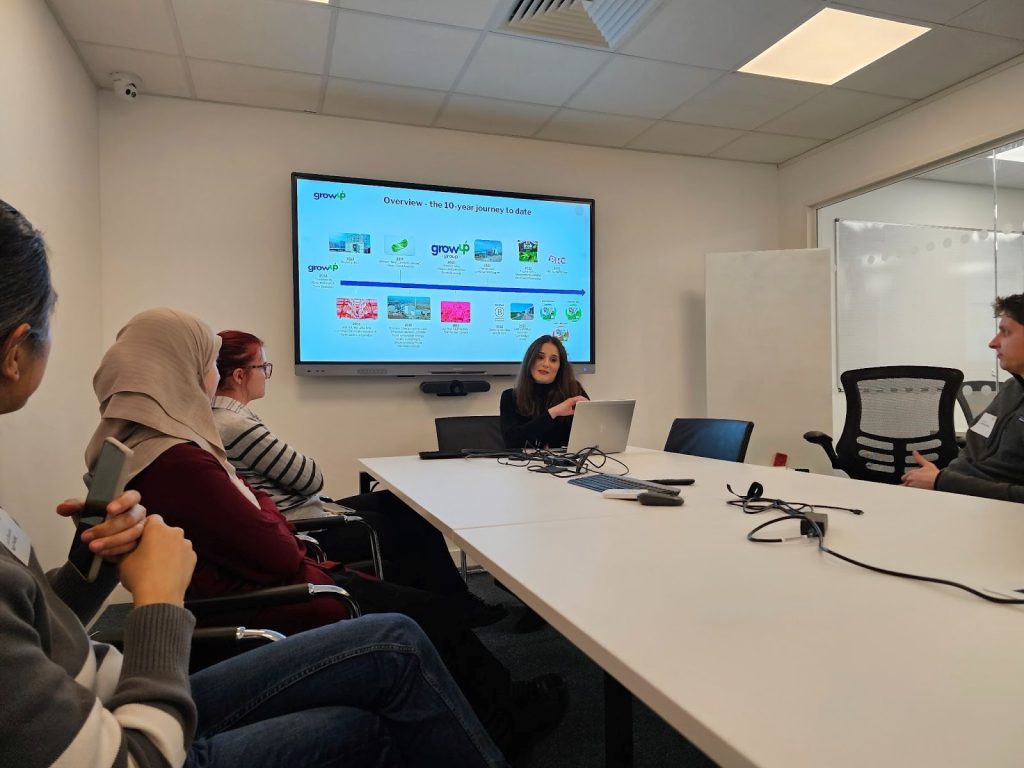
Our visit to Leaf Labs introduced us to their state-of-the-art research facilities, where they attempt to tune the growing process to perfection. Our visit included a presentation detailing GrowUp’s operations, past, present and future, and a tour of the facilities. We had the opportunity to ask many questions to understand how vertical farming can operate commercially.

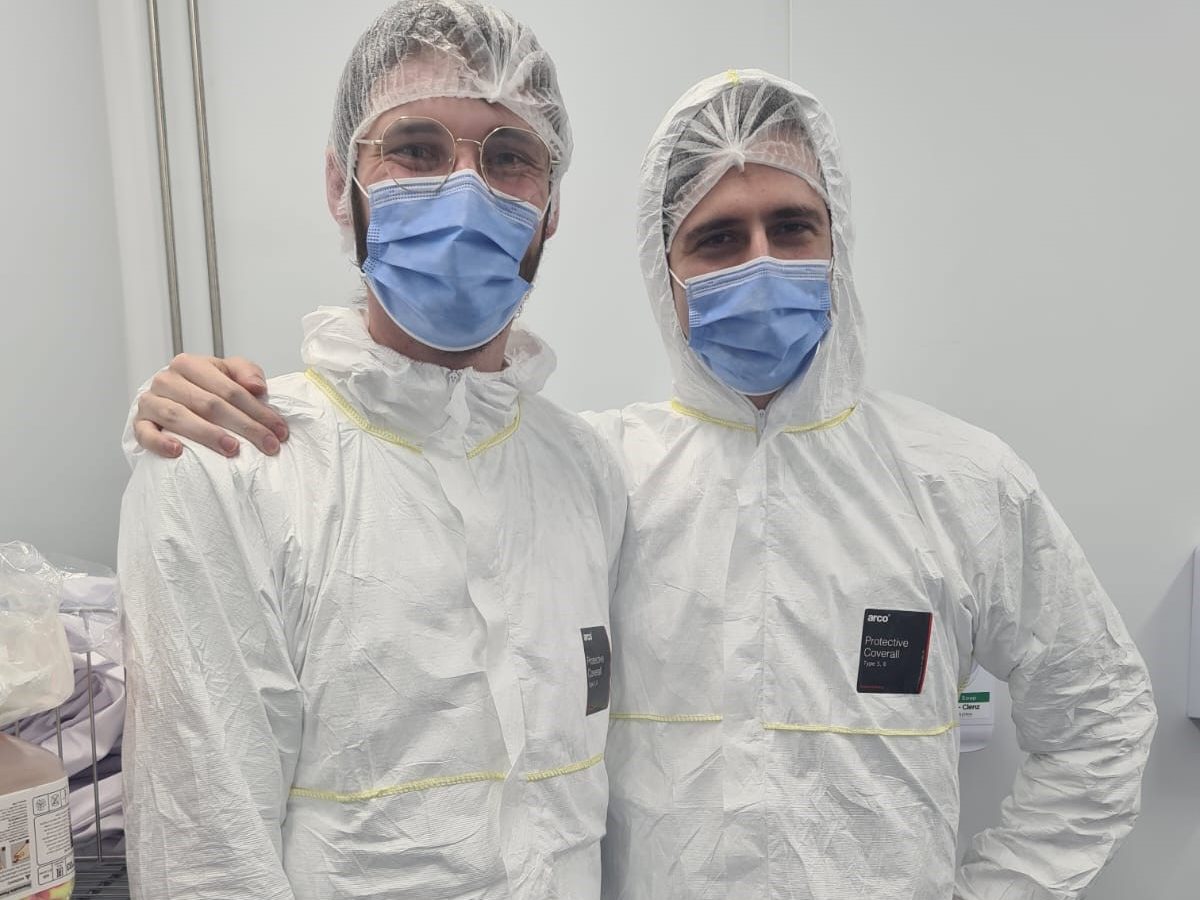
ECIF visitors to The Leaf Lab @ GrowUp Farms

Thoughts from the day:

“I was astonished by the scale of their operations and the significant milestones they achieved. They have effectively created a lettuce factory – more so than a farm. It is hard to comprehend all the complex interactions at play, even in this highly controlled environment.

I was happy to hear that they are keen to explore data-driven optimisation further and achieve results faster. Going from seed to harvesting in three weeks is incredible, especially considering this happens year-round. I would highly recommend visiting their facilities.”

Dimitrios Paparas


“It was great to have an insight into the methods in which GrowUp tackles the problem of farming. I think it has great applications and would like to see more companies follow this trend.

The largest barrier is energy costs and if these can be mitigated then vertical farming can easily become widespread.”

Benjamin Nicholls

ECIF visitors to The Leaf Lab @ GrowUp Farms

ECIF events welcome early-career individuals from a variety of backgrounds including research, agronomy, engineering, consultancy, farming and tech development. 

Whether you’ve recently graduated, are at the beginning of your professional agriculture or science career or are in graduate/further education studies, find out more about our ECIF programme and get involved! The next event in the ECIF calendar is the ECIF Conference: Sustainability in Action on 25 April 2024: book now!