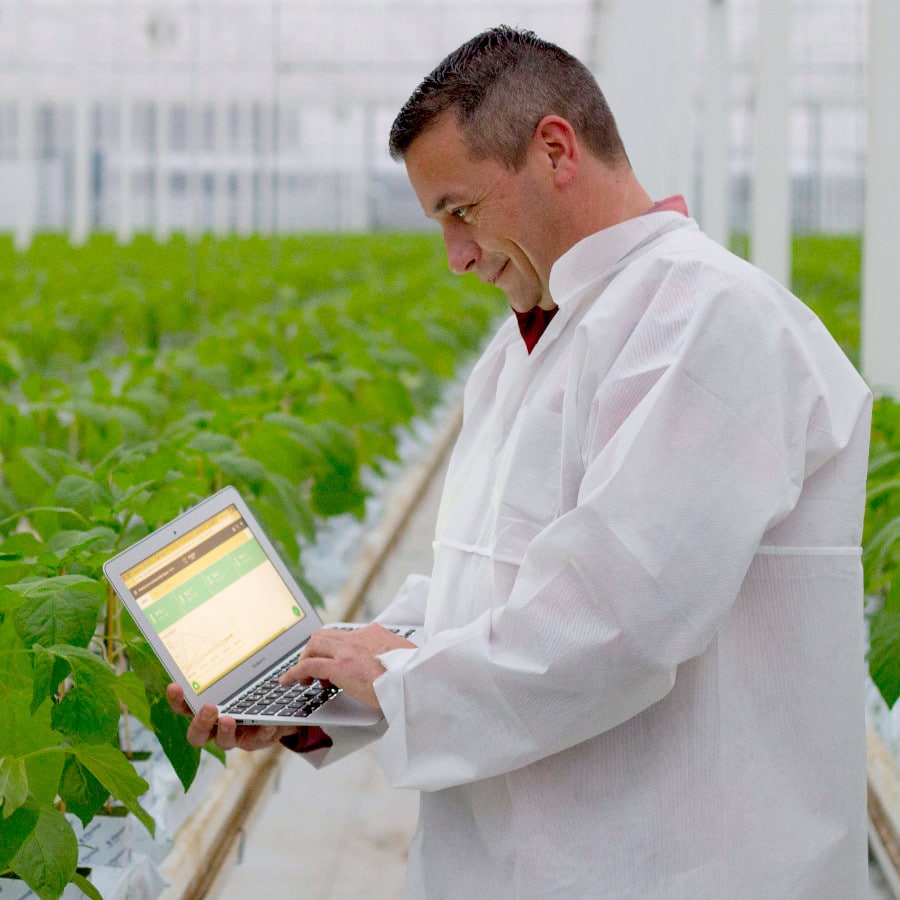
Big data is a two-way street
 Agri-TechE
We’ve been talking a lot about data this month – Open, Closed, Public, Shared, Big, Quality, Standards….all words associated with data, and all likely to result in questions about trust, ownership, value and opportunity in the agricultural sector.
It’s a given that data is likely to underpin the next agricultural revolution, so we are trying to help farmers and growers, as well as the companies supporting them, to understand how to get value from big data.
Flows of data can be viewed like a road, the Open Data Institute told us at the Big Data SIG event this month: some are open for all to use, some are paid for (toll roads) and others are private so no-one can access them. Not all data (roads) need to be very high quality, but if there are no junctions, then the different data sets remain disconnected and in silos of limited benefit. It is these “junctions” that still remain elusive.
Managing the traffic
 We’ve been seeing a lot of the ODI recently – both as speakers at our event, and also at the Sainsbury’s R&D conference.
The key question from these discussions is “What sort of data infrastructure do we need to help drive the industry forward?”
Ahead of its release of 8,000 datasets, DEFRA is going through its data assets and trying to make its published information more accessible and sift through unpublished material for gems, to help increase awareness and use of the raw data.
Michael Rose, Head of Data Engagement at DEFRA (left), discussed the plans and the challenges it faces in its drive to be more transparent and porous in the SIG meeting.
This release represents a huge opportunity – new tools, techniques and services are going to be needed which presents a call to arms to the data scientists, technologists and engineers to help develop some of the new data infrastructure – and also a culture change for the department.
Trust
 As ever, the flip side of this is the potential for mis-use of data to the detriment of those who generated it – a very real concern among farmers.
However guidelines are being set up to help develop risk assessments around the release of data sets and the potential impact of individual identification, balanced against the benefits of accessing large scale, curated data sets.
We are still a way from widespread acceptance of data sharing. Yet is it clear that community engagement about what is acceptable, desirable and possible around data sharing is going to be vital. We’ll be working with our network in the future to try and tease our some answers to these unknowns.
The key point that has emerged from our thinking this month is that data in and of itself has no value. In this age of the internet, its value will increase the more it is connected, interrogated and made to work as an asset for a business.
Post Overview
Agri-TechE Related Posts
Smart farming technology to tackle black-grass problem
Agricompas and Farming Data announced as winners of the Agri-TechE Catalyst Challenge Fund
The Inevitability of AI Quality Control

From connected devices to a connected farm: a long way still to go?
Embracing Game-changing Technology