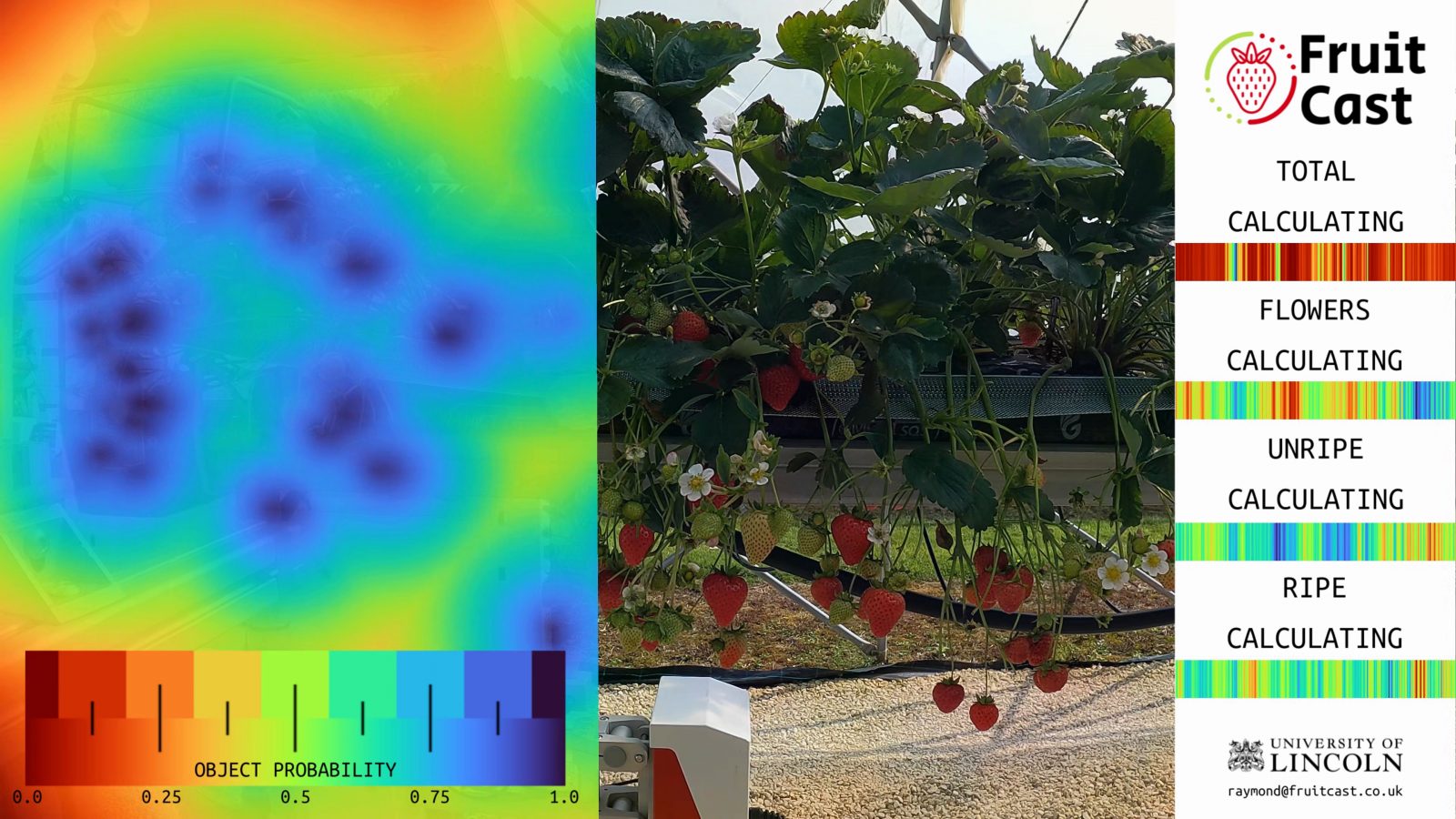
Backpack LiDAR used for the first time in field phenotyping
 Agri-TechE
LiDAR is used by the Environment Agency and others to visualise gradients and recreate 3D landscapes – now this technology is being used for crop phenotyping, to show the physical characteristic of plants obtained by breeding.
Prof Ji Zhou is Head of Data Sciences at Niab, his latest published paper explains how LiDAR has been used to provide large-scale 3D crop phenotyping in the field.
He says: “The lack of high-quality phenotypic data has prevented researchers and breeders from fully exploiting available genomic resources and this has become a major bottleneck. To address this Niab has developed the CropQuant-3D technology to provide an in-field solution for large-scale crop phenotyping for breeding, agronomic services and agricultural production.
“We utilised a backpack LiDAR device to overcome limitations in mobility and scalability possessed by other phenotyping platforms and performed large-scale phenotypic analysis to characterise key agronomic traits such as crop height, canopy development and 3D canopy structural changes in response to different nitrogen (N) treatments for wheat field trials, which are imperative to yield- and development-related crop monitoring.”
The LiDAR device carried in the backpack obtained hundreds of millions of 3D data points from wheat in field trials. The CropQuant-3D platform provided automated 3D trait analysis revealing the relationship between key agronomic traits with the yield and N responses.
Additionally, the CropQuant-3D platform could also provide a unified analysis pipeline to analyse 3D point clouds obtained by different sources – such as drones and gantry-based LiDAR sensors – demonstrating its great potential in large-scale field phenotyping and open-source trait analysis.
This work has been published by one of the top plant research journals, Plant Physiology in its breakthrough technology column, entitled “Large-scale field phenotyping using backpack LiDAR and CropQuant-3D to measure structural variation in wheat”.
More about Niab
Post Overview
Agri-TechE Related Posts
Norwich Research Park Innovation Hothouse winners announced
South Korea Launchpad offer to agri-tech companies at REAP
ATW22: Wednesday: Robotic dairy in action

Antobot expands expertise in Viticulture through Project VISTA
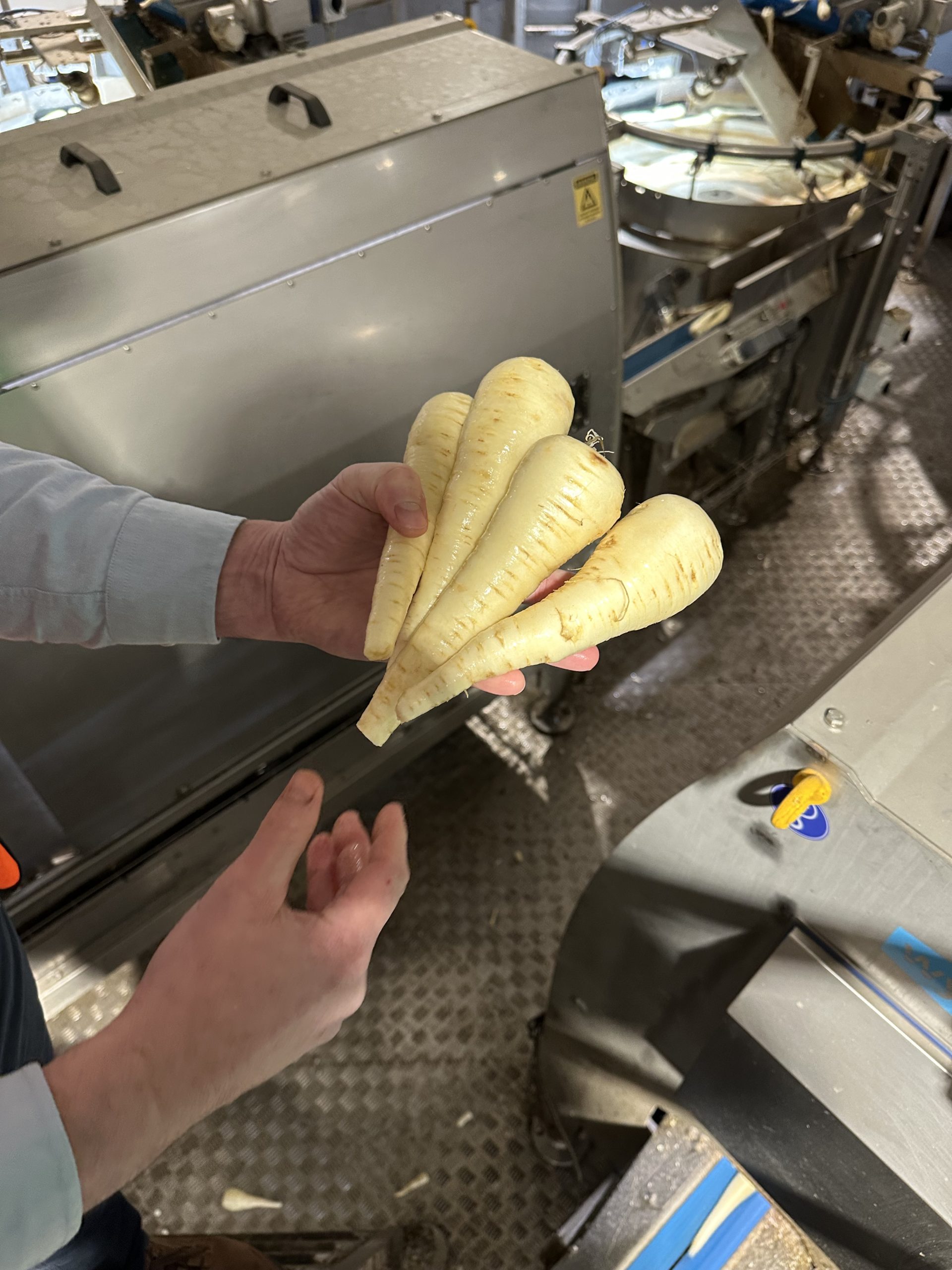
How agri-tech innovations save parsnip producer over £500k per year