Agri-Tech for Resilience, Innovation and Sustainable Ecosystems
 Agri-TechE
 Sometimes the world feels both very big and at the same time very small. Travel takes time and energy, but often, despite the distance, you discover like-minded people facing similar challenges and with huge commonalities and opportunities.
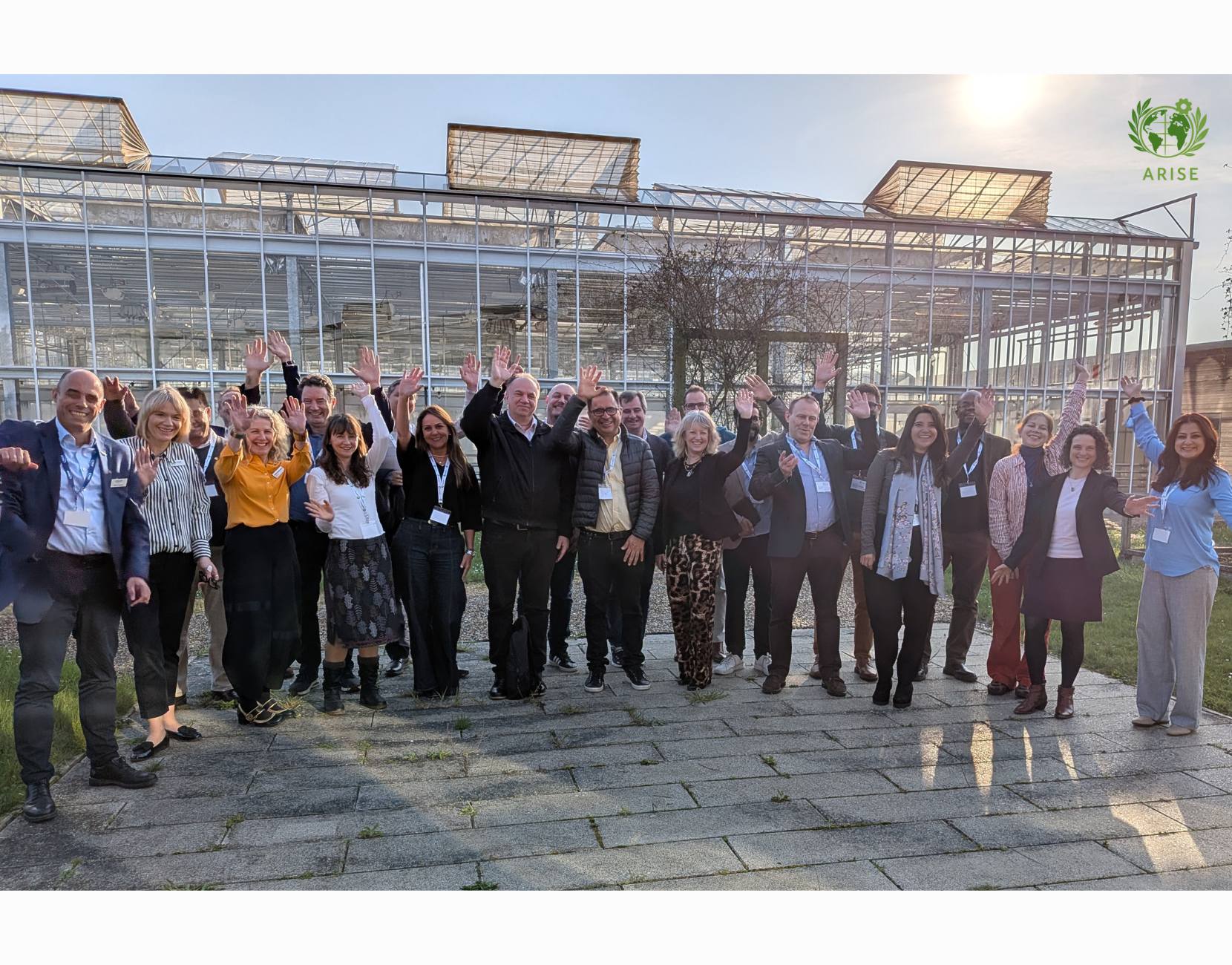
The last six months of the ARISE (Agri-Tech for Resilience, Innovation and Sustainable Ecosystems) project has seen representatives from seven countries visit agri-tech innovation ecosystems in Sao Paolo, St Louis and the UK, as part of a project supported by the British Government.

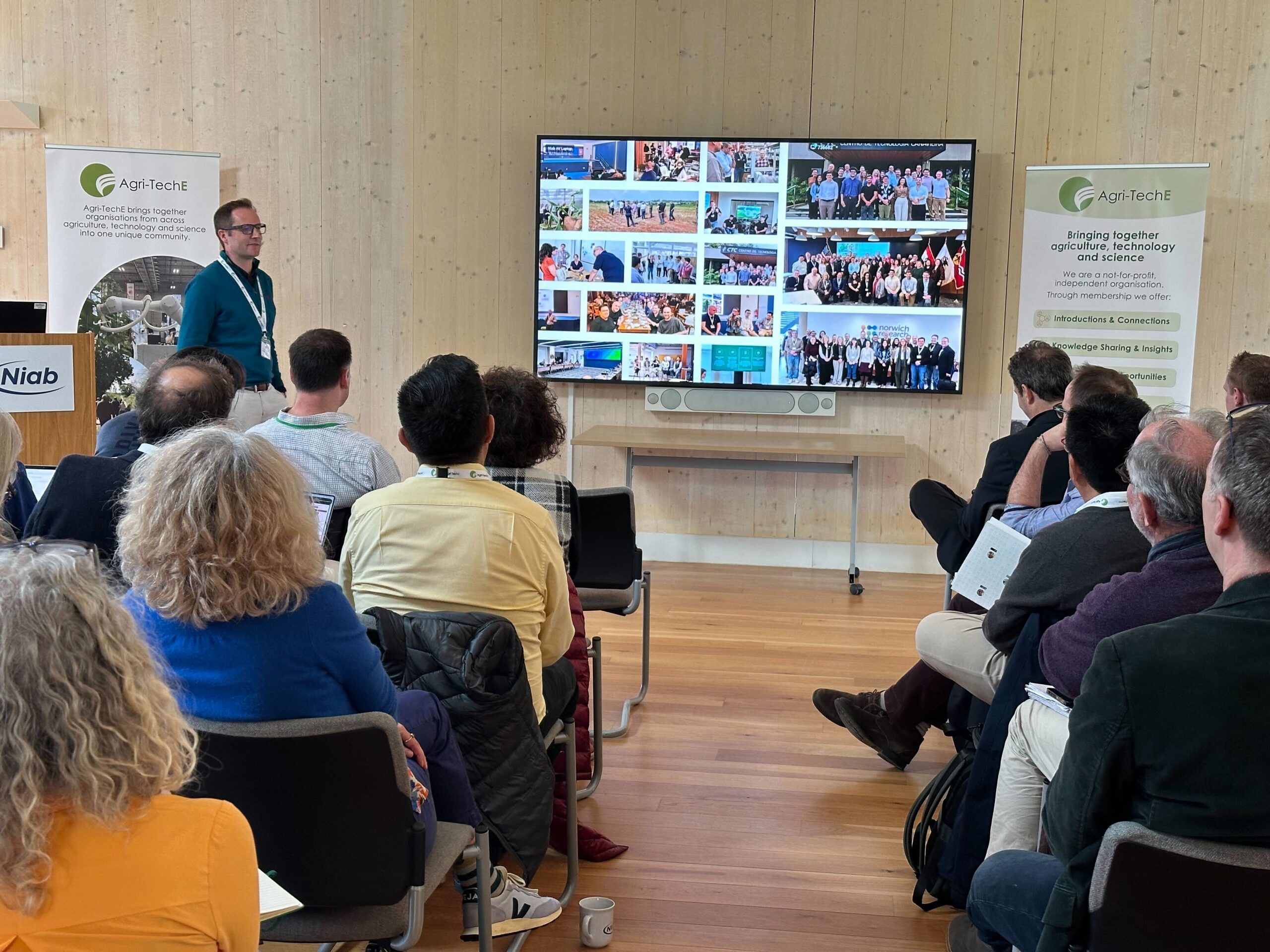
All about ecosystems
Much has been written and discussed about the key features of functional so-called “innovation ecosystems.” These include strong research capabilities, lots of big and small businesses, a pool of talented people to recruit, access to finance (both public and private), an “enabling” regulatory environments and permissive fiscal and tax positions for businesses.
When it comes to agri-tech, you also need access to pro-innovation farmers, well-briefed advisors, as well as different cropping and livestock regimes, and a range of soil types.
The ARISE project was funded by the Department of Science, Innovation and Technology to help forge collaborative links between north and south American innovation ecosystems and the UK. These included Embrapa (Brazil), agcentre (Colombia), CREA and Universidad Austral (Argentina), AgroTech (Chile), Tecnológico de Monterrey (Mexico), as well as the Yield Lab LATAM based in Brazil, and the Yield Lab Institute in St Louis, Missouri.
The aim was to pump-prime fact-finding, brokering of collaborations and building partnerships.
Same, same…..but different
What has emerged from the project was how the different strengths of the ecosystems fit together. South America has scale and diverse production systems. By contrast the St Louis ecosystem feeds into a wider community across north America with more capital and market pull. And the UK is known for value creation through world-leading research and innovation. All have their challenges which can potentially be overcome through partnerships with each other.
It’s all about the people
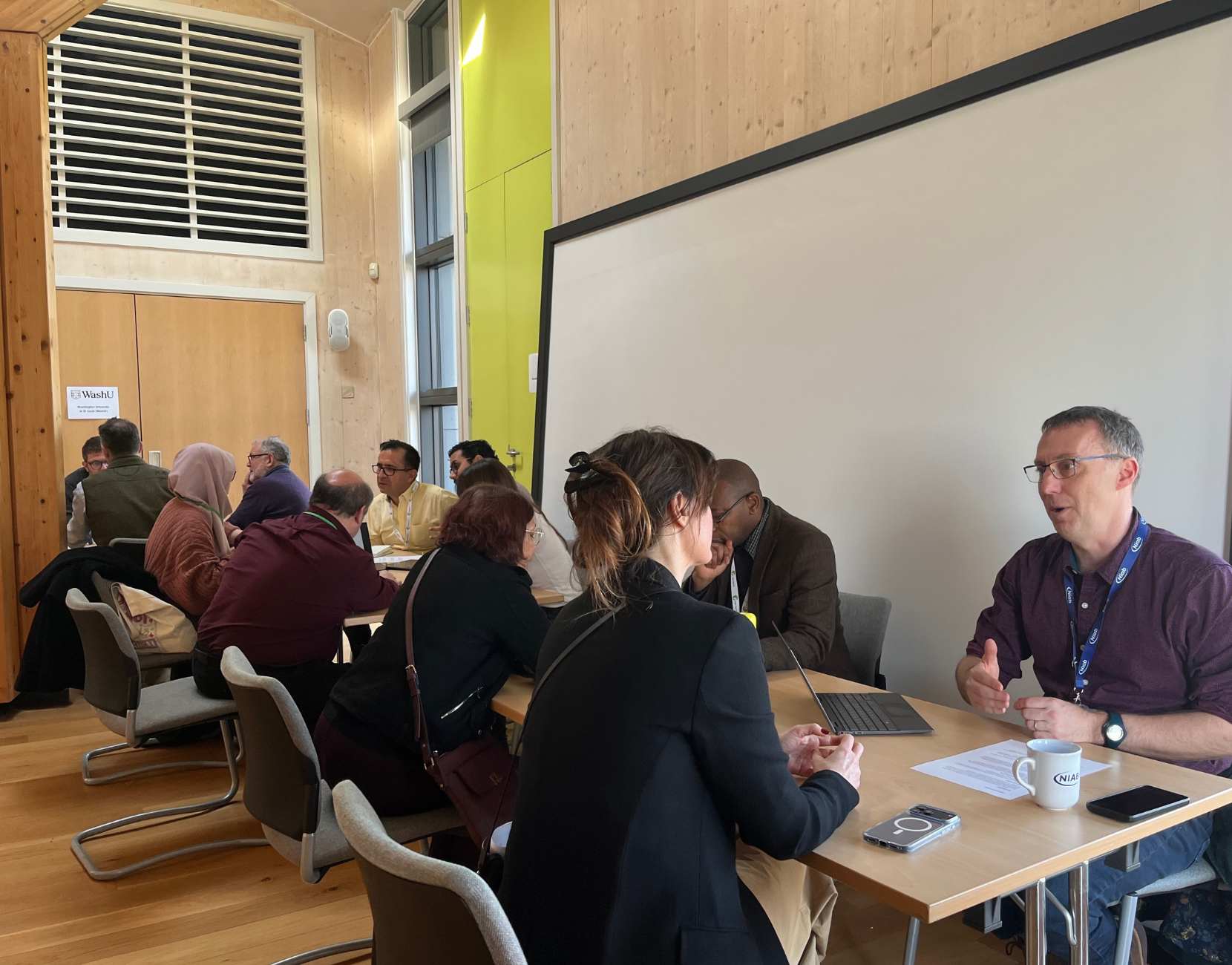
As if it needed any reinforcement, advancing the body of knowledge and practical application on farm is critically dependent on people. The closing Innovation Summit saw the wider UK agri-tech community join the international delegation – with over 80 partnering meetings held.
BBSRC and the Department for Business and Trade were on hand to speak about the UK government’s international activities, while Cambridge Econometrics AgriTierra and Earthbase showcased innovative methodologies for assessing ecosystems and the potential of the companies within them for future success.
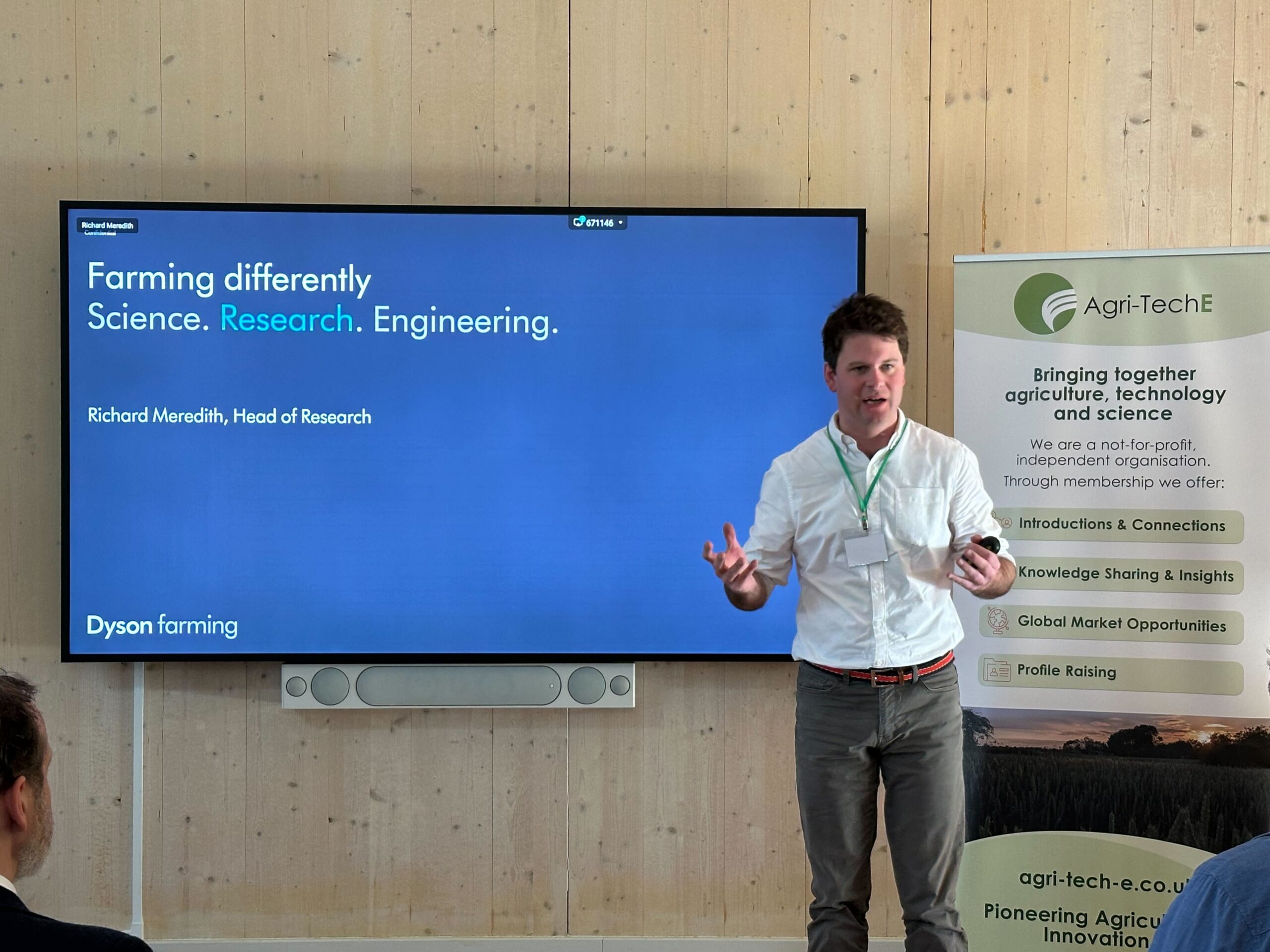
Keeping it real and grounded, Richard Meredith, Head of Dyson Farming Research talked about the innovative approaches the UK’s largest farming company is taking around technology adoption and increasing the productivity and sustainability of agriculture.
These included:
- Find your USP and leverage it – stand out from the crowd
- Understand your market and your role within it
- To really make a difference, you need the right people in the room, each with something to offer and a matching need.
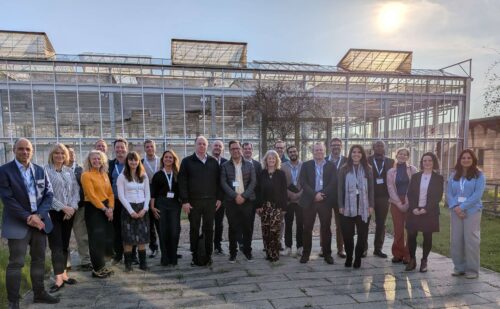
Thank you to all the ARISE delegates and host organisations and all the attendees of the Summit.
Post Overview
Agri-TechE Related Posts
Next-gen vertical farming, sensors and energy generation showcased to US Midwest State Legislators
Does Agri-Tech need Duolingo? Or even Trilingo?!

Green transition of Danish Agriculture and reshaping the landscape
North Carolina a richly diverse agriculture and home to the Research Triangle Park

#AgriTechIsGlobal and we are open for business