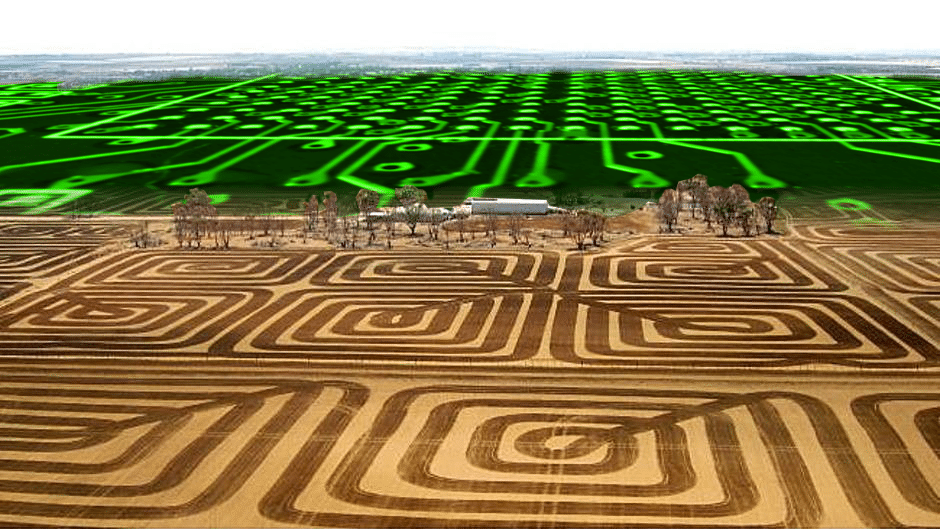
AbacusBio believes the Precision Breeding Act presents a ‘huge opportunity’
 Agri-TechE
 Choosing the right livestock breed/line or crop variety is crucial to any farming operation. However, increasing pressures from climate change, which continue to impact disease and yield, are making these decisions more important than ever.
In this month’s member spotlight, we talk with Tim Byrne, Managing Director of AbacusBio International Limited, about how the 2025 Precision Breeding Act might provide a solution for climate-resilient agriculture.

Growing up on a beef and sheep farm in New Zealand, Tim has firsthand experience with the essential role genetics plays in the production system. Now, as Managing Director for the agri-science consultancy firm, AbacusBio International Limited, he’s keen to help others with their own on-farm decisions.
AbacusBio centres its business on genetic improvement, with a broader offering of economic and sustainability impact assessments, business case development, financial modelling, and strategic agri-business planning. The company has offices in the UK, New Zealand, Canada, and Australia, helping various businesses make informed decisions.
“It’s hugely important that farmers consider the value that genetics can add,” Tim says.
He notes that incremental, cumulative, and permanent improvements in plant varieties or animal populations deliver profit and sustainability outcomes for farmers and the wider supply chain.
“There’s evidence across multiple industries indicating the impact we’ve had. Our advice has influenced somewhere near 14% of the global arable crop land,” Tim says. This influence has come from AbacusBio’s work with their largest client, Bayer Crop Science.
The Precision Breeding Act – what does this mean for the future of agriculture?
The 2025 Precision Breeding Act covers genetically modified crops in the UK and, according to Tim, represents a ‘huge opportunity’ for UK agriculture to adapt to climate change and boost competitive advantage in plant production.
He points out, “We know we need climate resilience, we know we need disease resistance. The Precision Breeding Act and associated regulations enable the industry to accelerate outcomes that would otherwise be achieved through conventional breeding, helping deliver traits we already know will be critical in the future.”
Tim explains that climate change in the crop breeding system increases production pressures: “With more climate variability, there’s likely to be diseases that appear that are not present now.”
He adds, “The Precision Breeding Act, and genetic improvement in general, offers additional tools for the industry to respond to those challenges. For instance, produce more resilient crops that are resistant or tolerant to diseases.”

Integrating precision breeding into traditional programs
When it comes to precision breeding, Tim says AbacusBio can offer the right guidance and support.
“We have a huge amount of experience and expertise in designing and running breeding programs in all sorts of different contexts, in many plant and animal species,” Tim says.
“One important consideration is how precision-bred organisms should be included in traditional breeding programs, or how the information on precision-bred organisms should be included in traditional breeding programs.
The role of AI and data
Alongside the Precision Breeding Act, Tim highlights how AI and data management will shape future agricultural decisions, stressing the importance of expert guidance to maximise their benefits.
“We’re in a very fast-changing environment, which holds true for the climate and the physical environment. It also holds true for the geopolitical, trade, and regulatory environments, and because of that, information and data are key in driving decision-making.”
“Having the right advice, combined with flexibility in strategic decision-making, is critical, especially in an environment where conditions and priorities can change rapidly,” says Tim.

“We’ve had some nice connections made through the Agri-TechE platform.
We’ve had conversations with some local breeding organisations and agri-tech businesses. So, it’s been really beneficial from that perspective.”
Take a look at AbacusBio’s page in the Member Directory to find out more or to get in touch with the team.
Post Overview
Agri-TechE Related Posts
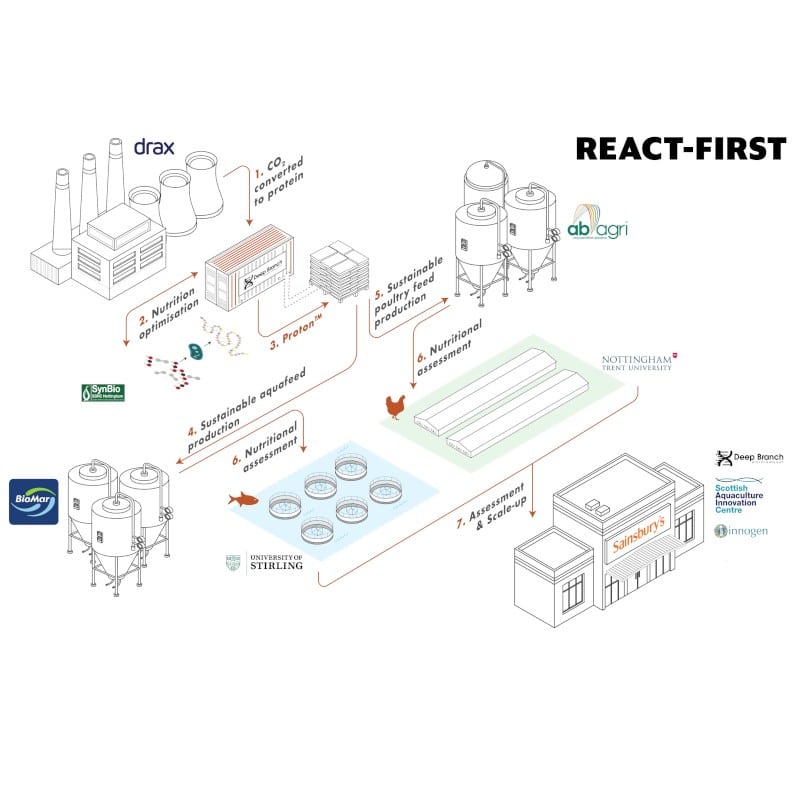
Deep Branch technology to create protein from waste gas in REACT-FIRST project

Crop17 to support development of medical cannabis
UK researchers use aeroponics to boost B12 in pea shoots
Trials show CLAWS robot can accurately target weeds with killer beam
ATW 2025: Pioneer Gene-Editing in Agriculture