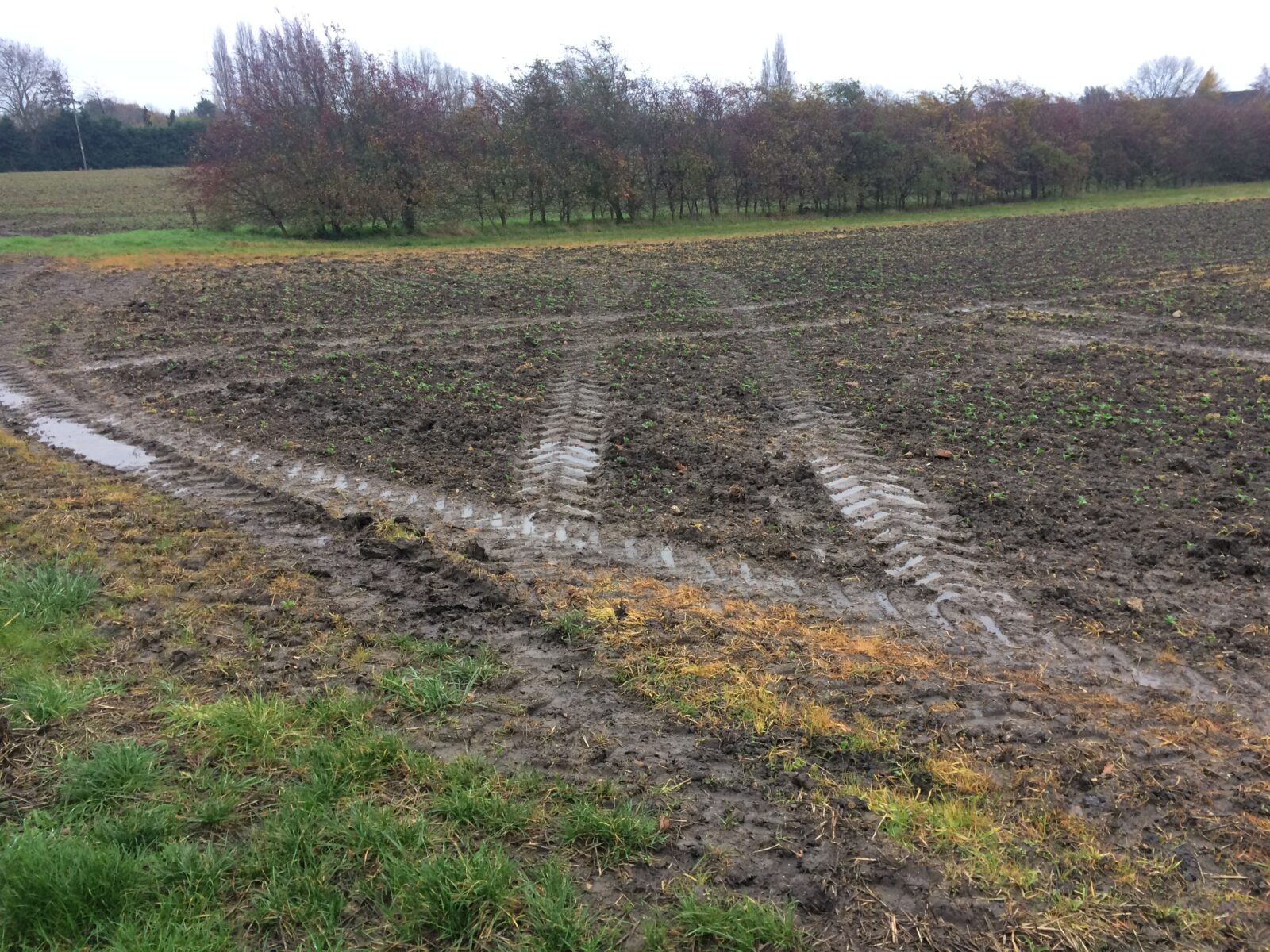
New project to benefit net zero targets, soil health, biodiversity and agriculture
 University of East Anglia (UEA)
Researchers at the University of East Anglia (UEA) have received a share of £14.5 million in funding to support projects that seek to revolutionise agricultural practices, land use change and soil health in the pursuit of a more sustainable future.
Five projects have received the funding from UK Research and Innovation (UKRI) and government partners, under phase two of the Transforming Land Use for Net Zero, Nature and People programme (LUNZ), which aims to boost the UK’s efforts to achieve net zero emissions by 2050.
The three-year, £4 million UEA project – OpenLAND – will see researchers carry out an evaluation of climate-resilient interventions for land management and soil health that could benefit net zero targets, biodiversity and agriculture.
The work will be led by Professor Rachel Warren of the Tyndall Centre for Climate Change at UEA, and Professor Brian Reid from the School of Environmental Sciences. It will create a validated, UK-wide, spatially explicit integrated modelling framework to evaluate potential net zero pathways.
The project will extend the capability of the OpenCLIM modelling framework, which was developed with previous UKRI funding. This will be achieved by ground-truthing soil carbon and soil health using empirical data and by developing and trialling robotic monitoring for measuring and verifying soil carbon and health.
“OpenLAND will use computer models to look at how the way land is managed in the UK can contribute to net zero,” explained Prof Warren. “It will map out plans for land use management that combine carbon storage, restoration of biodiversity and sustainable agriculture.
“We will use the computer models to quantify and map the relative merits and effectiveness of alternative land management plans with stakeholders to assist them with their decision making. A unique aspect of the project is that we will calibrate the computer models with measurements of carbon stored in the soil at a number of field sites in Norfolk and beyond.”
Read the full article here
Post Overview
This story has been submitted by an Agri-TechE member.
Related Posts

A Valuable Forward Look Into £53m Farming Innovation Funding
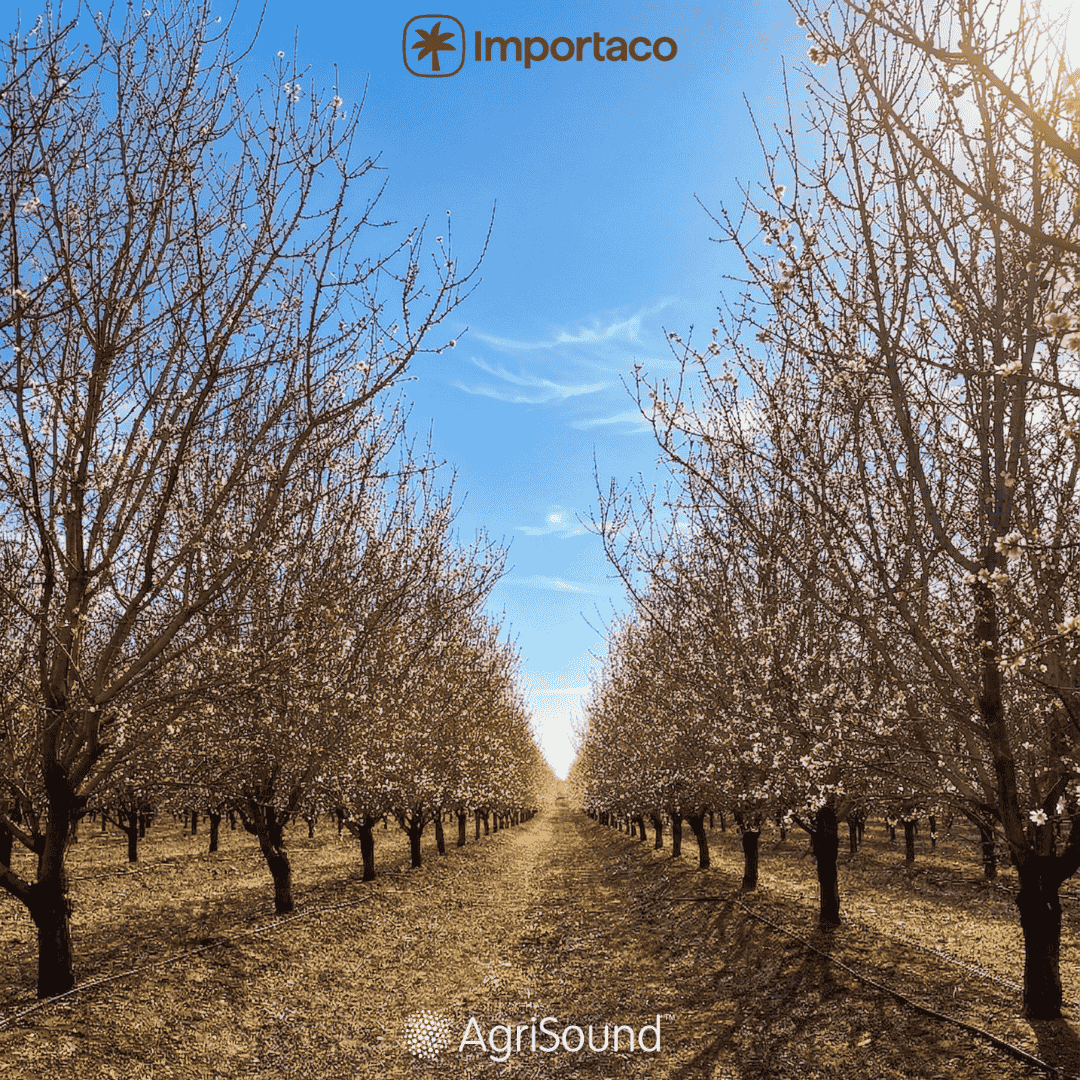
International food group Importaco partners with AgriSound on regenerative almond farming project
£53 million investment into the Farming Innovation Programme & how Ceres can help
Biographica raises £7M for AI-driven crop design and expands partnerships across global seed industry
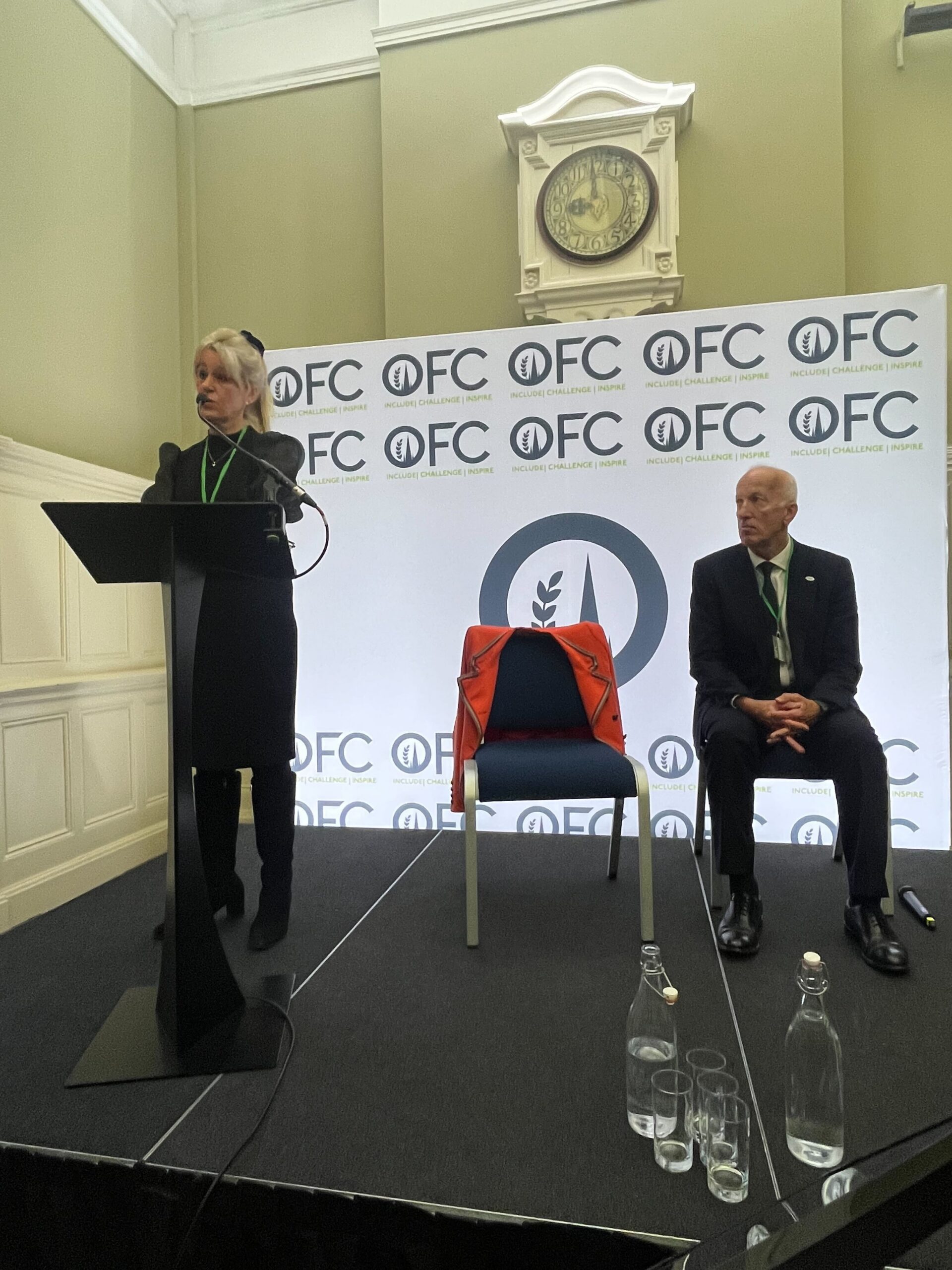
“Diamonds in a Paper Crown” at the OFC 2026