REAP 2024’s eight picks for the future of farming: the start-up showcase is revealed
 Agri-TechE
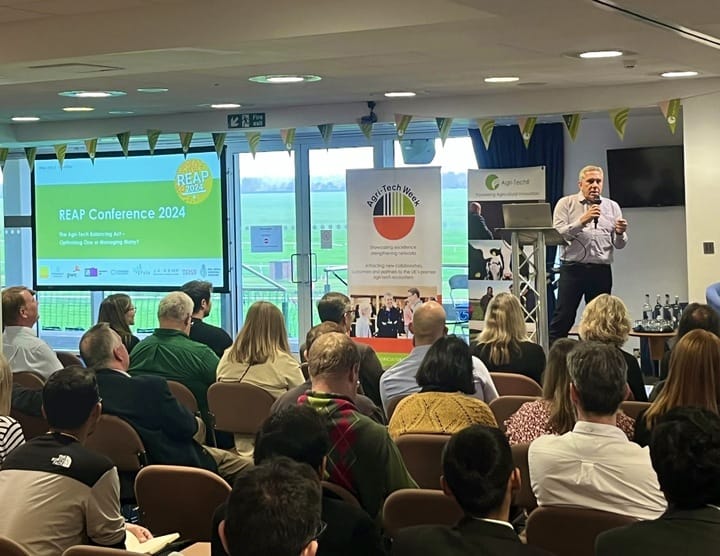
 Each year, the Start-up Showcase at REAP celebrates exciting new technology companies in the sector.
Companies presenting at the Start-up Showcase have gone on to raise hundreds of millions of pounds in funding, and several have become established parts of the agricultural ecosystem in the UK and abroad.
While the line-up remains a closely-guarded secret until the big day, 2024’s cohort offers ground-breaking innovations in food technology, protected crops, animal husbandry, and the fruit and horticulture sectors.

We are pleased to reveal our eight Start-ups for 2024.
Versatile RobotX
Versatile RobotX creates innovative and adaptable robotic platforms designed to tackle labour shortages and help solve labour security, food security, and climate sustainability challenges.
Dr Vishuu Mohan says the focus is to bring versatility to agri robotics, automating the high-value, manual labour-intensive jobs while being easily adaptable to crop types like strawberries, lettuce, tomatoes, onions and growing environments.
Their two flagship products include a mobile autonomous strawberry harvesting platform, successfully trailed in traditional polytunnels and at the UK’s first vertical growing system for soft fruit at Wilkin & Son’s Tiptree.
The same robotic platform and underlying perception-action-decision-making software have been adapted to other crops and tasks – for example, seedling transplantation, float handling and lettuce harvesting.
With £4m in DEFRA funding over the last four years, they are developing a second-generation, low-cost prototype to make agri-tech accessible to smaller farms.
The company’s ABC approach (Adaptive, Biomimetic, Collaborative) offers precision and speed, potentially saving over £200k in annual labour costs with just two robots, each working 7,000 hours annually. As they work to reduce costs further, the next generation of their strawberry picker is expected to launch soon.
Dr Mohan says, “We aim to bring versatility to the industry with low-cost, multipurpose robots that replicate tasks where there’s a critical labour shortage. With challenges in food security, energy, and climate, we’re in the right place at the right time to harness robotics and AI to make a positive difference beyond lab prototypes.”


Extend Robotics
“Labour without limits. Cutting-edge engineering, come rain or shine.”
This is how Azmat Hossain, business development director for Extend Robotics, summarises their pioneering immersive augmented reality (AR) software technology that allows operators to remotely supervise, control and train robots to work on farms semi-autonomously.
Designed to tackle the persistent shortage of skilled labour, their scalable digital solution enables workers across the globe to log in and operate robots on farms remotely.
Already being deployed in a vineyard in Eastern England as part of Innovate UK funded Future Farming project, these robots can handle automated tasks, with skilled workers stepping in for those that require human expertise. The aim is to provide farms with a scalable solution that enables them to become fully digital and automated, helping farmers avoid a re-hiring process every harvest.
Through their patented compression and data streaming engine, their system can use standard internet connection and off-the-shelf accessible and affordable hardware. Extend Robotics partners with leading manufacturers, ensuring flexibility in robotic equipment choices.
With plans to expand into crops like tomatoes and strawberries, they are actively seeking farm collaborations to bring their vision of a human-robot workforce to life. They aim to deliver 24/7 automation for farms, ensuring year-round productivity and overcoming labour challenges through accessible technology.


Lambda Agri
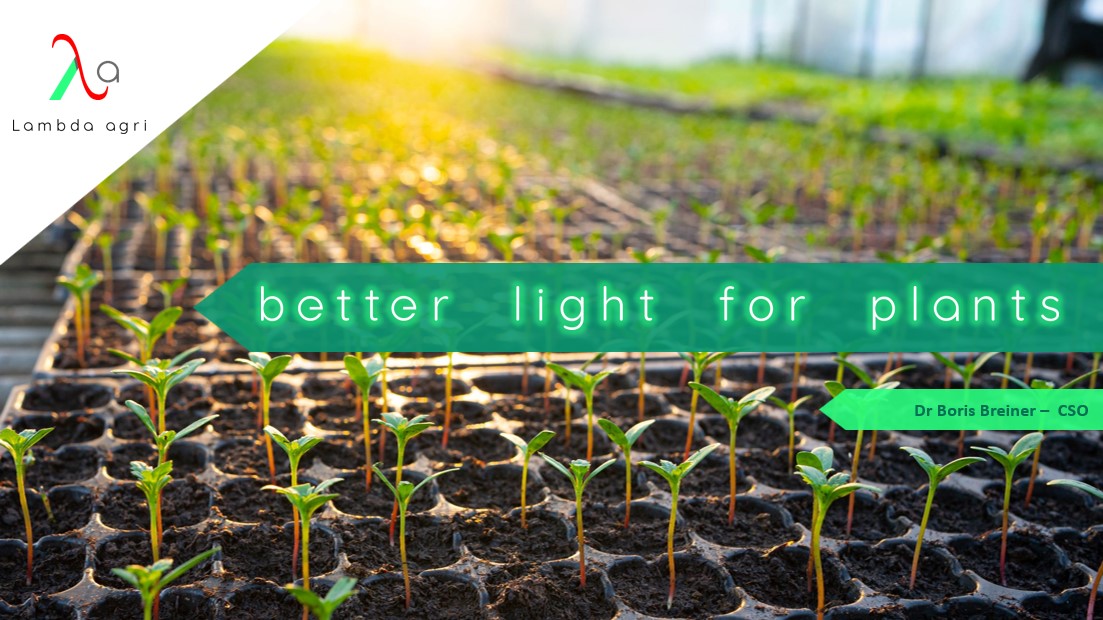
Based in Cambridge, Lambda Agri is developing innovative greenhouse solutions to optimise crop yields by enhancing the sun’s natural rays.
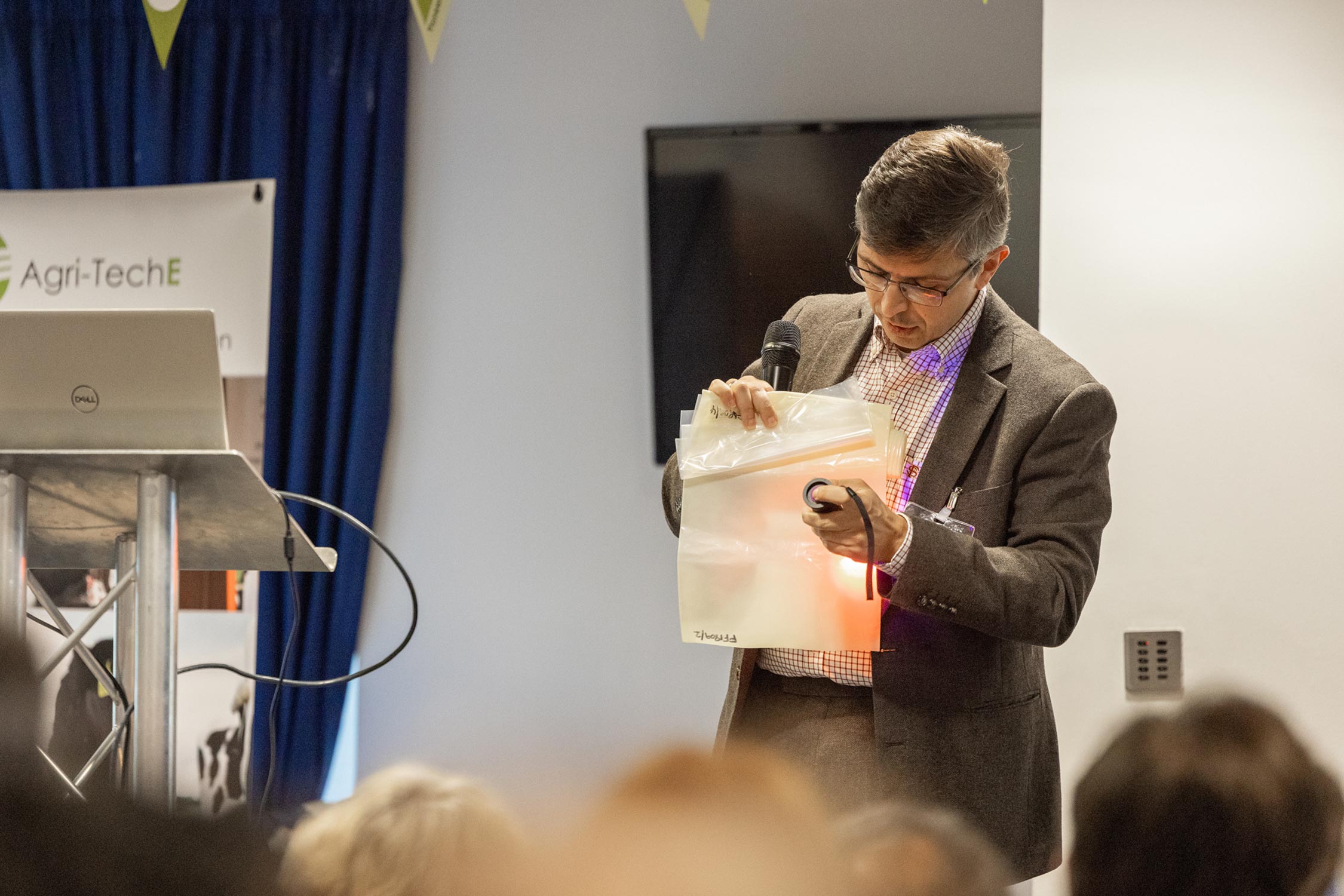
Dr Boris Breiner, chief scientific officer for Lambda Agri, explains how the technology alters the spectral composition of sunlight by converting high-energy UV light into lower-energy red light, in a process known as ‘luminescent downshifting’. This is highly effective for photosynthetic turnover as it boosts plant productivity, acting as a mechanism aiding crops to better harness Earth’s most potent resource, says Boris.
Their current project focuses on bringing a spray-on coating to market, which is applied to the exterior of greenhouses “much like painting a garden fence,” adds Boris. Early trials at Cranfield University showed promising results: basil crops achieved a 10% yield increase, while strawberries saw a 5% rise in sweetness.
Designed to last up to five years after it is applied, Lambda Agri is conducting accelerated lifetime testing to refine the product further.
The team is targeting a commercial launch within the next 12 months. They aim to offer cost-effective, environmentally friendly solutions that improve yields across various crops without causing harm to the ecosystem.
Plant Metrics
Plant Metrics is at the forefront of plant health monitoring with its SAP sensor technology, which measures ionic flow within plants and translates it into voltage readings.
The data reveals critical insights into plant water stress, nutritional stress, and certain disease states.
“Our aim is to give farmers, growers, and agronomists another layer of information previously unavailable for day-to-day farming operations,” says Dr Daniel Holland of Plant Metrics.
Current research includes trials in the USA, Israel, Canada, and the UK, with irrigation trials helping determine voltage levels that indicate drought. In internal trials, the technology detected signs of water stress before any phenotypes appeared on the plants.
Plant Metrics is also developing ionic-specific sensors to provide precise macro and micro nutrient insights, potentially replacing costly, time-consuming tissue testing. These ionic-specific sensors will also be used to explore early onset Huanglongbing disease detection in Citrus Trees in the USA by monitoring iron concentrations.
Over the New Year and into 2025, the team plans to launch a wireless setup for field trials, enabling more work to move out of the lab and into the field.

Morrow
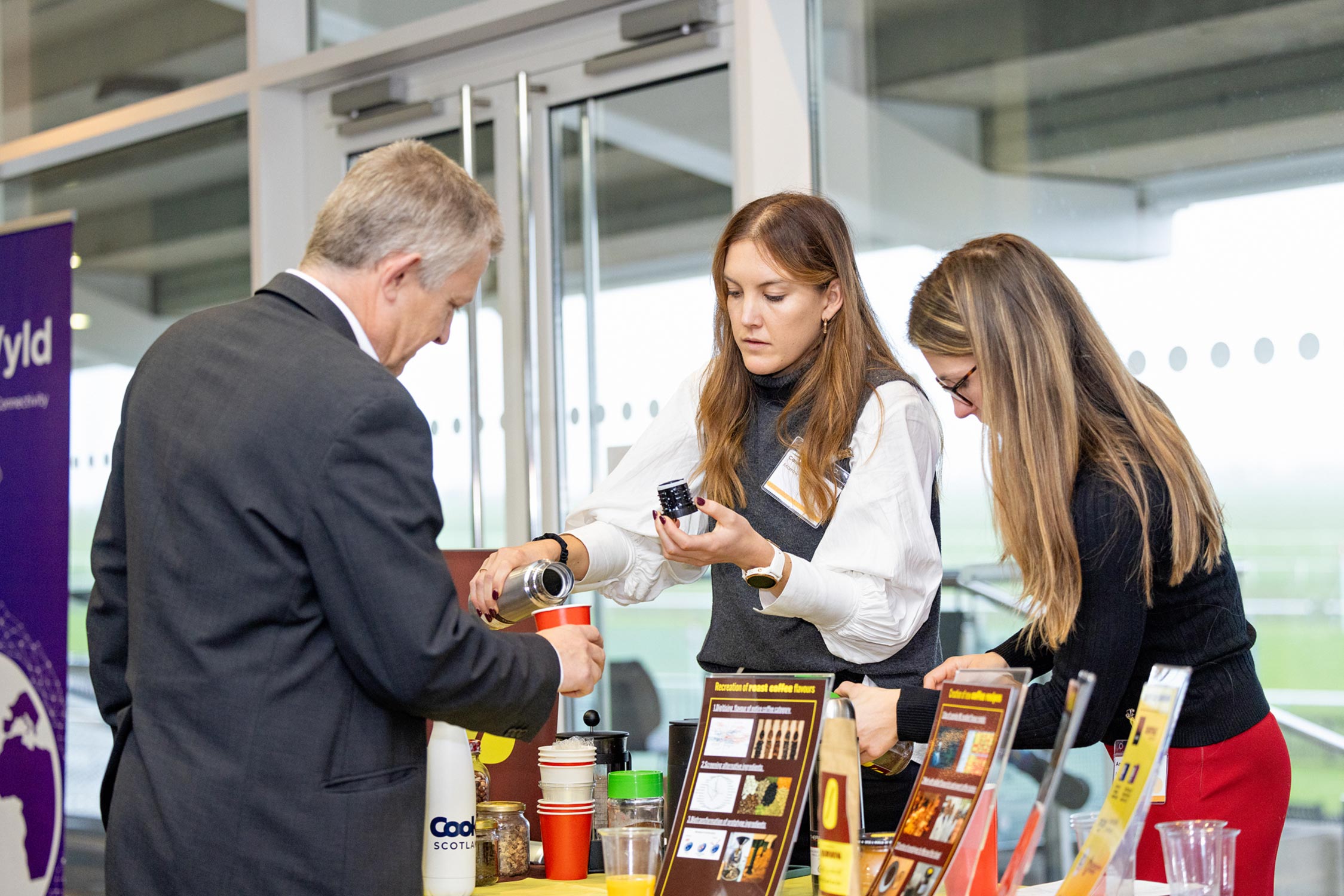
With 3 billion cups of coffee consumed daily and demand skyrocketing, supply for traditional coffee is under pressure due to growers in the equatorial ‘coffee belt’ struggling to maintain yields amongst soaring costs and increasing climate impacts.
Founded in 2023, Morrow is crafting coffee without coffee beans by upcycling ingredients like fruit pips, peels and seeds and using locally grown crops and plants sourced from regenerative farms. “It smells, tastes, and feels like coffee as we replicate the aroma and flavour of a traditional brew,” says Anna Sophie Deetjen, co-founder of Morrow.
By partnering with maltsters, growers, and distributors, Morrow is committed to meeting the demand for sustainable, locally sourced coffee alternatives while proactively combating what they foresee as a looming “coffee deficit.”
Working with Dr Ian Fisk as technical director, the team applies world-leading flavour chemistry, data-driven research and biotransformation to address the environmental challenges of traditional coffee production.
Morrow is in the final stages of product development and is planning to launch across coffee shops, food service, and direct-to-consumer channels this year. They are developing naturally caffeine-free products and exploring instant coffee blends for future release.

Fruit Cast
Accurate yield forecasting is a significant challenge for fruit growers, as even small errors can disrupt supply chain commitments and operational planning. With precise data, growers can avoid miscalculating the productivity of their harvests, which may lead to financial losses and inefficiencies.
Fruit Cast offers a scalable solution to this issue. They analyse millions of images using advanced AI and camera technology to predict fruit yields. This allows growers to confidently forecast when and how much fruit will be ready for harvest, providing reliable and critical data for reporting to supply chains and labour planning.
The delivery-agnostic cameras are designed to attach to various farm vehicles, collecting data that is transformed into clear, actionable strategies through refined software architecture.
Currently in commercial pilot with three significant growers and supported by £3M of investment, Fruit Cast’s subscription-based service is cost-effective and adaptable to various growing environments, says Richard Williamson, CEO of Fruit Cast.
As they prepare to launch commercially in 2025, Fruit Cast is poised to deliver a practical, low-cost solution to one of the soft fruit industry’s most challenging problems.
UPP
Broccoli presents a unique harvesting challenge. With a harvest window of as little as 24 hours due to weather and other factors and reliance on large teams of casual labourers for multiple harvests, growers face both high costs and significant waste. Inconsistent weather conditions can further complicate this, making it difficult to achieve steady yields.
According to Mark Evans, CEO of UPP, they have developed a two-fold solution to tackle these inefficiencies. First, their patent-protected, machine learning-powered, automated harvester reduces the dependency on labour. Rather than teams of up to 20 casual workers, one automated harvester moves up the tramlines quickly and efficiently. This technology helps farmers cut costs and minimise waste.
Secondly, continues Mark, UPP takes what would typically be discarded, the broccoli cores, and turns them into a high-protein, hypoallergenic ingredient. This plant-based protein product can be used in foods such as burgers and sausages to displace high-cost protein ingredients, offering a healthier, more sustainable option for the food industry.
Combining cutting-edge harvesting technology with a novel way to reduce food waste, UPP boosts farm profitability while meeting the growing demand for nutritious, low-cost, sustainable ingredients, adds Mark. Their future plans include scaling production and making their technology commercially accessible to farmers through a rental model.


Vet Vision AI
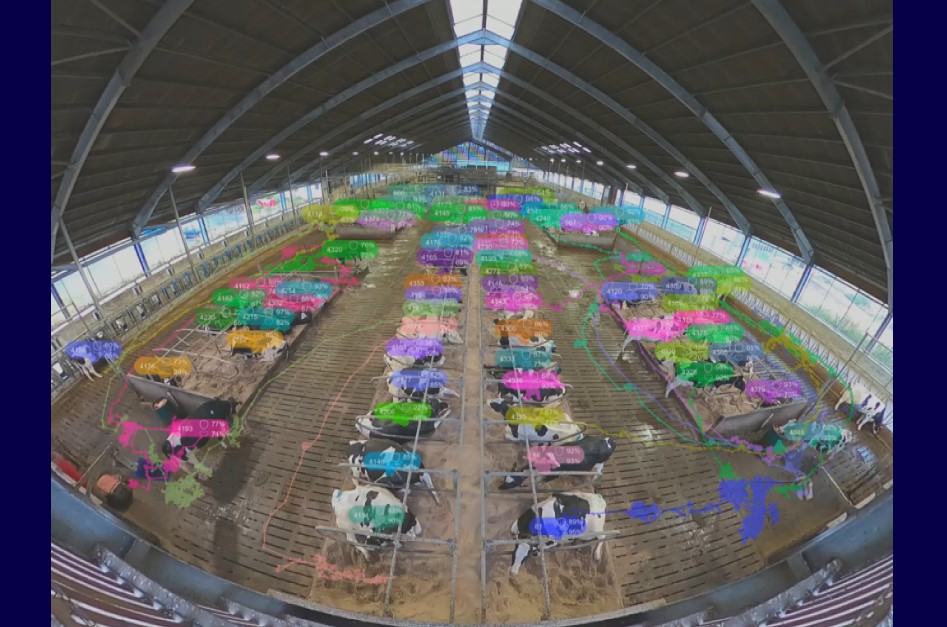
Vet Vision AI is transforming animal welfare monitoring with its innovative computer vision and AI technology.
Frustrated with unreliable sensors that did not provide consistently accurate insights into animal welfare, the team developed AI-powered cameras for continuous, detailed monitoring. “We wanted to use simple cameras combined with AI to make a positive difference to animal health and welfare,” says CEO and co-founder of Vet Vision AI, Dr Charlie Carslake.
Charlie is a qualified vet who gained a PhD at the University of Nottingham before founding the firm.
The cameras require just one week of data collection to deliver insights, tracking behaviours like feed access, lying times, and comfort levels. Data is analysed and linked to a dashboard, offering key performance indicators. Reports created are designed to help vets and farmers improve areas such as equal access to food, comfort and space usage.
“Our goal is to enable better veterinary services,” Charlie adds, noting that the system offers continuous monitoring beyond traditional moment-in-time checks. “We see potential across species and have developed an equine monitoring product that gives owners and vets insights they can use to improve their animals’ wellbeing.”
This technology helps animal owners enhance welfare and performance, enabling vets to broaden their services. It also supports supply chains with transparent, actionable data for high-welfare livestock production accreditation, explains Charlie.
“Developing low-cost, low-infrastructure ways of delivering high-value insights to help improve animal welfare,” says Charlie when summarising the goal of Vet Vision AI.

Post Overview
Agri-TechE Related Posts

REAP Conference Bursary
Internet of bees – Wyld Networks at insect-tech event

Groundswell 2022: soil-first agriculture
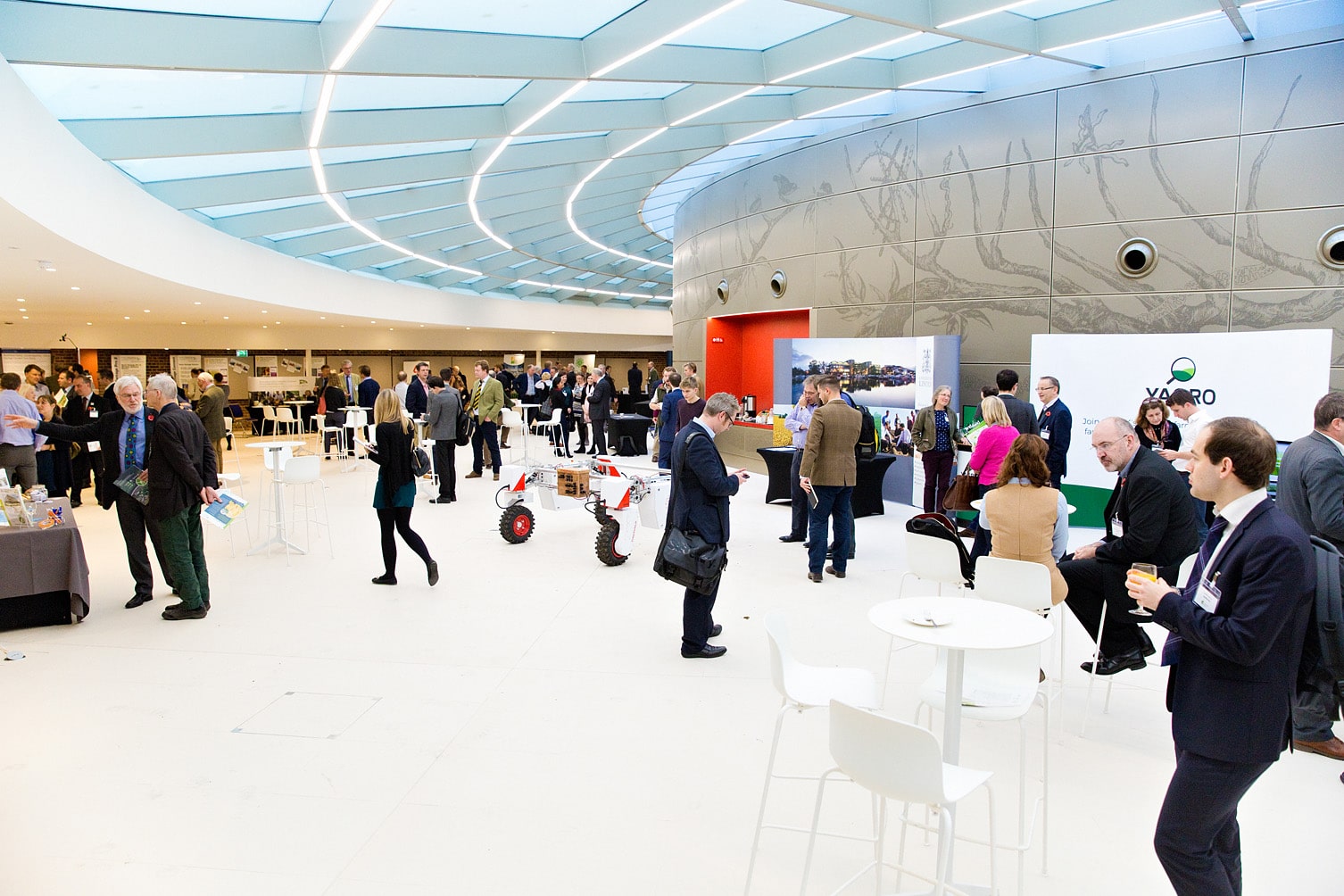
REAP Conference 2022 exhibitors

New AI modelling to mitigate risk for food production