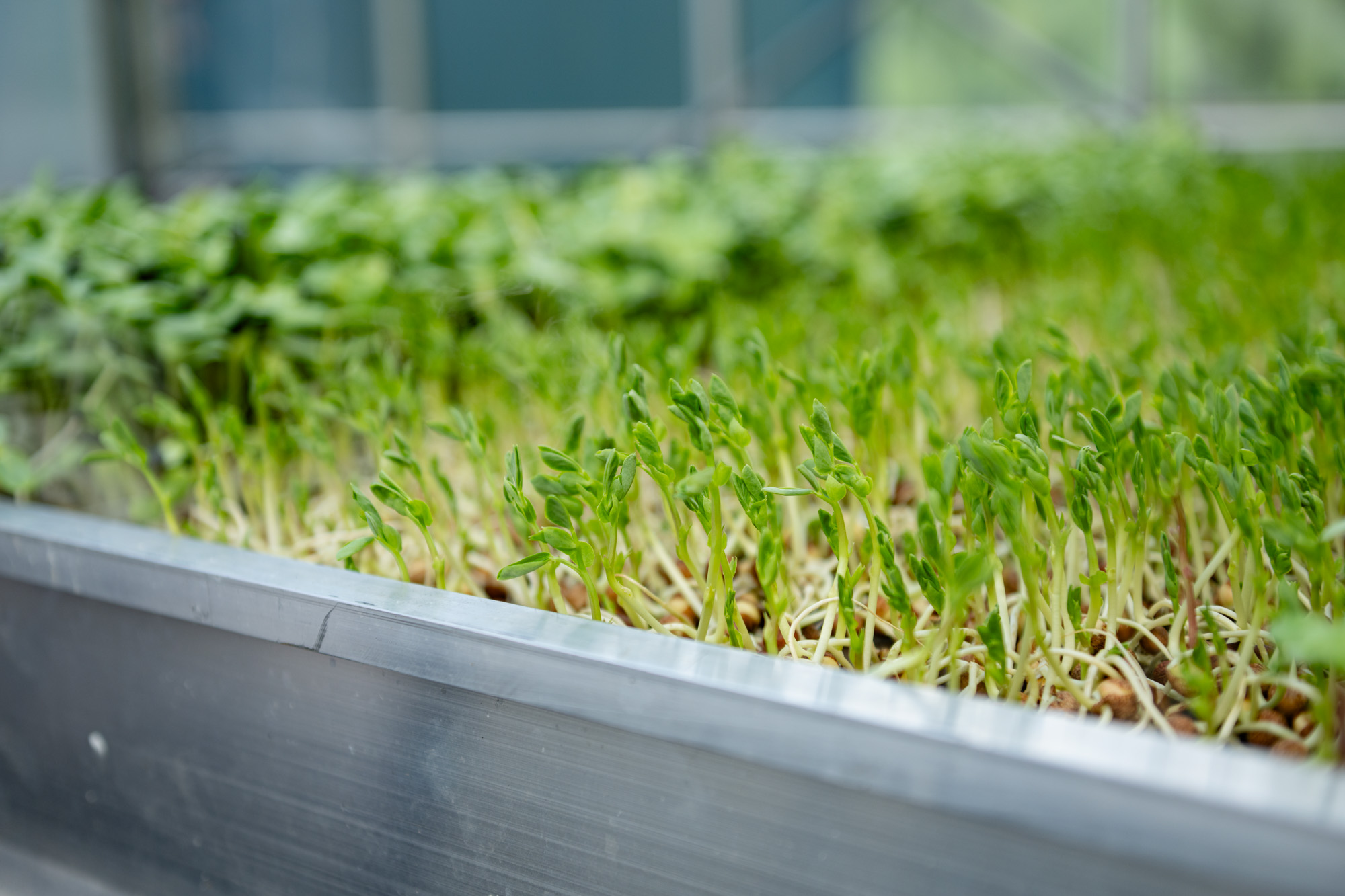
CEA as a Technology Proving Ground with LettUs Grow
 LettUs Grow Ltd.
As part of our “Back to the Future” project, we’re asking Agri-TechE members to reflect on how the agri-tech industry has evolved over the past decade and to share their vision for the next ten years. By compiling these insights, we aim to create a powerful outlook on the future of agriculture, a compelling call to arms for the industry driven by the diverse perspectives of our community.
This submission is part of the collection of reflections and predictions from our members, offering unique perspectives on the industry’s past milestones and future directions. Each contribution adds to a broader dialogue about the innovations and challenges that will shape the next decade in agri-tech.

Introduction to Jack Farmer & LettUs Grow
Jack is a plant scientist and specialist in aeroponic irrigation systems and their application within controlled environment agriculture (CEA). He co-founded LettUs Grow alongside Ben & Charlie back in 2015 to contribute to the development of controlled environment horticulture and their vision for a sustainable food system for people and planet.
LettUs Grow is an innovative agricultural technology provider based in Bristol, UK. They believe that careful innovation in farming can make the world a better place. LettUs Grow’s ultrasonic aeroponic irrigation systems allow growers to increase productivity & efficiency whilst minimising environmental impact.
Outside of the day-to-day Jack is passionate about the use of agriculture, ecology, and the circular economy to bring about a more sustainable future. He is always looking to promote cross-industry collaborations based on sound science, climate impact and evidence.
What do you think is the game-changing tech development we’ve seen in the last 10 years?
The first thing to state regarding the CEA industry is that it’s a remarkably innovative and strong performer in terms of productivity and financial performance within wider agriculture: operating with minimal subsidy within a UK context. The majority of tech development within the sector is by design around chasing incremental performance improvements – the 5 – 20% increases in yield, quality and/or growth rate that together lead to significantly higher yields overall. This is true across high-tech glasshouse and vertical farming, alongside to an appropriate extent across medium-tech vented polytunnels.
Beyond our innovations in the root zone, alongside peers such as Molear, I would give a shout out to tech companies such as Vivent, 2Grow and Gardin in bringing cost effective biometric sensors to the industry that allow us growers and plant scientists to evaluate crop behaviour and productivity in real-time, rather than waiting harvest to harvest. This is genuinely useful tech and rapidly reduces the time required to take crop steering decisions – empowering a grower to deploy their expertise over a wider area with less (but still many) crop walks.
What’s the biggest challenge to widespread adoption?
Technology adoption in our industry is by its very nature, slow, as almost everything new and useful has hardware involved. Growers have been sold yield-boosting promises since the dawn of time, so naturally most have to trial a technology before major adoption, which slows down progress. This means that all agritech startups need to keep their costs low, minimise overheads and find the fastest, cheapest path to getting their actually novel tech into grower hands – likely by outsourcing manufacture to an existing incumbent.
Lastly, being a tough (low margin) business, there isn’t a massive slush fund for most growers to spend on R&D and/or tech. Hopefully this will be addressed in the future with more government funds being directed to growers to trial technology and validate its performance. There is really good pathways for funding (public and private) technologies to commercial readiness, now we need to see actual state funding for UK growers to trial them – if the tech work this will validate mass adoption, improved performance, and advance the competitiveness of our whole UK industry.
What do you think is the most exciting thing we’ll see in 10 years’ time?
Whilst so far this has focused on plant-level technologies that improve productivity, the genuinely disruptive technology that seems ready to come down the track in the next decade is most likely semi-autonomous robotics entering the CEA growing operation – matching the existing expertise in packhouse automation. Once these machines are in operation and becoming competitive with seasonal labour then this dramatically reduces the exposure of the industry to the vagaries of the international labour market.
As with all new technology, growers will need to keep a very keen eye on keeping many competitors in the market to prevent any provider forming a monopoly – particularly if the government uses these innovations as an excuse to minimise seasonal labour visas. Leasing of robots also could prove a useful model (particularly for the startups) but may expose growers to longer term price inflation, versus the high CapEx of robot acquisition once the tech is mature enough. It will be very interesting to see how this plays out!
Related Posts
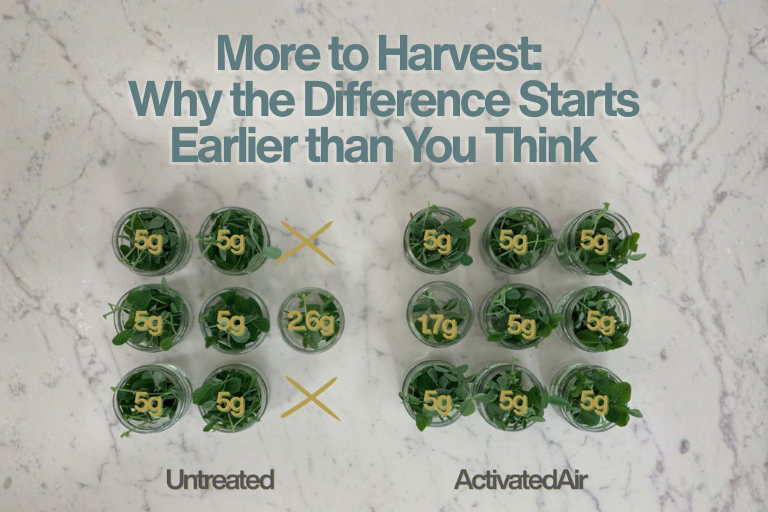
More to Harvest: Why the Difference Starts Earlier than You Think

Why Human Factors Will Drive Business Growth in 2026
Our Week in Agri-Tech Podcast
Agri-Chat Podcast

Farming Update – October