Are we missing a trick?
 Agri-TechE
 The future agri-tech workforce is ready and waiting…
Laura Bouvet, Knowledge Exchange Manager at Agri-TechE describes her career path and the benefits she received – and offered – through industry work experience.
Postgraduate studies traditionally focused on training researchers to do research and work in Academia. But with only a small proportion of students continuing in the sector, the landscape has changed significantly in the last decade.
There is now a larger focus on providing students with skills and experience to go on to work in Industry as part of Doctoral Training Partnerships, for example. These offer students the opportunity (and the money through a continuous stipend) to gain work experience in a different field and environment through Professional Internship for Postgraduate Students (PIPS).
And that’s what attracted me to my PhD.
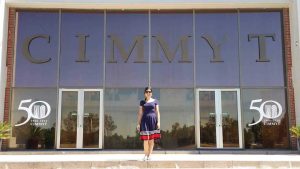
Back in 2016, I was enrolled on the Cambridge Biosciences BBSRC Doctoral Training Programme (I know, it’s a mouthful!) and was looking for an organisation to do my three months’ PIPS.
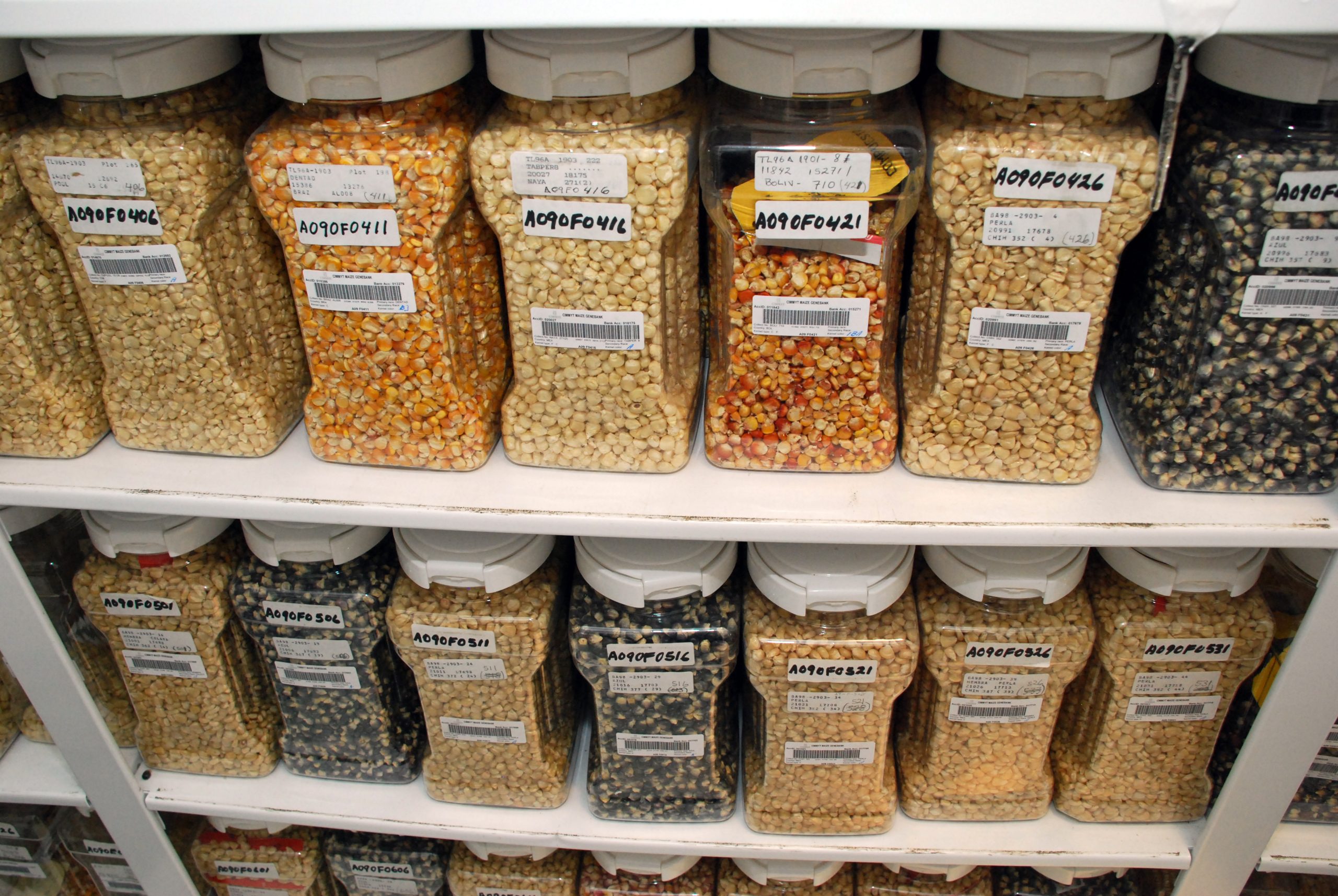
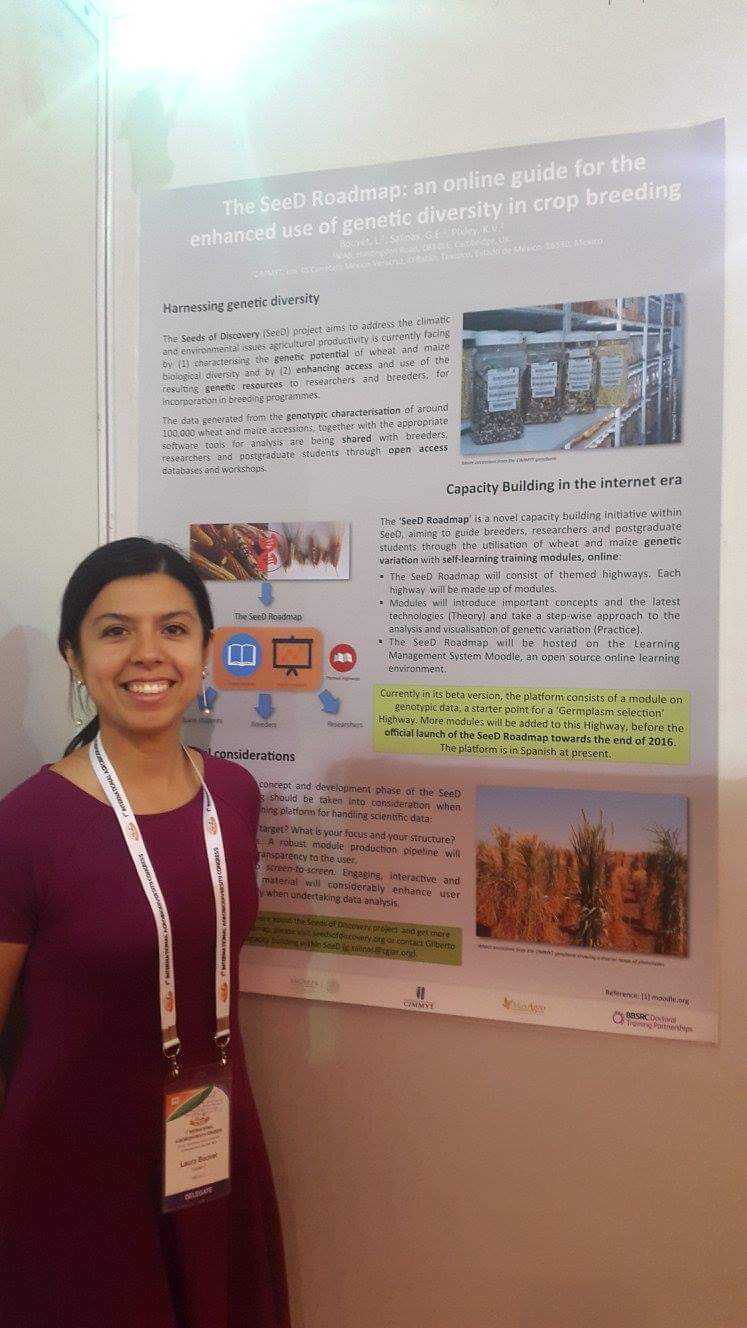
I set out for CIMMYT, the International Research centre for Maize and Wheat in Mexico, as I had a fascination for their seed conservation work (and have family from there!). There, I mapped out pilot online training modules in genetics and genomics for scientists. These would complement in-person training, so that more scientists could access and make use of the wealth of genetic data available from CIMMYT’s maize seed bank.
How can it benefit your organisation?
Early-careers researchers, whether Masters, PhD or postdocs represent an untapped pool of skills and experience for innovation in agriculture.
For many organisations, PIPS and other types of student/researcher placements can be a good door opener to knowledgeable and motivated individuals to support ongoing projects, to help complete timely activities or kick off a new collaboration.
At Agri-TechE , we have benefitted from the research skills that Erica Hawkins a postdoctoral researcher at the John Innes Centre. Erica was brought in to work on a digital transformation project with the UEA in 2022.
Across the three research councils that fund Doctoral Training relevant to agriculture and agri-tech (BBSRC, EPSRC, NERC), organisations can benefit from a wide array of technical skills, from computer science to plant science, data science, engineering and animal science – to name a few!
But researchers’ skills extend beyond their topical area of expertise. During my PhD, I was also:
- Project manager
- Trials coordinator
- Data scientist
- Communicator
These are all transferable skills that I brought to CIMMYT. Skills that most postgraduate researchers will have and that organisations can benefit from. With the added bonus of a fresh perspective and bucket loads of youthful motivation!
Whatever your area of expertise, it’s likely that you’ll benefit from a fresh and different perspective, and who knows, maybe even your next recruit.
I found my way to my PIPS host, maybe it’s time for you to explore the benefits of being one?
Here you can find further information about the different types of postgraduate student placements and how they can benefit you. If you have any projects in mind, please contact us so that we can put you in touch with suitable universities.
Post Overview
Agri-TechE Related Posts
Introducing the Ceres Innovation Group

Government consultation on updated Nutrient Profiling Model (NPM) for advertising and promotion restrictions
A trip to the Tees Valley HQ
How we support the creation of new businesses from early-stage science-based research

How the EU is re-shaping the regulation of gene-edited plants