Celebrating a decade of agri-tech innovation
 Agri-TechE
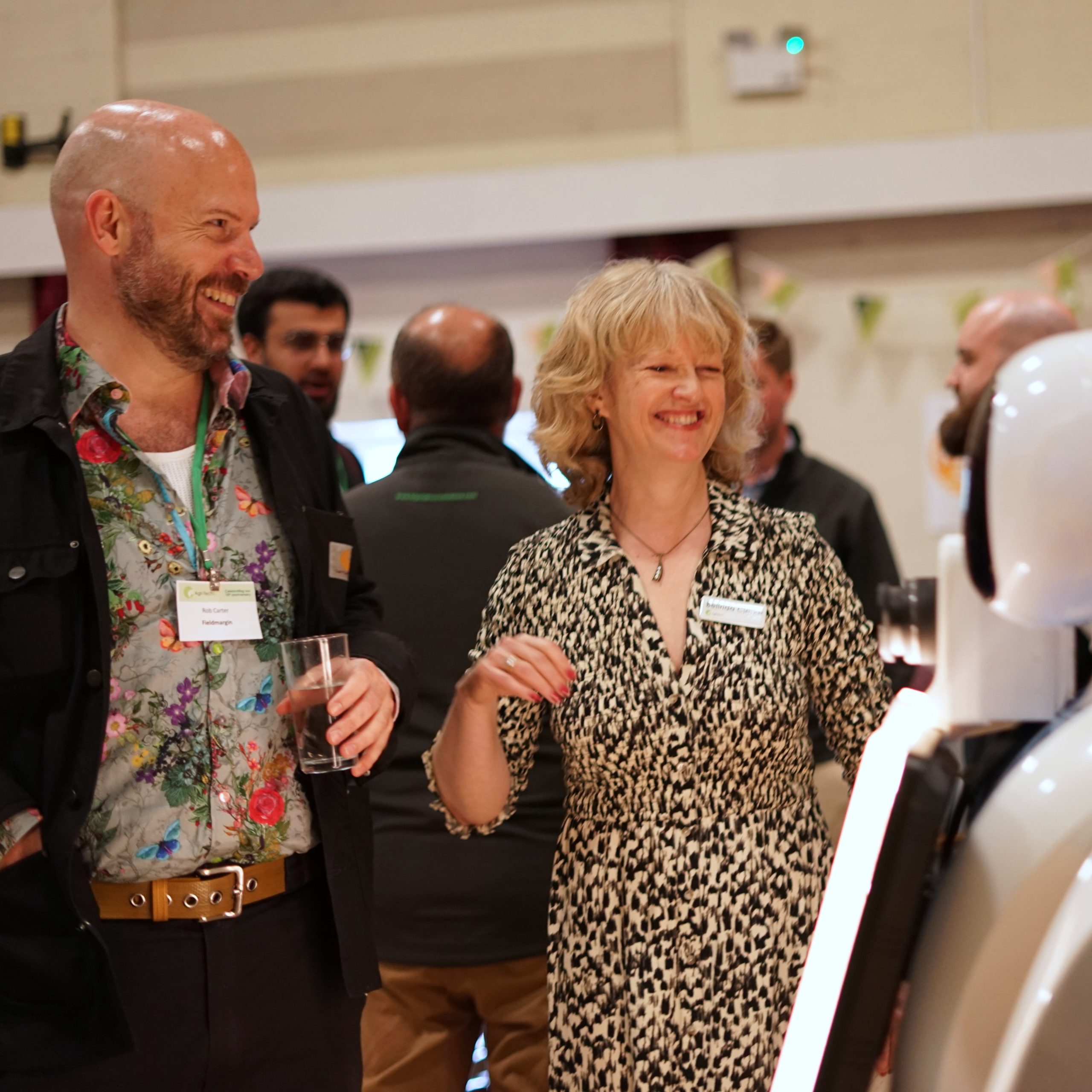
 Expert industry foresight, food system futurology, and the chance to think like a farmer – the diverse Agri-TechE membership has marked its 10th birthday, with the help of a robot, and cake.
Dr. Belinda Clarke, Director of Agri-TechE , welcomed the members, thanked her “small but mighty” team, and praised the brilliant stakeholder committee that generously shares their perspectives.
Belinda then reflected on the record-breaking year of 2014, when Agri-TechE was founded, significant for the inauguration of President Obama, the appointment of two Secretaries of State for Defra, and the shocking statistic that it was the warmest year across global land and sea since records began. “Back then, no one was really talking about net zero,” she remarked, “and now look where we are.”
She highlighted the journey of changing research funding, political shifts, and regulatory changes that have brought us to the present day, emphasising how the ecosystem has responded and adapted to these changes.
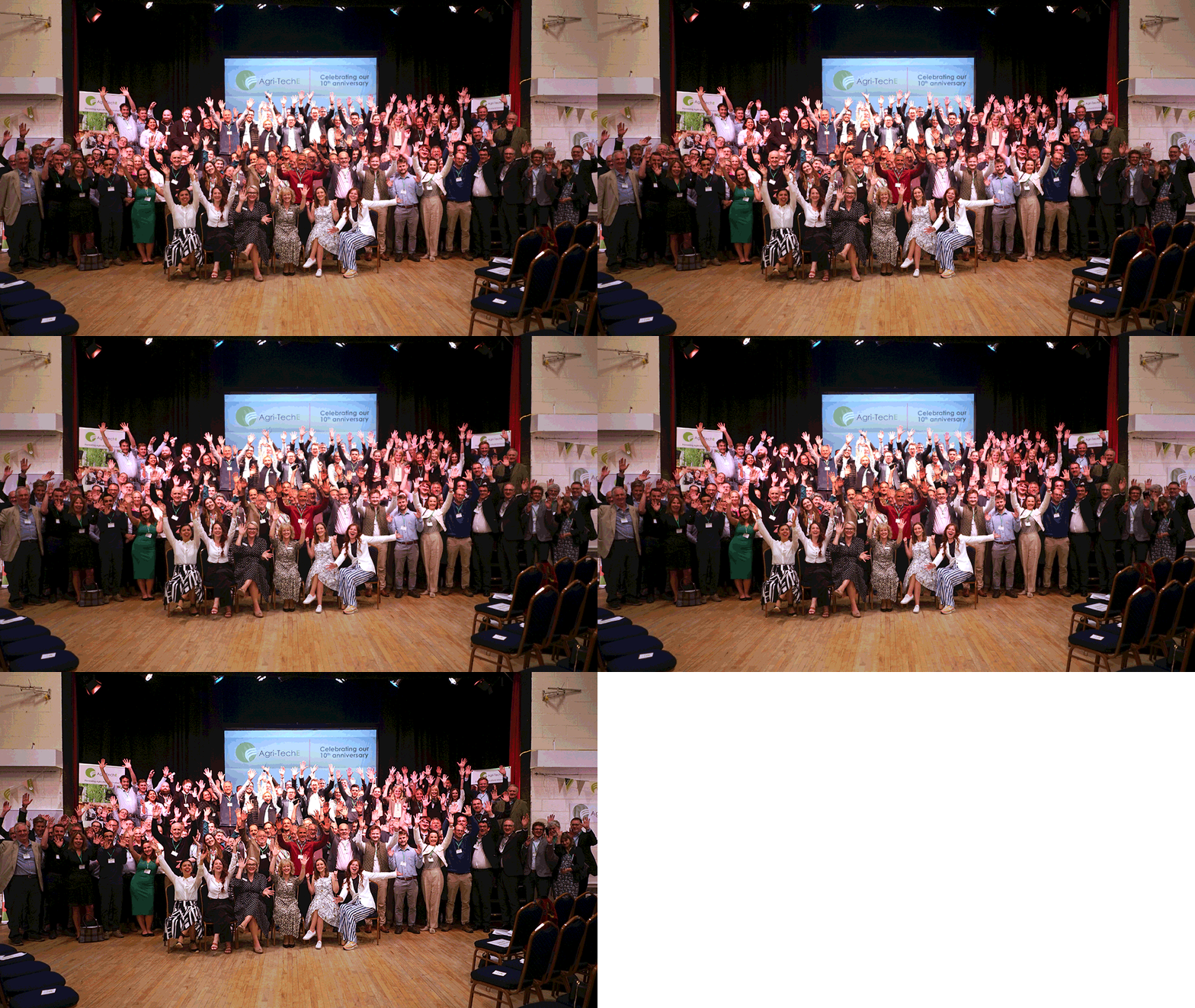
The event began with by revisiting the past ten years of Agri-TechE in sixty seconds, followed by a look into the future with two keynote speakers.
Looking to the future
What did you have for lunch today? AHDB shares analysis of trends
As the ‘work from home’ trend continues, consumers are looking for alternatives to shop-bought sandwiches, says Steven Evans, Lead Consumer Insights Manager at AHDB. “We are seeing a 40% increase in work from home lunches compared to pre-COVID, and these people are more likely to take their own food into the office too.”
Although farmers and producers rarely sell directly to consumers, there is great value in knowing about changes in behaviours, argues Steven, as these will impact the buying patterns of food brands and retailers.
“Although the cost-of-living crisis is easing slightly consumers are still being cautious and are eating out less,” he continues. “People are using cheaper proteins and fewer ingredients in their cooking, but also we are seeing new habits evolving. More people are using air fryers and there has been an increase in ‘fakeaways’ – ready meals warmed up at home.”
AHDB’s research looks at shopping trends and also consumer reactions and sentiment. Steven confirms that British agriculture is held in high regard and there is a lot of trust in farmers, but quality and price are top considerations, above environment, health and animal welfare. And although there is some familiarity with terms such as regenerative farming there is a very low knowledge of what it means.
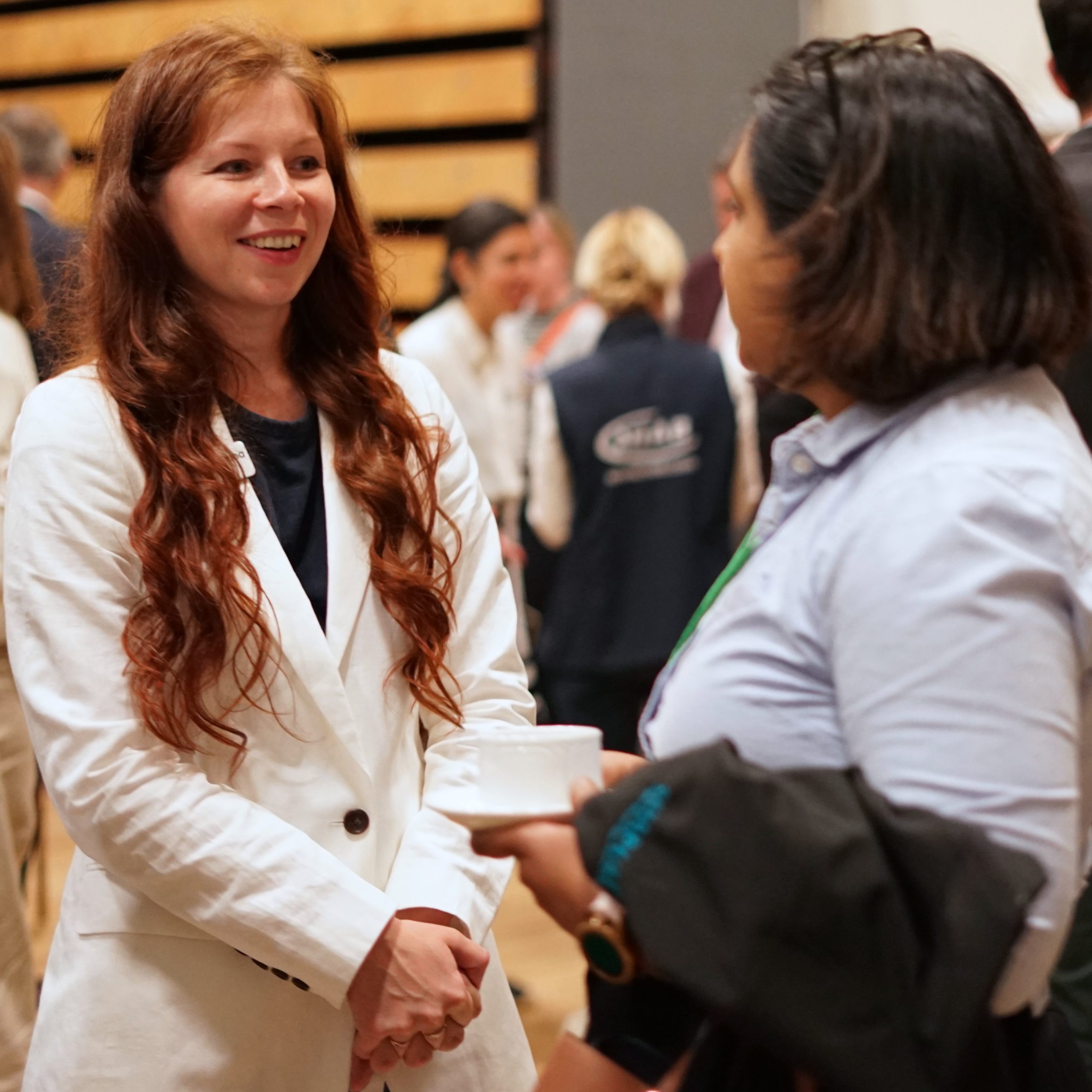
What are you printing for dinner? Method offers alternative futures
Our next keynote speaker transported us into the future, bringing to life three intriguing, somewhat disconcerting and completely plausible versions of food and farming of the future using current consumer trends and behaviours. Sandrine Herbert-Razafinjato of Method enthusiastically gave us:
How I met your farmer: In a world without food imports or air miles, food production has become hyper-local, with citizens taking collective responsibility for growing their own food. Sandrine challenged us to consider if it was possible – or appealing – to survive on seasonal produce or if controlled environments would be needed to extend the season. This scenario elevated the role of local farms, making them the next big social hubs of the future.
What are you printing for dinner? Building on the growing interest in personalised health and nutrition, such as the ZOE app that continuously measures your blood sugar level, Sandrine took this to another level. She envisioned a future where food and ingredients are uniquely combined to provide the ideal personalised diet. In this tailored scenario, a unique supply chain exists for each consumer, with tech/personal devices guaranteeing – and controlling – your diet to ensure you consume the optimal nutrition to meet your needs. But with bespoke, hyper-personalised meals, what would be the role of restaurants and food shops?!
Zero waste is the norm. Estimates suggest we are producing sufficient food to feed everyone, but huge amounts (1/3) are wasted at every stage from the field to the plate. Sandrine proposed a future where it was easier to upcycle food and the focus was on eating what is there in imaginative ways. In this vision, a circular economy operates at scale, with a central food system monitoring waste. AI manages and repurposes food for upcycling and trading, ensuring minimal waste and maximum efficiency.
Build your ‘Fantasy Farming Dream Team’!
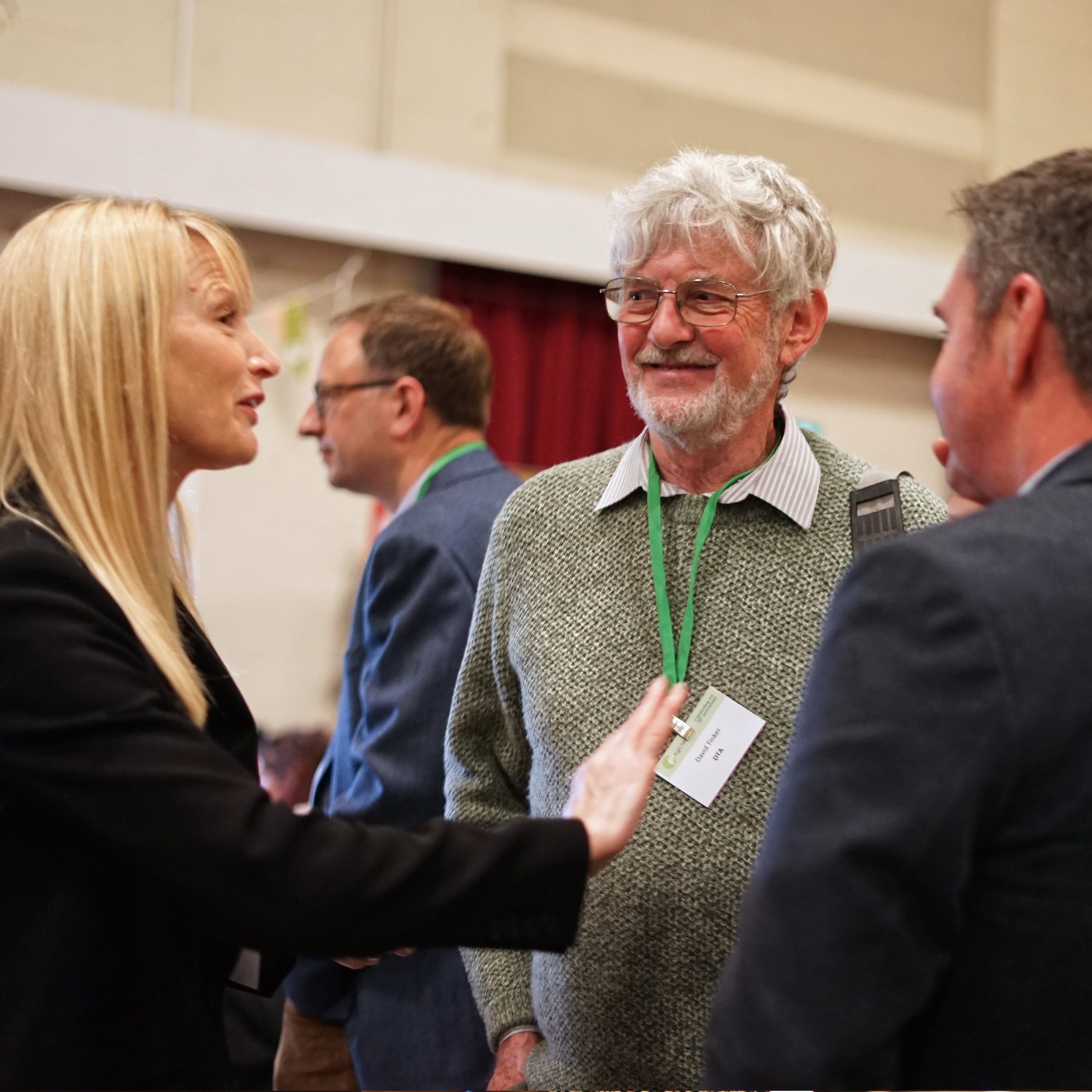
You are the farmer and you can choose three experts to help you – who is in your team? John Barrett, chair of the Agri-TechE stakeholder committee, compèred a quick-fire challenge with representatives from across the ecosystem pitching their credentials in hopes of being selected for our Fantasy Farm Dream Team.
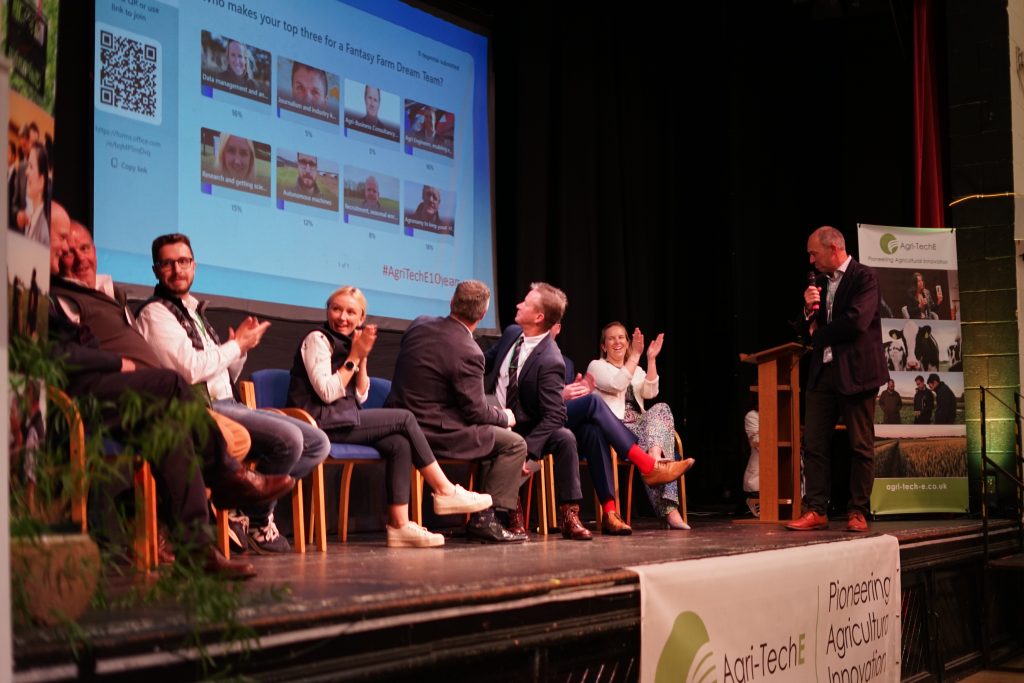
Emma Kelcher, Yagro: “Precision agriculture gets the food on the table. Data is the cornerstone of modern agriculture and you need the support of someone with a digital mindset to make the best on-farm decisions.”
Adrian Bell, Agro Mavens: “Successful farmers are informed farmers. Journalists are essential in translating science into everyday language and sharing knowledge and understanding.”
Charles Whittaker, Brown & Co: “The focus needs to be on growing value for the future. If you don’t make money, you are not in business.”
Charlie Nicklin, Institution of Agricultural Engineers: “Every product needs an engineer. Who are you going to call when your tractor fails at a critical time?”
Aoife O’Driscoll, Niab: “An enquiring mind and different way of seeing the world brings stability and security in an uncertain world.”
Christopher Chavasse, Muddy Machines: “Robots save labour, provide alternatives to diesel, remove weight from soil and collate the data for informed decisions.”
Jimmy Davies, HOPS AgTech Labour Solutions: “Tech is good, but ultimately you still need the right type of people with the right skills to work alongside it.”
Philip Simons, Prime Agriculture: “You need access to the knowledge that agronomists have, in order to keep up with all the regulations and get the best out of your farm. Agronomists are frustrated farmers, so they are your best ally.”
……and who made it into the fantasy team?
The audience were invited to make the hard selection – choosing just 3 out of the 8 possible experts to be in their own personal Dream Team. All speakers received votes, showing the vital need for all the diverse knowledge represented in the line-up with Data Scientist, Agri-Engineer and Agronomist coming out top.
Post Overview
Agri-TechE Related Posts

Grassroots input for agri-tech revolution
Farming Update – October
Gene Editing and EU Regulations – a patent attorney’s perspective
Government Food Strategy – time to be bold
How can we scale regenerative farming?