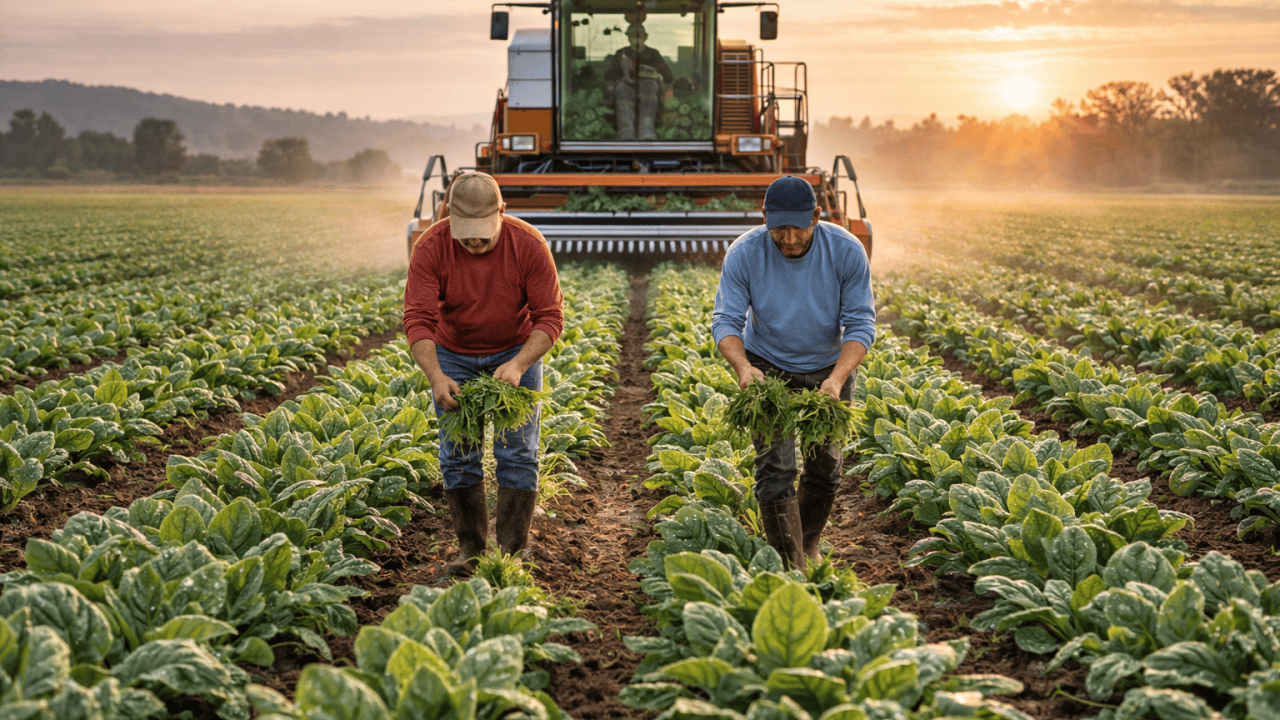
For greatest impact we need to be looking at data at scale – fieldmargin
 Agri-TechE
  fieldmargin helps ‘make sense of agriculture’ by bringing together all of the farm’s data into a single hub which fits in the farmer’s hand – their phone. The company was profiled in the Start-Up Showcase at REAP 2015, and we asked Camilla Hayselden-Ashby, the Head of Product, to describe the opportunity gaps for digital agriculture.
“Digitising the data that farmers already gather in the form of work done, livestock moves, observations and measurements is the first step to getting better insights. Bringing this alongside data from technologies such as satellite and drone imagery, machinery and sensor readings through our API will provide a holistic overview of the farm’s performance.
“Having this data together and on hand when it’s needed means that a) it gets used (how many farms have ring binders of soil test results or printed yield maps which gather dust?) and b) it is in context, making it easier to pick out trends. Once we have a large enough pool of data we plan to add analysis across these data sources.
Current challenge is data is in silos
 “The challenge with sensors available for agriculture is that the data from them is siloed into different tools, making it difficult to derive insight. There are a huge number of factors which impact agricultural performance and farmers need to consider the whole picture rather than just one aspect. Bringing this data into context with farming practices is key to identifying trends and opportunities.
“For the greatest impact we need to be looking at this data at scale. One of the frustrations experienced by many farmers is that you only get one shot per year to try something new and it can take years to see the results. By aggregating data across farms the world becomes our science lab and we will be able to learn a lot more than gathering data from a single farm, or even a network of farms. This will result in more timely, targeted recommendations for farmers.
Will the future by high tech, frugal or diversified?
“The farm of the future will be a combination of all of these. Looking after soils and understanding the farm as an ecosystem both above and below ground will be key to reducing costs and delivering a net positive impact for the environment.
“Going ‘high tech’ will help to facilitate this by quantifying the impact of different methods of soil improvement. For instance being able to DNA sequence soils to measure which microorganisms are living in them. Automation will allow smaller kit, using less fuel (or electric) and creating less compaction, and more targeted application of treatments or moving to non-chemical treatments such as zapping weeds instead of applying herbicide.
“Diversity in ecosystems and cropping will increasingly be seen as a necessity for farm resilience as evidenced by trends to companion cropping or sowing variety blends.”
 REAP 2022: ‘Making Sense of Agriculture’ – Tuesday 8th November 2022
From yield mapping and precision livestock through to digital twins and cloud computing, at REAP 2022 we will be exploring the technology and looking at the implications from a field to landscape level. Making technology farm-centric is core to Agri-TechE ’s mission so a key feature of the conference will be a panel of farmers and producers discussing the emerging technologies and future scenarios.
Post Overview
Agri-TechE Related Posts

Barclays Eagle Labs providing support and guidance for businesses

Emerging Agri-Tech: from Research to Practice

Welcome to the future – are we nearly there?
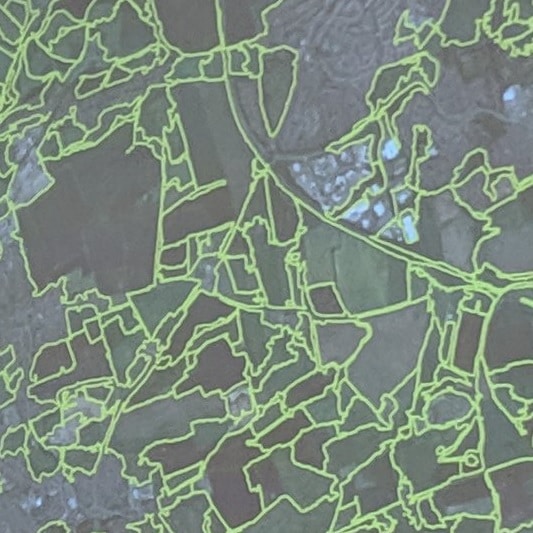
Agri-TechE Week 2019: Getting Value from AI in Agriculture
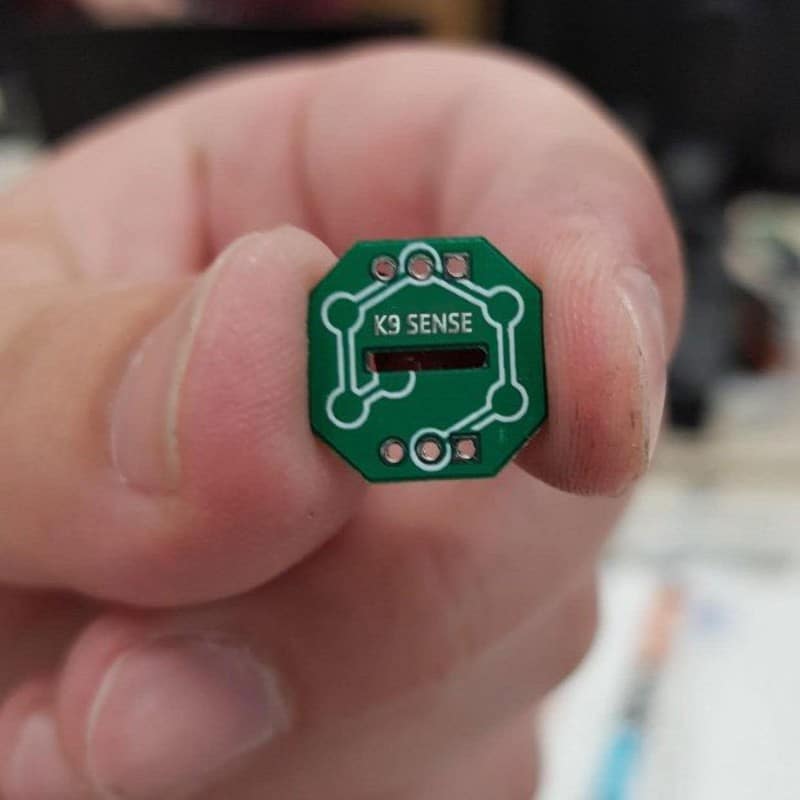
Altered Carbon recognises a smell by its digital fingerprint