
Earlham Institute is supporting aquaculture with new genomic resources
 Agri-TechE
 Aquaculture – the breeding and farming of fish and shellfish – is overtaking traditional line and net fishing practices. This shift is particularly important for providing communities living further away from a coastline with a key source of protein and nutrients.

A good example is the tilapia, the second most important freshwater aquaculture species, with an estimated 4.6 million tonnes produced in 2019 at a value of $9.2 billion USD. Tilapia is a hardy fish cultivated across the globe in freshwater ponds and is an increasingly vital food resource.
In 2016, the Earlham Institute joined forces with WorldFish and other collaborators to launch projects in East Africa that would improve tilapia genetic resources, this has seen some significant breakthroughs in our understanding of tilapia genomics and the interplay between farmed and native fish.
Part of the success of the Nile tilapia (Oreochromis niloticus) is associated with breeding efforts for faster growth. To improve genomic selection researchers of the Earlham Institute are collaborating with WorldFish (CGIAR Centre) to oversee the genetic improvement of two Nile tilapia strains. The result is the best tilapia genome yet and WorldFish is implementing strategies to breed more resilient fish based on it.
Work on tilapia also aims at investigating the existing genetic diversity of this group of species and to uncover the genetic bases associated with environmental adaptation (high salinity, temperature, oxygen content).
In many ways, the success of aquaculture relies on applying the same long-established practices we see with modern agriculture. When it comes to improving yield, health, and resilience, genomic resources are now essential for breeders, whether they manage crops, livestock or farmed fish.
The Earlham Institute has played a central role in creating genomic resources for breeders that will help address issues of gene flow in domestication and environmental adaptation in the face of climate change.
Post Overview
Agri-TechE Related Posts
Harnessing Heavy Rain: Wetlands as Nature’s Carbon Champions
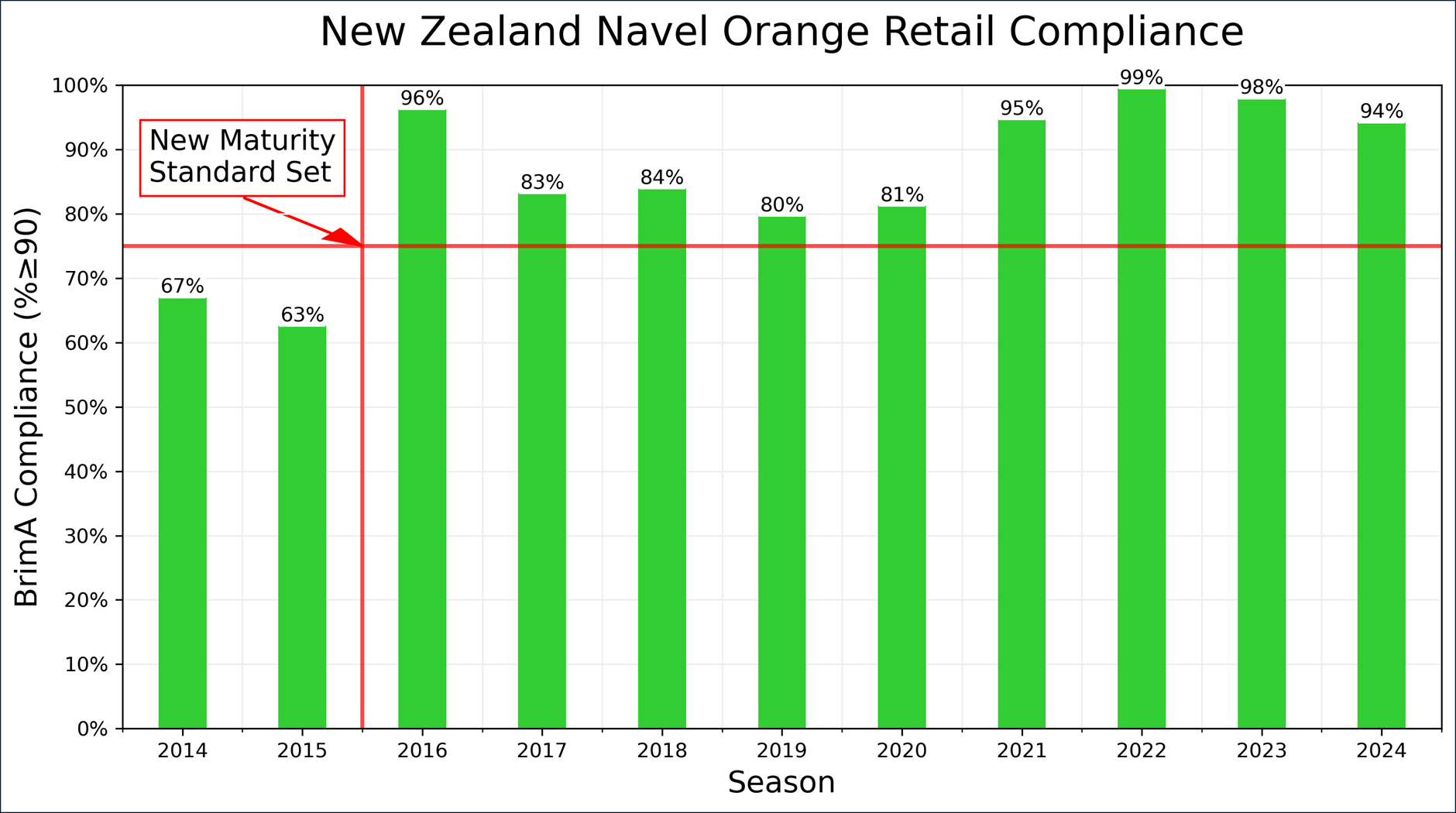
Consumer Acceptance of Navel Oranges Significantly Improved
Join Our Journey: Why We’re Opening Ponda Up to Our Community
Agri-TechE in conversation with Elsoms
Innovations in spatial imaging could unlock higher wheat yields
