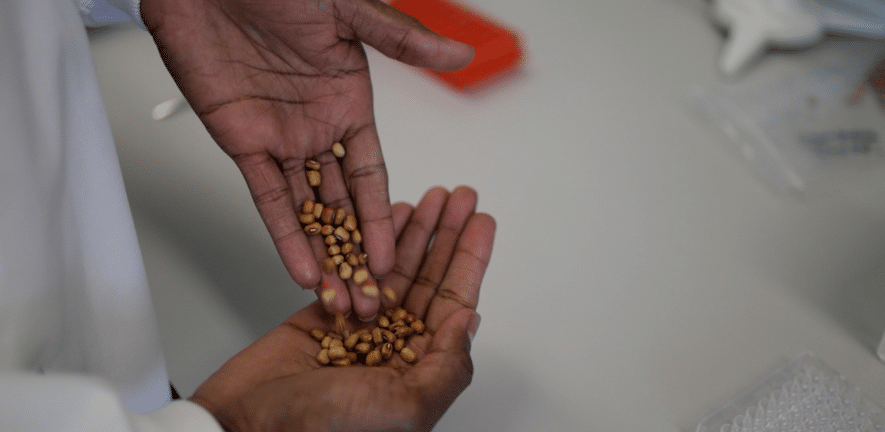
North Carolina a richly diverse agriculture and home to the Research Triangle Park
 Agri-TechE
 The Research Triangle Regional Partnership (RTRP) will be joining the REAP 2021 International Café. RTRP is an economic development organization sustained by and committed to 12 core counties located in Central North Carolina. This Atlantic state is halfway between New York and Florida and is one of the most diverse agricultural states of the country.
We asked Ryan Combs, Executive Director at RTRP, about the region and the opportunities for overseas companies. Q Tell us more about the Research Triangle
RC. The Research Triangle Park (RTP) is the largest research park in North America and remains one of the most successful science parks across the globe.
Stretching 7,000 acres across Durham and Wake counties, the park is home to 250+ businesses, ranging from Fortune 100 multinational R&D operations to entrepreneurial-driven start-ups, and three Tier 1 research universities—Duke University, North Carolina State University and University of North Carolina Chapel Hill — located only minutes apart.
Acting as proud ambassadors, at RTRP we introduce companies and organizations to a region that offers incredible access to diverse talent, a competitive cost of living, a strong and diverse economic climate, a supportive infrastructure, and quality of life that is second to none. Q Can you describe the agriculture in North Carolina and some of the challenges it is facing?
RC. Reaching from the mountains to the beaches, North Carolina has a rich agriculture, with a high number of different soil types, climates, and topographies.
We invest heavily in animal production (mainly hogs and poultry), forestry (particularly Christmas trees), row crops (corn, tobacco, and sweet potatoes – NC is the largest producer of sweet potatoes in the US, with 1.7 billion pounds grown annually), and horticultural crops (stone fruit and grapes).
When thinking of challenges our state faces, they are common to those other agricultural areas across the globe, including farm economies, aging grower population, and changing technologies and variable adoption rates.
We are seeing trends in reducing waste, but we’re also a move towards regenerative farming, and particularly, technologies which can improve soil health and carbon sequestration. Q RTRP is part of the REAP 2021 International Café – what are you plans for the event?
RC. We plan to provide delegates at REAP a glimpse into all aspects of our 12-county region and what makes us unique. Additionally, we’ll be joined by both the North Carolina Biotechnology Center (NC Biotech) and North Carolina State University’s College of Agriculture and Life Sciences (CALS).
NC Biotech was the first state-sponsored biotechnology initiative in the United States, and CALS is North Carolina’s pre-eminent college of agriculture and life sciences. The park is also home to North Carolina Plant Science Initiative (NC PSI), which is working to solve global ag and food challenges. Q. The theme of the conference is ‘Time’ – what does this mean to your community?
RC. Thinking about the Research Triangle Region and “time” as a theme, one element that rings true is reducing times for the development and deployment of new technology.
The Research Triangle combines agricultural research – including the new Plant Science Initiative at North Carolina State University – early-stage agtech companies and global agribusiness companies. These elements come together in the region to research, develop, and commercialize technology that can be delivered to growers, many of whom operate in our region’s backyard.
We are looking forward to meeting like-minded companies at REAP that are interested in doing business in North Carolina’s Research Triangle Region, as well as collaborating with others and forming partnerships between our region and companies in the UK/Europe.
If you are interested in collaborations or opportunities for expansion in North Carolina there will be an opportunity to discuss this with the Research Triangle Regional Partnership at REAP 2021.
REAP 2021: Changing Time(s) for Agriculture – 10th November 2021
Imagine a world where agriculture is not constrained by time. The ability to manage and manipulate time is increasing and REAP 2021 will explore the advances in technology and breakthroughs in science that is making this possible.
REAP brings together people from across the agri-tech ecosystem who believe that innovation is the engine for change. The conference bridges the gap between producer needs and technology solutions and showcases exciting agri-tech start-ups.
Post Overview
Agri-TechE Related Posts
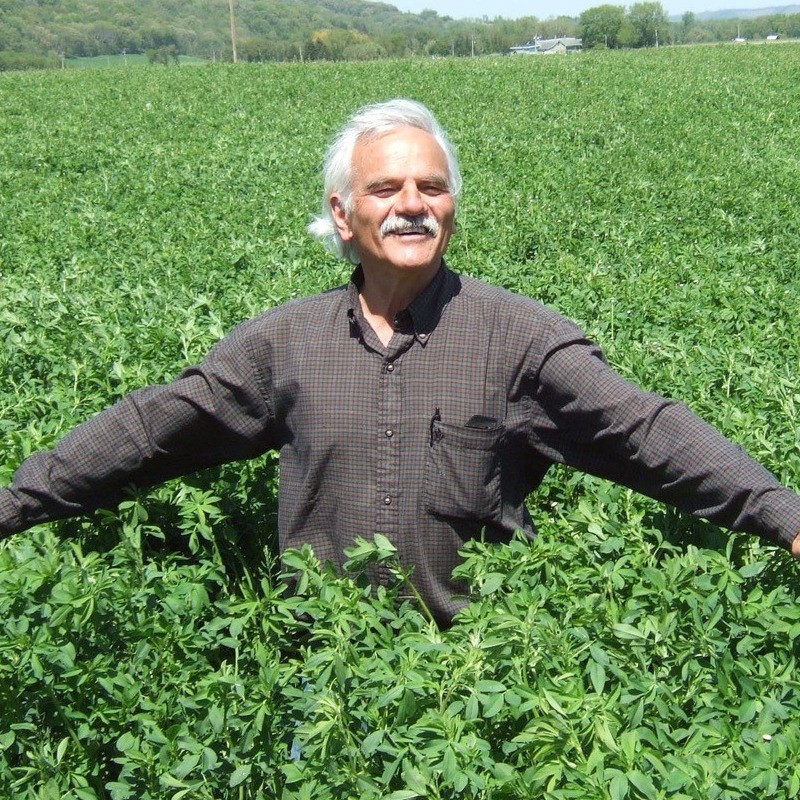
“Feed the soil and it will feed you,” Gary Zimmer says at REAP 2016

Meet us in St Louis! Missouri Agri-TechE Connect Programme stop press

Partnership with Western Growers to accelerate field harvest automation

GoMicro Deploys Second AI Quality Control Unit to Australian Leafy Greens Grower
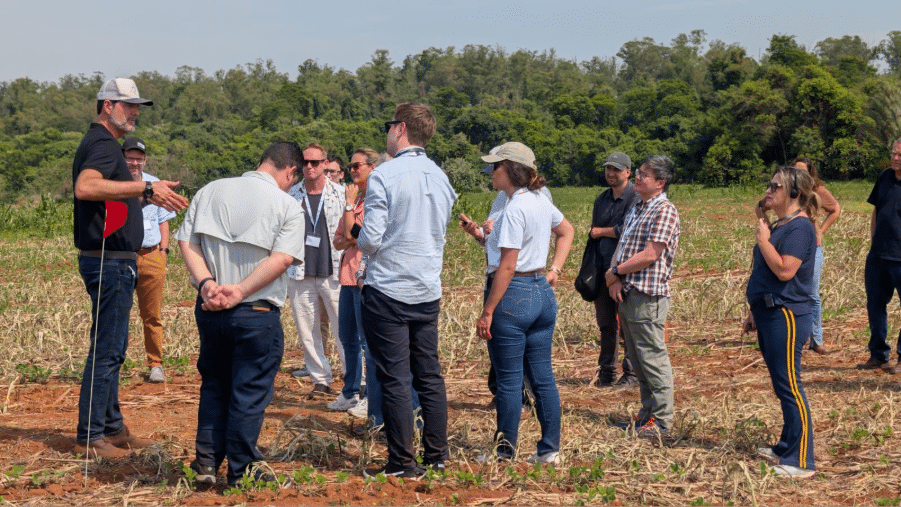
ARISE: Launching a Trilateral Agri-Tech Collaboration for Climate-Resilient Agriculture