The Economics of Biodiversity – Nature, productivity and growth
 Agri-TechE
 Productivity. Growth. Nature. These words seem to come up regularly in conversation with farmers – and, crucially, they are talking about how to maximise the first two without compromising the latter.
These words are also key pillars of a recent report (Feb 2021) from the University of Cambridge which aims to change policy and practice in order to put nature’s value at the heart of economics.
The 600 page report is a hefty read, but Chapter 16 focusses particularly on food production, biofuel generation and changes to the food system.
The Economics of Biodiversity: The Dasgupta Review
Professor Sir Partha Dasgupta’s review presents the first comprehensive economic framework of its kind for biodiversity. The government press announcement says “it calls for urgent and transformative change in how we think, act and measure economic success to protect and enhance our prosperity and the natural world”.
This is welcome news for the UK industry, where increasing emphasis on delivery of ecosystem services is counter-balanced by lack of clarity about the business model needed to translate ‘natural’ capital into tangible financial value.
Commissioned by the UK Treasury, the report ‘The Economics of Biodiversity’ by Prof Sir Partha Dasgupta is expected to set the agenda for the 25 Year Environment Plan, as well as challenge the way economies and governments traditionally view ‘growth’.
Economists have historically excluded Nature from their economic models. Yet the Dasgupta report argues that long-term prosperity relies on balancing our demand for natural goods and services with Nature’s ability to supply them. The numbers are stark. In the period of 1992 to 2014, the produced capital per person doubled globally, while the stock of natural capital declined by 40%.
New, alternative metrics for success are needed to define growth and productivity, and they need to focus more on natural capital.
Measuring natural capital
As every forward-thinking farmer knows, however, so-called ‘sustainability metrics’ have been a huge challenge.
A current Holy Grail on farms is to establish how carbon storage, efficient water management, biodiversity enhancement and soils improvement can be measured, monitored and – crucially – valued.
But progress is being made by a range of technology enablers – in the UK and internationally – towards developing natural capital measurement and valuation tools. This will be critical if we are to re-balance the supply and demand relationship with Nature.
Potential for agri-tech
Other agricultural technologies will also be crucial in helping this process, argues Dasgupta (abridged report p47). “Changing the biological capabilities of crops offers the possibility of using marginal land for production, improving crop resistance to pathogens, obtaining higher yield on existing farmland, and enhancing nutritional quality. Genetically modified crops remain controversial, even though prominent scientific bodies such as the Nuffield Council on Bioethics (NCB, 2003) continue to affirm their salience in a world with growing food needs.”
He contends that improving crop genetics using advanced breeding tools, adoption of precision agriculture approaches to reduce inputs such as nitrogen, and Integrated Pest Management, along with vertical farming and ‘cellular’ agriculture (for example for alternative meats production) are part of the solution.
Reconstructing global economics to include Nature as a key ingredient is a major task. Reconstructing the economics of agriculture through its constituent farm businesses is already underway. The journey has begun. Note: The Economics of Biodiversity – The Dasgupta Review
The Dasgupta Review is an independent, global review on the Economics of Biodiversity led by Professor Sir Partha Dasgupta (Frank Ramsey Professor Emeritus, University of Cambridge). The Review was commissioned in 2019 by HM Treasury and has been supported by an Advisory Panel drawn from public policy, science, economics, finance and business.
Post Overview
Agri-TechE Related Posts
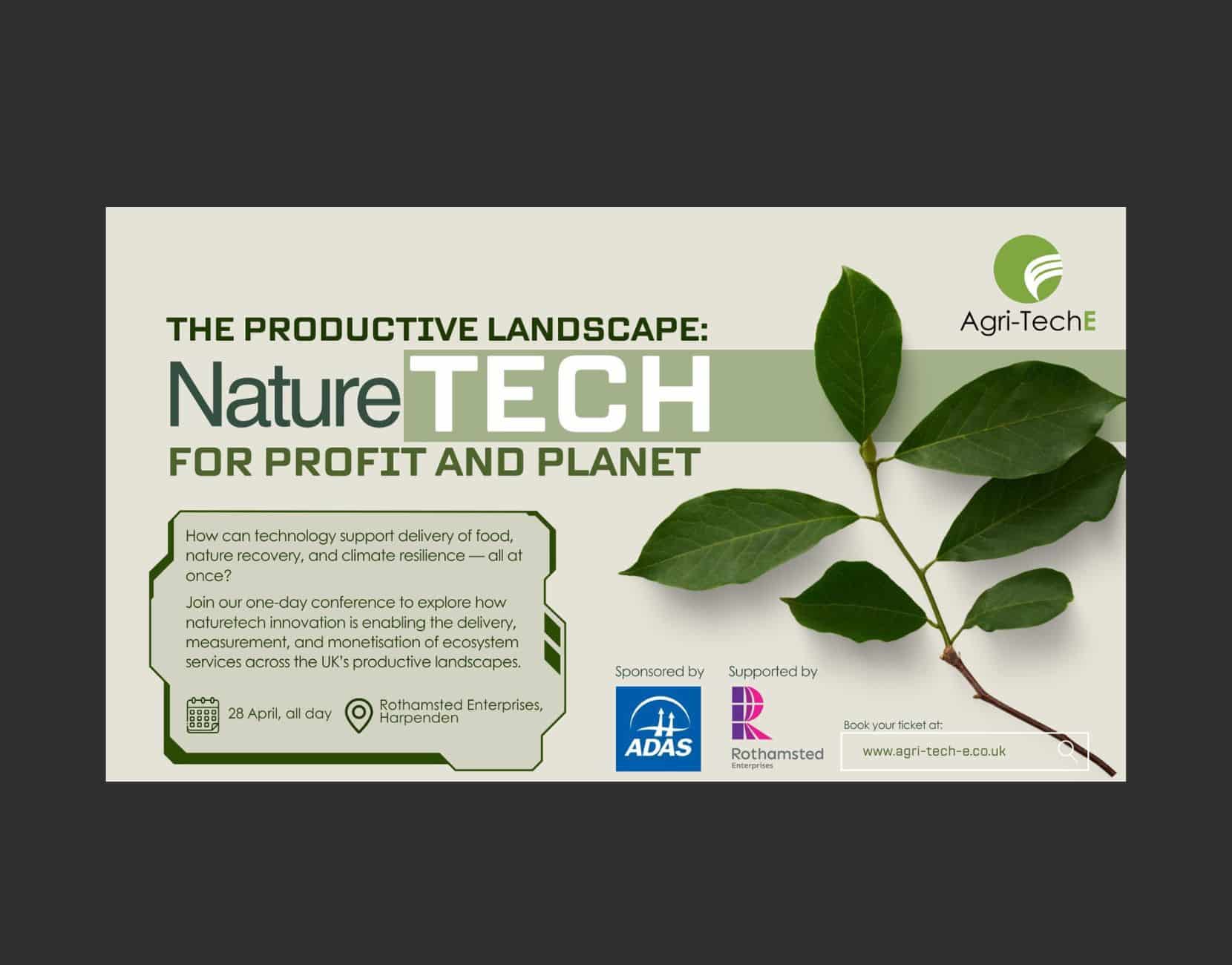
NatureTech: Supporting Businesses to serve both Profit and Planet
It’s time for Ecosystem Intelligence

A Well‑Adapted UK signals a shift in British farming

Cranfield University: £13 million for biotechnology research to address environmental challenges
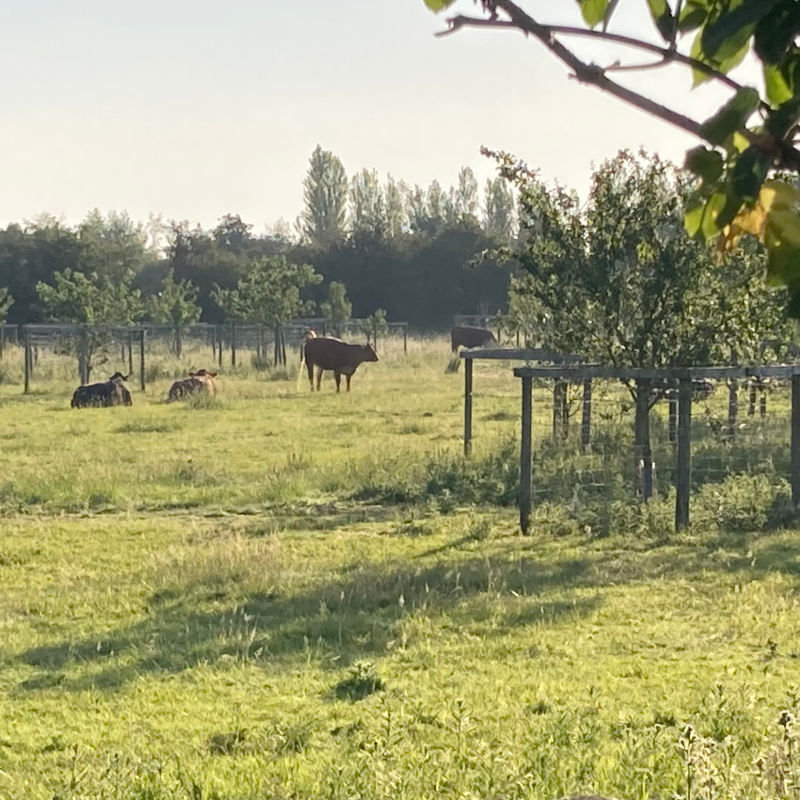
Ecometric carbon credits validated by Regen Network