Nurtured woods provide farming goods, say the Forestry Commission
 Agri-TechE
 “It’s important to make the best of poorer areas of land. Trees can help farmers and land managers to do that, especially in the wet compacted soil that we have here in Cumbria. Planting trees increases aeration, water storage and fertility in the soil – all of these effects together can boost the productivity of the grass sward.”
Creating an Overstory
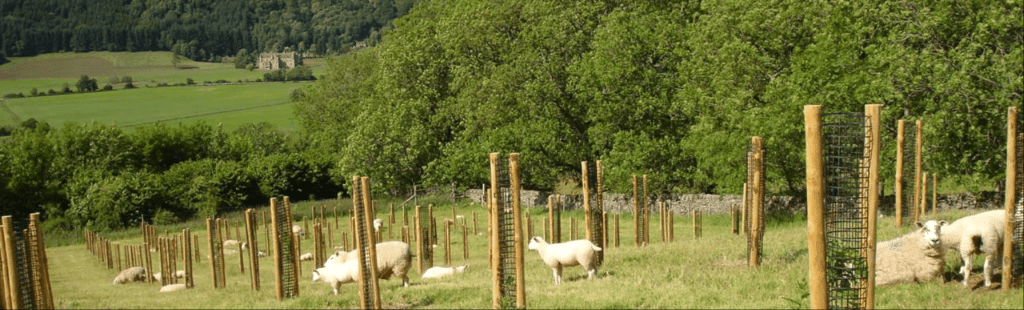
Agroforestry is the concept of planting trees to provide protection to crops or livestock raised alongside, as Jim explains: “Trees also provide shelter to animals in extreme weather or hot sun, which is important in Cumbria where much of the land is permanent pasture – although it is important to strike a balance with canopy cover to ensure sufficient light gets to the grass sward.”
“When deciding whether to plant or what tree to plant, you’ve got to look at the soil first – choose an appropriate species for the soil. For example, in NE Cumbria some of the lower productive broadleaf species, such as alder and birch, might be the ideal overstory canopy for an agroforestry system.
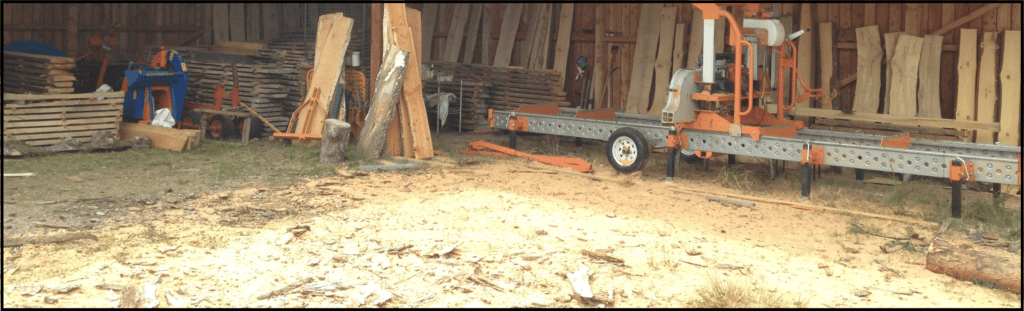
“Birch, especially will give you a light dapple shade canopy, so the grass growth isn’t inhibited by that as long as cover density is managed, and offers possibilities the additional income through firewood, for example.”
Adapting to ELMS
Jim is overseeing a pilot ‘forestry investment zone’ in Cumbria.
“We’ve always assessed farming and forestry separately, but the Environmental Land Management Scheme is a whole-holding approach, so there’s a need to start thinking along new lines,” says Jim.
“Many of the farms in this area are very reliant on the Basic Payment Scheme (BPS), hence the desire to help those farmers transition toward ELMS-based payment.”
“In Cumbria we have the extensive Kershope Forest – which is what people associate with the Forestry Commission. So it is natural that people may feel initially concerned about forestry encroaching on their land and upon the countryside around them…
“So my role is to spread the word about appropriate integration of trees on farm land that provides multiple benefits, and there are many good incentives to plant trees at the moment.”
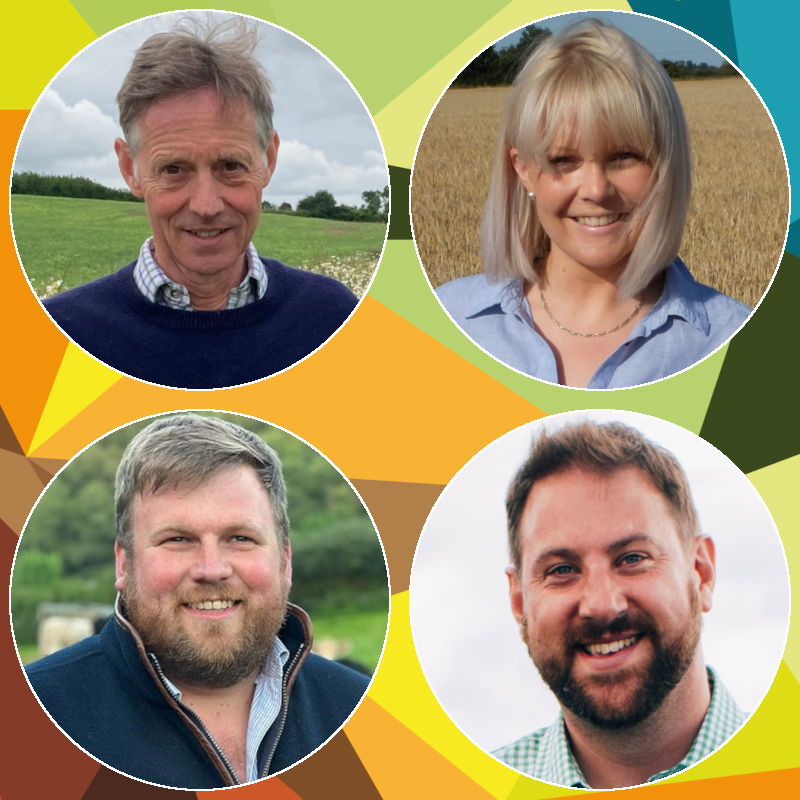
Jim O’Neill will be speaking along with Phillip Ayres of Elsoms, Greg Beeton of Brown and Co, and Stephen Briggs of Whitehall Farm, at the Agri-TechE online event, ‘Seeing the Wood for the Trees,’ on October 8th. For more info and to reserve your place, click here.
Post Overview
Agri-TechE Related Posts
A Well‑Adapted UK signals a shift in British farming
Oxford Farming Conference – ‘Is the food supply chain broken?’ report launched
Our Week in Agri-Tech Podcast
REAP – farmers at the heart of innovation

Is Printing the Future of Agri-Tech?