Creating a vineyard in Norfolk
 Agri-TechE
Adrian Hipwell is a Norfolk farmer, a chance e-mail from a young couple passionate about wine created an exciting opportunity for diversification. Ben and Hannah Witchell shared their plans for producing quality wine in the UK and very soon Flint Vineyards was up and running.
The vineyard had its first harvest in 2019, which promises to be a vintage year for English wines. Hannah spoke to Agri-TechE about their experiences.
Ben is one of the speakers in the February 2020 Pollinator. which will look at the opportunities viticulture offers for farmers and technologists.
Did you and Ben have experience of growing grapes before you set up the vineyard? What motivated you to take this step?
Ben studied for a BSc in Viticulture & Oenology and spent time working in France, California, Greece and England.
Ben was originally motivated to study viticulture and winemaking due to a long held interest in wine and a desire to do something more creative as a career.
We were confident that England would be a good place for growing grapes, this was based on Ben’s experience in working for vineyards during his time studying.
What were the biggest challenges you faced when setting up the vineyard?
 It was a new site. The biggest challenge in any vineyard is making sure the site is right. Site selection is the biggest factor in vineyard success, particularly with regard to issues such as frost, temperature, exposure to wind.
Based on Ben’s experience, he had a good idea which varieties to grow from commercial, taste and regional suitability perspectives.
Many many learning points – one main one is not to dwell too much on minute factors – there are many things to consider – variety, rootstock, planting density, training system, row orientation; it goes on and each decision can take up a lot of thought.
It’s important to make good decisions and move on!
On a day to day level what are your concerns – water and nutrition? Pests? Getting sufficient staff for harvest? Issues with bottling?
Water and nutrition are important, particularly on our free draining, sandy soil and in the early years of a vineyard when the root system is still small.
We are lucky with staff for harvest as we have a great team as well as a group of helpers who are part of our membership club and like to get involved in key aspects of the vineyard and winery.
Frost is a worry in Spring, rain and cold conditions in September and October (harvest), rainfall in June (flowering). Winemaking is relatively easy….!
If you could have a dream invention to make vineyards more productive what would it be?
Automated robot pruning and weed control for efficiency.
An effective and easy to use way of warming the micro-climate around the vine (e.g. cloches).
Vineyards have increased in the UK – what do you think the future holds?
The future looks positive for UK wine. The industry is still small and young and we have plenty of wine drinkers in this country so the demand seems to be there. Quality is on the rise and consumers seem to appreciate the lighter, more aromatic wines that we can produce.
 We are already planting for the future with regard to climate change, using more classic varieties that ripen later and haven’t been traditionally planted in England (e.g. Pinot blanc, Pinot gris, Sauvignon blanc).
At present, warming due to climate change does not present a problem for cool climates such as ours. It is mainly the warm climates (southern France / California) that are worried about warming, as their harvest dates are being brought forward, sometimes risking the grapes not being physiologically ripe.
However, other aspects of climate change are a worry in England; late Spring frosts combined with earlier onset of warm weather in Spring risk frost events on young buds…
To hear more from Ben and register for the Pollinator ‘Nothing to W(h)ine About – Uncorking the Opportunities for Innovation in Viticulture’ being held at Cambridge Consultants CB4 0DW on 11 February 2020, 2:00 pm – 6:00 pm
Post Overview
Agri-TechE Related Posts

Oxford Farming Conference 2021: Consultation on gene editing announced

New pea has more protein at same cost to producer
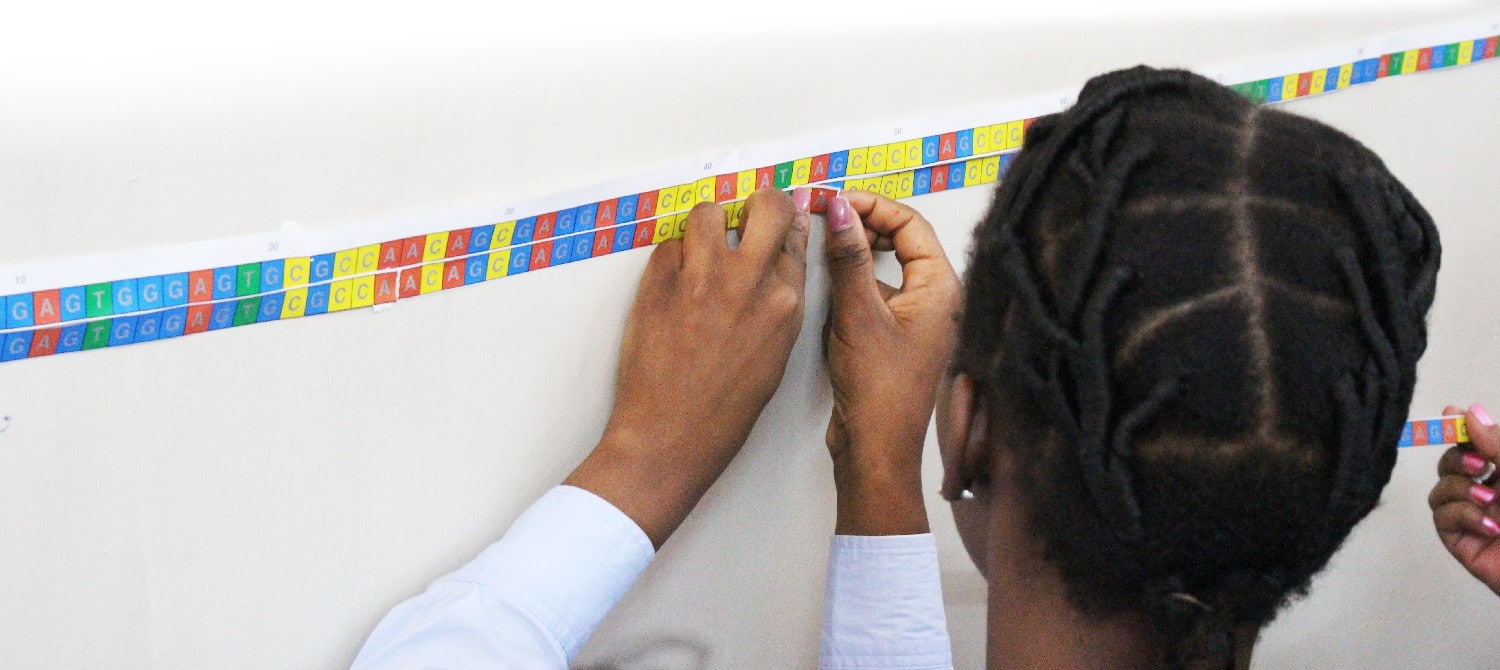
Britain set to be global agri-tech hub for precision breeding
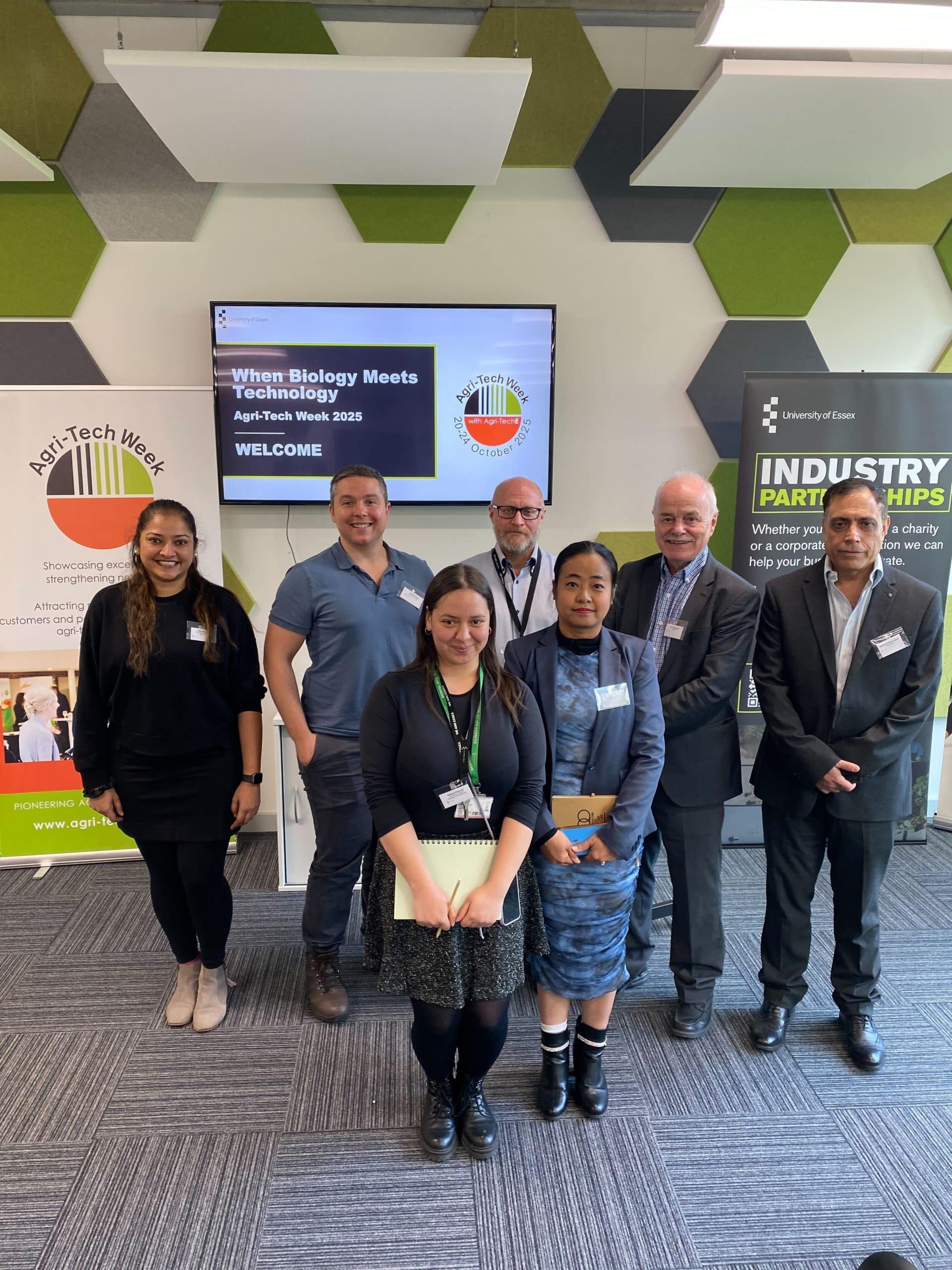
ATW 2025: When Biology Meets Technology – University of Essex

Hempcrete as a high-value, green alternative to oilseed rape?