Growing Better – transforming food and land use
 Agri-TechE
 Better environmental outcomes, better human health through more nutritious diets for all, significantly improved food security, accelerated income growth could be possible within ten years if the recommendations outlined by a new global report ‘Growing Better:Ten Critical Transitions to Transform Food and Land Use’ are implemented.

The report not only sets out the scientific evidence and the economic case for transforming food systems but also highlights the $4.5 trillion a year new business opportunities this will create – this is very timely for the discussions at REAP 2019.
As one of our speakers comments: “We all eat food, we must all take responsibility for how it is produced.”
The key driver for this global reform agenda is the need to create a diet that supports good human and planetary health.
The consumption patterns of more than nine billion people – what they choose to eat and how they make (or are influenced to make) those choices – are the critical factors shaping how food and land use systems evolve.
By bringing together food systems and the environment the Growing Better report aligns perfectly with the theme of REAP 2019 “Innovating Towards One Agriculture”, which is also reflected in the workshops running across the region during Agri-TechE Week.
Insights into the prize

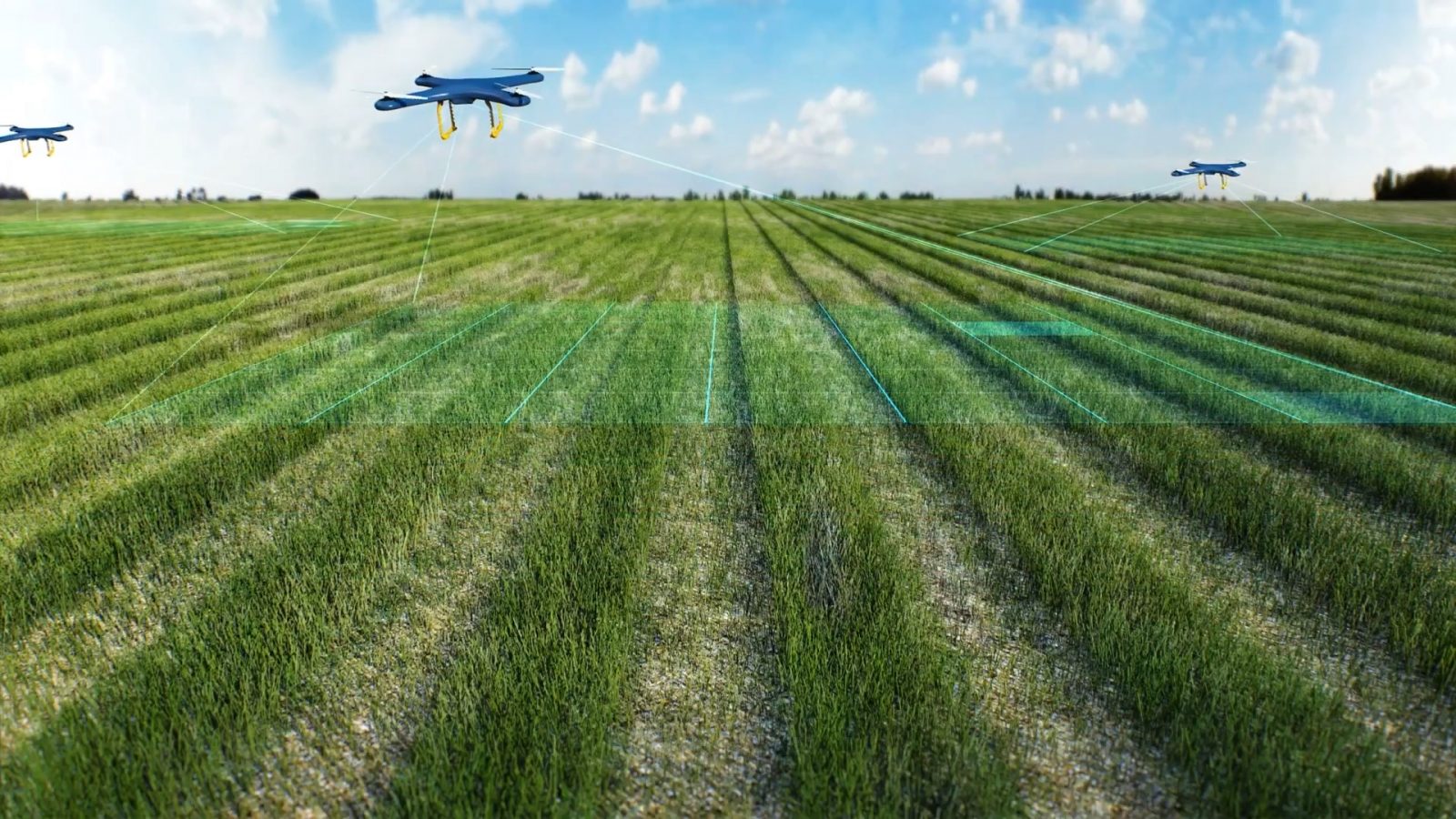
The “Growing Better” report outlines ten critical actions, ranging from digitalisation of the food system, to combining traditional and modern technologies in farming. It also considers challenges such as equitable human nutrition, diversifying sources of dietary protein, and reducing food losses and waste.
Crucially, the narrative is supported by three key financial metrics – the potential economic gains, the annual additional investment needed, and the business opportunities by 2030. This gives – probably for the first time – insights into the size of the prize and the associated investment needed to achieve it.
The numbers are compelling. For example, to achieve productive and regenerative agricultural systems, building on traditional grazing systems and agro-forestry combined with precision technologies and bio-and synthetic inputs is going to cost an estimated $35-40 billion by 2030. But the projected economic gains are a massive $1.17 trillion with new business opportunities around $530 billion.
Estimated economic gain $45.7 trillion by 2030

We’re often challenging technology developers and researchers to help individual farmers to be able to understand the return on their investment (ROI) by adopting a new service, tool or technology. And this grass-roots approach is critical to achieve change. However, this kind of systems approach to ROI provides a helpful potential narrative for everyone to sign up to, from individual farmers to governments, global supply chain players and trading partners.
The report also outlines essential actions, for governments, investors and business and include changing regulation, providing incentives to reward desired behaviours, deploying innovative finance tools and increasing R&D spend in the public and private sectors.
Adding all the numbers together, the report concludes there is a projected ANNUAL opportunity of $4.5 trillion for businesses associated with delivering or implementing some elements of the 10 critical transitions – linked to a massive potential economic gain of $45.7 trillion by 2030.
It’s not going to be cheap. The report suggests the annual investment requirements are likely to be $300-350 billion to transform global food and land use systems by 2030. As well as the financial cost, there will also need to be shared government agendas, co-investment by the public and private sectors and some serious behavioural change across all levels of society.
Collaborative mindset
The quote we have chosen for REAP 2019 is one from Henry Ford – “If everyone is moving forward together, then success takes care of itself.” We chose a deliberately provocative quote to highlight the thinking for the conference– a collaborative mindset is the first step to achieving success, but what actions are needed beyond that?
The FOLC report gives us something of a roadmap. Let’s talk at REAP about what that journey should look like.
Post Overview
Agri-TechE Related Posts
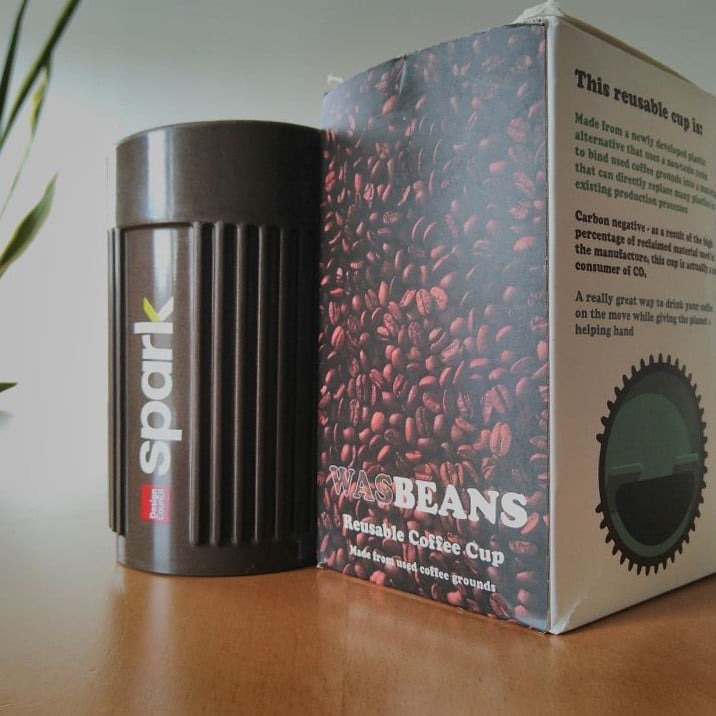
CamBond’s reusable coffee cup ‘wasbeans’ turns waste into plastic alternative
Soil testing should be included in land valuations
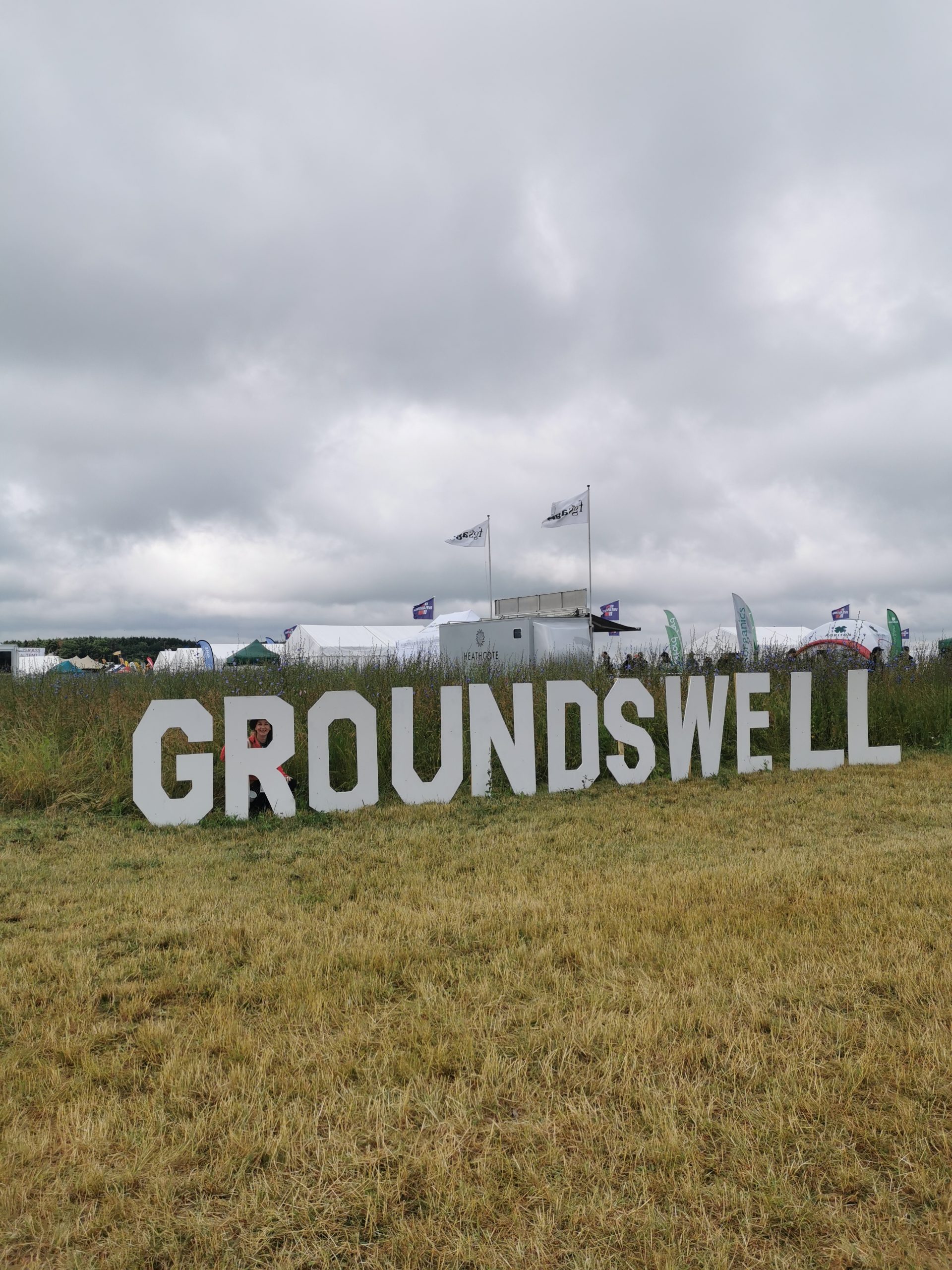
Food, Farming and Nature Conservation consensus at Groundswell
Making sense of carbon sequestration – Cambridge Consultants at REAP 2022
Five new Interdisciplinary Circular Economy Centres planned