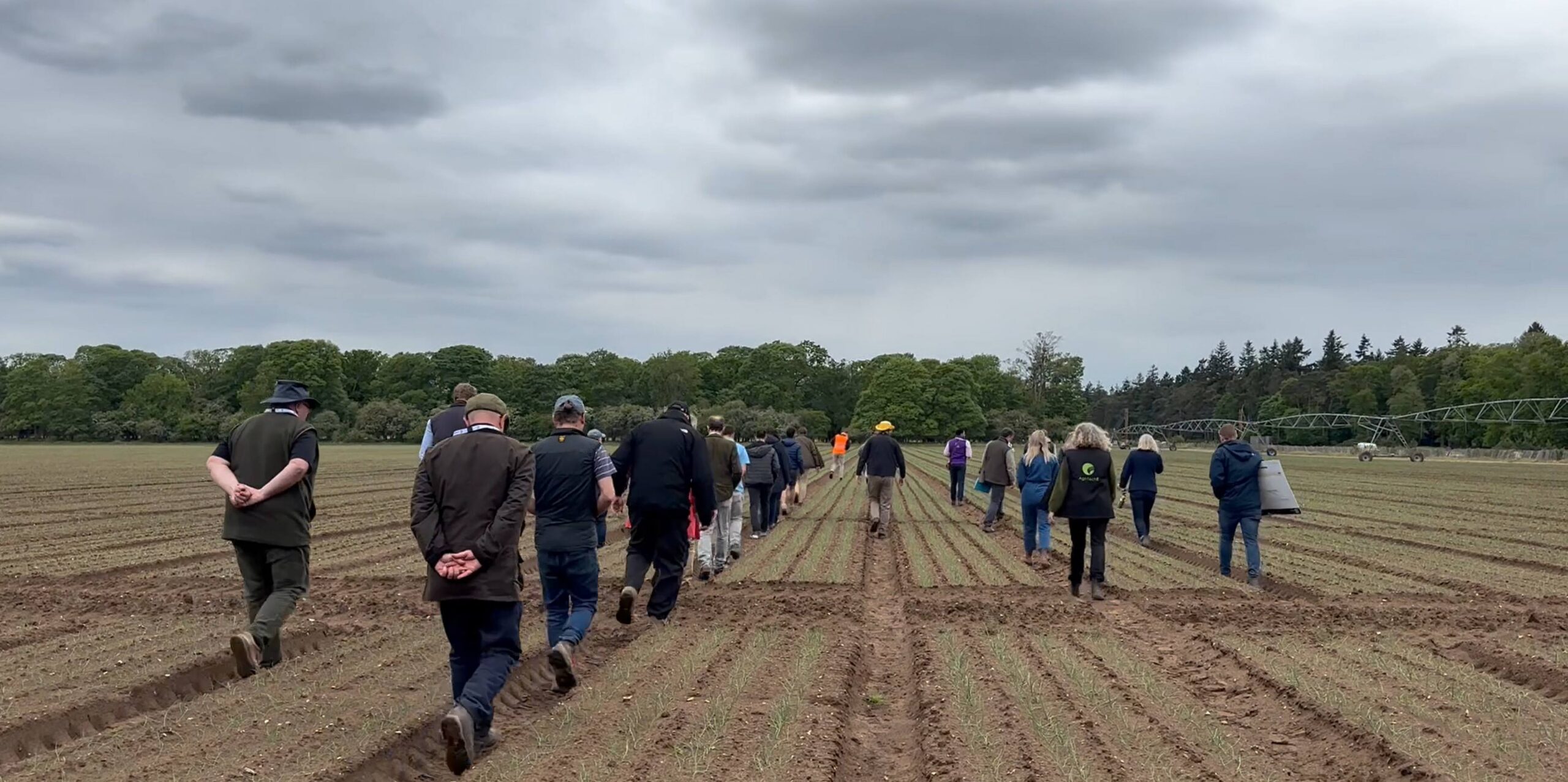
Healthy Soils and Water for a Sustainable Environment: Farming Futures
 Defra
The Department for Environment, Food and Rural Affairs (Defra) will invest up to £28 million in innovation projects.
This funding is part of Defra’s Farming Innovation Programme, which is a partnership with, and delivered by Innovate UK. Your project’s total project costs must be between £1 million and £5 million.
The aim of this competition is to fund collaborative development projects that deliver ambitious, commercially deployable solutions to the challenges associated with soil, water and environmental management in farming and growing production systems.
Scope
Through Defra’s investment, this competition will accelerate the development of technologies, practices and services that enhance farm productivity, strengthen environmental sustainability, and improve the resilience of agriculture in England.
Projects that address multiple scope areas and adopt a systems based approach are particularly encouraged, recognising the interconnected nature of soil health, water quality and wider environmental management. By supporting integrated, whole farm solutions, this competition seeks to maximise both environmental and economic benefits, delivering greater impact across the farming sector.
Improved understanding of soil and water systems, enabled by enhanced environmental monitoring, reporting and verification, can help farmers and land managers make more informed management decisions. It can also provide robust evidence of environmental outcomes, supporting participation in emerging nature markets and creating new opportunities to generate value from sustainable land management practices.
Specific Themes
1. Soil, Water and Land Resource Management
- technologies or approaches to improve soil organic matter, nutrient cycling, carbon flux, biological activity and soil biodiversity
- solutions to improve soil structure, reduce compaction, erosion, and degradation
- integrated approaches to improve water retention in soils
- innovations that enhance infiltration and reduce surface runoff
- solutions that improve soil health, hydrology, interactions between soil, water, biodiversity and agricultural management practices
- precision irrigation systems and scheduling tools
- innovations to optimise water availability for plants and livestock under changing climatic conditions
- innovations that support integrated catchment scale approaches to tackling sediment pollution, improving water quality, and enhancing the resilience of natural and managed water environments
2. Fertilisers, Nutrient Management, Circular Bioeconomy and Pollution Reduction
- development of green and novel fertilisers
- solutions to reduce nutrient leaching into watercourses
- solutions for managing slurry, manure and fertiliser applications
- technologies that stabilise, bind, or retain nitrogen within soils, improving plant nutrient availability while reducing losses through leaching, volatilisation, and greenhouse gas emissions
- recovery and recycling of water and nutrients from sludge, biosolids, digestate, and other organic waste streams
- innovations to improve water quality and reduce agricultural pollution, including microplastics, PFAS, and other novel pollutants
- innovations that improve anaerobic digestion and biomethane production from agricultural and organic waste feedstocks
- technologies that enhance digestate utilisation, nutrient recovery, and environmental performance
3. Climate Resilience and Natural Resource Adaptation
- farm scale and landscape scale water storage solutions
- methods to improve flood mitigation through soil and land management
- solutions to enhance resilience to extreme weather events, including droughts and floods
- innovations that strengthen the resilience of natural and managed water environments under changing climatic conditions
- development of crop varieties with improved water uptake, nutrient uptake, nutrient use efficiency, and climate resilience, including precision breeding approaches
4. Crosscutting Decision Support Tools (improving or low cost scaling)
- low cost monitoring technologies that support optimisation of soil health, water use, nutrient use efficiency, nutrient management, crop performance, carbon management and biodiversity outcomes under variable environmental conditions
- in situ and near real time environmental monitoring solutions that improve the measurement, management, source attribution and reporting of water quality and quantity, emissions and pollutants (ammonia, methane), supporting resource efficiency, regulatory compliance and environmental outcomes
- integrated sensing, data and decision support platforms that combine information from multiple sources, including in-field sensors, laboratory analysis, earth observation, remote sensing, farm management systems and environmental datasets, to provide actionable insights for end users
- advanced analytics, AI, modelling and visualisation tools, including the testing and demonstration of monitoring solutions, to improve farm and agroforestry management decisions through accurate, reliable and scalable deployment under real world conditions
Defra are not funding projects that:
- do not focus on soil, water and environmental monitoring areas
- are equine specific
- are forestry only
- are for the production of cannabis for medicinal or pharmaceutical use
- involve wild caught fisheries
- involve aquaculture for fish production or human consumption, including algae and seaweed production
- are cellular, for example, laboratory meat, or acellular production systems, for example, mycoproteins
- do not benefit farmers, growers and foresters in England
Dates and more information
Projects must have total costs of between £1mil – £5 million and must last up to 36 months. To lead a collaborative project your organisation must be a UK registered business of any size.
This competition will open on 19th November 2026 and closes at 11am on 11 January 2027.
You can find full information about the call on the Innovation Funding Service.
You can find other open funding calls in our Funding Finder.
Fund Overview
Defra Related Posts

Food Safety Research Network Funding Call: AI pilots award
BugBiome wins Innovate UK grant to advance bioinsecticide against cabbage stem flea beetle

Agricultural Water Resilience Grant Cambridgeshire

R&D Voucher Solutions Catalyst Competition by AberInnovation
Innovate UK Engineering Biology Contracts for Innovation online workshop