Start-Ups to Scale-Ups: What happens after the big pitch?
 Agri-TechE
As the annual REAP conference enters its 13th year, farmers and researchers alike are eagerly awaiting the reveal of the secret start-up showcases. But with 81 start-ups pitching over the years, what really happens after the conference and do those companies actually ‘make it’?
This year we go Beyond the Showcase to ask Where Are They Now?

Over the past decade, Agri-TechE has welcomed 81 start-ups to the REAP Conference’s ‘Start-Up Showcase’ where early innovators pitch their ideas in hopes of investment and adoption.
Of those 81, 62 companies are still operating or have been acquired, and these businesses have raised over £310 million in verified private investment and secured over £42 million in UKRI funding.
Now, the REAP Conference, held in Peterborough on 4th November, is once again welcoming innovators, researchers and farmers to connect and discuss what’s next in the agri-tech space.
With seven secret start-ups prepped to take centre stage, the question everyone will be asking is: who would you invest in?
For three successful REAP alumni start-ups, the Start-Up Showcase was just the beginning. Years after their big pitch, they share what it takes to scale up and get others to adopt their ideas.
2019: EcoNomad
“Try to really give customers what they need and not what you think they need”
In 2019, EcoNomad was still a young company with a couple of pilots underway, some grant funding, and plenty of enthusiasm and big ambitions.
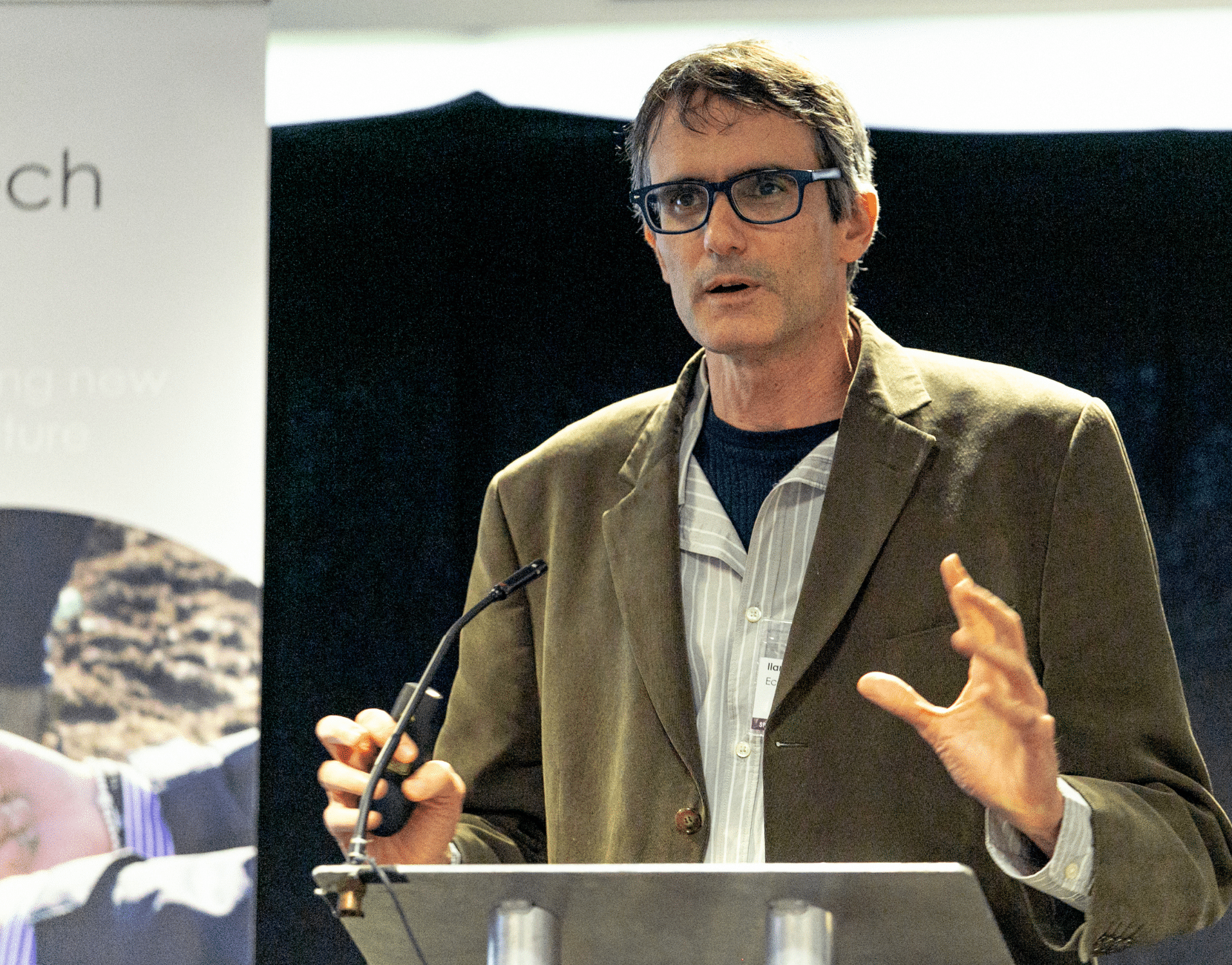
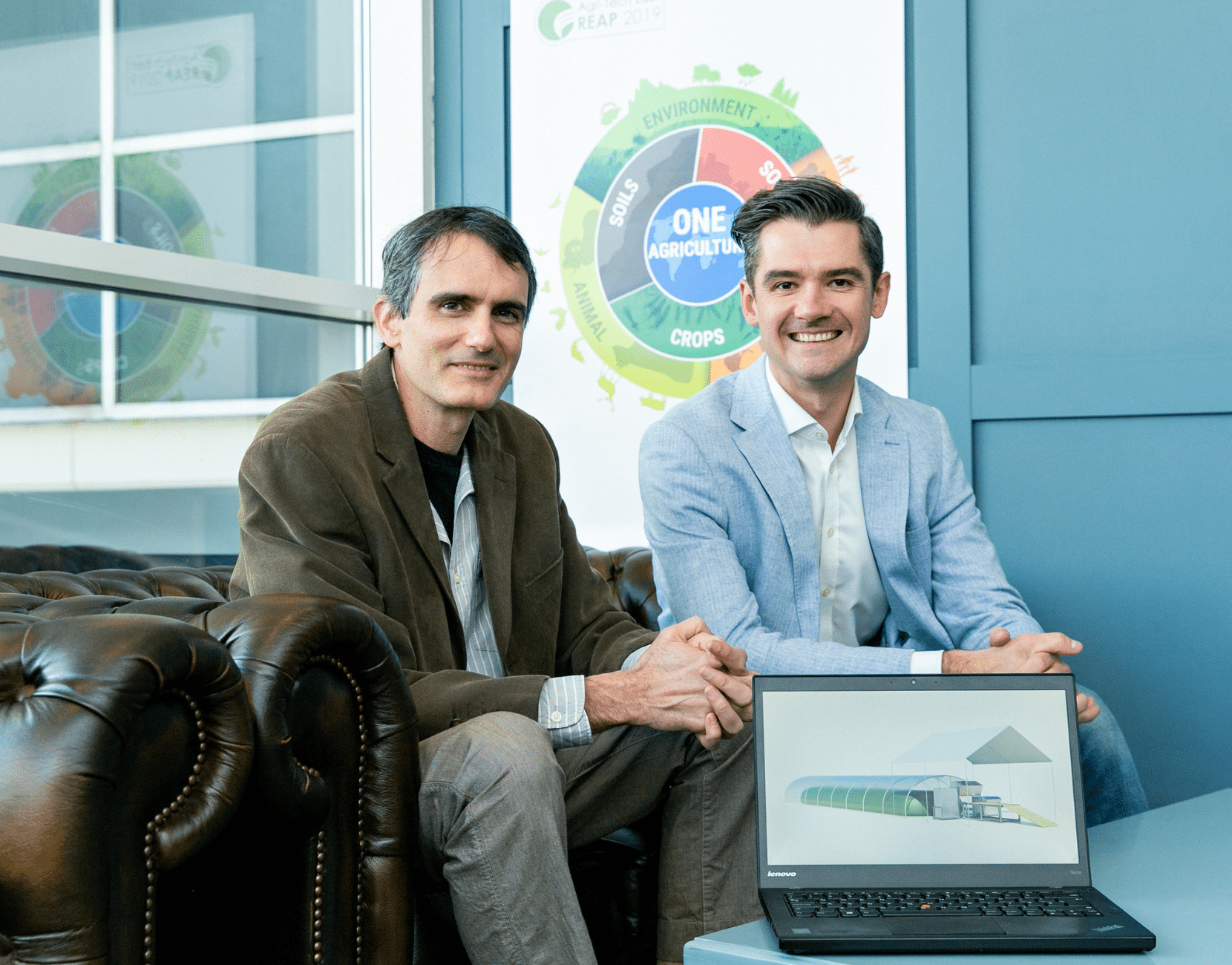
Yet when Ilan Adler, CEO and Founder, pitched his idea at that year’s REAP Conference, he had no idea he was about to spend the next year scaling up, while tackling the setbacks COVID brought.
Now, he has equity investors, clients, and several installations in farms both in the UK and overseas.
This is how he did it.
EcoNomad develops small-scale waste-to-energy systems for farms. The systems are flexible, affordable, and modular, allowing farmers to start with very small units and scale them up over time, whereas large biogas or biomass plants are expensive and unaffordable for most farmers.
“It is estimated that less than 10% of all slurry produced in the UK is treated via anaerobic digestion or other methods. The remaining 90% is usually stored in lagoons or muck heaps, particularly during the times of the year when spreading it in fields is not possible, creating greenhouse gas emissions and other pollutants, as well as occasionally contaminating the subsoil, causing all sorts of problems,” says Ilan.
“But we can use that manure, extract all the energy, improve the product at the other end, create a fertiliser (we call it biofertiliser), and reduce greenhouse gas emissions tremendously, because all that methane is contained and then burned.”
After pitching at REAP, Ilan’s first challenge was one that most people can relate to: COVID.
“The idea of working remotely, especially in a system like ours, where you have to be there in person, you need labs, research, you need farms, it really set us back,” he says.
He also explains that team management became a challenge as the business grew.
Furthermore, Ilan explains that the supply chain was a major obstacle, with suppliers being bought out or going bust.
However, despite the setbacks, Ilan says scaling a business is about learning to be tougher when needed and making difficult decisions to keep the business alive.
Seven years since the REAP conference, Ilan has received around £1 million in grant funding and half a million in investment and is now proud to be working with Siemens through a grant to develop their proprietary hub.
He says the key to any start-up is having the flexibility to adapt.
“The problem is too many companies get stuck and obsessed with targets and plans. But when you write a business plan, you have not the faintest idea what’s going to happen in two years,” he says.
“I think the advice I would give is to try to really give customers what they need and not what you think they need.
“That’s huge when it comes to adoption because most of the time we have these brilliant ideas, but then when you actually start talking to end users, you start realising what is actually needed.”
Ilan also says that REAP was a great event to learn and connect. “I did connect with investors, with other agri-tech companies, universities and finance providers.”
Looking ahead, the company is now working with a big client to be announced soon, where they will be looking to expand into other parts of Europe.
2020: Earth Rover
“REAP has helped to build the profile of the company and technology”
When Earth Rover took to the stage at the REAP Start-Up Showcase in 2020, it was still in its infancy, working with an organic vegetable farmer to find a robotic solution to crop losses.
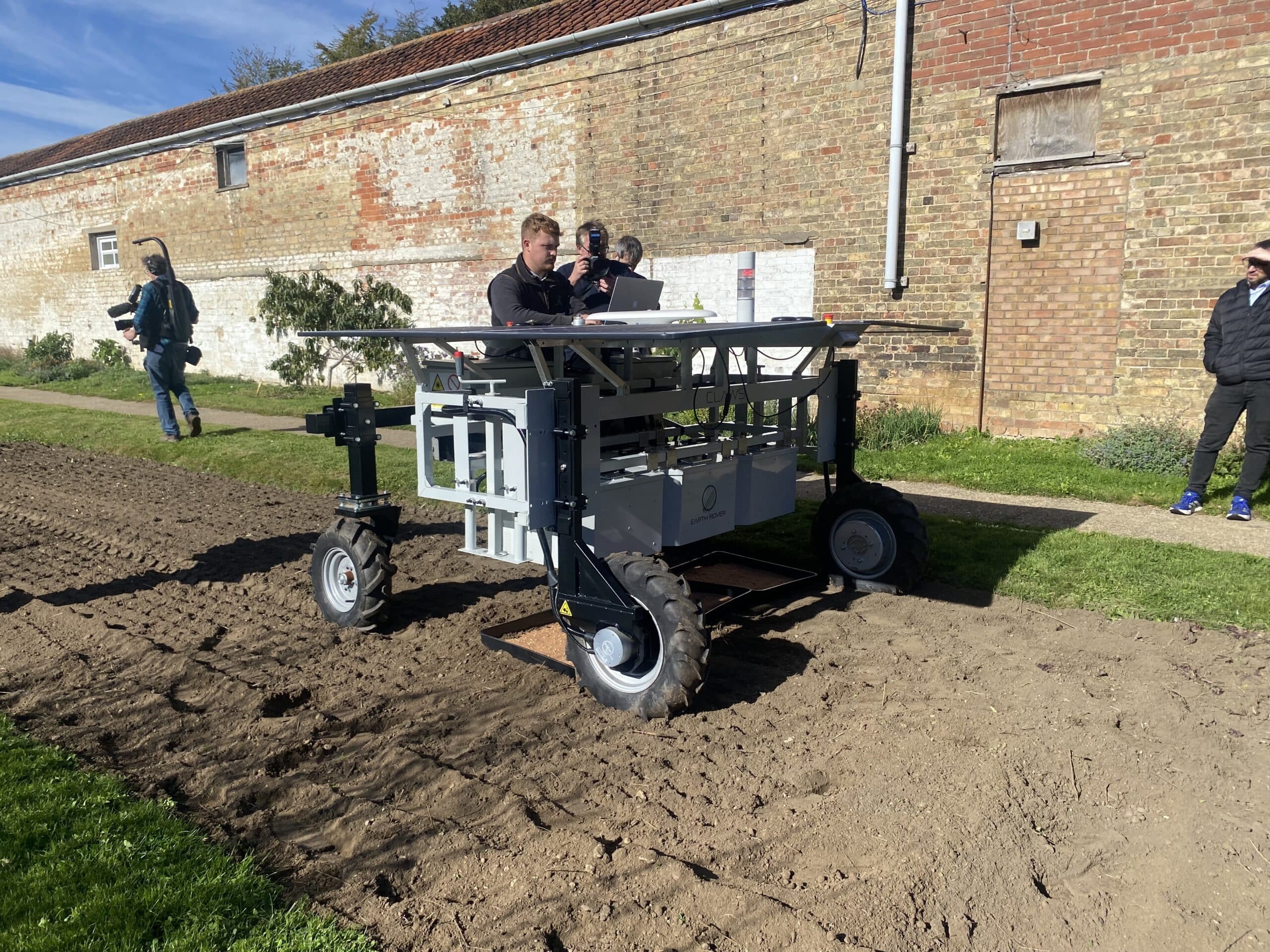
Five years later, the company is now preparing to take its scaled-up autonomous weeding technology into broad-acre farming.
James Miller, CEO of Earth Rover explains: “Earth Rover’s starting point was crop monitoring in organic broccoli. Its scouting rover was designed to understand what was happening to individual plants and identify where losses were occurring. The data quickly highlighted where further opportunities for us to focus the technology fell, and we began developing a concentrated-light weeding system. This evolved into the multi-module autonomous platform that became the CLAWS (Concentrated Light Autonomous Weeding and Scouting) robot.”
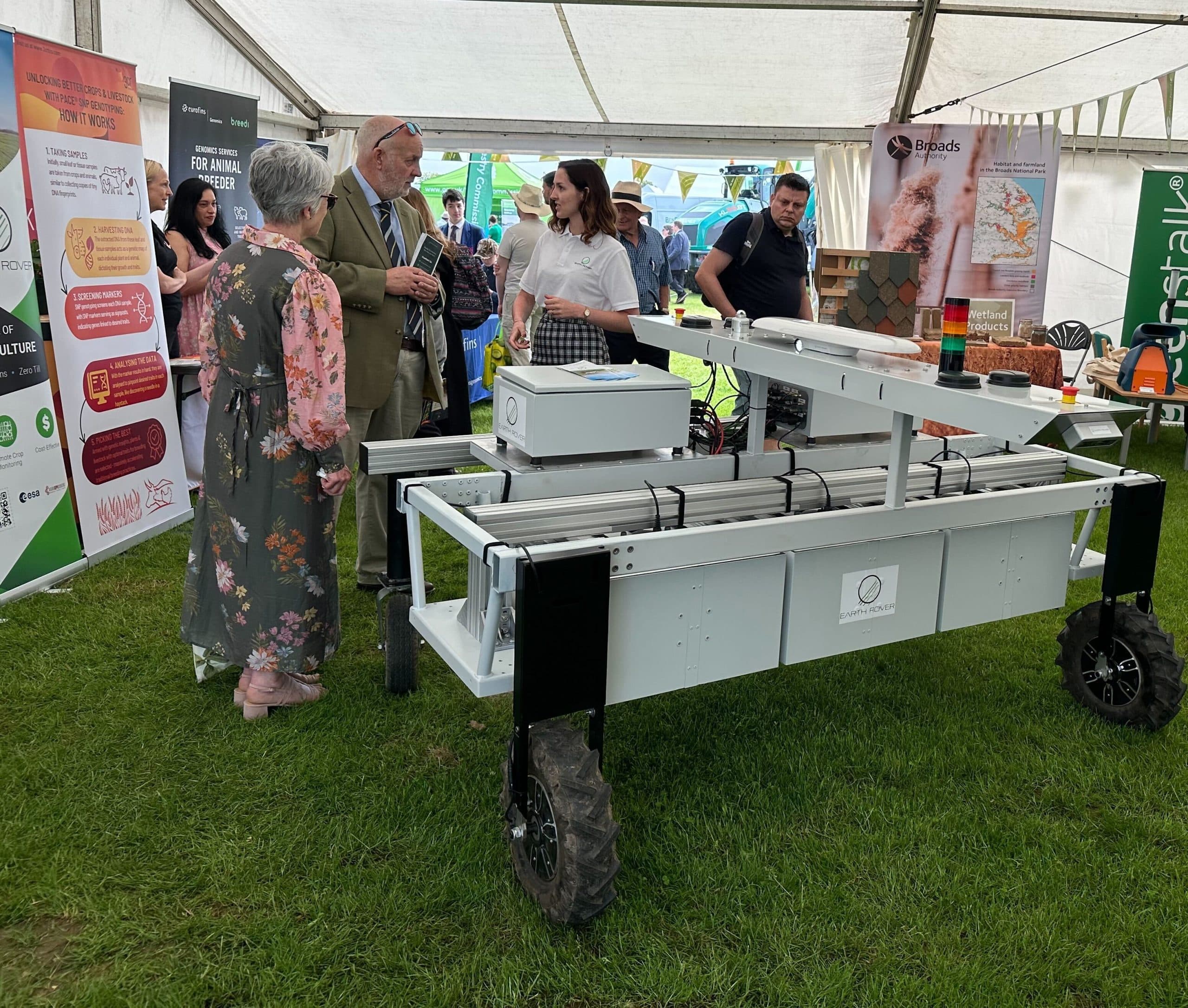
Today, CLAWS combines AI, cameras and satellite navigation to move autonomously through fields, identifying individual crops and weeds. Once it has identified a weed, it targets it with a precise pulse of concentrated light, killing it without disturbing the soil or damaging the surrounding crop. The robot simultaneously scouts the field, collecting detailed information on individual plants and creating data that can help growers understand crop health and growth.
An Innovate UK-funded project helped Earth Rover turn the concept into an autonomous, solar-powered field prototype. Since then, field testing has seen CLAWS work on crops including lettuce, broccoli and tree seedlings, with algorithms developed for crops including carrots and onions.
James says: “Over the last year the company has built and deployed beta units to farms in the UK, Netherlands and Spain, working with growers to understand how weed control challenges vary between crops and locations.”
This year the company has deployed 10 units and is preparing its next batch of 15.
For James, REAP has been an important part of that journey.
“REAP has helped to build the profile of the company and technology,” he says. “The network has also helped Earth Rover prepare for investor pitches and speak to growers about their challenges and where the technology needs to develop.
“The membership has been invaluable in that respect.”
Over the next two years, Earth Rover will work to take CLAWS into these wider cropping systems. They have been awarded funding by Innovate UK for Broad-CLAWS, a project aimed at scaling the technology for crops such as sugar beet and winter wheat.
“CLAWS was never really developed to be a broad-acre solution, but it has always been a product to address the herbicide challenge, whether that’s resistance, loss of herbicides, or just not wanting to use certain products. This new project massively expands our market,” says James.
Visitors to REAP will be able to see the CLAWS robot live at the Earth Rover stand.
2017: Petiole
“Attendees of the REAP Conference believe that new technology can solve challenges for farmers”
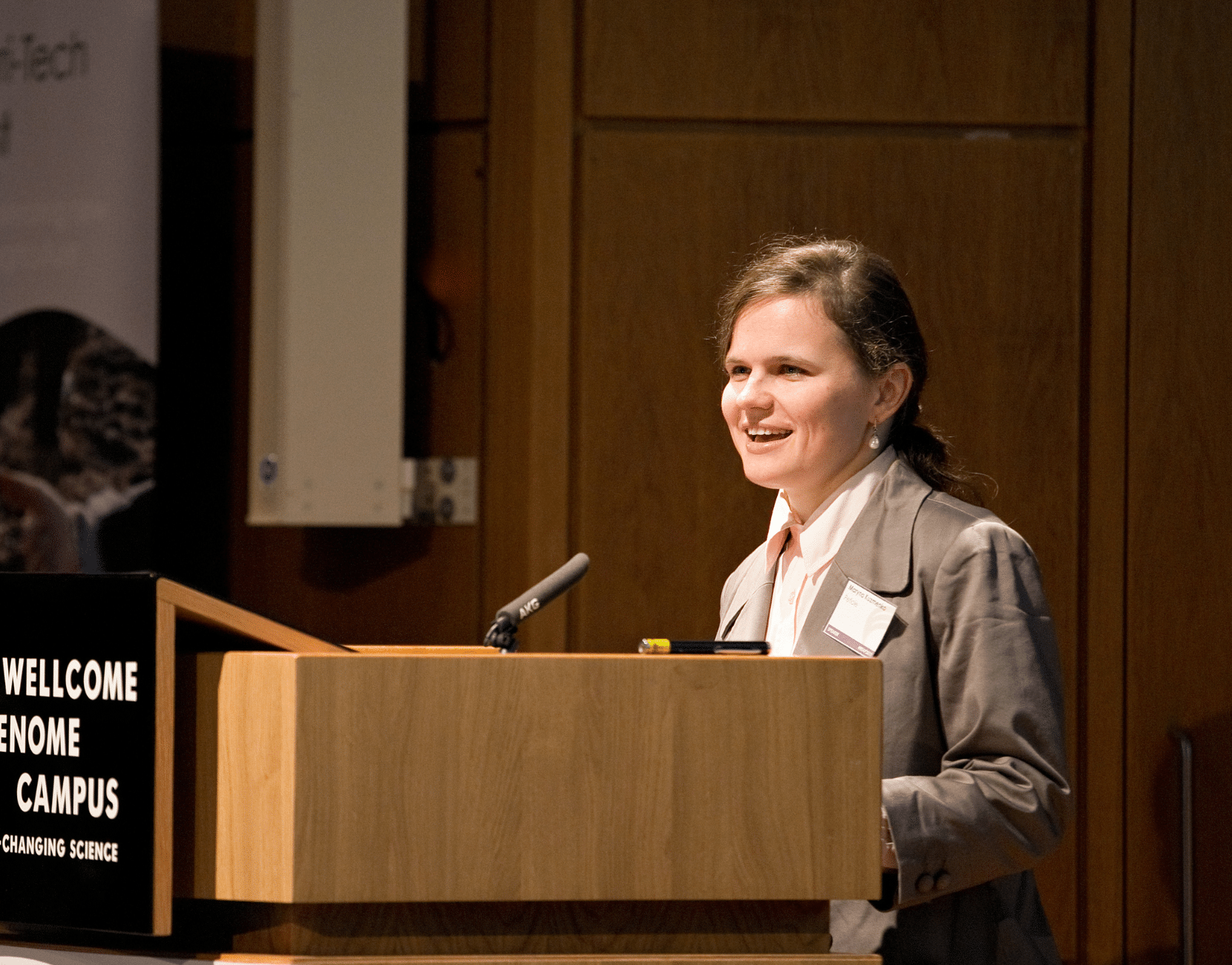
Dr Maryna Kuzmenko, CEO and co-founder of Petiole presented at the REAP Conference in the 2017 Start-up Showcase. Back then, machine learning was still a nascent technology in agri-tech, enabling computers to interpret crop imagery, identify patterns and generate predictive insights.
It also enabled plant phenotyping by measuring leaf area, which is how Petiole used its machine learning developments. “For a long period of time after that, we continued to focus on leaf area measurement,” explains Maryna.
Scientific research papers regularly cited Petiole as their method for measuring leaf area, a count that has now risen to more than 140 reviewed papers. The team received requests from these scientists to help measure other phenotyping parameters using the technology they had developed. They began by adapting the application to leaf greenness, but it soon expanded into completely different areas.
“In 2022/23 we received an Innovate UK grant to develop an early-stage pest detection tool for false codling moth. This is an invasive pest from Africa that can come in on imported chillies and is very adaptive if it is able to enter the country,” she explains.
They have also applied their machine learning expertise to apple scab monitoring and thermal imagery analysis of dairy cows to monitor herd health. It’s a successful pivot for Maryna and the Petiole team, adapting their technology to a range of applications as opportunities arise.
Their evolution is perhaps indicative of the maturity of the UK agri tech sector in 2026, and the journey it has been on since the heady days of 2017, when many more companies existed as a one stop solution. Whereas now, the sector is much more collaborative and interconnected.
“REAP 2017 was the first ever UK agri-tech event where I spoke about Petiole. It was such a generous offer from Agri-TechE. The audience’s engagement showed us that others were interested in our idea.
“With this, we just helped with the one task, which was to measure leaf area. But in production, we work with a much wider range of challenges. Petiole was a great basis; however, now we are working at a much higher level,” says Maryna.
And what is her advice for this year’s Start-up Showcase speakers? “Be as honest as possible. Share the reality, which everyone knows means that some things are working and some things are not yet.
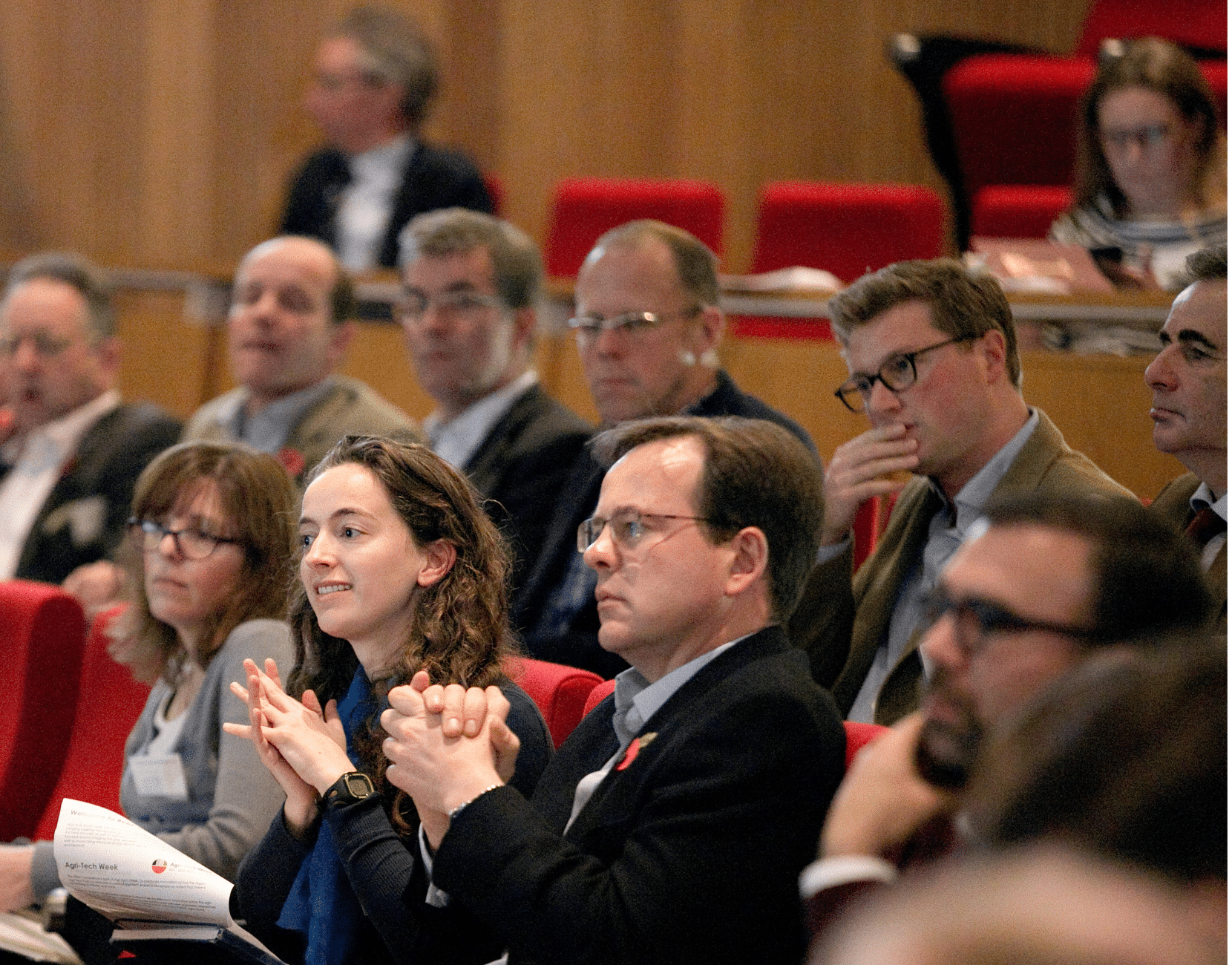
“Attendees of the REAP Conference believe that new technology can solve challenges for farmers, but they also know there are issues that need to be overcome.”
Start-Up Showcase at the REAP Conference
The Start-Up Showcase is REAP’s platform celebrating exciting new technology companies in agriculture and horticulture. Each year it highlights emerging technologies with the potential to shift practice on-farm, offering delegates a first look at the ideas and solutions moving from protype to real-world use.
Ilan, James and Maryna will all be at this year’s REAP Conference, on 4th November at Peterborough in our session Beyond the Showcase – Where Are They Now?
To hear them – and see the reveal of the 2026 cohort, join us at REAP – for more information and to purchase tickets, visit Agri-TechE’s event booking.
Post Overview
Agri-TechE Related Posts
In Conversation With: Henry Grover, Videographer of Ponda’s latest short film
Melon Quality Improvements Continue

Innovative vets adopts agri-tech for early dairy disease detection
AbacusBio believes the Precision Breeding Act presents a ‘huge opportunity’
ATW 2025: Pioneer Gene-Editing in Agriculture