Government Unveils a Roadmap for Farming
 Agri-TechE
 The new Farming Roadmap published by Defra sets out the ambition for the sector in England between now and 2050, outlining how the inter-linked pillars of food production, environmental delivery and economic viability will be co-delivered.
One thing is clear – there is no shortage of ambition. As part of its extensive consultation, Defra has obviously been wrestling with the multiple challenges of maintaining food production and supporting profitable farming, while moving towards a lower-impact, market-led and climate-resilient system.
The roadmap is hugely ambitious – and describes a positive future for a productive, profitable, resilient and sustainable sector. It stops short of claiming actual Utopia but if the vision is achieved, the industry will certainly be in a much stronger position, with new approaches to land management, business models, and partnership across government, industry and the sector.
The question is, how realistic and achievable is it, given the global geo-politics and the more immediate instability within the UK government?
Confidence and clarity – and no shortage of plans
Business confidence is critical – and that comes with clarity of policy, regulation and investment.
The Roadmap brings together the “farming relevant” parts of the government’s statutory commitments on climate and nature, (as set out in the Climate Change Act 2008) and the Environment Act 2021, alongside previously published plans for food security, land use and farmed animal health and welfare. So there are some long-term plans to which the Roadmap is aligned.
It also highlights the complementary roles of Government, markets and supply chains and indeed farmers themselves in delivering the Roadmap.
Three priority themes:
The Roadmap addresses three main themes:
- profitable and productive: supporting farm business performance
- sustainable: farming for the environment and sector sustainability
- resilient: building a resilient farm business
There will no doubt be those who will argue about a potential over-emphasis on environmental issues, but there is clear recognition of the value of ecosystem services to deliver the much-needed profitability and production. And it delivers longer-term confidence in the future of the “Public Money for Public Goods” agenda.

Investment in Innovation
Alongside the myriad of issues which will be addresses (including, among other things, fairness, acknowledgement of the specific challenges of tenant farmers, and planning), there are some clear shorter-term commitment.
Alongside the new £53m announced on the same day, there is an increased commitment of £15m in the Genetic Improvement Networks from 2026, as well as a National Soil Monitoring baseline and the deployment of a TB cattle vaccine, with a view to being TB free.
Funding and research will also be targeted towards projects that reduce livestock emissions, including selective breeding, methane suppressing feed products and novel grazing regimes, enabling productivity through improved nutrient management and support for integrated pest management and agroecological approaches
The Role of Regulation
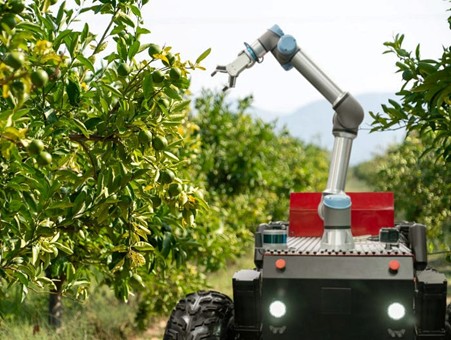
Part of the building on confidence includes the provision of “enabling regulations” for which the UK is famed. The Roadmap commits to delivering the Precision Breeding Regulations (2025) for precision-bred plants, as well as modernising fertiliser legislation alongside the devolved administrations, and developing a regulations and standards hub for agri-robotics.
Right now, the Roadmap is for England only. There are undoubtedly opportunities for stronger alignment with policies in Scotland Wales and N Ireland particularly where innovation, regulation and markets intersect.
So, finally we have the long-awaited “North star” of the direction of travel for the industry. If this is indeed the agri-food industry of 2050, the future is looking rosy.
Let’s hope the journey isn’t strewn with too many thorns.
You can read the entire Roadmap on the Government’s website.
Post Overview
Agri-TechE Related Posts
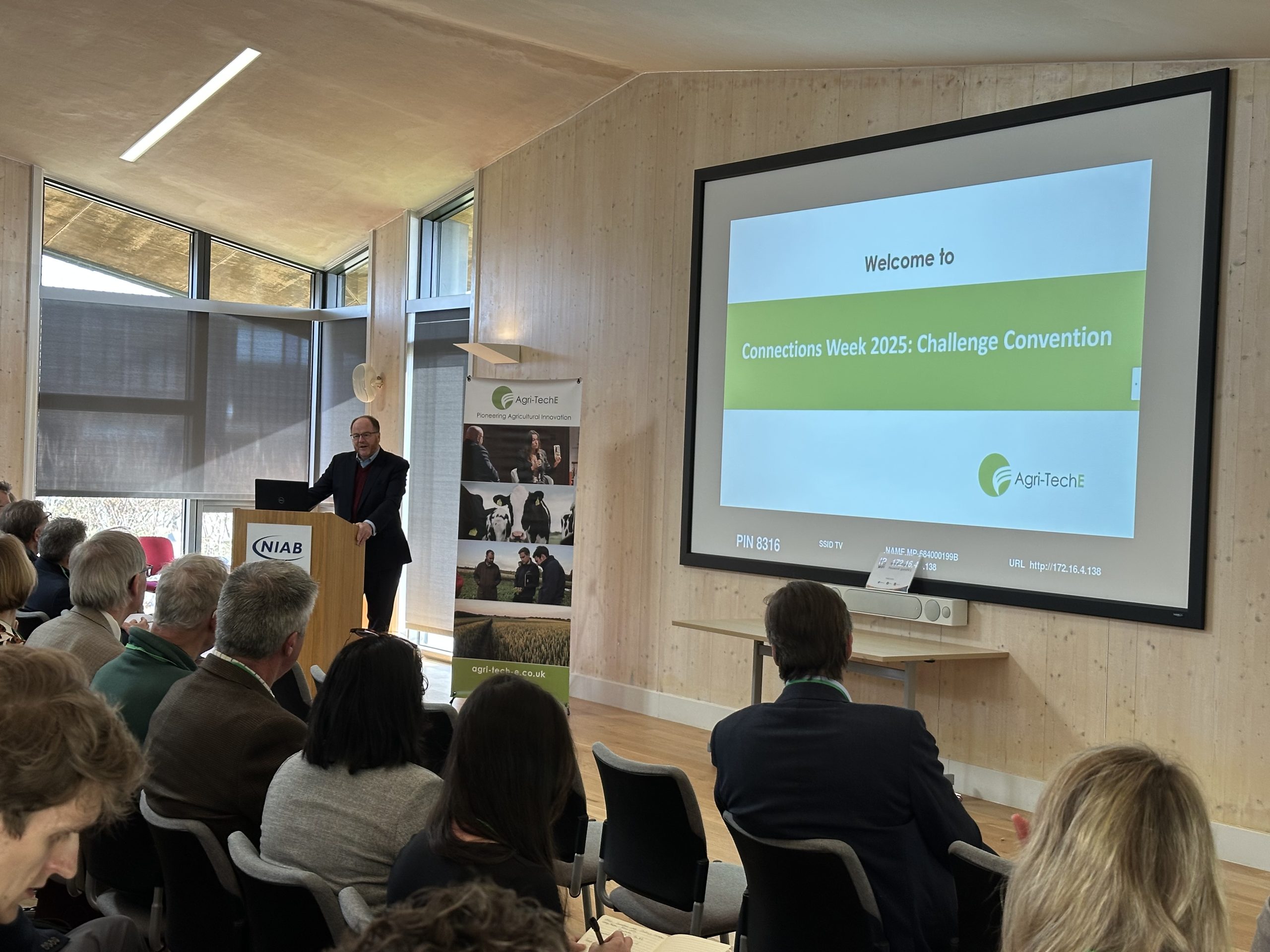
Challenge Convention defines what needs to change in agri-tech

Stable launches risk management platform and seals $6m seed funding round
Funding Alert: New DEFRA grant competitions now open for Agri-TechE innovators
MycoNourish raises funding to improve crop production with innovative customised microbes

Join Our Journey: Why We’re Opening Ponda Up to Our Community