Warm‑weather chickpea dreams are a fantasy without policies that enable production
 Processors and Growers Research Organisation (PGRO)
Opinion – Roger Vickers, CEO Processors and Growers Research Organisation (PGRO)
Reports from modelling exercises are always interesting, as much for the way in which they are presented as for any conclusions they might suggest.
The UK’s Climate Change Committees latest risk assessment, A Well-Adapted UK is no different.
PGRO has been deeply immersed in the production of grain and vegetable legume crops in the UK since its inception in the 1950s and over the decades has probably done more than any other organisation to research and inform growers in ways to optimise production of those crops.
Within the CCC report, proclamations about weather events are boldly stated with certainties. For example, in the section “Priority risks under 2°C of global warming by 2050 – by 2050, at around 2°C of global warming, the UK’s climate will be fundamentally different from the climate of today”, yet many impacts such as rising sea levels have been asserted over decades with defined timeframes passed, still not yet realised.
This does not mean that they won’t happen, more simply that the apocalyptic nature of their predicted impact, imminence, and the imperative for required reaction is less certain. The report presents what are read as certainties regarding agriculture, for example in Section 5. Keeping farming viable – “New crops will need to be grown that are more appropriate for future climate conditions” and “Crops such as oranges or chickpeas will become viable in the south of the UK with warmer average temperatures”.
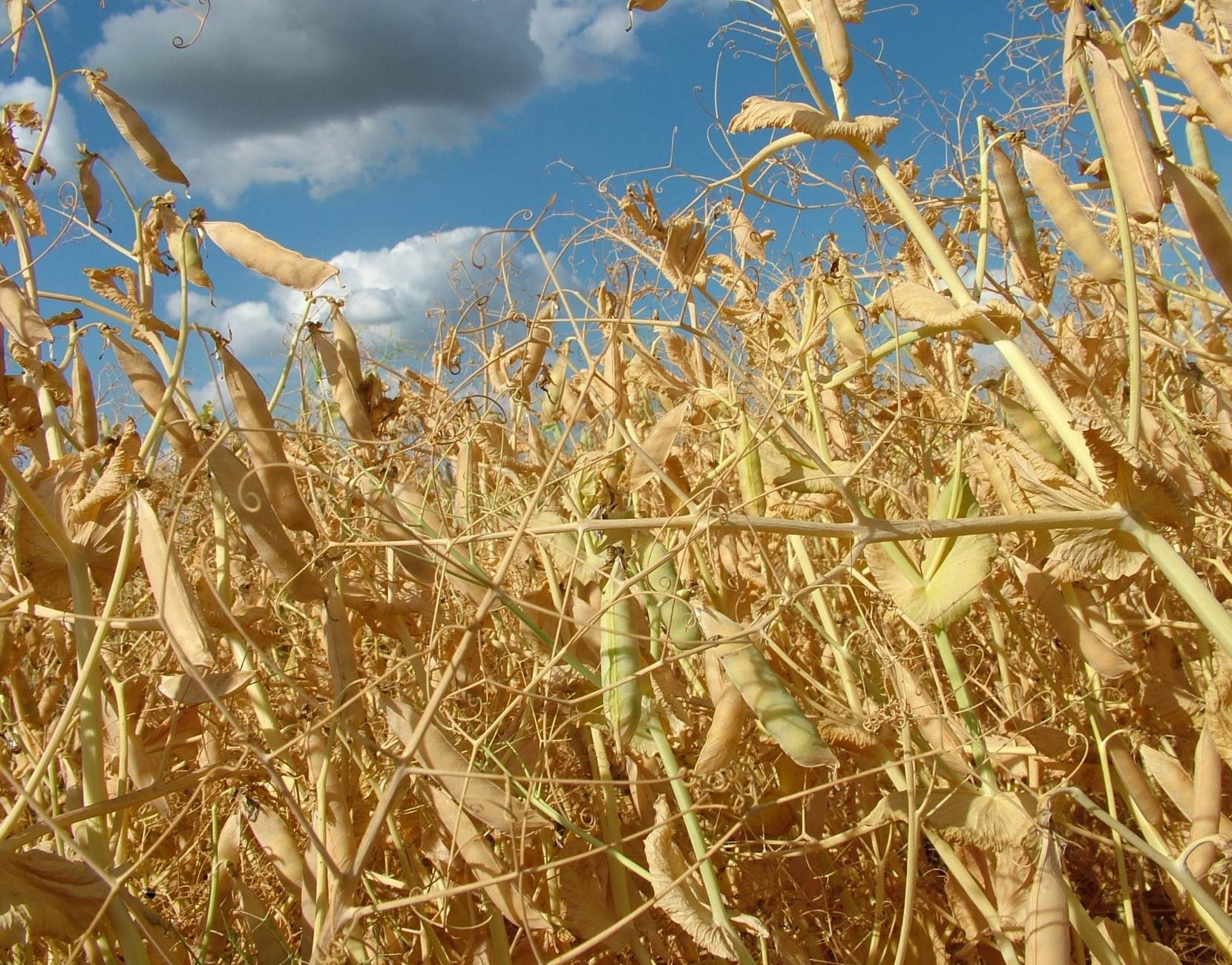
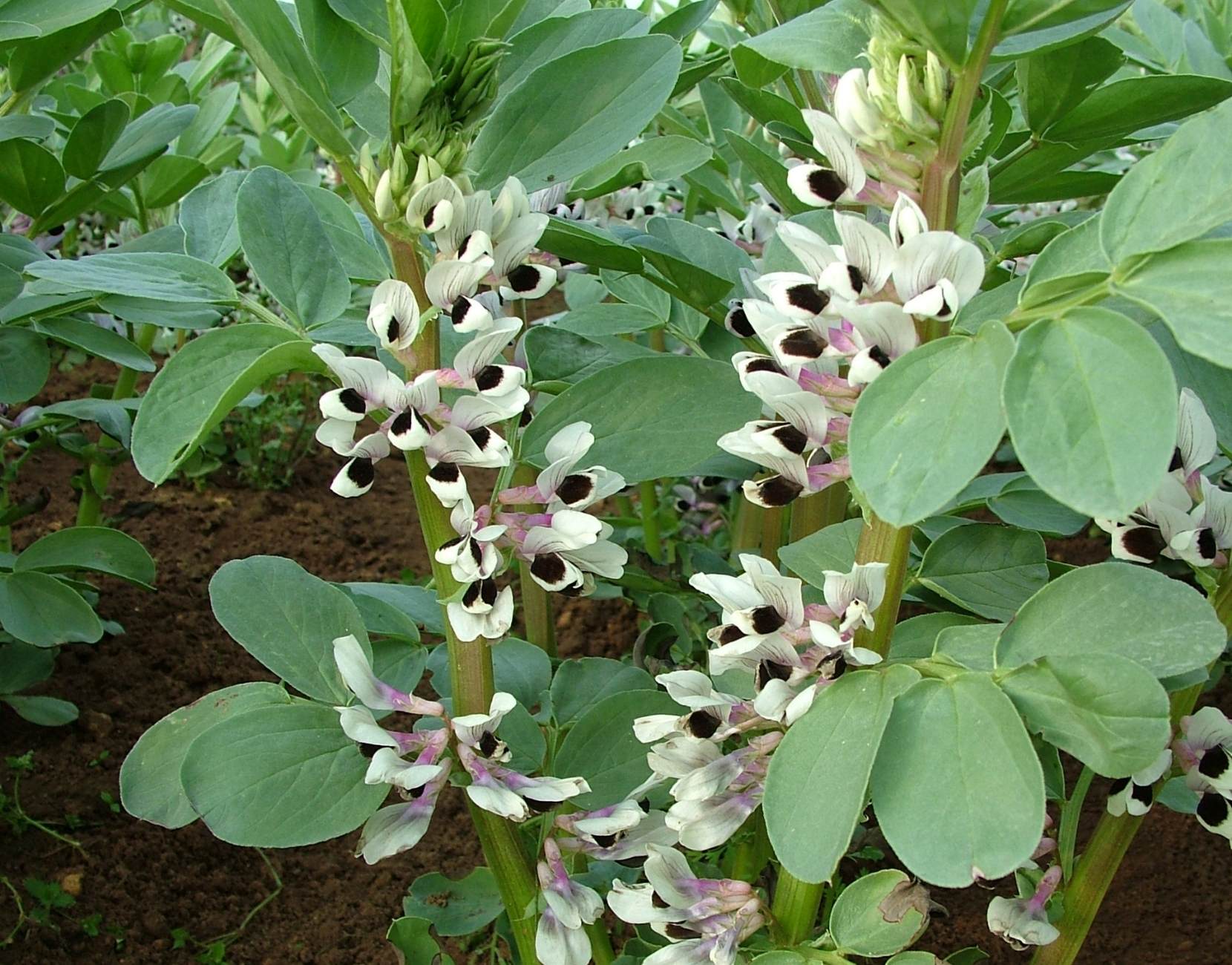
We are often asked about the opportunities for new crops and are always keen to support the enthusiasm for pulses and other grain legumes. These crops offer so much for the wider rotation and the environment and cropping resilience that they really do deserve to be more widely produced. The dominant, well established pulses in the UK are peas and faba beans and for many, while they may enjoy great results, there is significant room for improvement – a major frustration being elements outside their direct control – by which I refer to the weather.
In reality no one knows what the weather is going to do in any one season, let alone forecast for seasons ahead with any degree of meaningful accuracy.
Increasingly, a considerable challenge for farmers and all in agriculture is not necessarily the range of the variables in the weather, but the variability of the actual weather patterns received.
If weather patterns change in a predictable way, certain crops may become more viable, but significant year on year variation in temperature and rainfall patterns is likely to be a real drag on enthusiasm and investment in any new-crop area. Just as variability frustrates growers of the traditional crops that we know and understand, similar or more extreme variation in crops that are not established here will be a significant barrier to many within the supply chain, not just growers.
Breeders are unlikely to have material ideally suited to prevailing conditions and are unlikely to breed for conditions they cannot predict or for markets that are too small for meaningful uptake. Industry is unlikely to invest for post farm gate processing of marginally produced volumes. Agronomic inputs are unlikely to receive investment if the crop areas are forecast to be so small that returns on developments and registrations are unlikely. These are economic realities, which in turn can be influenced by policy choices.
Growers need to see the opportunity to make a return on their cropping investments. This can only happen if they perceive a realistic chance of marketable yield and a supply chain that is prepared to pay for and take the produce with significant margin.

In my opinion, a lot needs to happen for this to realise a significant change in UK agricultural cropping, not just a suggestion that the weather is warming up.
But there will be those looking at alternative pulses, including lentils and chickpeas and they may start the ball rolling in small, short supply chains in areas of niche climatic suitability.
Reports such as this one present strident warnings and, with increasing repetition, the message becomes ever more shrill. For those in agriculture and supporting industries, the messaging is not the only important factor.
Clear direction and support in achieving it are required, and this is rarely if ever apparent.
Government cannot rely on industry to implement meaningful change at its own expense on such a proclaimed long-term timeframe as these are structural, geographic, economic issues beyond individual businesses.
If governments believe in the messages these reports proclaim, they must set policies that support the change. And these policies must sustain action throughout the supply chain. Growers will never be able to make meaningful change to the food supply chain alone. Mere suggestions of alternative cropping opportunities are not enough.
Post Overview
This story has been submitted by an Agri-TechE member.
Related Posts
A Well‑Adapted UK signals a shift in British farming

New tool unlocks non-GM routes to fast-track breeding and crop innovation
ATW 2025: How can Agriculture Decarbonise the Supply Chain?
ATW 2025: Pioneer Gene-Editing in Agriculture

AbacusBio believes the Precision Breeding Act presents a ‘huge opportunity’