Dyson’s Fresh Approach to Agri-Tech Innovation
 Agri-TechE
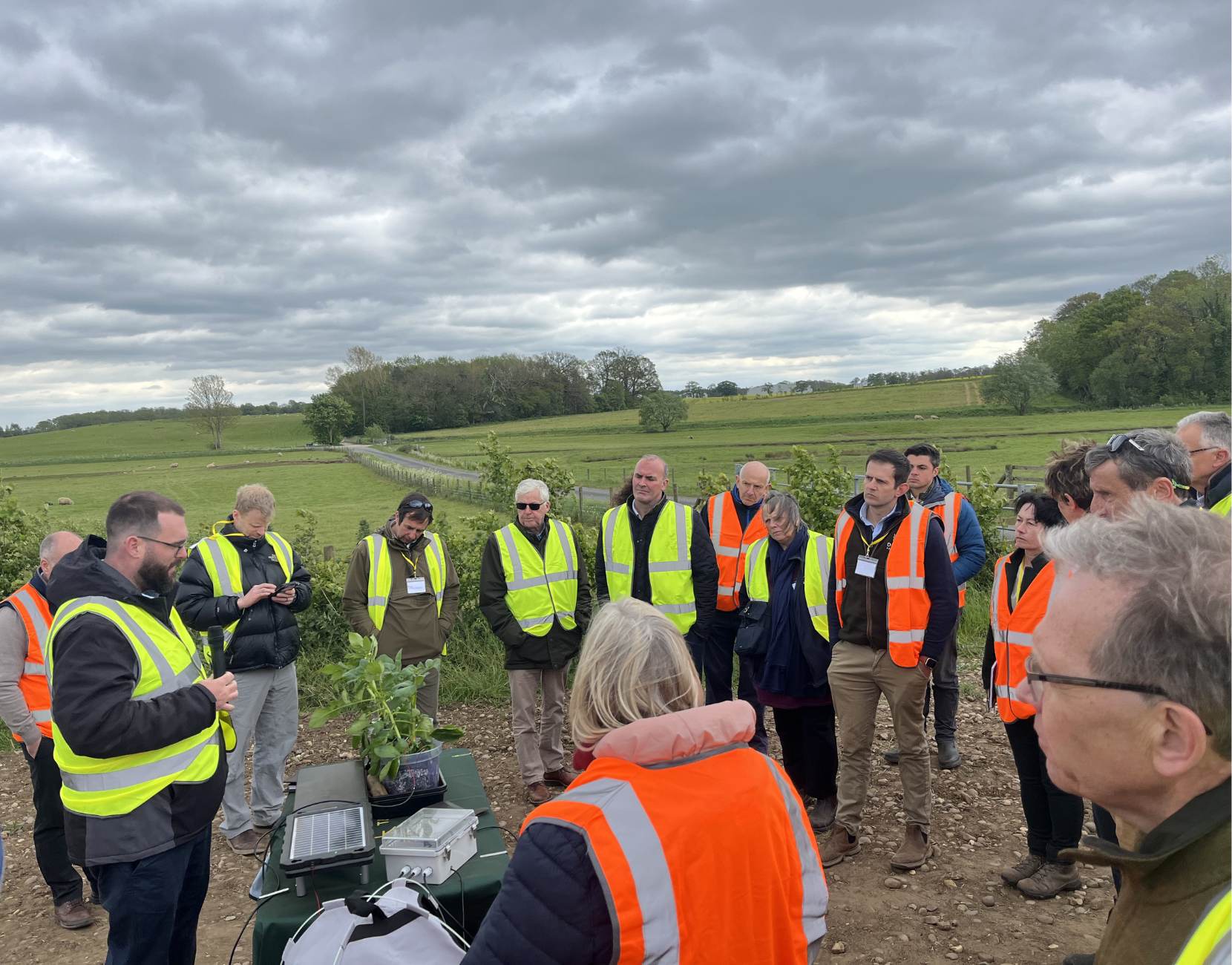
 A new agricultural “proving ground” facility for ideas and innovation to develop and scale – and be integrated into business practice – has launched in the UK.
The opening event of the Dyson Farming Research Centre (DFRC) reinforced the increasingly powerful narrative that agriculture is unlikely to be transformed one research project, or one start-up company at a time.
Innovation “stacking and bundling” is needed, curated by people with the knowledge and oversight of the entire farming system.
Set on a dedicated area of land on the Nocton site in Lincolnshire, and managed by its own research team, the DFRC has been designed to accelerate agricultural innovation in a way that hasn’t been seen before in the UK — perhaps even across Europe.
Its mission is ambitious: to create a practical forum where farmers, researchers, technologists and agronomists can work together to collectively solve farming’s biggest challenges.
No time to lose
For Daniel Cross, Managing Director of Dyson Farming, the need for change is urgent. As he pointed out, more than $8.2 billion in agritech value has reportedly been lost over the past decade through failed ventures and businesses that never achieved meaningful deployment on farms.
One reason, the Dyson Farming team believes, is that too much innovation happens in silos and too little is driven by farmers themselves.
The DFRC aims to change that.
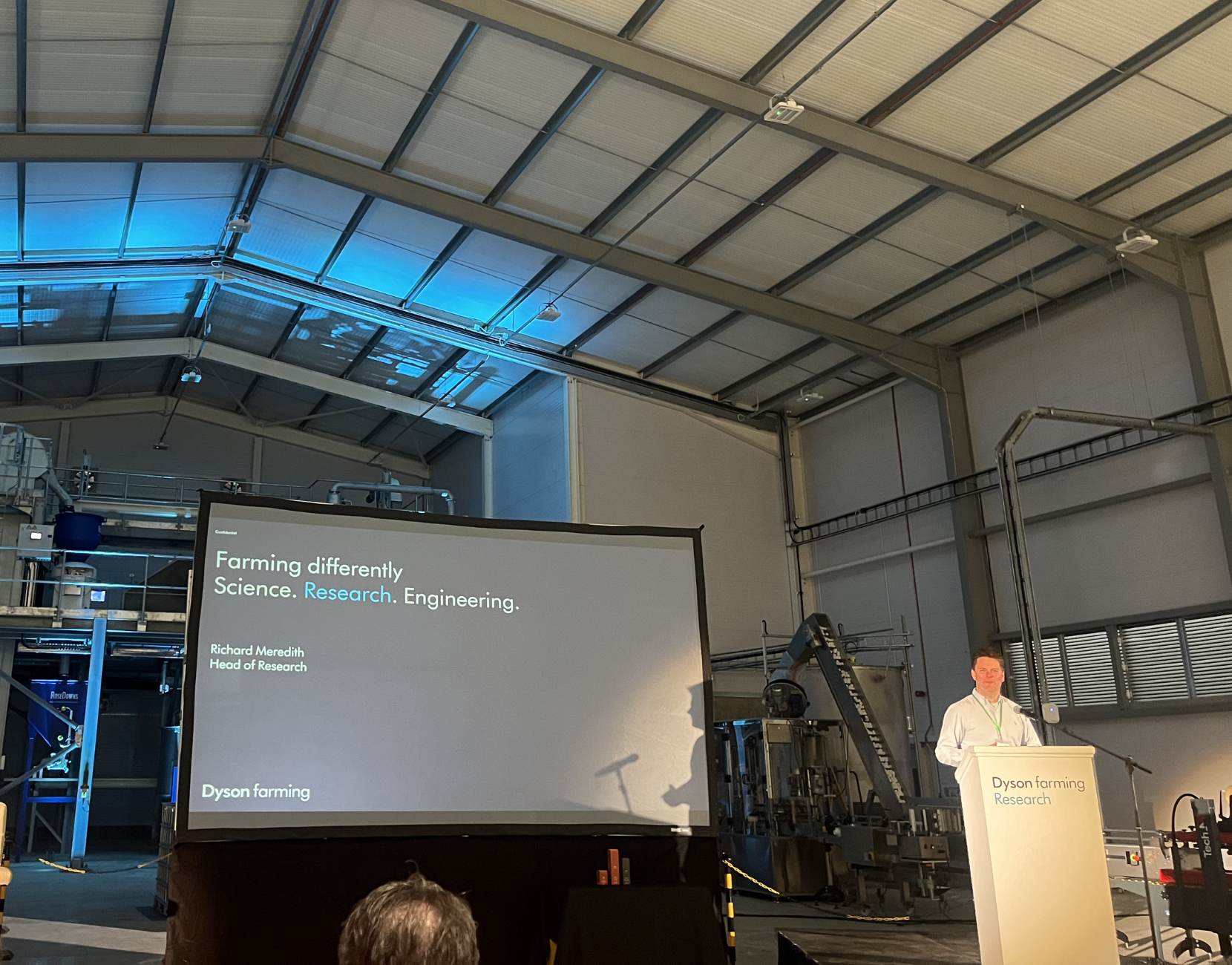
Richard Meredith, Head of Dyson Farming Research explained three step process that emerging innovations will undergo at the facility:
- IDEAS – multiple potential solutions will be screened and tested to ascertain their wider viability
- TEST – promising trials will be expanded to generate better understanding of the most promising concepts
- ACTION – the practical – as well as the economical successes are evaluated – followed by potential integration and scale-up.
Tech stacking and integration
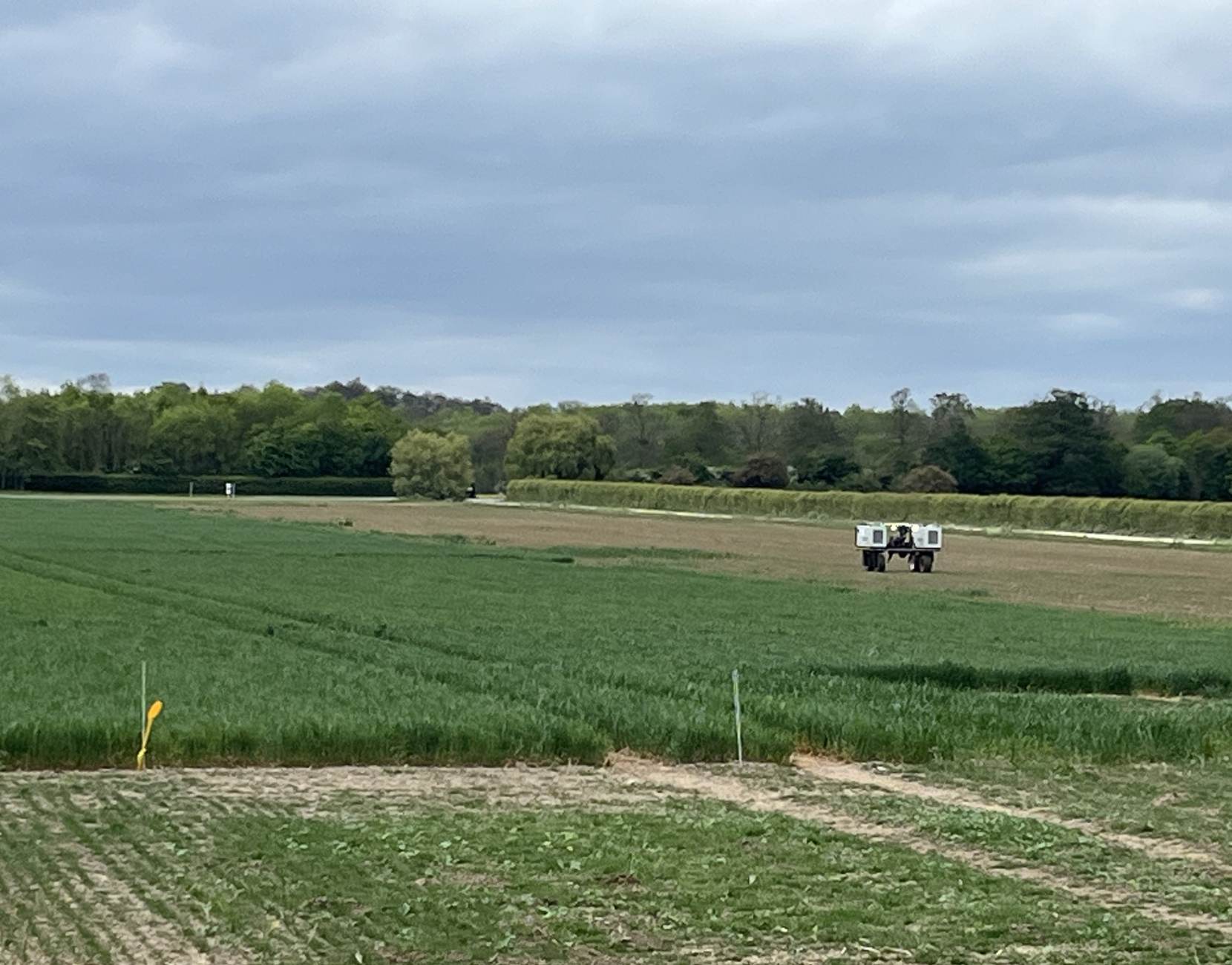
Rather than simply testing technologies in isolation, the Centre is focused on combining solutions across entire farming systems. Robotics, genetics, agronomy, biologicals and AI, for example, are all seen as potential interconnected pieces of a holistic system. As Daniel Cross explained during the panel discussion, a technology may be valuable on its own, but it only becomes transformational when integrated into a complete farming operation – at scale.
Dyson Farming has the capacity and capabilities to make that possible.
The privately owned business farms 36,000 acres across Lincolnshire, Oxfordshire and the South West, meaning innovations can move rapidly from small-scale trials to whole-farm deployment. This “Learning By Doing” philosophy — rooted in Sir James Dyson’s long-standing approach to innovation — encourages experimentation while learning from failures.
Overcoming data difficulties
That mindset is already shaping how the business uses data. Over the last two years, Dyson Farming has invested in building the infrastructure needed for AI-driven agriculture. Telemetry is gathered from every machine. Environmental monitoring includes bird counts, pollinating insects, water quality and crop stress indicators. The business has even developed its own farm management platform to provide unification and inter-operability across the entire farming system.
Today’s average farmer may use as many as 18 separate apps to run their business. Dyson’s ambition is to consolidate these data streams into a unified intelligence platform capable of delivering actionable insight in real time. And crucially, to ensure they deliver for the bottom line.
According to Chief Financial Officer, Sheener Ooi, the mantra is simple:
Data → Insight → Decision → Action → Margin.
Artificial intelligence is also expected to play a major role. Cross believes AI is already improving workplace productivity, but the next leap will come through “agentic AI” — systems capable of connecting datasets, identifying patterns and uncovering insights humans may never spot manually.
No wrong answers
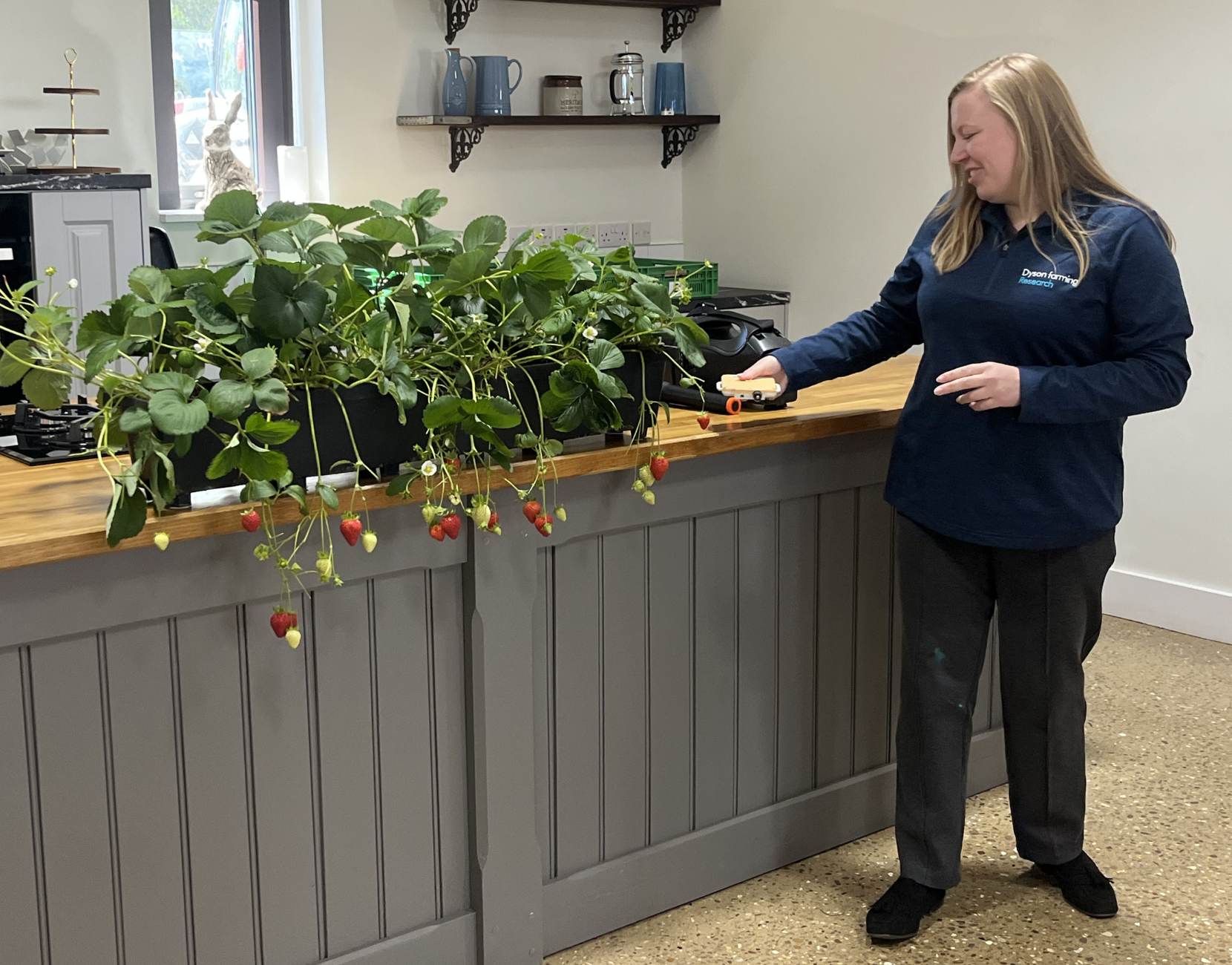
Alongside advanced analytics, the DFRC is also embracing unconventional thinking. During one session, speakers referenced James Dyson’s philosophy of “wrong-thinking”: deliberately approaching problems from unexpected angles to uncover breakthrough ideas. Whether it is robotics in strawberry production, potatoes grown in fog-based vertical systems, or textile fibres made from potato waste, the centre is intentionally creating space for unlikely collaborations.
Ultimately, the DFRC is positioning itself as an open platform for the industry. The leadership team repeatedly emphasised that agricultural transformation cannot happen in isolation.
The invitation is clear: collaborate, challenge assumptions, and build the future of farming together.
To find out more, contact [email protected]
Post Overview
Agri-TechE Related Posts
We reveal the Top Eight Innovations in the REAP 2025 Start-up Showcase
MTC driving agri tech innovation through robotics and the success of its AgriScale programme
Connect, Co-Develop, Co-Exist: the REAP Report 2025 is launched
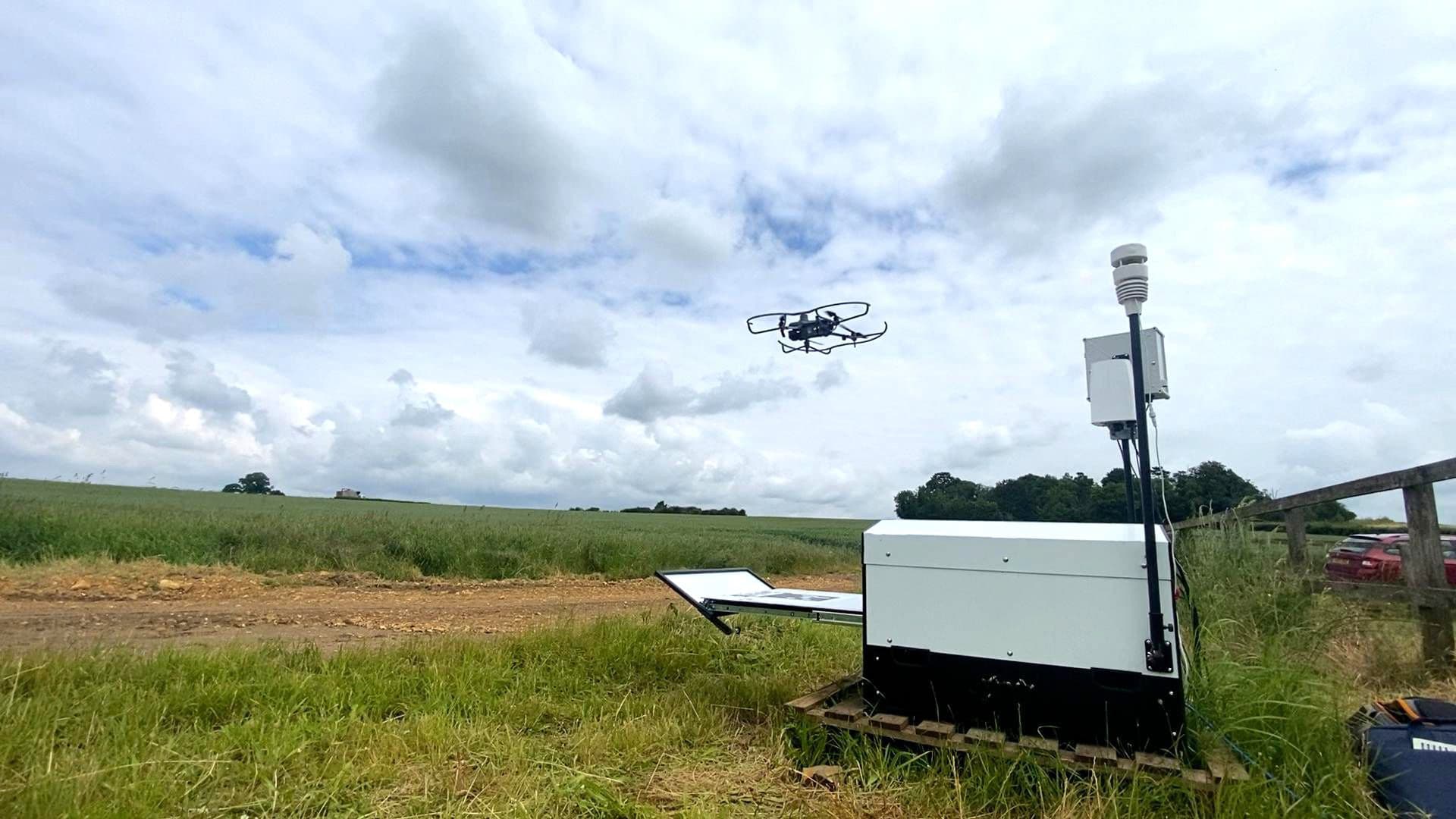
UK-based Drone Ag gains unique ENAC BVLOS authorisation for autonomous crop-trial monitoring in Italy
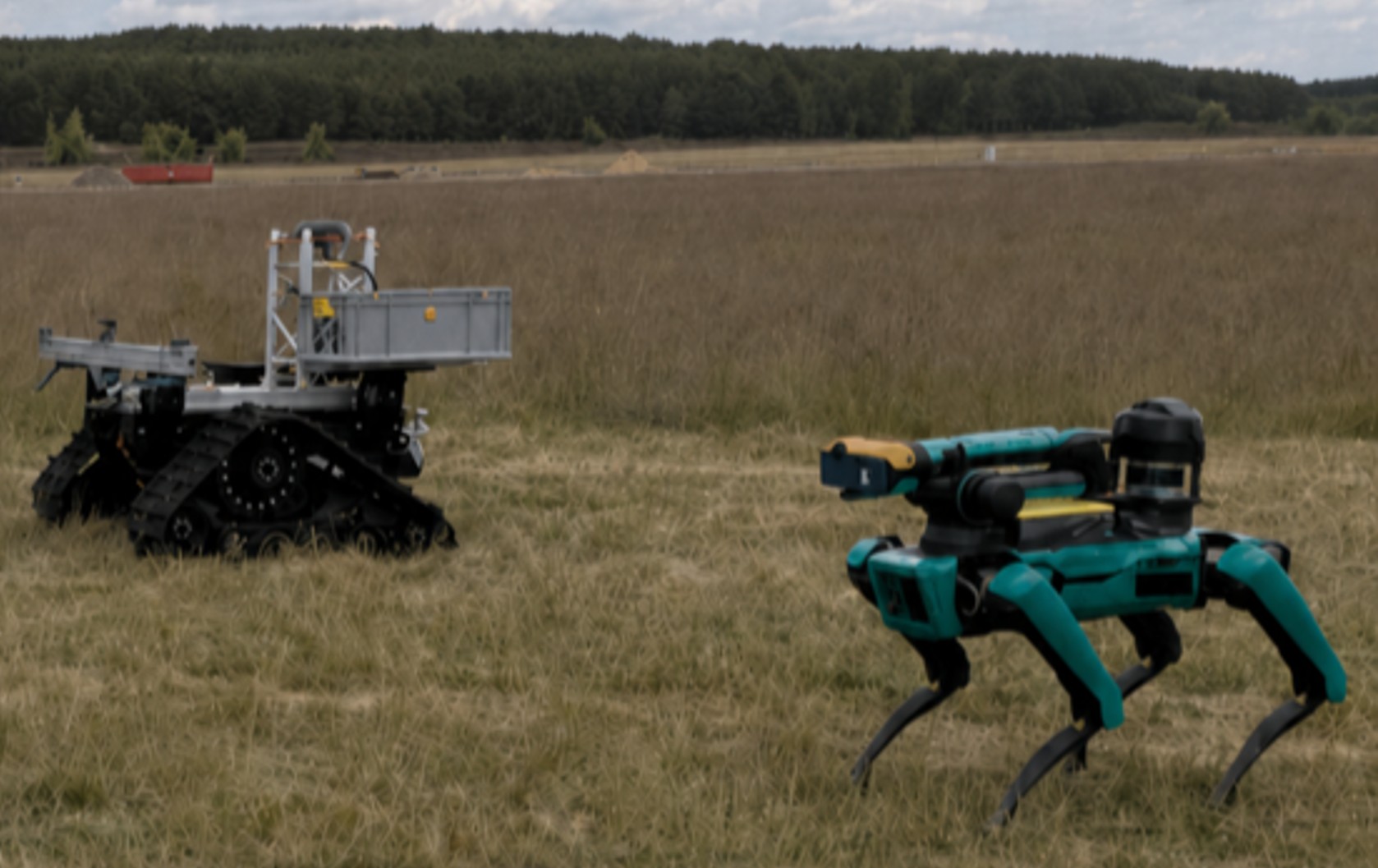
Bringing Roboverse to the UK, turning promising robots into practical farm systems