New BioTransitions global scale-up programme launched at Norwich Research Park for agri-food biotech businesses
 Norwich Research Park
Anglia Innovation Partnership, the campus management organisation for Norwich Research Park, has announced that Bayer, a global leader in health and nutrition, will be supporting its new ‘BioTransitions’ programme with a three-year sponsorship.
The ‘BioTransitions’ programme will initially focus on supporting ‘Seed-to-Series A’ companies operating in the agri-food biotech sector. As well as supporting companies already based at Norwich Research Park, the programme will aim to attract agri-food biotech companies from elsewhere in the world who will benefit from the specialist skills pool and technology platforms available on the Park’s campus as well as the bespoke programme of support and network of connections on offer.
The ‘BioTransitions’ programme will help companies with their investment strategies, intellectual property (IP) and patent applications, field trials, access to advanced technology platforms, marketing strategy, network of contacts in academia and industry, as well as accessing the expertise of the sponsors of the programme, including Bayer.
The term ‘BioTransitions’ refers to the use of biology to help the planet move away from its reliance on petrochemicals. Thanks to the extensive research carried out in this discipline across its campus, Norwich Research Park has a unique capability to deliver multiple potential solutions.
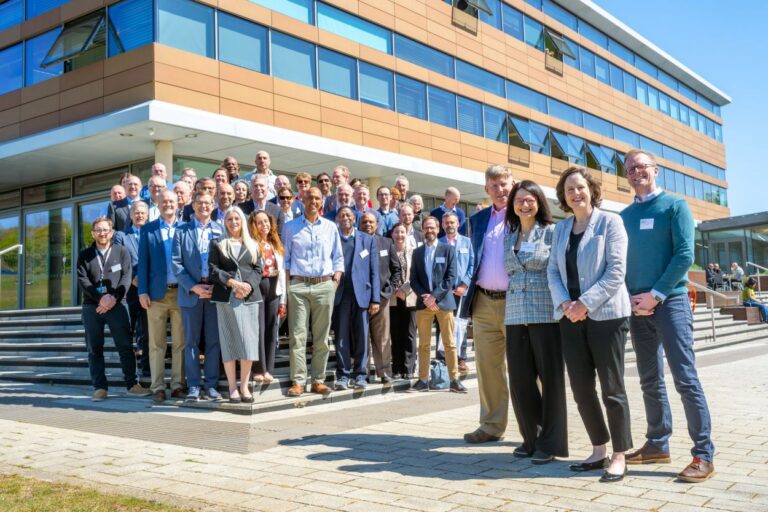
The announcement was made at a reception Anglia Innovation Partnership held on Thursday 23rd April at Norwich Research Park for a visiting delegation from St Louis, Missouri in the US. St Louis is home to a similar cluster of plant science and pharmaceutical research organisations and businesses, known as 39 North AgTech Innovation District. Bayer has two separate campuses in close vicinity. The delegation from St Louis flew to the UK on the inaugural direct flight from the city’s airport to Heathrow airport.
- *I have permission from the copyright holder to publish this content and images.
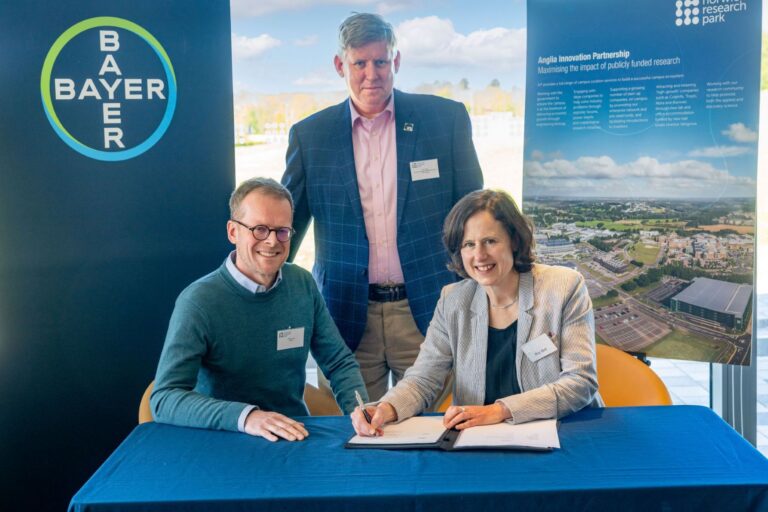
Roz Bird, CEO of Anglia Innovation Partnership, said, “Following on from the success of our on-campus incubation programme for start-ups, we are delighted to welcome Bayer on board as first sponsor of the new ‘BioTransitions’ programme.
“The connection with Bayer and St Louis is part of the work we are doing to develop the role of the campus in the global agri-food market. Much like Norwich Research Park, St Louis is a global hot spot for agri-food biotech research and commercialisation activity so we are looking at opportunities to work ‘ecosystem-to-ecosystem’, pooling our collective strengths and considering new opportunities for collaboration to help solve some of the world’s major challenges in agriculture and climate change.”
Dr Florian Jupe, Strategic Partnerships Lead Biologics at Bayer’s Crop Science division, said, “At Bayer, we are dedicated to fostering external partnerships and embracing open innovation as key drivers to transform the agricultural landscape. We have known about the potential at Norwich Research Park for some time, bolstered by numerous valuable collaborations over the years with partners from Norwich Research Park. We are excited to now advance together current early-stage businesses and help them step up to the next level in their journey to commercialisation, , and ultimately their future success in agriculture and food security.”
The BioTransitions programme will be run by a sister company of Anglia Innovation Partnership, reporting to the Anglia innovation Partnership Board, and is looking for up to four other sponsors to enable its delivery by a small team of experts.
Dr Phil Taylor, Director of Ecosystem Development at Bayer’s Crop Science division, said “We are delighted to announce our involvement as a sponsor of the ‘BioTransitions’ programme and to reinforce the collaborative work that can develop between our cities’ clusters over the next few years. These programmes matter as they combine leading research & development capabilities with in-depth knowledge and ingenuity from experts to accelerate the delivery of agricultural innovation to farmers, and we look forward to create an environment to support early-stage companies to scale.
Related Posts
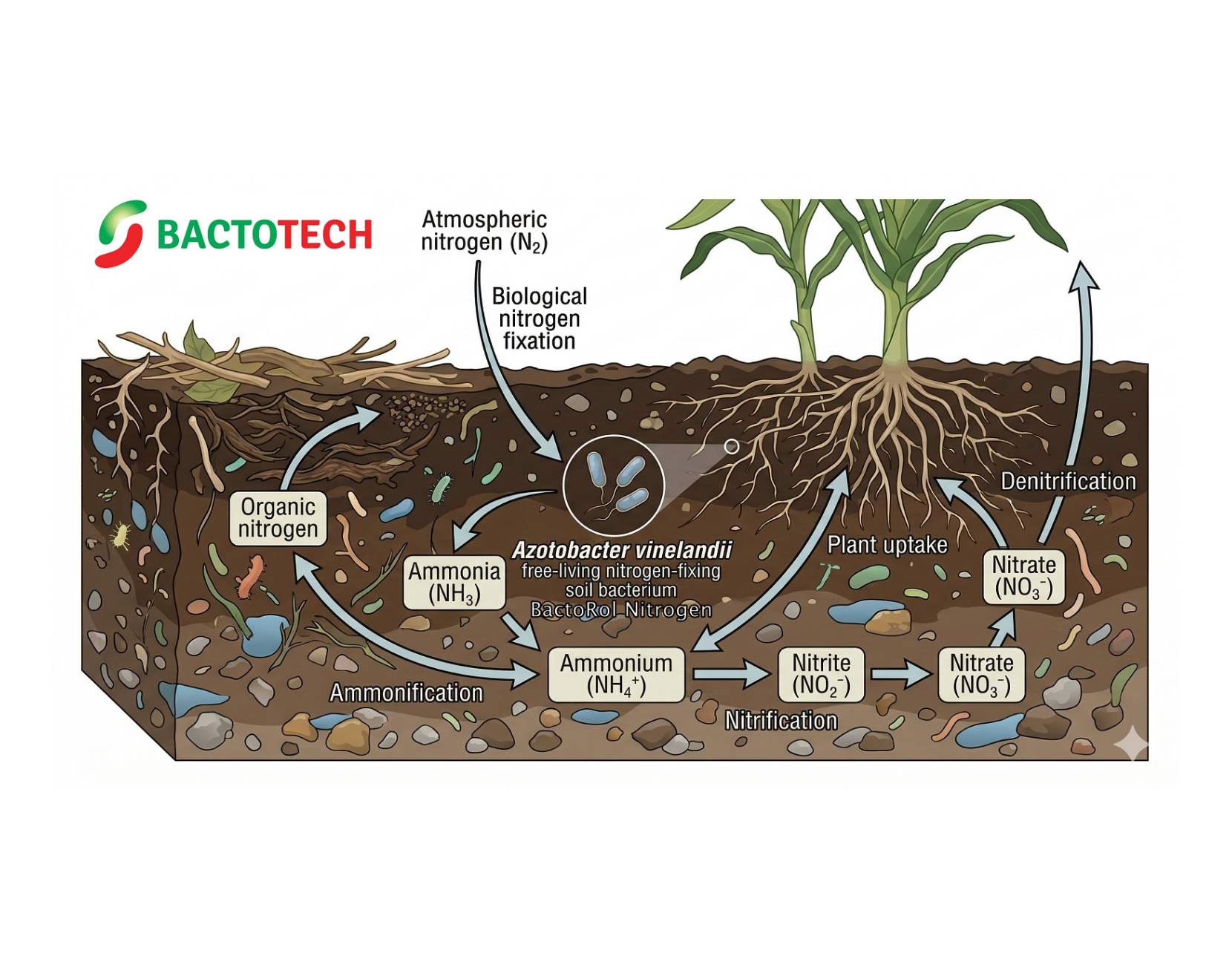
Azotobacter vinelandii: a practical look at free-living nitrogen-fixing biology in crop production

When the going gets tough are farmers getting biological? Five Take-Aways from the McKinsey report
SugaROx secures £2.5M investment from fertiliser multinational to accelerate its first product launch
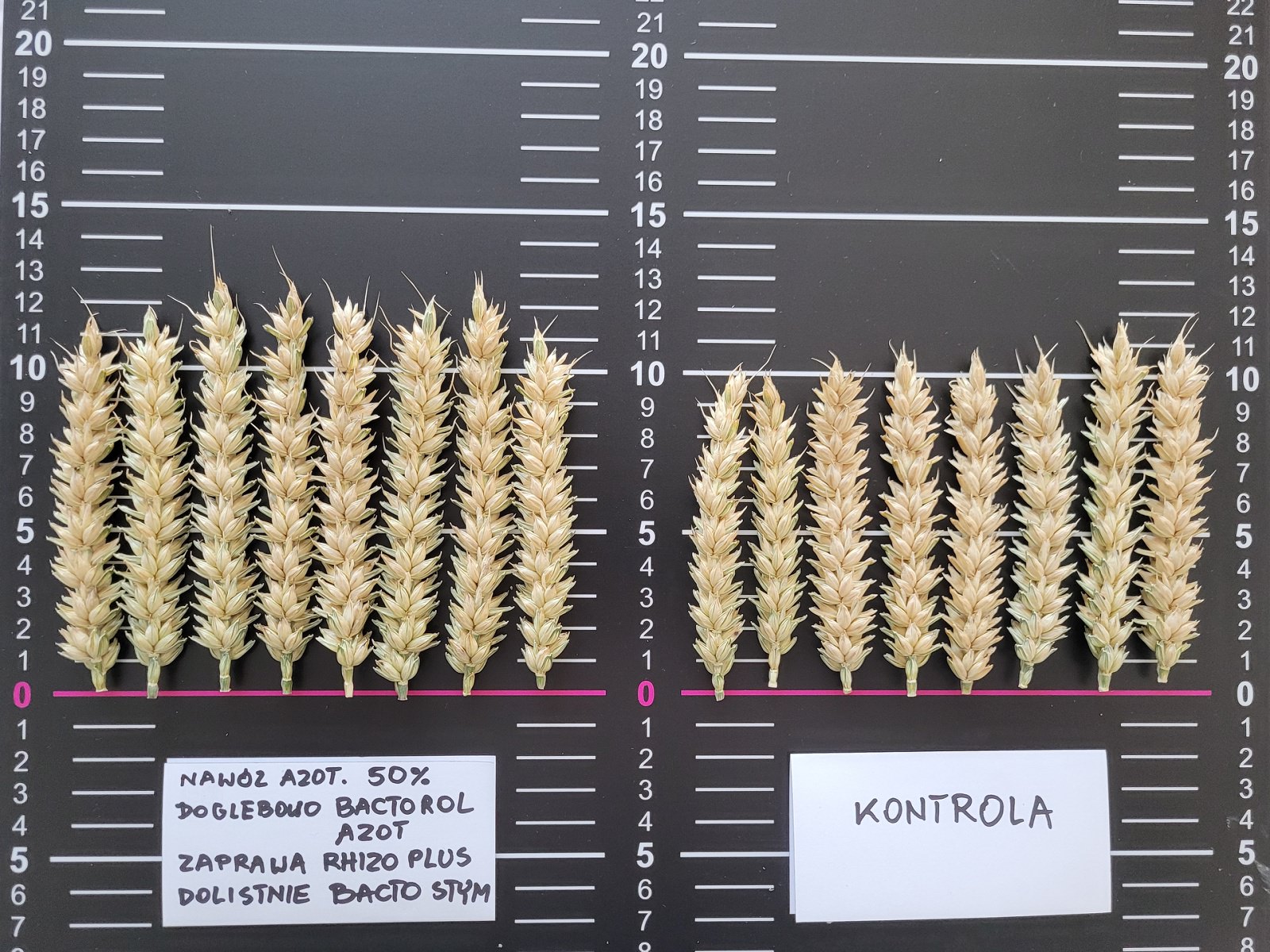
Cut Synthetic Nitrogen by 50% on Wheat? What Our Field Trial Showed
Do high-input farming systems still make sense?