Man vs machine: determining agri tech’s potential for agronomic decision making
 Agri-TechE
 It’s no secret that agriculture is ever evolving with emerging technologies, new challenges and constant demands for better yields, but how does technology really fare against traditional methods?
This month’s member spotlight addresses that key question, as we go behind the scenes to learn what Agrii have been working on ahead of Agri-TechE’s ‘Introduction to Agri-Tech’ event.
Agrii is a frontrunner in agri-tech, covering on-farm trials, crop scanning, and autonomous parsnip production. As the host of this year’s ‘Introduction to Agri-Tech’, an event for those keen to learn more about the sector, Agrii is opening their doors at Throws Farm Technology Centre to give attendees a peek of their latest agri-technologies. Some of these are highlighted below.
Drone analysis, disease detection sensors, and decision support systems
Agrii’s digital technology farm trials at Revesby Estate in Lincolnshire seek to determine the potential of the suite of systems, sensors and software available to farmers by comparing an agronomic programme built using the technology against the farm’s current practices.
Think of it as agronomy’s version of a concept car up, against the best existing model. What can be taken from the concept to improve what we already have?
Last year, a field of wheat was split between the farm’s standard approach and one utilising an array of digital tools available to a farmer. The crop diagnostic technologies and variable-rate application methods being tested suggest that new tools may now enable precise responses to sudden weather changes. Although Revesby Estate farm manager Peter Cartwright believes that a more robust approach still has merit across varying seasons.
“We are applying nitrogen and fungicides, expecting the crop to stay green into grain fill, whereas the technology is reacting to what it is seeing,” says Peter. “Last year, the hot days in June killed the crop off, and we didn’t get the yields we expected.”
Using RHIZA’s zonal soil sampling, they analysed the field’s soil composition, pH and organic matter levels to determine a relatively homogenous split between the two methods to ensure a fair comparison.
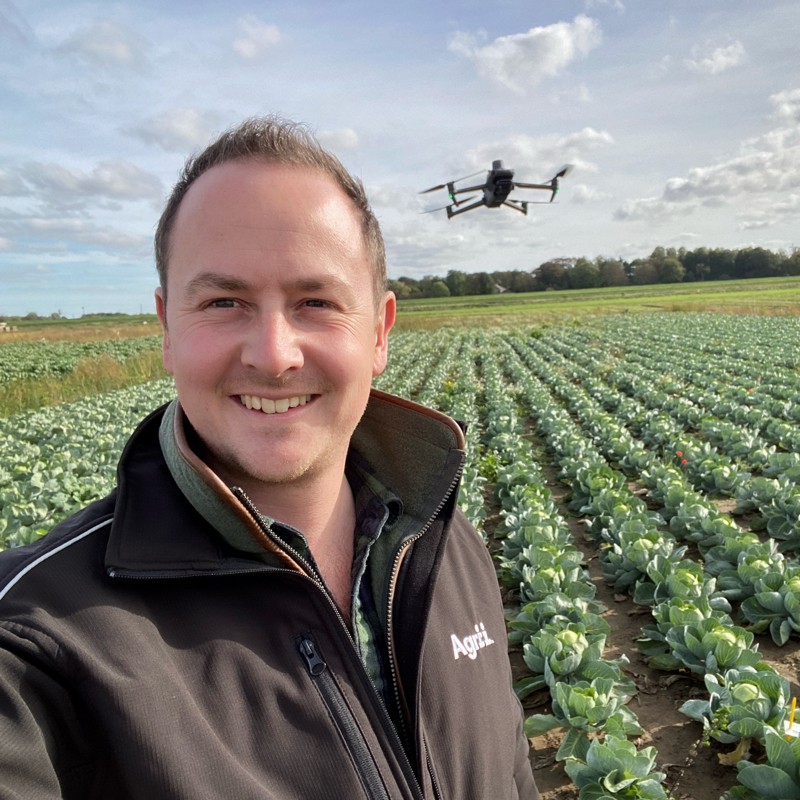
“We combined the approach of using Skippy Scout drone analysis for a crop-specific Green Area Index (GAI), measuring points across all the different soil zones,” says Jonathan Trotter, Technology Trials Manager at Agrii.
“NDVI maps from the Contour platform were then used to correlate the GAI to produce a nitrogen application map for each timing. This way, we can combine field-scale remote sensing with much more specific crop scanning from the drone.”
“On average, the technology-led side of the field spent 15% less on nitrogen than the farm strategy. On the sandy part of the field, this dropped to 40%. Overall, this was a £30/ha saving on nitrogen.”
The trials also used the technology to lead its decision making on fungicides, explains Lucy Cottingham, digital agronomy development manager for Agrii. They combined different technologies and disease models in the technology trial, comparing it to conventional timings in the farm standard.
Overall, the technology-led half of the field yielded 0.82t/ha more than the farm side, explains Jonathan. Factoring in differences in variable costs and technology expenses, this resulted in an increase in gross margin of £137.63/ha.
He believes a key factor was the variation in nitrogen strategy. Although the farm utilised variable rate spreading for the second application, the technology-led trial used it for both splits. “We achieved a 60% nitrogen use efficiency, with 15% less nitrogen used, which is really positive,” adds Jonathan.
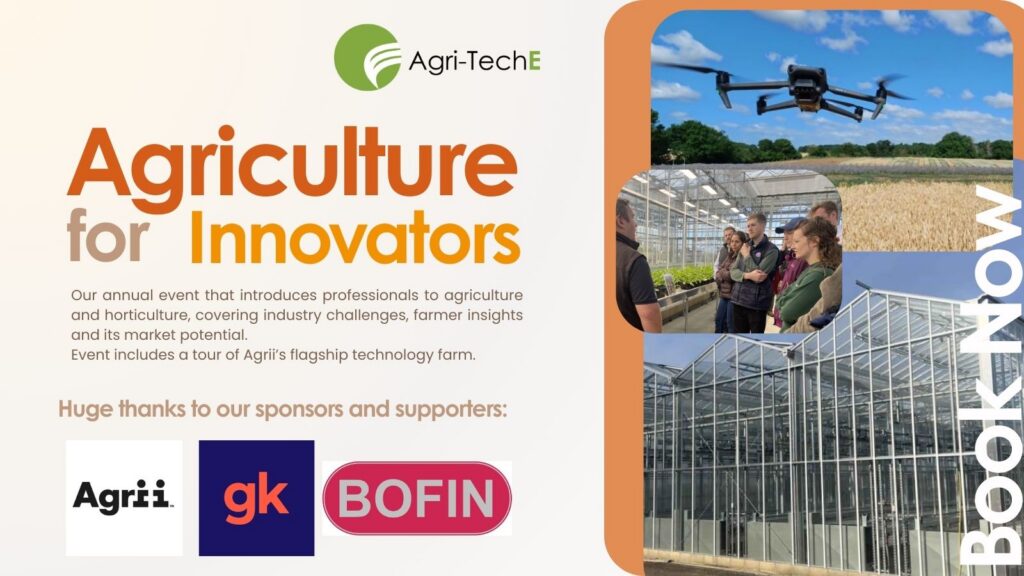
Join this year’s Introduction to Agri-Tech event
Want to learn more about market drivers, emerging technologies, and connect with valuable industry contacts? Join this year’s Introduction to Agri-Tech featuring a tour of Agrii’s flagship research farm led by Jonathan Trotter, Technology Trial Manager.
“It’s a great opportunity to get together with the wider industry to understand some of the opportunities and challenges that are out there, and how agri-tech can help solve some of those challenges,” he says.
It’s also an opportunity to see some of our leading, state-of-the-art facilities. We’ll be touring the glasshouse, having a look at some of the digital capabilities that Agrii have in the background, and learning more about our research.”
The event takes place at Agrii’s Throw’s Farm Technology Centre in Essex on 20 May 2026. You can book tickets on the Agri-TechE Events page.
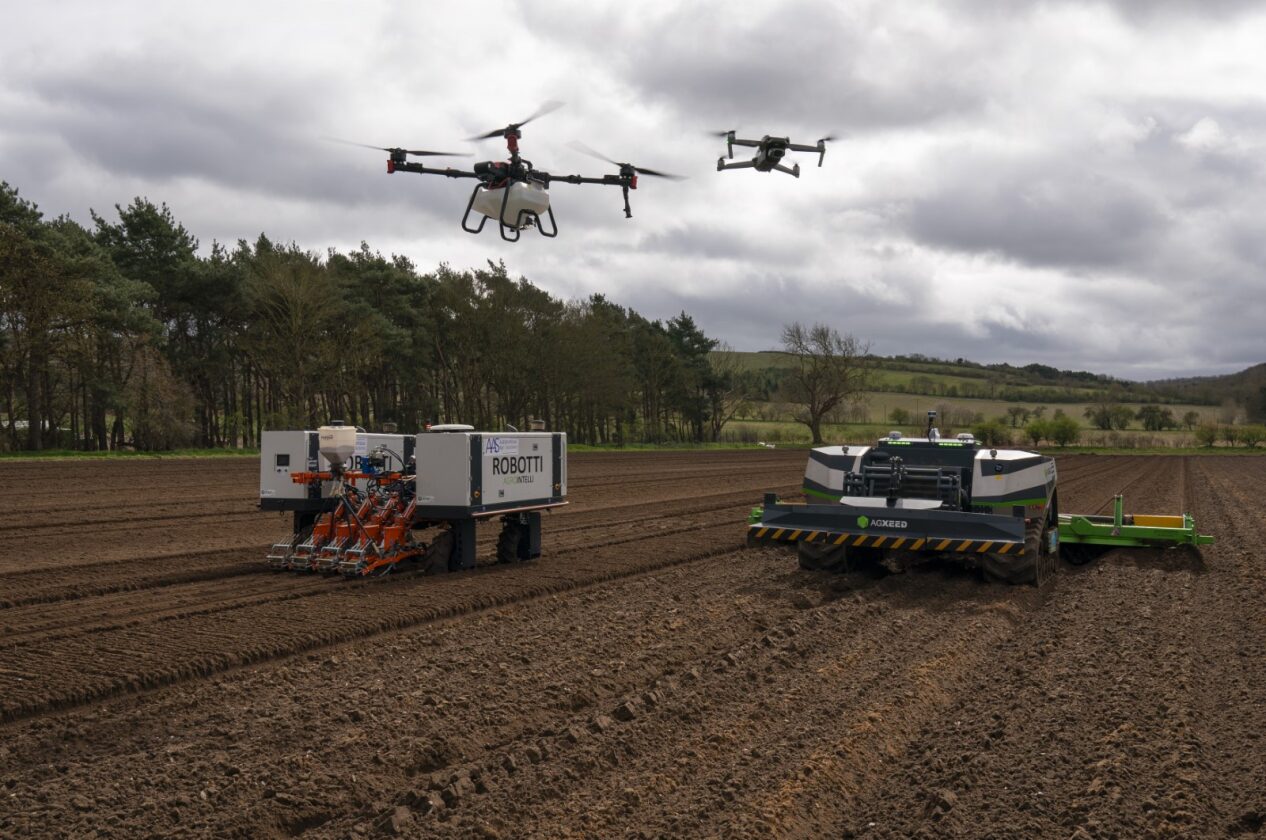
The world’s first autonomously grown parsnip crop
Another project Agrii has been involved with is with Huntapac, in collaboration with Autonomous Agri Solutions and AutoSpray Systems, funded by the Marks & Spencer Plan A Accelerator Fund, which successfully grew a crop of parsnips autonomously. This achievement is believed to be a world first.
To prepare the field, an AgXeed electric drive autonomous tractor was used for primary and secondary cultivation, says Tom Beach of Autonomous Agri Solutions.
“That was able to do the subsoiling operations and ploughing, which was the first case of autonomous ploughing in the UK. Finally, it did the bed tilling.
“A Robotti was utilised for the subsequent lighter operations because it has a standard three-point hitch to use conventional agricultural implements, but it is substantially lighter and more accurate than a tractor.”
To monitor the crop and guide the precise application of plant protection products, Agrii used a drone equipped with Skippy Scout to do the agronomy.
Skippy Scout is a software system that will automatically fly a drone to selected points in a field and send back high-resolution, leaf-level images to aid with decision-making. The system analyses the captured images and sends a field report, explains Jonathan Trotter.
The successful field-scale trial has demonstrated a 46% reduction in carbon emissions and significant labour and input savings. Naturally, thoughts move to how the system developed by the group can be rolled out on a larger scale.
Interoperability between the systems controlling the decision support tools and machinery is a crucial milestone. This is a challenge Agrii has already begun working on.
“We are looking at integrating Skippy Scout with our digital platform, Contour,” says Jonathan. “This can then be linked to soil mapping through Rhiza, and further into the future, it could export treatment recommendations to the other technologies used within this very project.”
Post Overview
Agri-TechE Related Posts
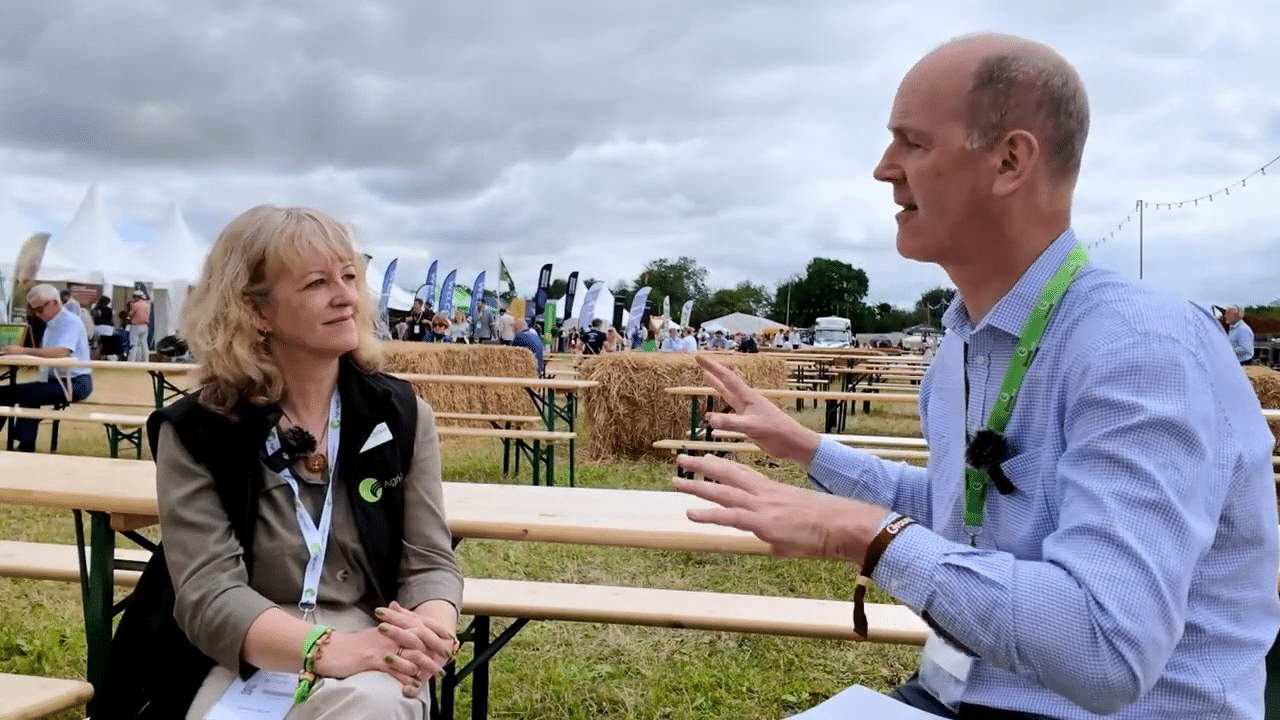
Can the UK remain an agricultural innovation leader? Bayer’s Mark Buckingham explains
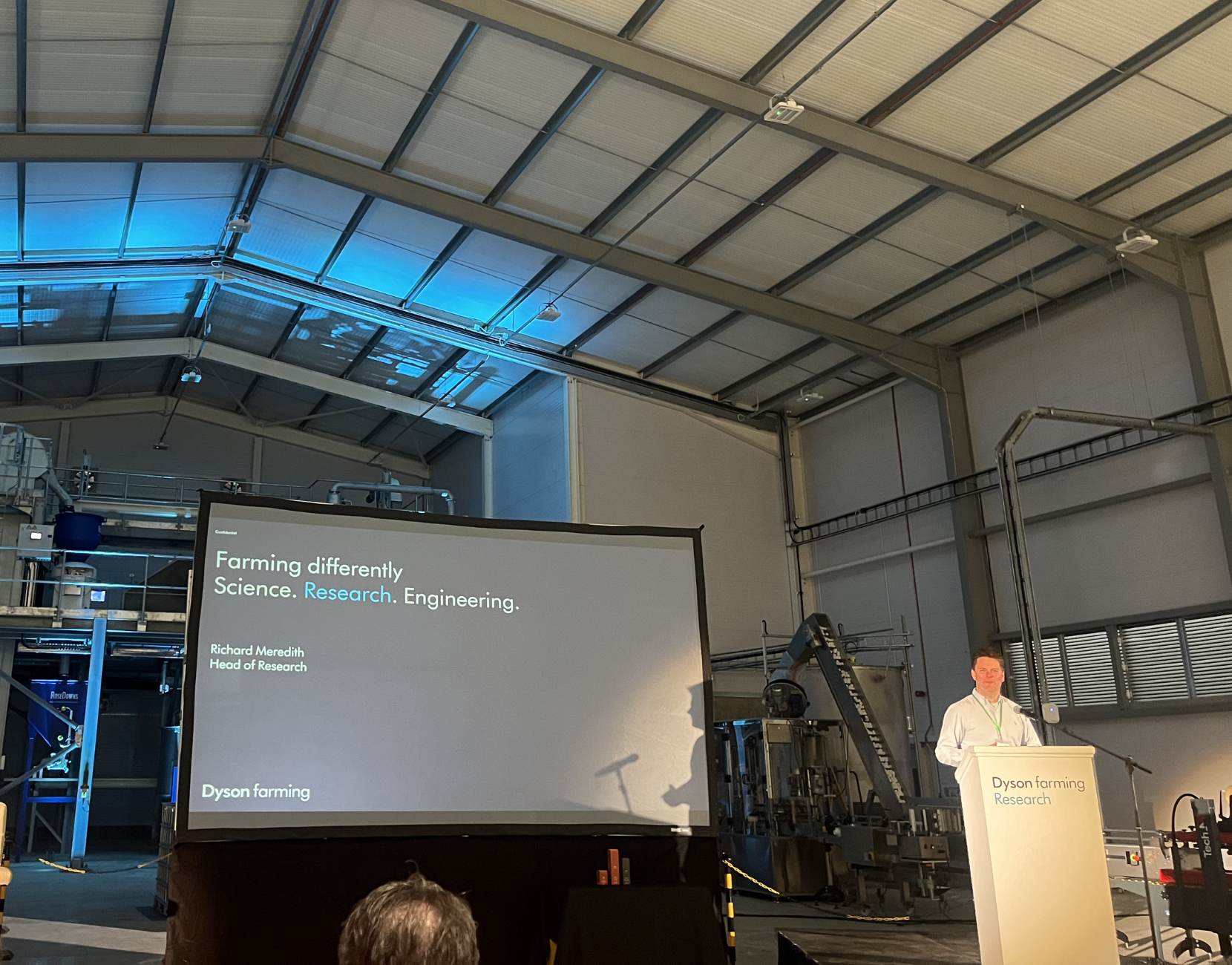
Dyson’s Fresh Approach to Agri-Tech Innovation
The Inevitability of AI Quality Control
Smarter, not harder: BactoTech is crossing the biological crop fertilisation Rubicon
Cut Synthetic Nitrogen by 50% on Wheat? What Our Field Trial Showed