Why senior leaders often make decisions based on false information
 Populi Consulting Ltd
Boards and senior leaders make high-stakes decisions every day, often unaware that the information guiding them no longer reflects lived reality.
Many boards and CEOs feel they have a clear line of sight.
-Dashboards are reviewed.
-Reports are circulated.
-Updates are confident and well-rehearsed.
And yet, time and again, organisations are surprised by issues that everyone “should have seen coming”.
This is not usually because people are dishonest but because information mutates as it travels upwards.
The problem is not ignorance, it is distortion. In many organisations, senior leaders do not lack information. They receive the wrong version of it.
By the time reality reaches the top, it has often been:
- Sanitised
- Simplified
- Reframed as progress
- Stripped of uncertainty
- Presented as reassurance rather than truth
What arrives is not a lie, but neither is it reality. It is false clarity.
I often describe this as The Fog at the Top. The higher you go, the clearer things should become. In practice, the opposite often happens.
This fog does not appear by accident. It is created through a series of perfectly human behaviours that shape, soften, and redirect information long before it reaches the boardroom.
How false clarity is created
False information rarely starts with bad intent. It is usually created by perfectly understandable human behaviours.
Middle managers protect upwards.
Many senior managers believe their role is to absorb problems, not escalate them. Issues are “managed locally” until they become unavoidable.
People tell leaders what they think they want to hear.
If a challenge has been punished before, consciously or not, people learn to present good news only.
Status changes behaviour
When someone becomes CEO, conversations change. People prepare more. Language becomes careful. Honesty becomes curated.
Targets distort narrative
When bonuses, reputation, or job security are attached to delivery, reality is bent to fit the plan.
None of this requires dishonesty. It only requires pressure.
Over time, these small, rational adjustments compound. By the time information reaches the board, it no longer reflects lived reality. It reflects what has survived the journey.
The boardroom illusion
Boards are particularly vulnerable.
By the time information reaches the board pack, it has passed through multiple filters. Each layer adds polish and removes discomfort.
What boards often see is:
- Performance without context
- Risks without emotion
- Culture without lived experience
- Delivery without friction
This is why boards are sometimes shocked by staff surveys, resignations, whistleblowing, or sudden performance drops.
The signals were there. They just never reached the boardroom intact.
When this happens repeatedly, boards can begin to trust the absence of bad news rather than question it. False clarity turns into false confidence.
And it is at this point that one phrase often enters the conversation.
The most dangerous phrase in a boardroom
“There are no issues to report.”
In many organisations, this sounds reassuring.
In reality, it should trigger concern.
Every system has tension.
Every team has friction.
Every strategy creates trade-offs.
If nothing is coming up, it usually means one of two things:
- People do not feel safe enough to speak
- Leaders have unknowingly trained people not to
Over time, organisations learn what is rewarded and what is punished. If challenge has previously led to discomfort, defensiveness, or career risk, people adapt. They smooth the message. They manage the narrative. They stay quiet.
Silence, then, is not the absence of problems.
It is a signal in its own right.
And when leaders mistake silence for stability, they unintentionally deepen the fog they are trying to escape.
What strong leaders do differently
The best CEOs and Chairs I work with actively disrupt this fog.
They do not wait for truth to arrive. They go and get it.
They ask questions such as:
- What are we not seeing yet?
- What feels uncomfortable that no one is saying?
- Where is reality diverging from the plan?
- Who would disagree with this narrative?
- If this goes wrong, what will we wish we had known earlier?
They also pay close attention to how information is delivered, not just what is delivered.
Confidence without nuance is treated with suspicion.
Over-polished answers invite deeper probing.
A Populi reflection for leaders and boards
You might want to sit with these quietly:
- Who benefits from the story I am being told?
- What pressures might be shaping this message?
- Where am I confusing reassurance with truth?
- What signals am I dismissing because they feel inconvenient?
And perhaps most importantly: What would people say if they believed it was genuinely safe to do so?
Clarity at the top is not about better reporting.
It is about better relationships, better questions, and genuine psychological safety.
Without that, even the most experienced leaders are navigating through fog.
And fog is where good people make bad decisions.
A practical call to action
If this resonates, do not treat it as an interesting observation. Treat it as a leadership risk to be actively managed.
Start with one deliberate action in the next 30 days:
- Ask for an unfiltered view from someone closer to day-to-day delivery
- Invite a challenge to a decision before it is finalised
- Review a recent board or leadership paper and ask what has been softened or left out
- Create a safe forum where issues can be raised without solutioneering or judgement
If you are a Chair or CEO, make one thing explicit: Honest signals are valued more than polished answers.
Clarity at the top is not created by better reporting.
It is created by better questions, stronger relationships, and the courage to invite uncomfortable truth.
Boards rarely need more data. They need clearer truth.
Helping leaders cut through distortion, surface reality, challenge assumptions, or design healthier information flow at the board or executive level, that is exactly the work I do.
If that would be useful, you are welcome to get in touch.
Populi works with boards, CEOs, and senior teams to improve clarity, decision-making, and people-led performance. www.populiconsulting.co.uk
- *I have permission from the copyright holder to publish this content and images.
Related Posts

Government consultation on updated Nutrient Profiling Model (NPM) for advertising and promotion restrictions

Bridging the Gap Between Innovation & On-Farm Adoption
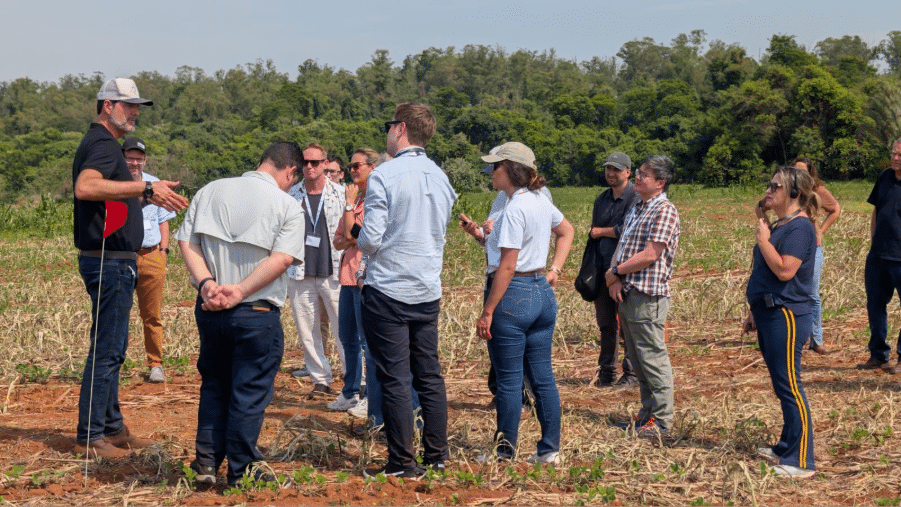
ARISE: Launching a Trilateral Agri-Tech Collaboration for Climate-Resilient Agriculture
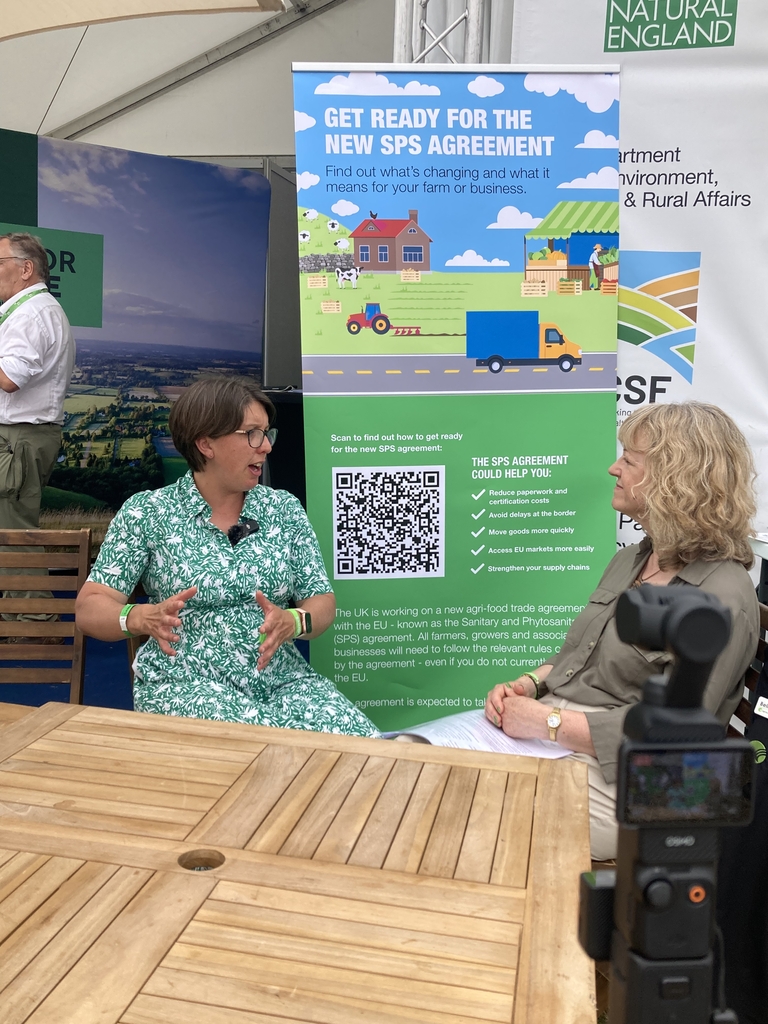
How should businesses be preparing for the new strategic partnership with Europe?
Strategy needs stewardship: Who Owns Strategy When Everyone Owns Strategy?