Patent Box tax reduction scheme
 ip21
ip21What is the Patent Box?
The Patent Box scheme allows companies to pay just 10% corporation tax on profits attributable to patented products and technology.
It is a generous scheme which includes revenue from worldwide sales of patented products (or products with an integral patented component), revenue generated from the licensing or sale of patents and damages awarded in patent infringement cases.
Its aim is to encourage UK businesses to invest in research and development, create high value jobs and support economic growth.
How can you qualify?
The Patent Box is available to UK companies that own or exclusively licence a qualifying Intellectual Property (IP) right. This includes UK, European and other national patents – but notably excludes US patents.
Patent Box Applications can be made prior to the successful granting of a patent and back-dated (if beneficial) for a period.
Particularly if you already benefit from R&D tax credits, there is a strong case for using the Patent Box scheme to further reduce corporation tax.
How do you obtain a patent?
To obtain a patent, an invention needs to be both new and inventive. However, patents can be granted for seemingly minor improvements to existing technology. One of our qualified Patent Attorneys can advise on this point – it’s always worth asking if new products, processes or specific features are potentially patentable.
Unlike more traditional patent drafting and prosecution strategy which tends to priortise the breadth of the rights claimed, a patent application drafted and prosecuted purely for Patent Box eligibility can be deliberately streamlined to reduce costs and timescales.
Whatever the scope of the eventually granted qualifying patent, it’s presence alone should enable profits made by sales of the product to be taxed at just 10% provided the various Patent Box criteria are met. Specialist tax advice should be sought alongside IP law advice to ensure the Patent Box is exploited optimally.
Example savings
Let’s say it costs £15,000 to patent an innovative product and maintain patent protection for its 20-year lifespan.
The amount of Corporation Tax paid of course depends on the size and profits of your company (ranging from e.g. 19% for small companies with profits <£50K up to 25% for large companies with profits >£250K). This means that whatever the size of company you are, you can make savings and this scheme provides some welcome relief from the sting of moving to a higher tax bracket as your company grows.
Assuming Corporation Tax remains around 20%, the product needs to make just £7,500 profit per annum (£150,000 over 20 years) for the corporate tax savings alone to exceed the patent costs. If profits are greater, the savings can be substantial.
In addition, the granted patent becomes a valuable business asset which can help secure competitive advantage and attract investment.
Further information from the government website is available here: Use the Patent Box to reduce your Corporation Tax on profits – GOV.UK
Don’t hesitate to get in touch at [email protected] or visit us at www.ip21.com for more information.
- *I have permission from the copyright holder to publish this content and images.
Related Posts

The King’s Speech 2026: State Opening, Political Unravelling

A trip to the Tees Valley HQ

New specialist agency launches to help UK agrifood innovators commercialise great ideas

Building Resilience: 2026 New Year’s Resolutions for Your Arable Business (and Yourself)
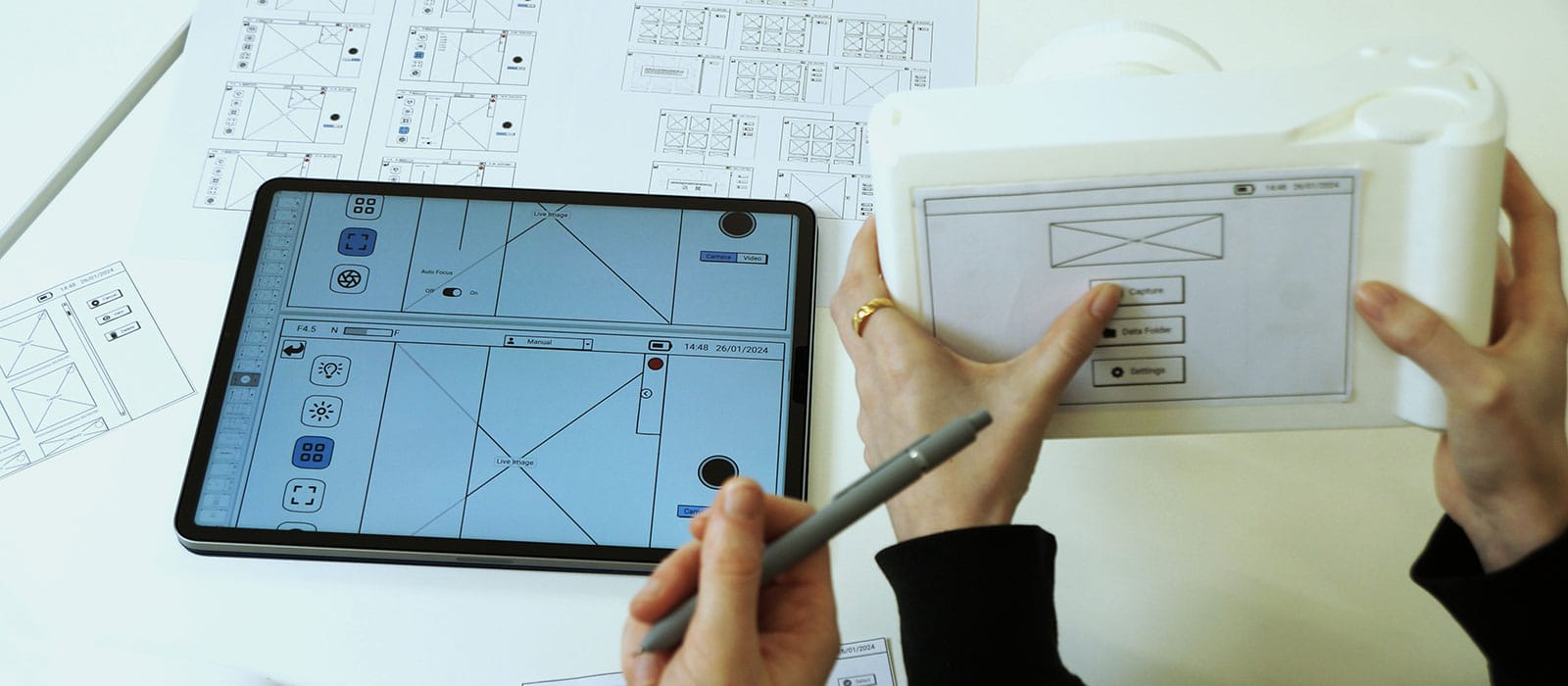
Designing Hybrid User Interfaces: Bridging the Physical and Digital