UK-based Drone Ag gains unique ENAC BVLOS authorisation for autonomous crop-trial monitoring in Italy
 Drone AG
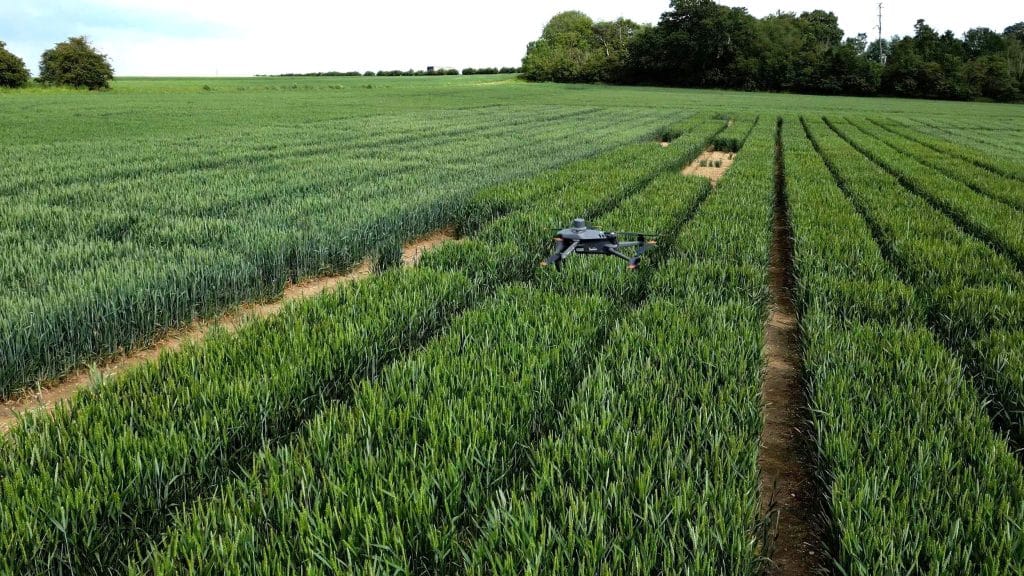
Authorisation under the SORA framework enables Drone Ag to operate locally deployed drone base stations in Italy. Flights are automated, monitored from the UK, and deliver sub-millimetre crop imagery and near-real-time analysis with no on-site pilots.
Northumberland, UK, 25th November 2025.
Drone Ag, the UK agricultural-drone automation company behind Skippy Scout, has received a unique Beyond Visual Line of Sight (BVLOS) operational authorisation from Italy’s civil aviation authority, ENAC.
Issued under the Specific Operations Risk Assessment (SORA) framework, the approval enables Drone Ag’s UK operations centre to initiate and monitor autonomous missions at specialist crop-research sites in Italy.
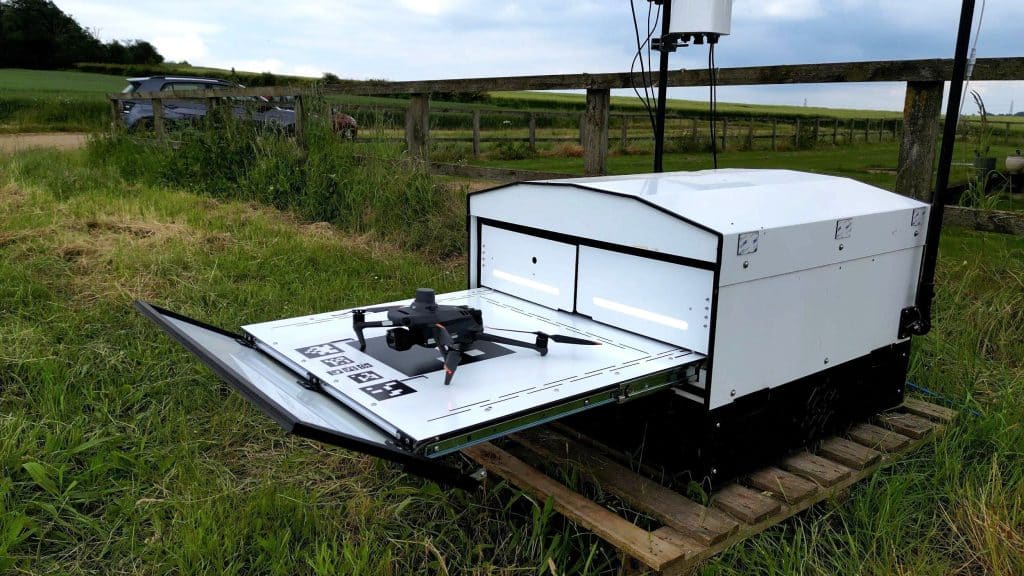
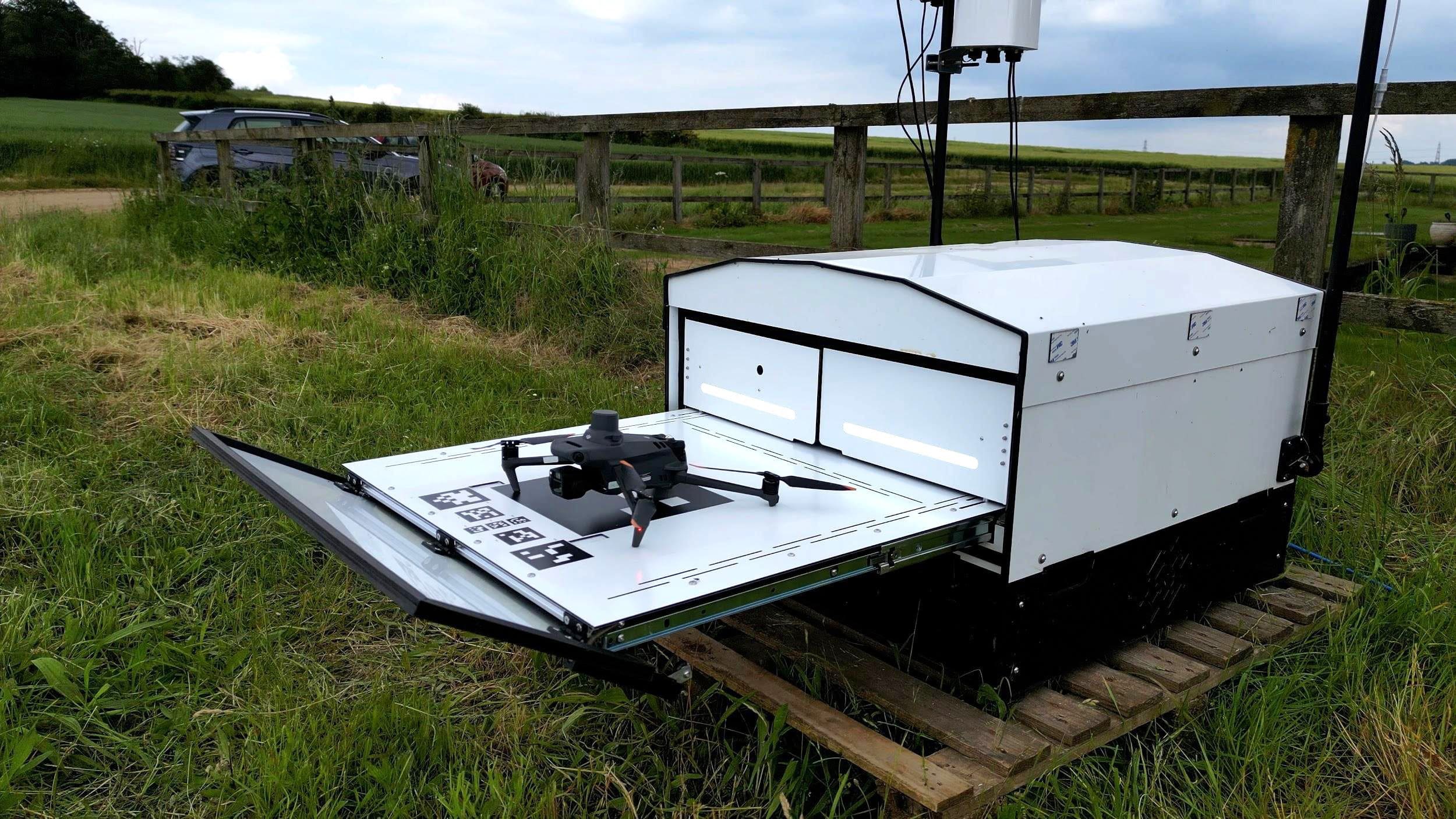
Each site hosts a self-contained drone base station, housing the aircraft, charging system and communications hardware, so that all flight operations occur locally and autonomously within the authorised area. This removes the need for any on-site personnel while maintaining full compliance with European aviation safety standards.
The authorisation recognises Drone Ag’s adherence to ENAC and EU Reg (EU) 2019/947 safety requirements, including enhanced containment and geo-fencing measures.
Local base-station control ensures every flight remains confined to its designated airspace, while the UK-based operations centre manages scheduling, monitoring and verification.
ENAC’s structured and collaborative regulatory approach supported a transparent review process focused on both safety and technological innovation.
By combining automation with advanced imaging, Skippy Scout removes manual piloting and subjective assessment. The system delivers consistent, repeatable data with machine-level objectivity.
At sub-millimetre resolution, imagery supports AI and machine-learning models that can count tiny plants, detect insect damage, and perform precise canopy and growth-stage measurements.
A single autonomous flight is capable of scanning dozens of trial plots in high detail and can be repeated multiple times per day. Imagery and analysis are delivered to clients within minutes, providing near-real-time insight into crop performance and development.
The system achieves a significant reduction in labour costs and eliminates the need for travel to trial sites for inspections or VLOS flights.
More than 10,000 autonomous flights have been completed using the Skippy Scout platform, demonstrating strong reliability.’ Drone Ag’s automation pipeline delivers higher-frequency, higher-detail data at a lower overall operational cost, while reducing travel emissions and on-site disruption.
“This authorisation represents an exciting step forward for Drone Ag and for agricultural automation in Europe,” said Jack Wrangham, CEO of Drone Ag.
“By combining our autonomous base-station technology with advanced flight automation and data-processing pipelines, we can deliver consistent, objective crop insights at a level of detail that simply wasn’t practical before.
Working with ENAC through the SORA framework has been a constructive and forward-thinking process that demonstrates how regulation can enable innovation when safety and transparency come first.
This milestone shows what’s possible when robust technology meets a progressive regulatory environment, and it sets the foundation for our vision of scaled, fully-automated drone monitoring across agriculture.”
In 2026, Drone Ag will extend this model to additional EU and UK research sites, before expanding into broadacre agriculture, deploying base stations directly on commercial farms for field and farm-scale monitoring.
This next phase will enable large-scale, automated, high-frequency crop insight at an unprecedented operational scale, redefining data-driven agronomy across Europe.
-
- *I have permission from the copyright holder to publish this content and images.
Related Posts
Farming is hard to replace with AI. The admin around it is not.

AI Report 2025 | AI; Quantum Computing; Intellectual Property
Bringing Roboverse to the UK, turning promising robots into practical farm systems
MTC driving agri tech innovation through robotics and the success of its AgriScale programme
IAgrE Conference 2026, Automation in Agriculture – From Innovation to Impact, Harper Adams, 21st October.