An “Oatstanding” break crop…
 Richardson Milling UK
UK farmers are currently grappling with intensifying pressures, including managing persistent cereal diseases, insecticide resistance, and high input costs. This environment makes robust break crops essential, not only for their critical agronomic function in breaking disease cycles (for example in ‘take all control’), but also for their financial resilience.
By diversifying the rotation and requiring fewer inputs, break crops spread risk, helping to insulate the farm business from volatile commodity prices. However, while oilseed rape (OSR) has long been the traditional choice, it now faces a major threat in the form of cabbage stem flea beetle (CSFB), particularly since the neonicotinoid ban in the UK.
Making the case for oats
As growers seek low-input alternatives that deliver guaranteed returns, oats offer a compelling and timely solution as a white straw break crop alternative.
Too often dismissed as a niche crop tied to specialist contracts or health food trends, oats deserve recognition as a strategic staple with broad relevance across the British food system. With rising demand from processors, strong agronomic benefits, and a clear role in sustainable rotations, oats are well-placed to meet the twin pressures of market volatility and environmental mandates.
Agronomic resilience and environmental benefits
For farming professionals managing farm rotations, integrating oats is demonstrably smart business, providing immediate financial benefits and long-term environmental advantages.
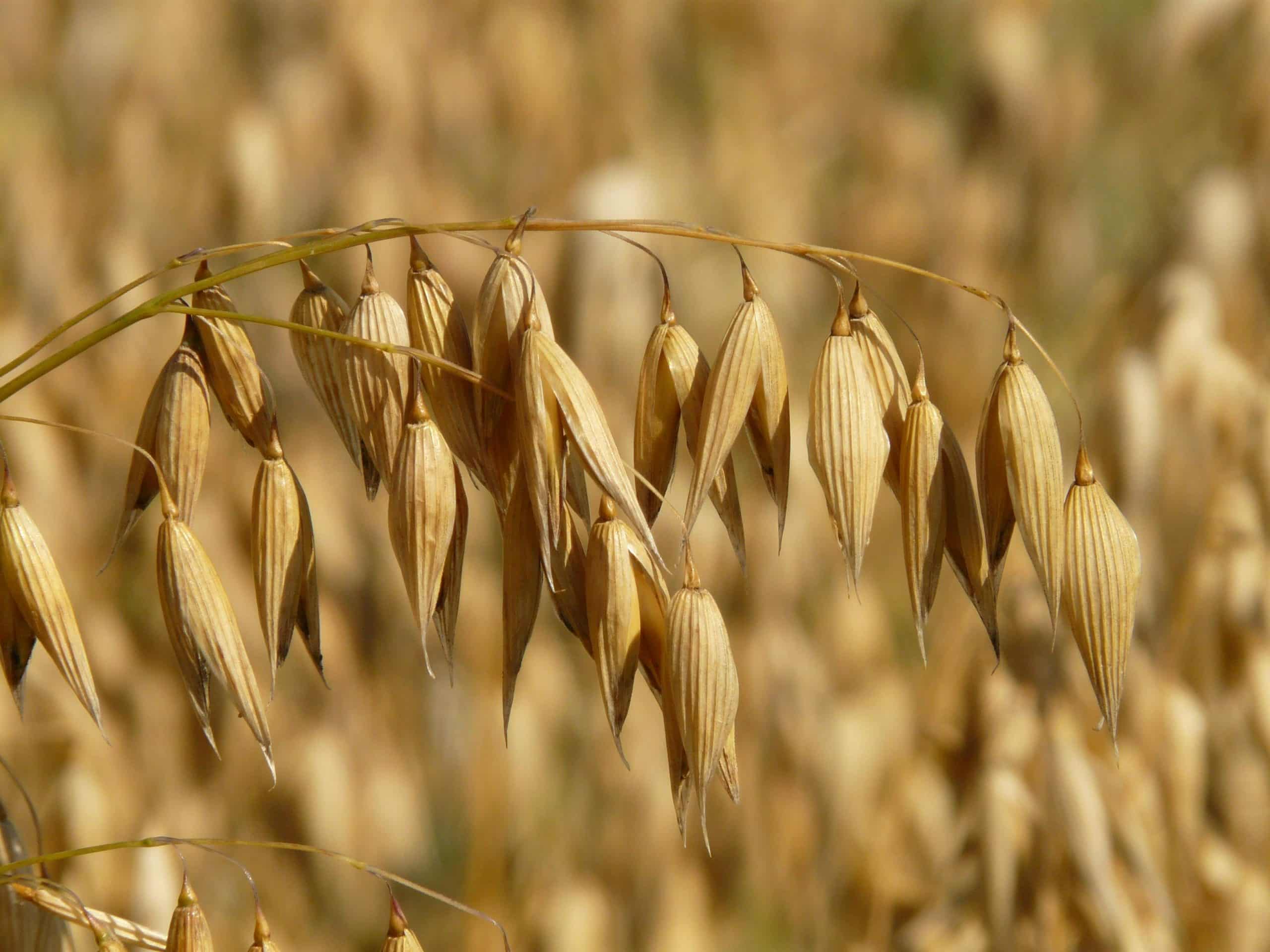
Spring-sown oats effectively tackle persistent grassweeds like black-grass and brome, functioning as a powerful, natural “cleaner” crop. This strategy allows for the effective clean-up of fields, reducing reliance on specific chemical groups and bolstering resistance management strategies.
Furthermore, oats are crucial champions of soil health. They actively combat common soil diseases, notably take-all, by releasing natural compounds called ‘Avenacins’, which are antimicrobial compounds that inhibit the growth of fungi, and their presence in oat roots provides a natural defense mechanism against diseases that would harm other crops like wheat and barley.
Plus the economics are favourable: oats typically require lower inputs of nitrogen fertiliser and fewer fungicide applications compared to alternative cereals. This not only results directly in a lower cost of production, providing a reliable profit margin that aids farm diversification, but also a lower carbon footprint.
Driven by health: the stable domestic market
Then comes the sale. The domestic market for British oats is thriving, driven by strong consumer trends focused on health and nutrition.
Official surveys used by the Food & Drink Federation show only a fraction of UK adults meet the recommended daily fibre intake. Oats, rich in beta-glucan (a soluble dietary fibre), are a great candidate to address this lack of fibre.
The connection to public health is reinforced by EFSA Health Claims that state that beta-glucan from oats contributes to the maintenance of normal blood cholesterol levels and the reduction of blood glucose increase after eating.
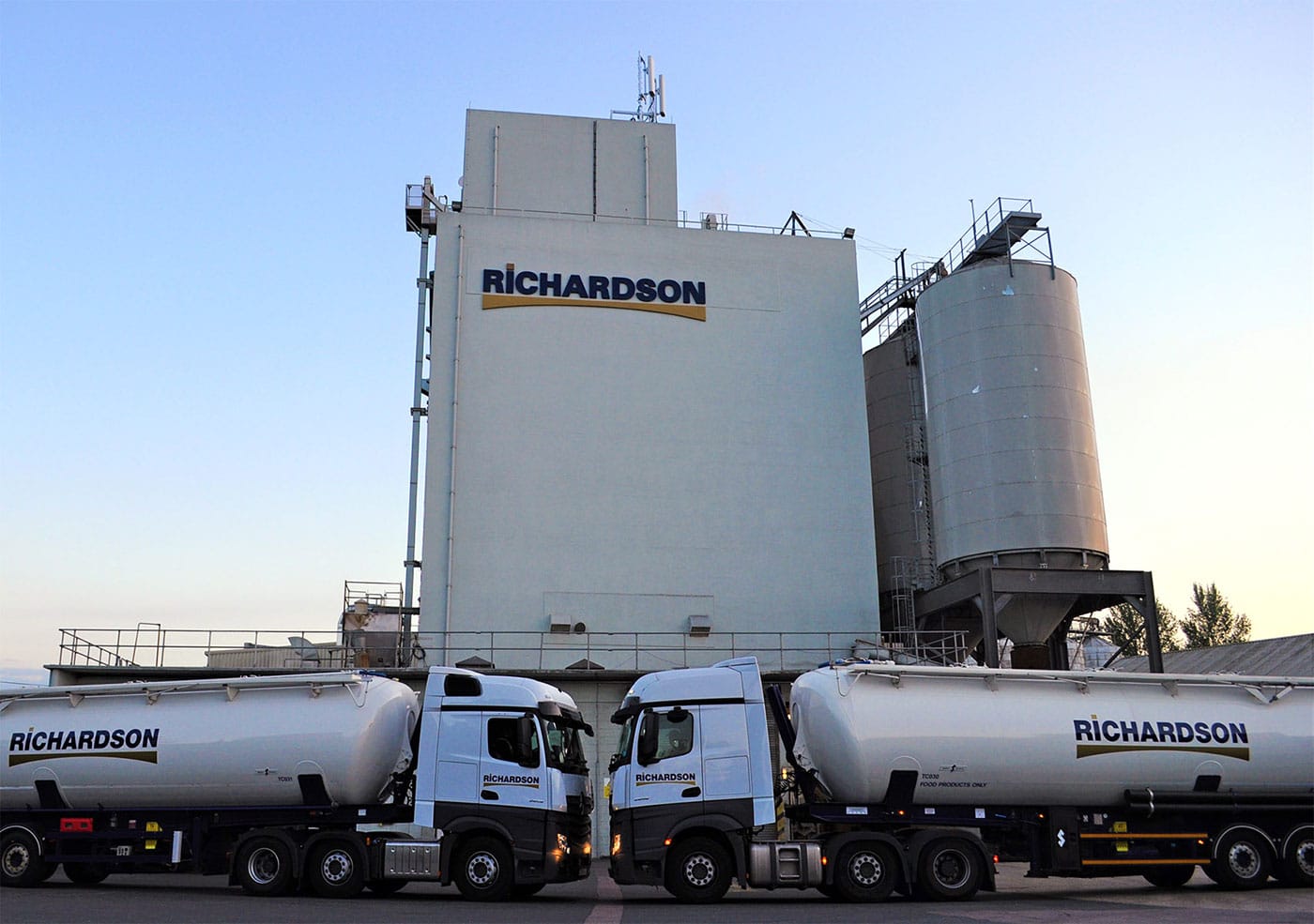
This robust link between oats and significant health outcomes has driven major investment from leading UK millers and processors, notably Richardson Milling UK, which maintains extensive local merchant and grower partnerships. Their commitment provides the domestic agricultural sector with a stable, structurally supported market, which through grower contracts offers insulation from the unpredictable fluctuations of global commodity markets.
Market realities and the quality challenge
While the long-term outlook for oats is positive, growers should be pragmatic about the challenges. Like all crops, the farm-gate value can fluctuate with the broader commodity market.
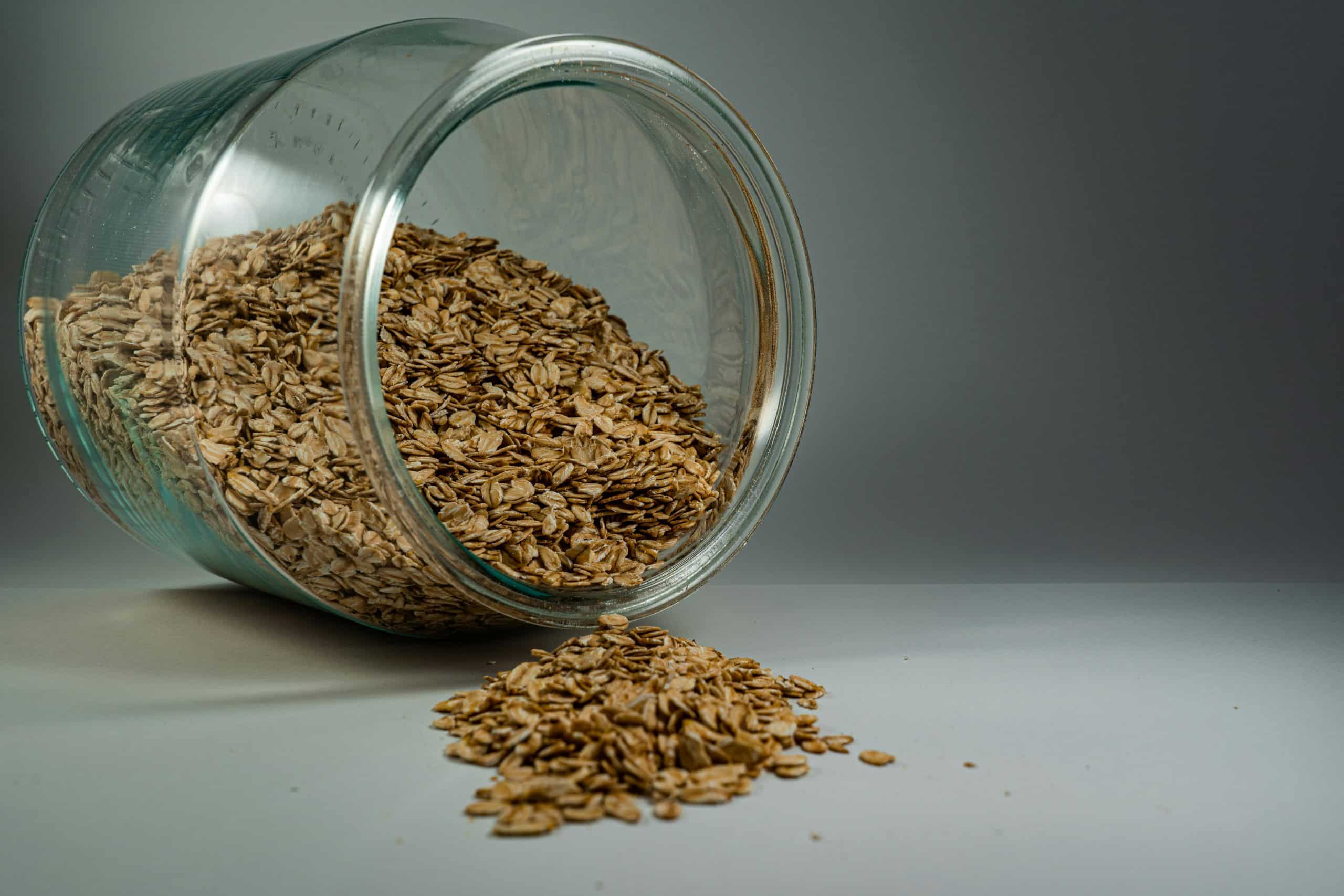
More specifically, the major technical challenge for growers is in providing consistent delivery of high-specification milling-quality grain. Key to this is the de-hulling process – the requirement to cleanly and efficiently remove the tough outer husk to reveal the usable core – called the ‘groat’. Millers assess quality using two key metrics: the percentage of usable groat and the grain’s hullability.
When adverse conditions, such as low moisture during the summer, impede grain filling, the groat can develop poorly, and in some varieties, the husk can stick firmly to the kernel. This results in poorer performance in the mill and higher hulling losses.
The long-standing success of the IBERS-bred winter oat variety ‘Mascani’ demonstrates that genetic breeding offers the best primary defense against quality issues. Ultimately, whether growers select high-spec husked oats or opt for naked oats (which naturally bypass the hulling problem), maximising premium contract potential requires leveraging variety selection.
Partnering for quality: Richardson Milling UK
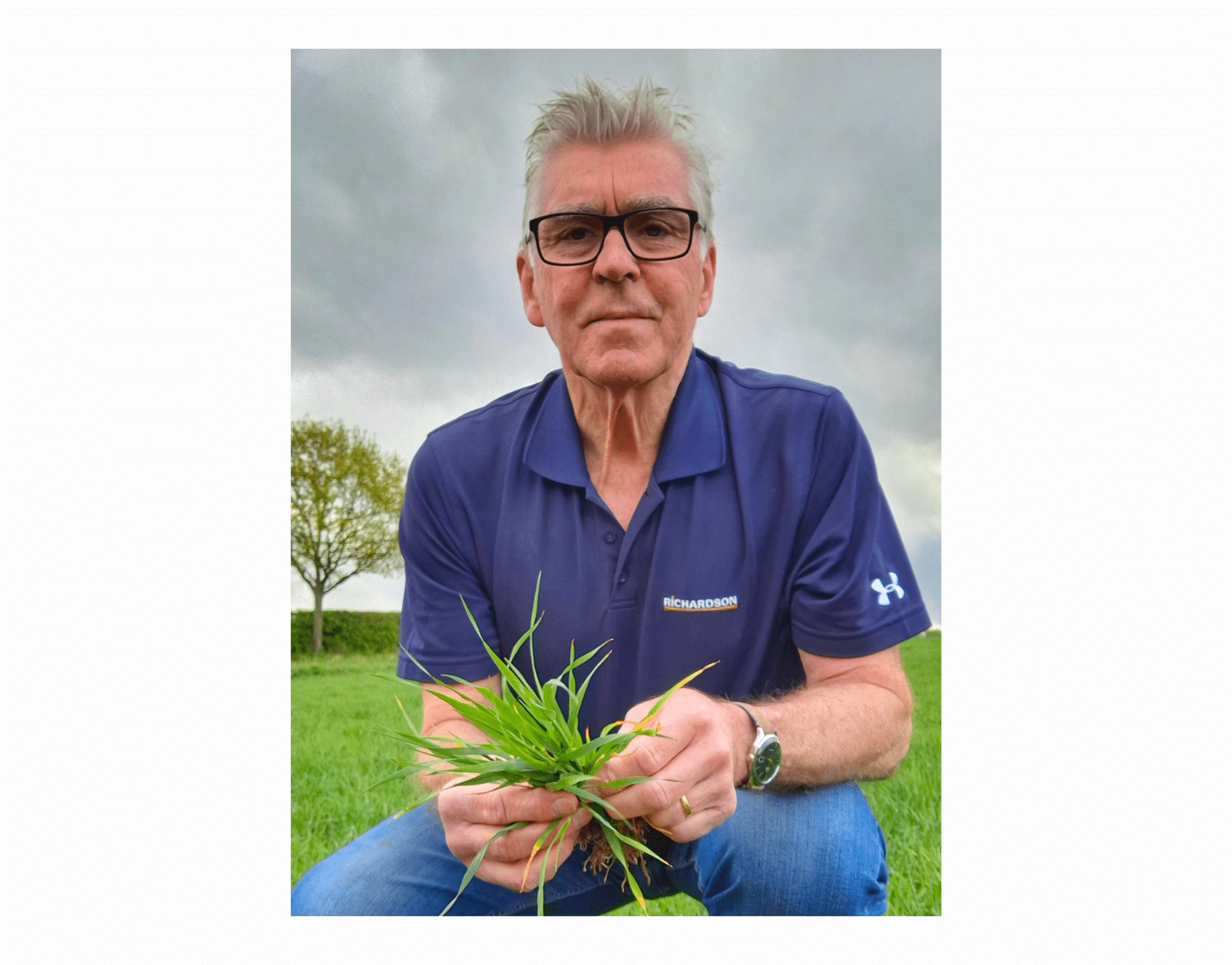
Recognising that consistent quality is in everyone’s interest, Richardson Milling UK actively invests in its own trials research, often partnering with major oat breeders to identify the best available varieties and growing techniques to ensure farmers reach the best possible yields and quality. This collaborative approach ensures farmers can reliably meet milling specifications, secure premium contracts, and contribute to a resilient, health-driven domestic supply chain.
In short, oats are no longer a niche crop, they’re a strategic asset with national relevance, backed by a sector ready to support growers who seize the opportunity, with “oatstanding” potential!
Related Posts

Fruit Focus hailed a success as sector looks to innovation, resilience and growth

UK Precision Breeding – Farming Futures Conference
Looking Back, Moving Forward: The New Era of Precision Breeding

New tool unlocks non-GM routes to fast-track breeding and crop innovation
Ponda Featured on BBC Radio 4’s ‘Farming Today’: Exploring the Future of Paludiculture