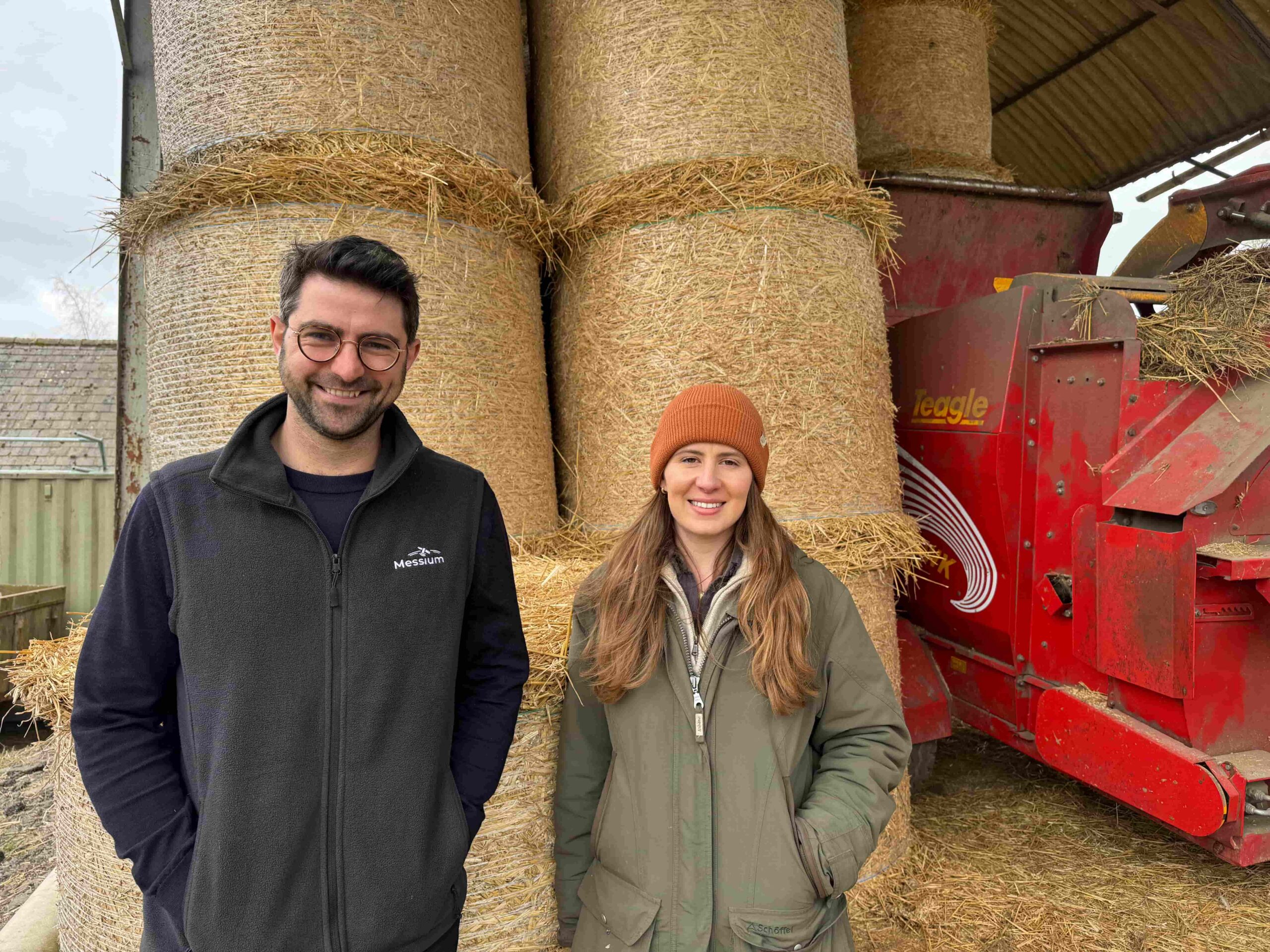
Wilder Sensing’s birdsong data reveals wildlife health of farmland
 Agri-TechE
 What if you could track the health of your farm’s ecosystem just by listening? That’s the aim of Wilder Sensing, a company using bioacoustics – the sounds of nature – to help farmers and land managers measure their impact on biodiversity.
It was during the COVID lockdown that founder Geoff Carss, a software engineer by trade but a keen naturalist, started to consider how we could better measure our impact on the environment.
“It’s a really complex subject,” he says. “There’s so many different taxa and they interrelate to each other, so how can we start to measure this?”
He was looking for an approach that was low cost, scalable technically, commercially and geographically, underpinned by good science, and could produce results that would be easy for people to understand.
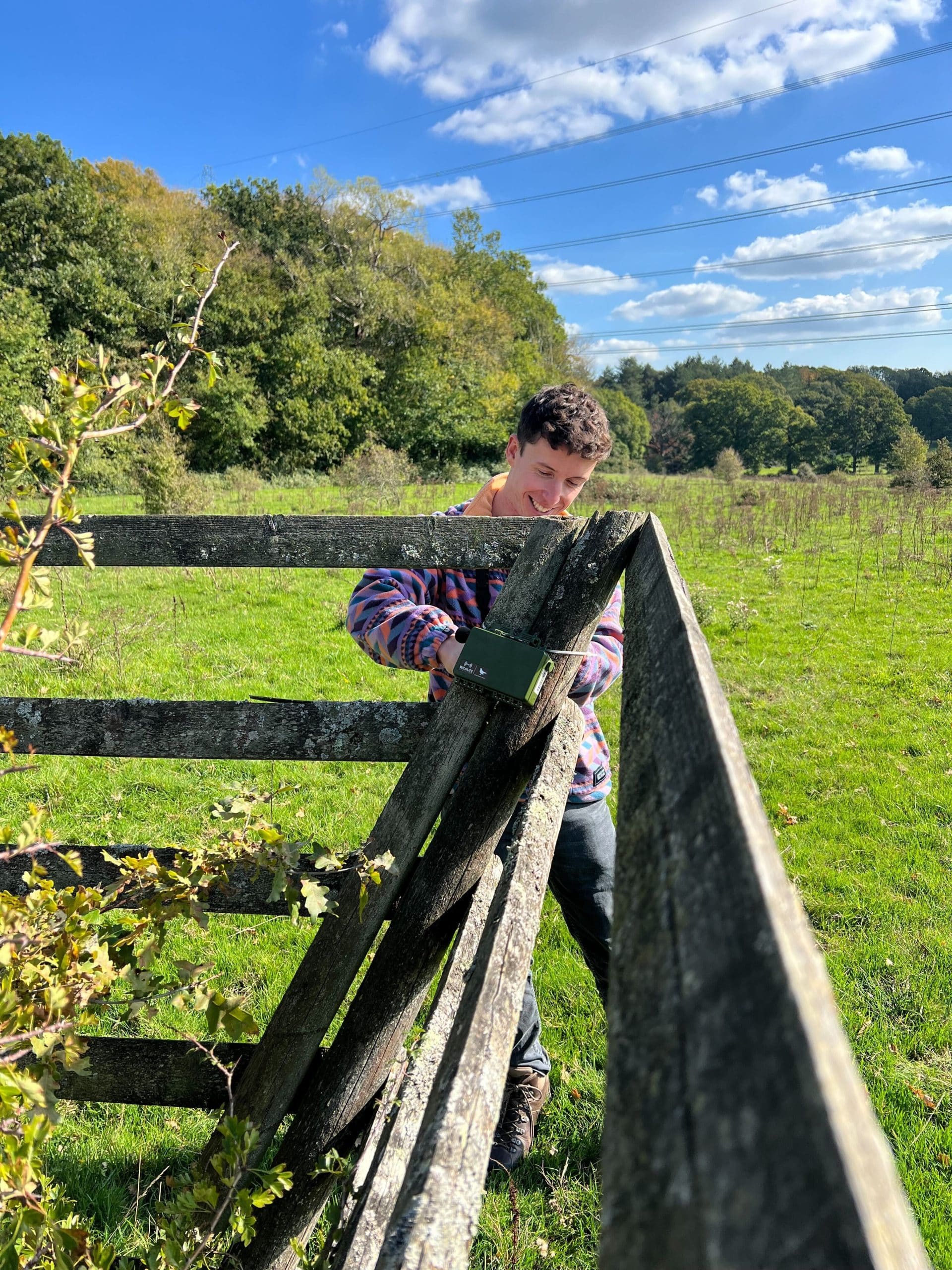
The answer was bioacoustics and the use of a simple recording device, an unobtrusive green box, consisting of a microphone, batteries and a memory card.
“It’s very straightforward to obtain vast amounts of data,” he says. “You can record 24/7 and use multiple devices across a site or farm.”
After successfully pitching an idea to use the recorders on BBC’s Springwatch in 2024, six recorders created over half a million records of identified bird calls in six weeks. That doubled the following year, when eight recorders over 10 weeks collected almost a million records.
Processing all that data is where the complexity begins, although the actual process is rather underwhelming, Geoff says. “It’s designed to be simple. You put the memory card in a computer, upload the audio files through a file manager and then everything happens in the background.”
The ‘background’ is using artificial intelligence and machine learning algorithms to identify individual bird species, explains Cat Scutts, Wilder Sensing Business Development Manager. Further down the line, the aim is to expand their capacity to also identify bats, mammals and some insect species.
“AI gets a bit of a bad rep, particularly around the environmental impacts of energy use and water for cooling. But the AI and machine learning we use is discriminative rather than generative AI.
“This has a much lower environmental impact,” Cat says. “The approach also saves a huge amount of time, money and potential fuel costs compared with an in-person survey – it’s very efficient.”

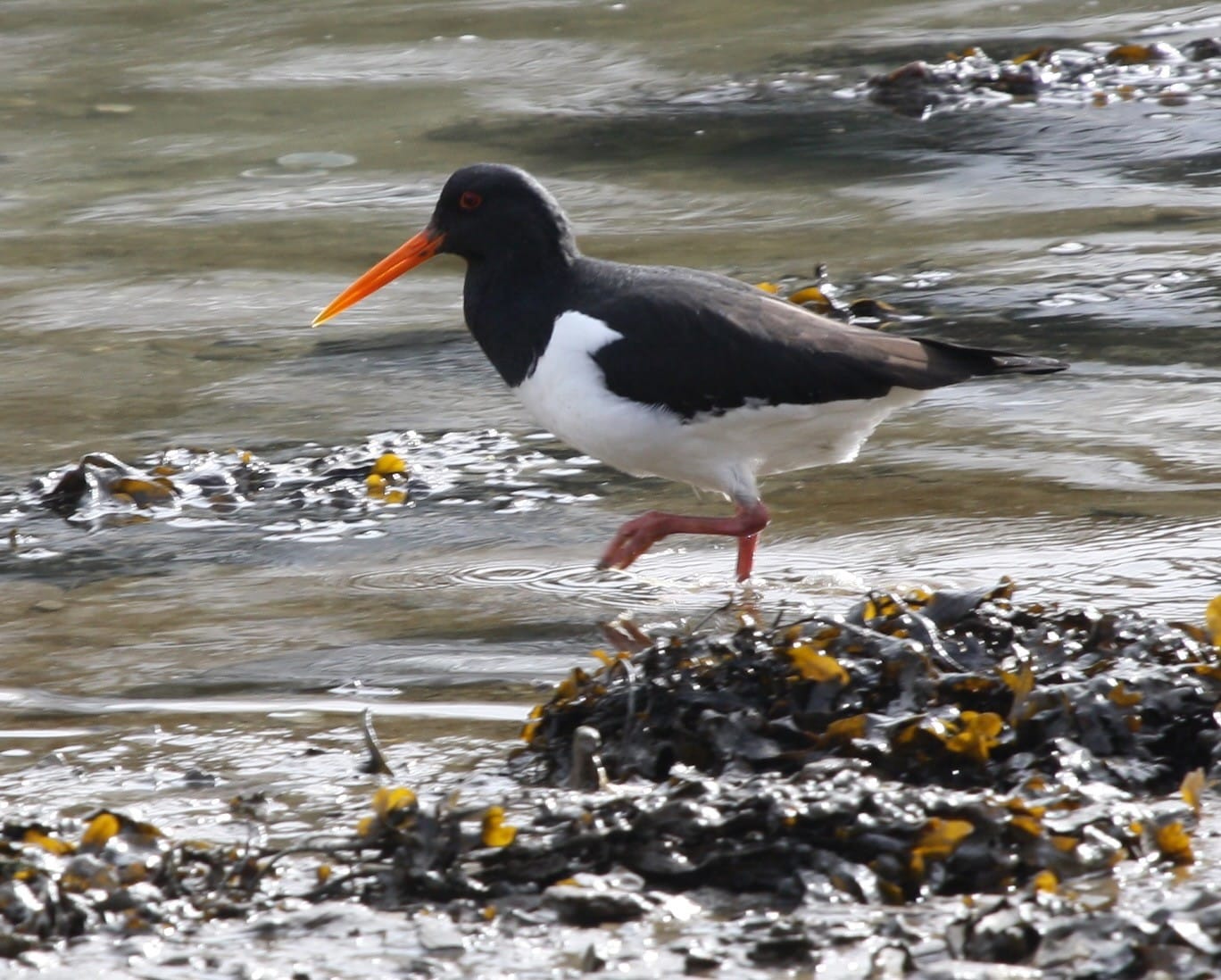
How the data is revealing the hidden stories of farmland wildlife
A primary use of the data is to track how wildlife responds to changes in farming or land management practices. Farmers can use recorders to establish a baseline of species currently on their land, and ongoing data to see how bird species change after implementing new strategies, such as joining a Sustainable Farming Incentive scheme or moving to regenerative agriculture.
“For example, you might track key indices such as the farmland bird index, which has declined significantly over the past 40 years,” Geoff says. “We can tell you what species are present, and which are absent. Farmers might then choose to work with an ecologist or farming wildlife advisory group to improve the index or attract a specific species back.”
Beyond presence and absence, the information helps reveal insights into bird/wildlife behaviour through the year, Cat says. “That kind of data gives you stories and insights into what impacts climate change and other environmental changes are having on species, and the underlying impact on the function of the ecosystem.
“It gives you an idea of the state of the health of the ecosystem and the environment.”
One such example came from the second Springwatch appearance in 2025. That data showed how resident birds, such as dunnocks, were breeding earlier in the year due to a changing climate, Geoff says.
This was having a potentially significant consequence on cuckoos, which arrive in mid to late April. Typically, they parasitise the nests of dunnocks along with other bird species.
“But now, by the time cuckoos arrive, it’s too late, which means they have fewer nesting options to choose from. And when you delve deeper, you find there are different genetic lineages in female cuckoos, which means they target a specific species to parasitise so their eggs look very similar to the target species.
“The concern is if they cannot parasitise dunnocks’ nests anymore, that lineage could die out.”
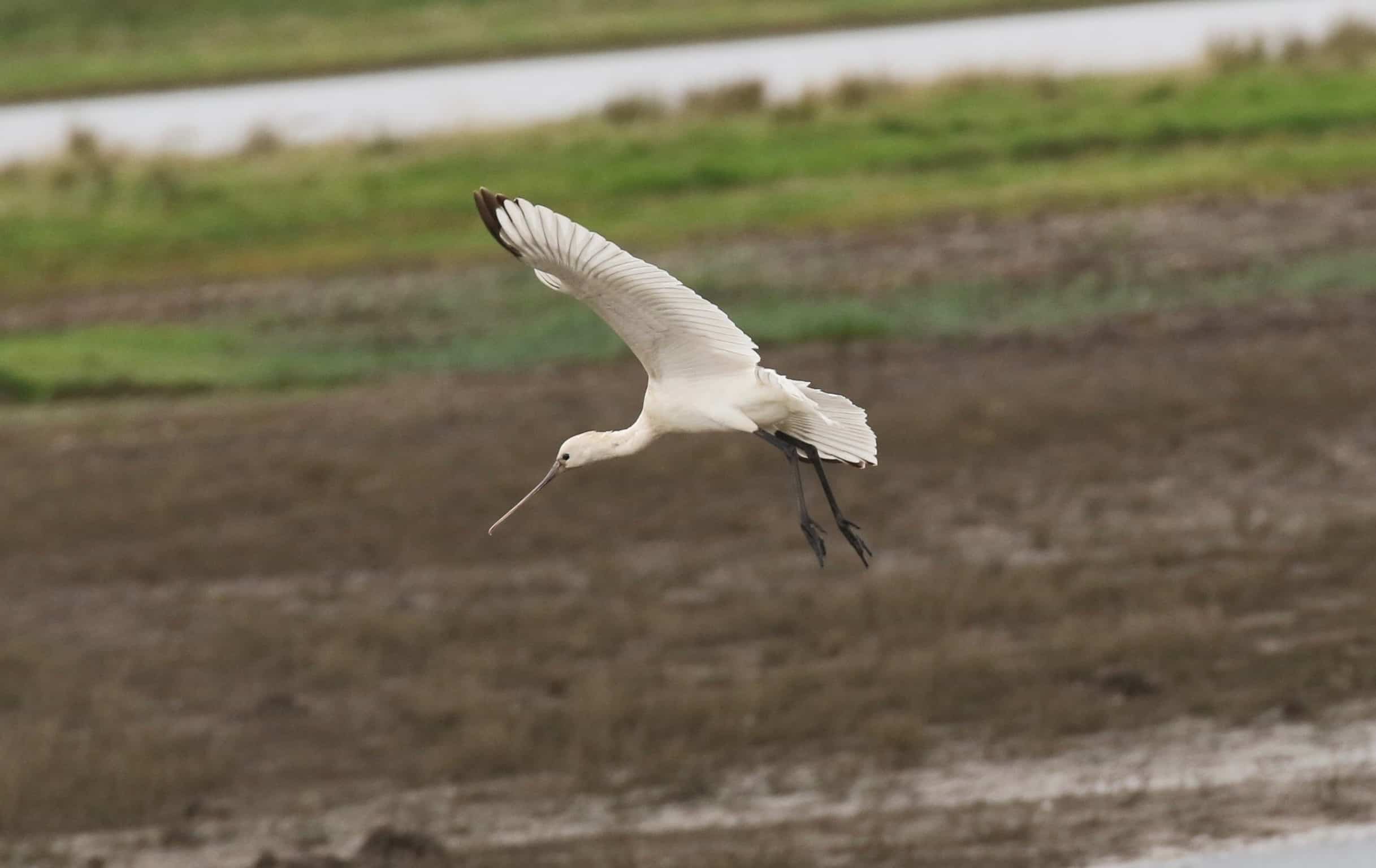
Post Overview
Agri-TechE Related Posts
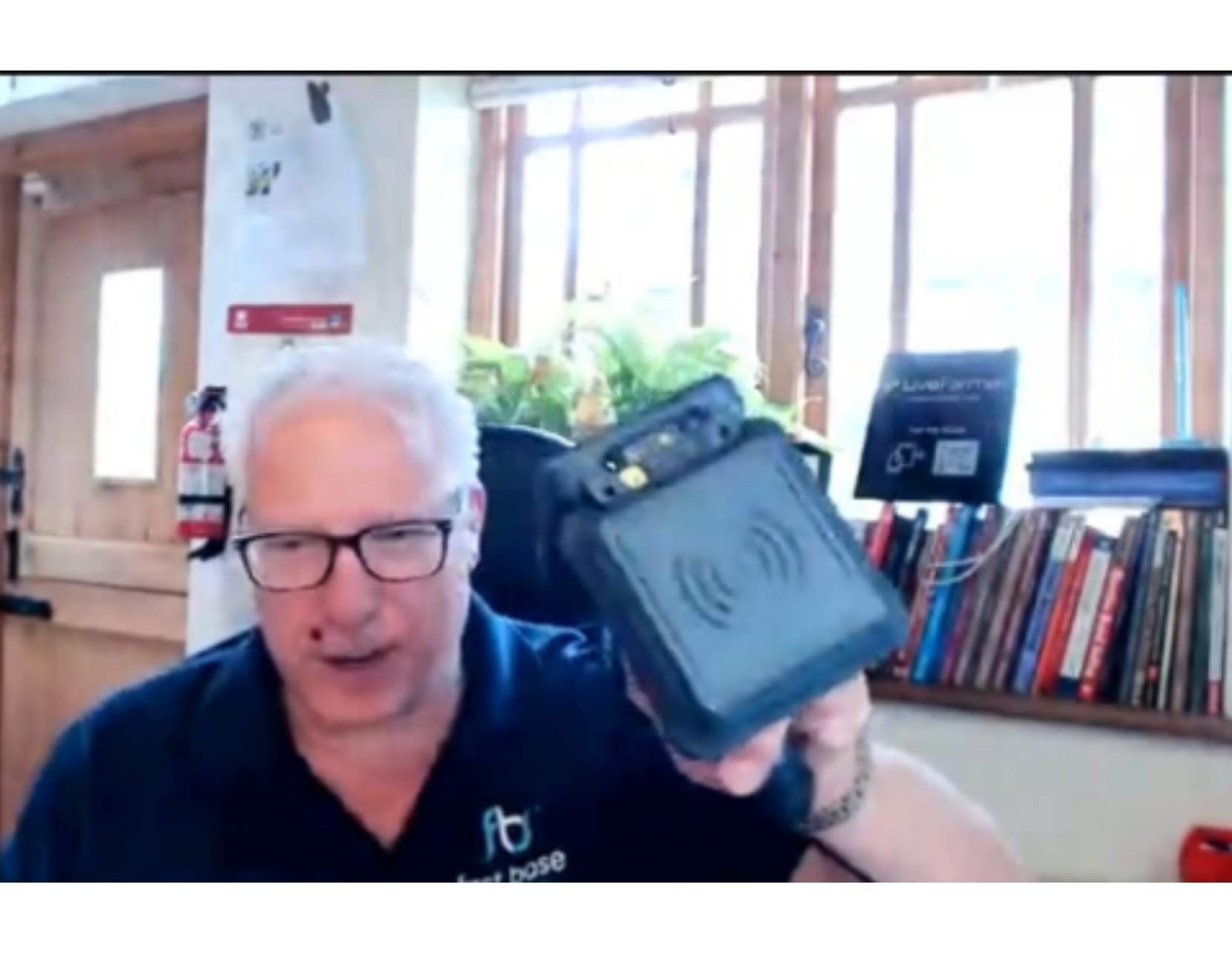
Boosting Efficiency by 40% with Centralised Farm Data Management Software

How Connecting an Existing Weighbridge Streamlined Business Operations From Vehicle Arrival Through to Final Departure

How open collaboration in agri-tech could help solve the farm profitability puzzle
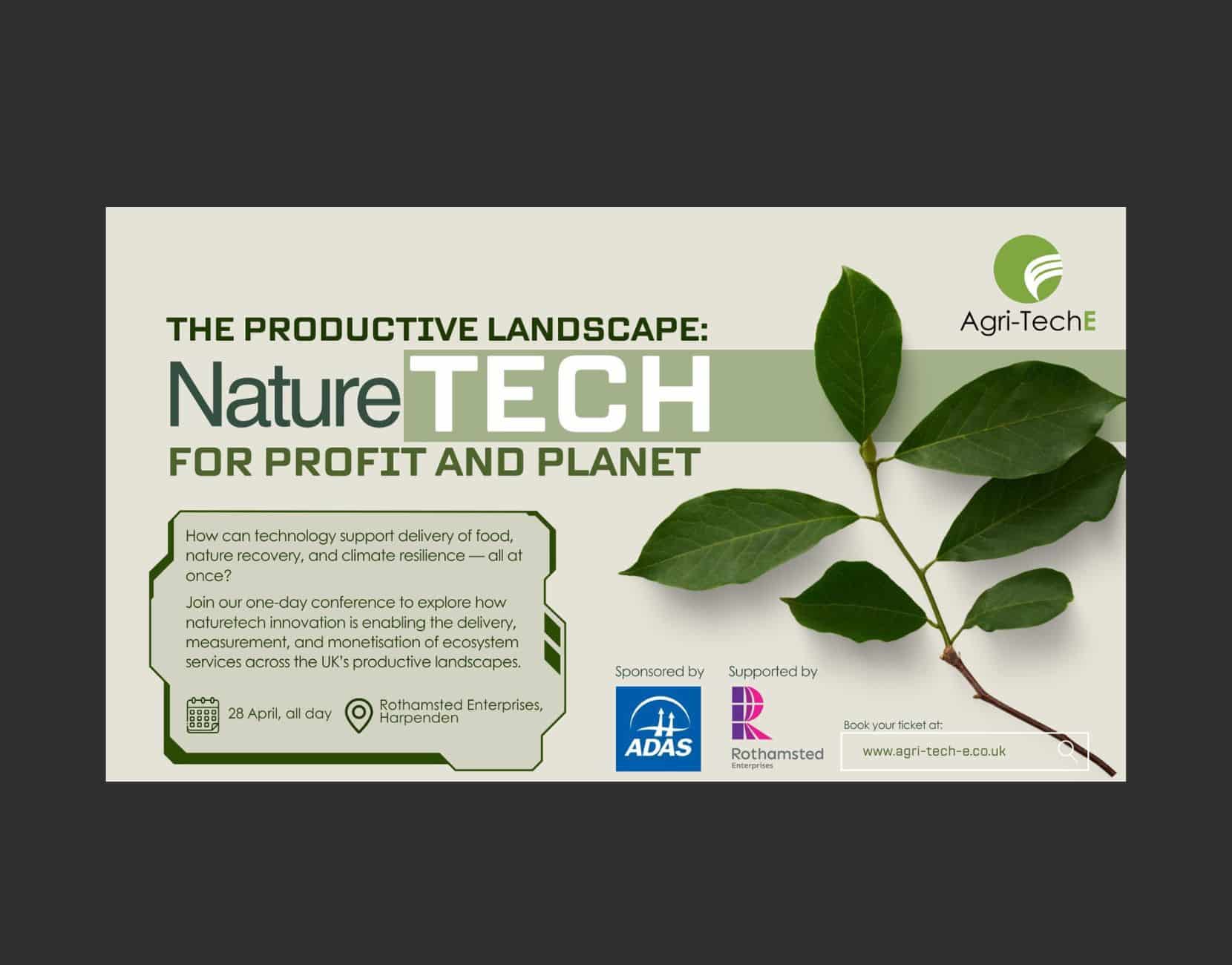
NatureTech: Supporting Businesses to serve both Profit and Planet
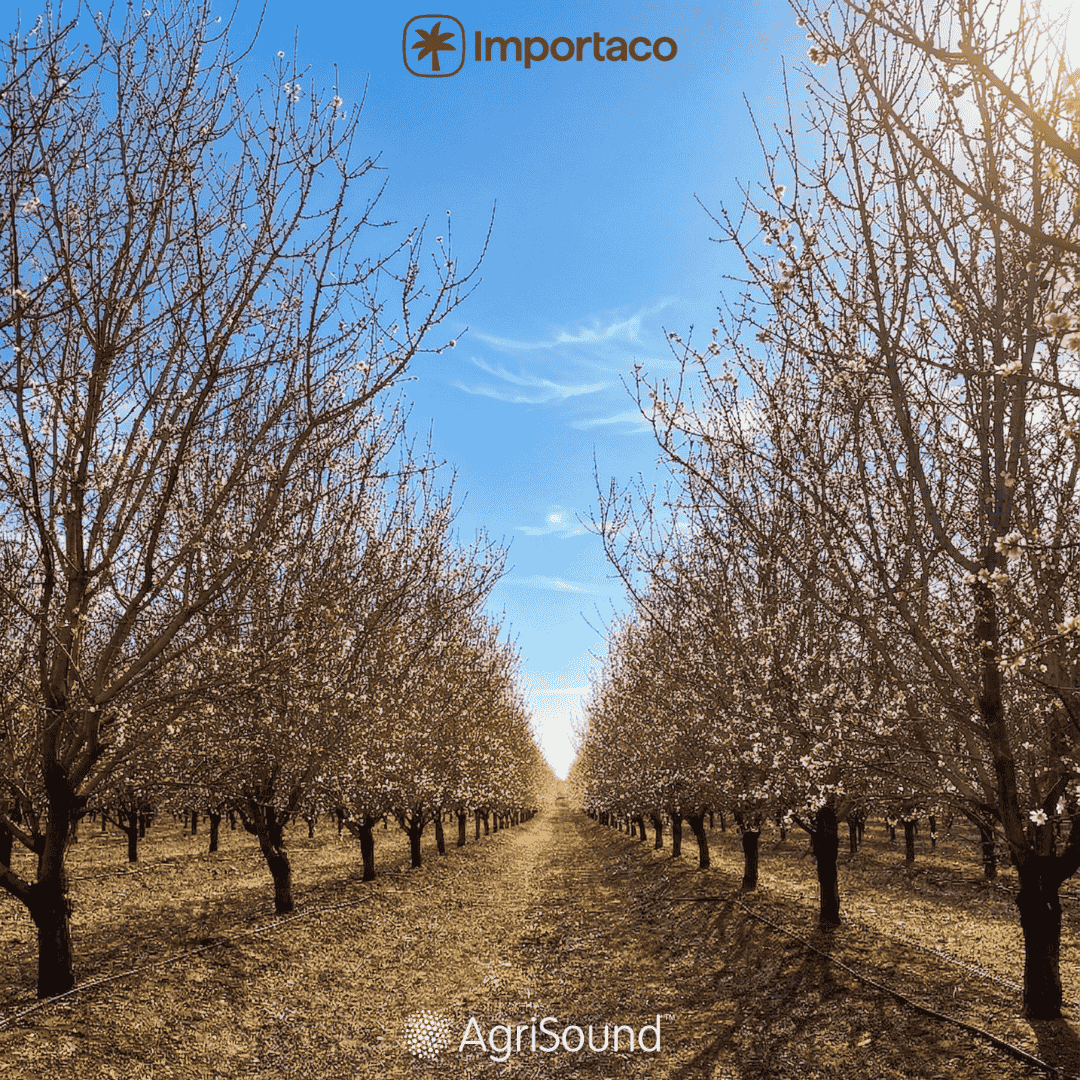
International food group Importaco partners with AgriSound on regenerative almond farming project