Reimagining the ‘F-word’
 Agri-TechE
 What does it mean to fail?
At this time of the year where many farmers are measuring success by crop yields and students are receiving exam results, we’re flipping failure on its head and exploring why we need to re-define its meaning – particularly in agriculture.
At its core, failure simply means that the outcome we hoped for didn’t happen. And while it’s a hackneyed truism that one learns from failure, there is more to it than that.
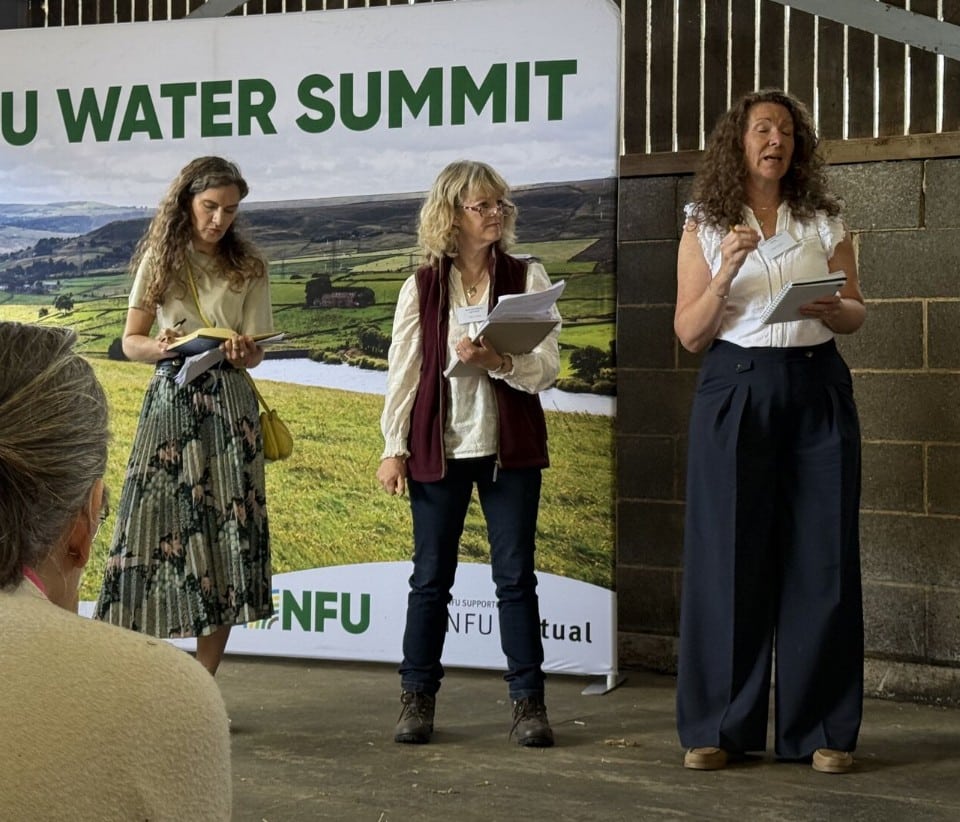
Inspiration for this blog topic came from the recent NFU Water Summit, where delegates discussed how failure – particularly when it comes to innovating in a tightly regulated area – can potentially lead to dire consequences.
We were discussing the need for new solutions around improving water quality, and how the risk of a trial, new technology, or different practice “failing” is inhibiting the process of developing and testing new ideas, given there might be potentially disastrous – or even legal – consequences from things not going as we might have wanted.
So the risk of failing is impeding the innovation process and impacting risk appetite.
What wasn’t funded?
Another area which has long vexed us at Agri-TechE is the destiny of “failed” proposals submitted for publicly supported projects that don’t meet the criteria for support. Some of these proposals, particularly those with big and complicated consortia, require weeks – sometimes months – of preparation.
Without doubt, most of those submissions won’t be funded – for example, BBSRC’s “responsive mode” grants (through which academics apply for money for their research) has a success rate of around 25 %. So nearly three quarters of proposals go unfunded. Now this might be that the science wasn’t up to scratch, the assessors weren’t persuaded by its potential impact, or it didn’t meet other success criteria.
Yet we only ever hear about those projects that were funded, meaning the “failures” are either reworked and resubmitted (hopefully with a more favourable outcome), or the idea fades away, and everyone moves on with their lives.
But all that brain power, agreement to collaboration, and the energy involved in building a “coalition of the willing” goes to waste.
No-one wants to see a weak proposal funded, but “failure” to persuade reviewers that the project doesn’t meet the funding criteria could still mean it was an idea which could hugely benefit agriculture and horticulture.
Was it all plain sailing?
Once a project has been funded and the work completed, it’s often a condition to share the learnings more widely. Naturally, there is a tendency to present the most positive and interesting elements of some research or set of trials – after all, no-one wants to appear as if they didn’t make good use of public money. Yet sometimes ‘the outcome we hoped for not happening’ could help others – maybe not a scientifically rigorous outcome, but perhaps adequate to inspire a change in practice.
Sweeping “failure” under the carpet isn’t universal – sometimes it is even celebrated. The “badge of honour” associated with having run “failed” start-ups in Silicon Valley is often quoted, although of course needs to be taken in context – failure just due to being not good enough still happens!
But let’s rethink what we mean by failure. As Thomas Edison said, “I have not failed. I’ve just found 10,000 ways that won’t work.”
Post Overview
Agri-TechE Related Posts

Farmland Market Update Q2 2026: England Land Prices, Demand & Market Outlook

Fields of the Future : Episode 4
“Diamonds in a Paper Crown” at the OFC 2026

Our Week in Agri-Tech Podcast

Farming Update – October