How Earth’s earliest photosynthesizers could offer farmers a new commercial – net zero – opportunity
 Agri-TechE
 Member Spotlight on: Tattva, with Founder Prantar Mahanta Tamuli
With the rising demand for a more sustainable economy, researchers have discovered a new method to harness the world’s oldest plants, cyanobacteria, to help reduce global carbon emissions.
Prantar Mahanta Tamuli, the founder of Tattva – recent recipient of the Innovate UK Smart Grant – discusses his discovery and the opportunities it presents for the farming sector.
Cyanobacteria, over 3.5 billion years old, are recognised as the first organisms to develop photosynthesis and contribute oxygen to the Earth’s atmosphere. In their rock formations, known as stromatolites, these structures can sequester carbon, but until now, they have taken thousands of years to grow.
However, through his research, Prantar has discovered a method to artificially grow the bacteria in days, producing a new material that is poised to be instrumental for both the architectural and agricultural landscape.
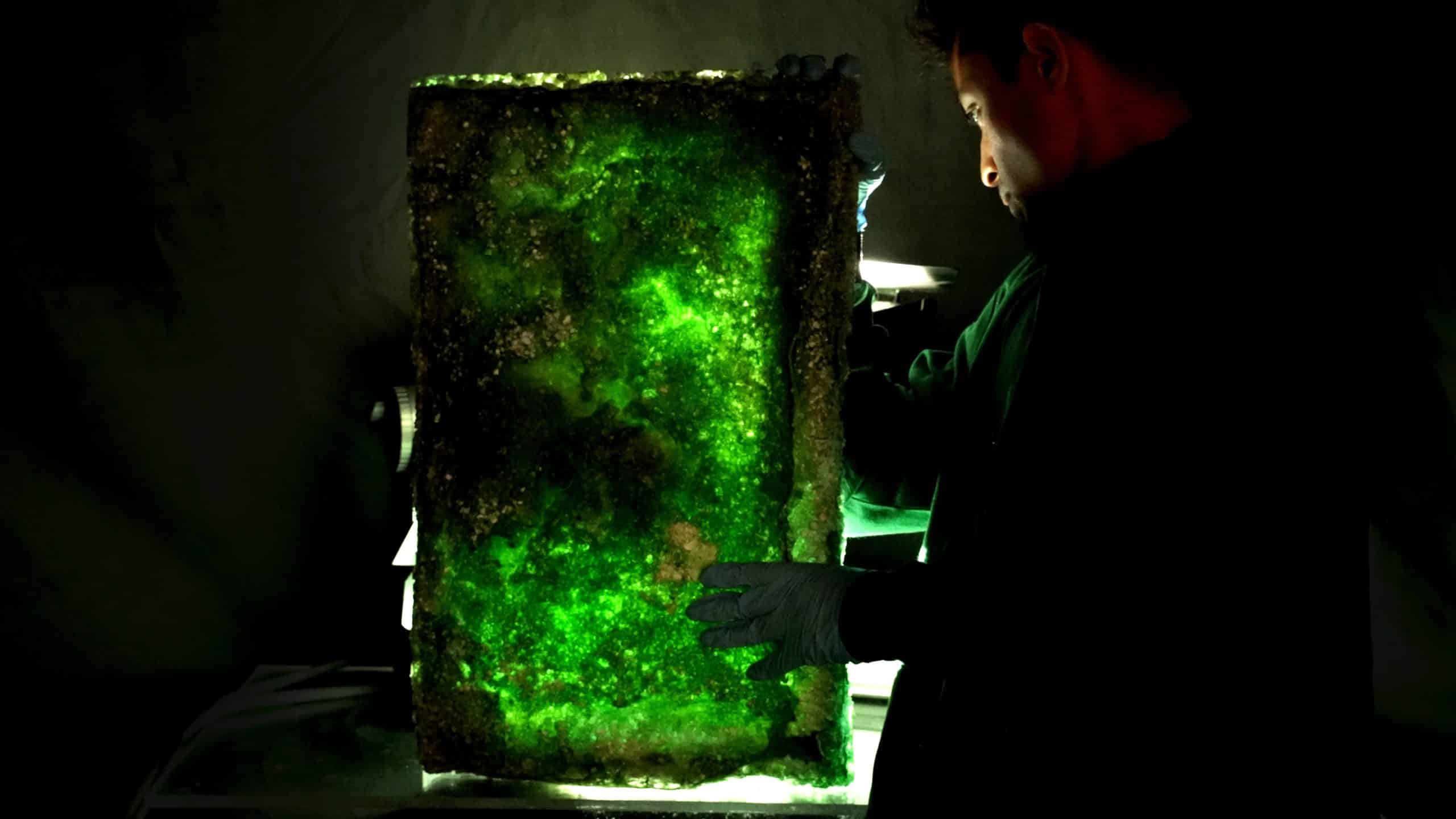
“Growing the bacteria allows us to harness their ability to sequester these minerals in the form of calcium carbonate in just ten days.
Using the organism cyanobacteria to create a new building material, Tattva aims to replace the four primary conventional materials — brick, foam, wood, and glass.
“These four materials are some of the most used with a market size of about $1.11 trillion.
“They contribute about seven gigatons of materials of CO2 in the atmosphere, so even if you’re replacing an extremely small percentage, you’re looking at a massive global impact,” Prantar adds.
“The estimates show us that about one ton of carbon can be sequestered in about four cubic meters of this material when we grow it.
How does this stack up against traditional materials?
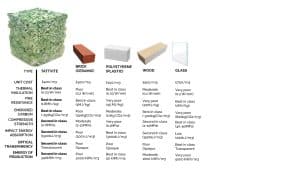
In comparison to conventional materials, the new cyanobacteria structure has both practical and sustainable properties.
“It’s like a brick, but extremely insulating and fire resistant, so it has very valuable, functional properties that we use in the current construction industry. But the main difference is that it sequesters carbon dioxide rather than emitting it,” says Prantar.
Initial prototypes and pilot projects have demonstrated the material’s application in the construction industry, but Tattva plans to expand into the agricultural sector.
What could this mean for farming?
The farming industry is facing challenges in reaching net-zero targets. Working with his co-founder Andy Grey, chairman of Devon Agriculture Association, Prantar is exploring ways to incorporate their discovery into farming systems to create commercial opportunities, aid in reducing carbon emissions, and achieve sustainability targets.
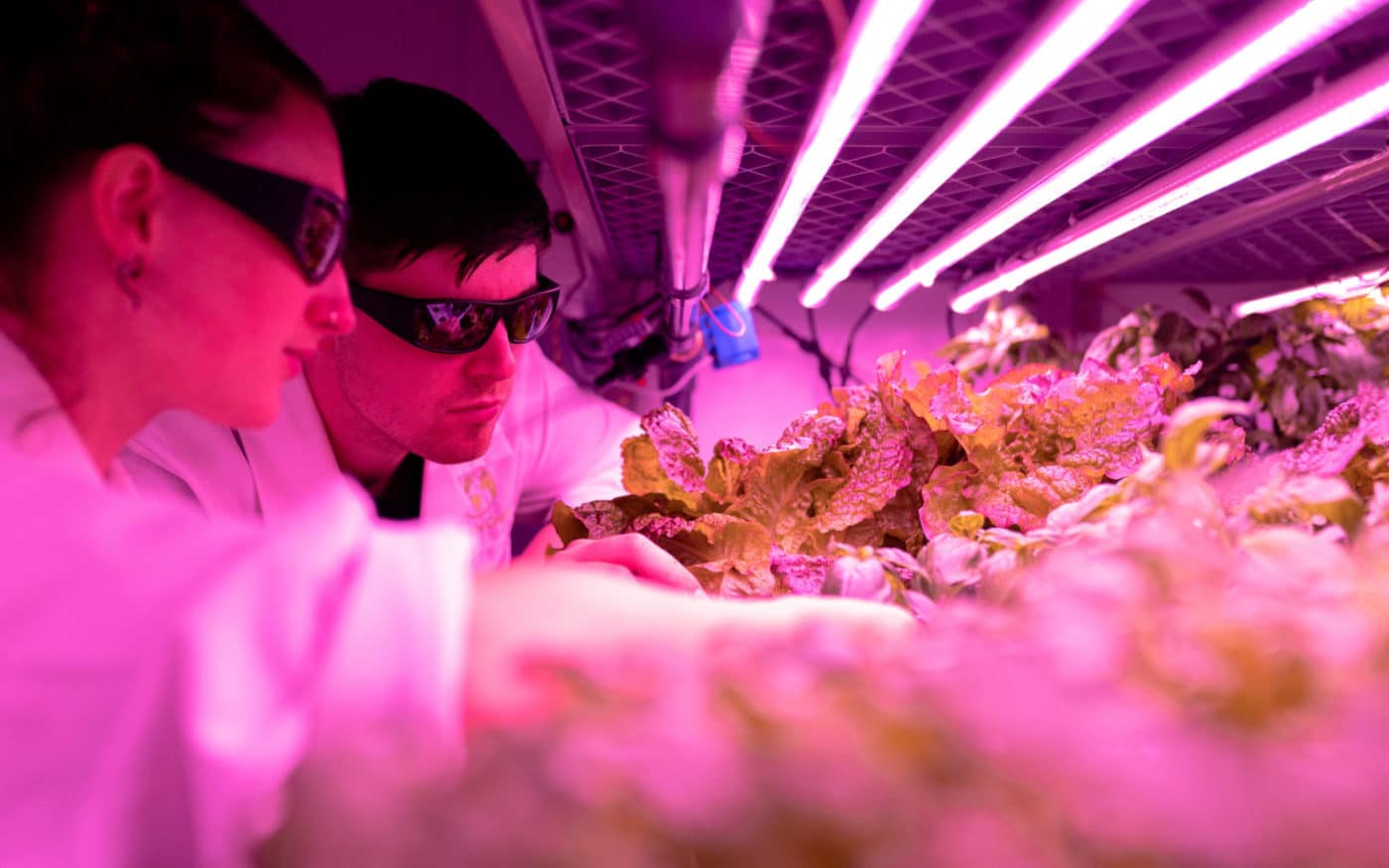
It could also unlock an enormous market for farm diversification, utilising a vertical farming production approach. We discussed vertical farming and biological production as potential future farm diversifications in our recent online event.
In the future, could farmers be growing construction materials and sequestering carbon at the same time?
“The process is essentially seeding, growing, and harvesting. We grow the bacteria in a solid-state reactor — a bed where the material is grown. This bed can be stacked vertically, which means that the principles of vertical farming we use today, and the principles of scaling food production, can also be applied to scale this new material technology.
“Therefore, the model we are approaching or developing is one of growing this material and supplying it to cities in much the same way our food is grown on farms and supplied to cities, within the same network,” he states.
“The estimates show us that about one ton of carbon can be sequestered in about four cubic meters of this material when we grow it.”
Big news for Tattva
Tattva have recently been awarded the Innovate UK Smart Grant of £650,000 (for an overall project award of £925,000) to scale the business and their bioengineered material, Stromate.
“With this grant, we hope to unlock its true potential to transform our world and usher in a new future that is regenerative, safe, and carbon negative,” Prantar states.
Join the conversation
You can stay up to date and learn more about the latest innovations by being a member of Agri-TechE . Tattva has found it to be a valuable asset for their business development.
“There are very few who know about something like this development, and that is where knowledge transfer is absolutely essential,” Prantar says.
“[Agri-TechE ] has helped us with this, exploring the dimensions of what would work in the agricultural domain, scaling and how it can help and those kinds of aspects.
Post Overview
Agri-TechE Related Posts
Hydroponics in China; is there really no demand?

Overcoming the limitations of time – REAP report launched
Advances in underground growing brings salad to London tunnels
Gardin sensors provide deep understanding of plant stress
Norwich Research Park Innovation Hothouse winners announced