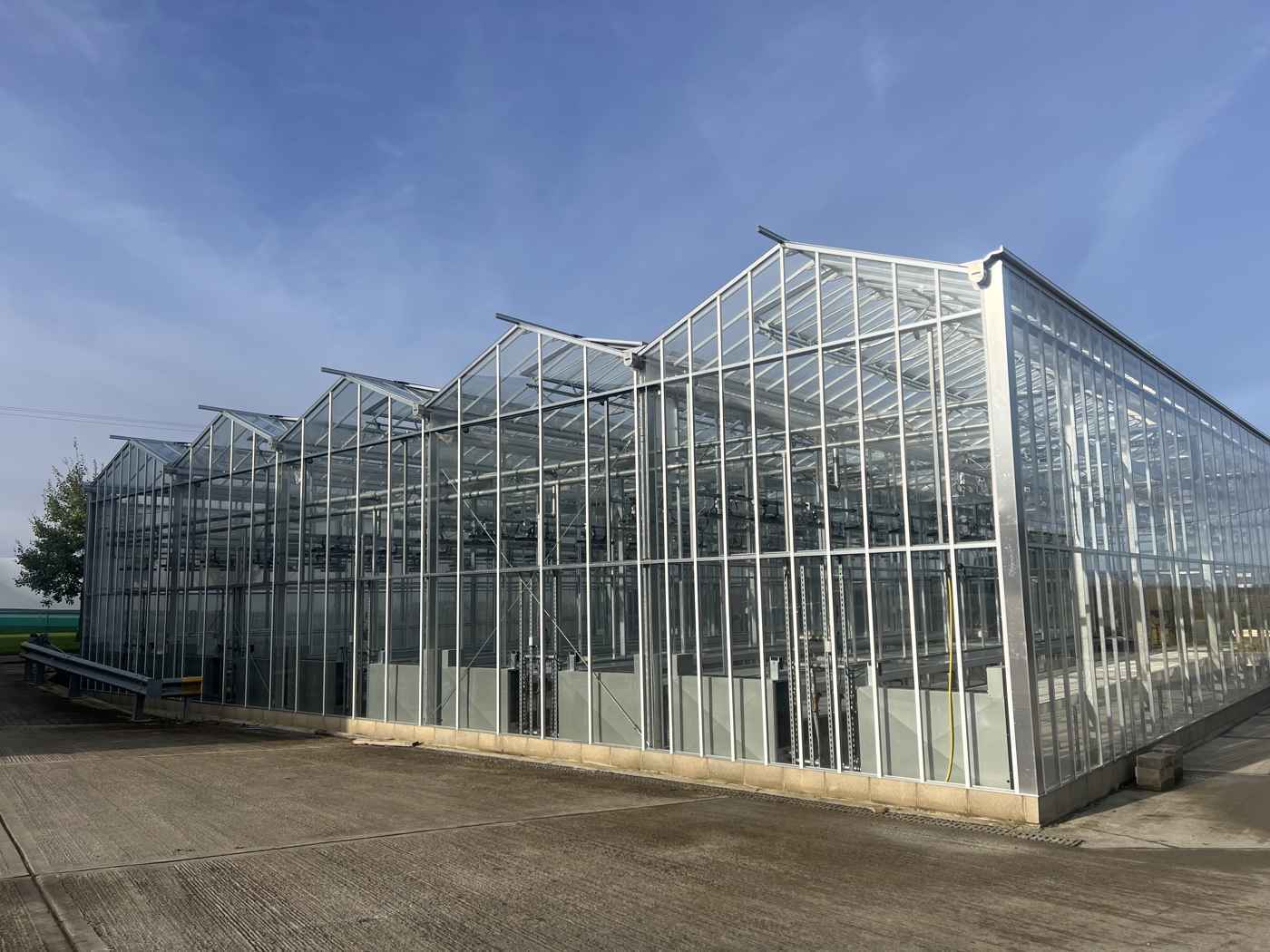
Agri-Tech recognised as ‘Frontier Sector’ in Modern Industrial Strategy
 Agri-TechE
 Investment, growth, skills, scaling and export… the newly-unveiled Modern Industrial Strategy offers lots of “wins” for UK agri-tech, hopefully removing some of the well-articulated barriers to help the industry realise its full potential.
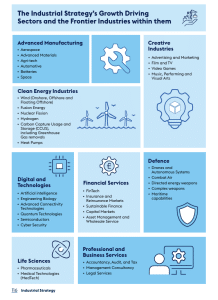
As part of the over-arching 10 year Strategy, “agri-tech” has been identified as one of the six “frontier sectors” (alongside automotive, batteries, aerospace, space and advanced materials) within the Advanced Manufacturing ‘Growth Driving Sectors’ Plan.
As well as outlining some specific interventions for agri-tech (including committing at least £200m for the Farming Innovation Programme until 2030), there are some even bigger prizes for agri-tech embedded in the Strategy.
(And Agri-TechE even got a mention!).

Why does inclusion in the Sector Plan matter for agri-tech?
Being named in the Sector Plan means that across various government departments there is a collective and agreed direction of travel. It means hopefully better cooperation between departments where they might have influence over different elements of a challenge – now they can and should work together to align their efforts.
Weather and seasonality aside, the challenges still facing widespread commercial agri-tech adoption are not unique to our industry. As we heard at our Challenge Convention, there is an urgent need to reduce energy costs, minimise supply chain disruption, raise finance, support scale-up, and develop the skills for the workforce of the future.
It’s heartening to see that while many of the interventions outlined in the strategy are not bespoke for agri-tech, they certainly provide huge opportunities. For example, the plan includes data sharing infrastructures to support governance and build trust, leveraging public and private investor partnerships, and regulatory reform. It also features specific deliverables, such as a new Robotics and Autonomous Systems programme, creating a network of physical Robotics Adoption Hubs to help businesses adopt these technologies. In addition, £100m has been committed over three years to enhance engineering skills, plus short courses in engineering, AI and digital skills.
So, we are going to have to learn to sit alongside other sectors and demonstrate the value, impact and potential return on investment to ensure money will be directed to agri-tech.
How hard was it to get agri-tech recognised in the plan?
Three days after the announcement, Daniel Zeichner (Minister of State for Defra) visited us at our Innovation Hub at the Royal Norfolk Show. We took the opportunity to ask him three quick-fire questions about getting agri-tech into the Industrial Strategy.
Going Further, Together
Looking at the other “frontier sectors,” it’s hard to imagine a farm, agri-business or supply chain player not looking to harness solutions from them. In fact, many of the innovations we classify under the umbrella of “agri-tech” have been developed within, or inspired from, these other sectors.
There are natural partnerships that will hopefully emerge, and co-operation, not competition, is going to be key.
Agri-tech-specific interventions
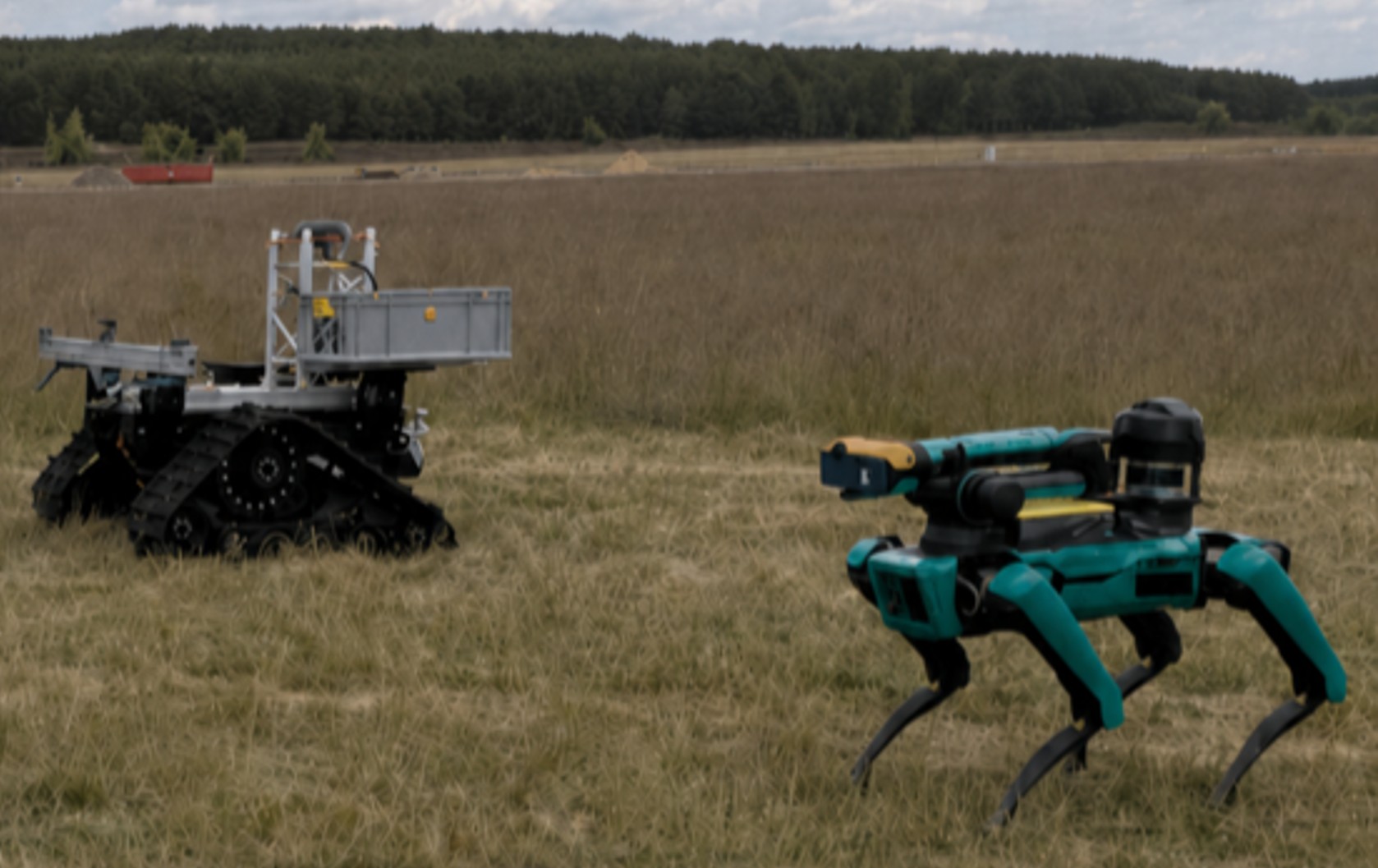
- Precision technologies feature strongly, with controlled environments, robotics and automation, advanced sensors, AI and data systems all named, as well as an ambition for “engineering biology” (formerly known as synthetic biology) to be applied to agriculture.
- An additional £5m committed to the Farming Innovation Investor Partnerships which will hopefully leverage another £10m of private investment by 2030.
- An Agri-TechE xport Accelerator Programme, aiming to match high growth potential businesses with promising markets.
- An ambition to support The Institute of Agriculture and Horticulture to “support farmers and growers access and develop the technical and business skills needed for their business.”
Promise, with a note of caution
It is of course fantastic to see the Government’s recognition of the impact to date, and the future potential for agri-tech in the UK. Its inclusion is the result of many months of work by unsung heroes behind the scenes, putting forward the business case for agri-tech’s place amongst other key sectors.
This is a huge opportunity – but things have to change. There has been much success to celebrate, but there is some fatigue and even disillusionment over certain initiatives in the UK agri-tech community that haven’t delivered on original ambitions. Displacement of existing commercial entities by mis-aligned public funding has also been a risk.
Change is needed, and there is now an opportunity to do things differently, reflecting the “new world order” and building on past successes.
What will success look like?
The ultimate aim – for agri-tech at least – is to achieve a sector turnover of at least £20 billion by 2035. This is an increase from – £13.1bn achieved back in 2023. It will be achieved by the success of the growing number of companies spending more on R&D, increasing their productivity, scaling and exporting.
When it comes to government success, the metrics are everything. Let’s give them something to count on.
Post Overview
Agri-TechE Related Posts
What should technology solve next for growers?

Back-to-Back Awards for Burleigh Dodds!
Measures the grain, Not the Air
Bringing Roboverse to the UK, turning promising robots into practical farm systems

Defra’s Science Chief Announced as REAP Conference keynote