Land Use for Net Zero Footprint: Greenhouse Gas Accounting Living Lab
 Cranfield University
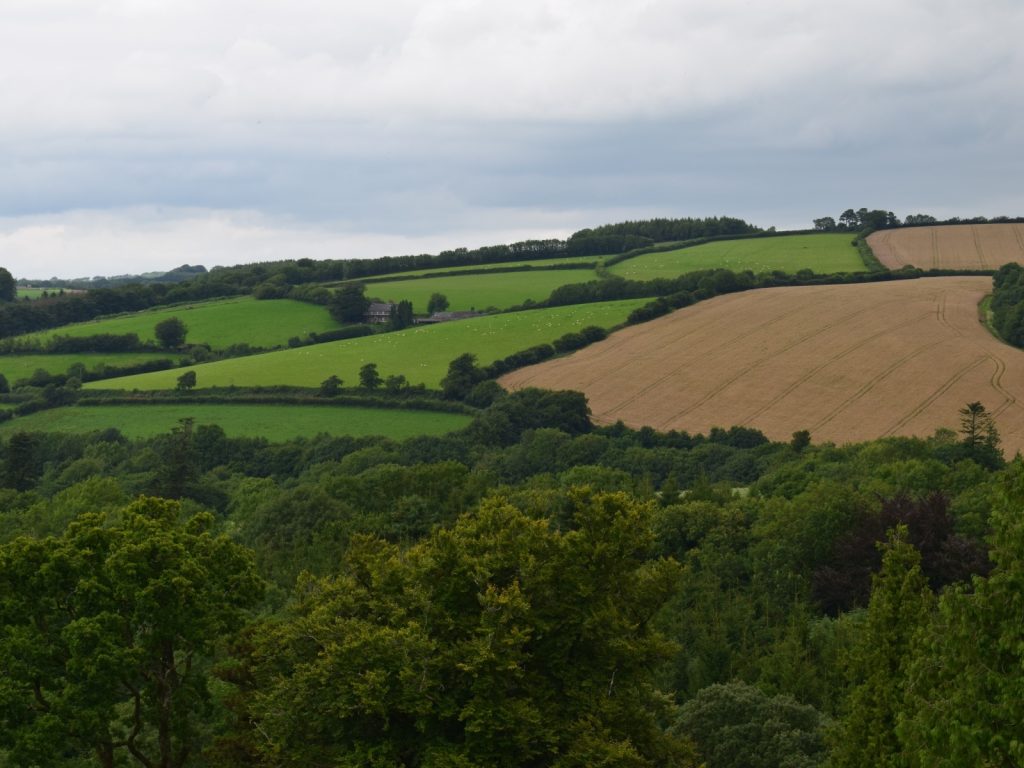
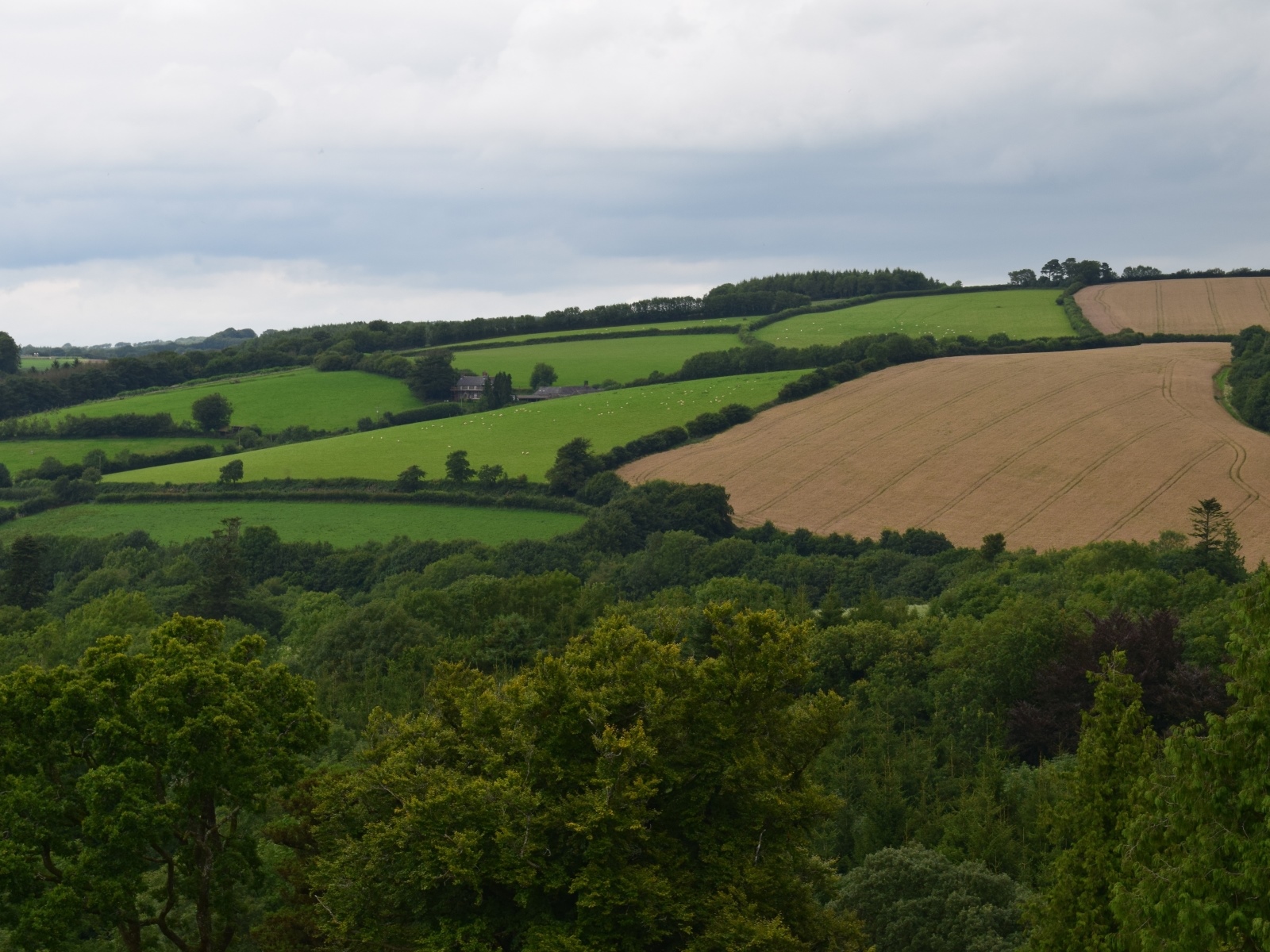
Land use can be the cause as well as the solution to the biodiversity and climate crises that we currently face. However, our ability to better predict the implications of our land use decisions will determine whether we can achieve desired changes that support diverse needs, on a finite area, whilst reducing environmental impact.
Land Use for Net Zero (LUNZ) Footprint is one of five research projects that run alongside the LUNZ Hub. Collectively these projects aim to help drive the transformation of UK land use needed to achieve net zero by 2025. The LUNZ Footprint project specifically aims to make it simpler for farmers to measure and reduce their carbon footprint, recognising that as we approach 2050, farm businesses will increasingly need to demonstrate net zero credentials to processors and retailers who have Scope 3 net zero targets.
LUNZ Footprint uses a ‘Living Lab’ approach to enable integration of research and innovation through co-creation in the real-world, ensuring research matches industry needs. Key to the success of these Living Labs is building communities who can share best practices and help compare greenhouse gas calculations. The project is engaging with policy and value chain stakeholders and 100 farm businesses to raise awareness around the tools available to understand greenhouse gas footprint and to help place farm businesses at the centre of decision making.
There are currently opportunities to engage with this project through a series of regional workshops. The Eastern England workshop to describe the project and provide opportunities to engage further will take place on Thursday 8th May 2025 at Cranfield University in Bedfordshire. Details and registration for this event can be found here.
-
- *I have permission from the copyright holder to publish this content and images.
Related Posts

Scaling transformative metal organic framework innovation with Ahbstra
Why agri-tech adoption is usually a people challenge, not a technology challenge
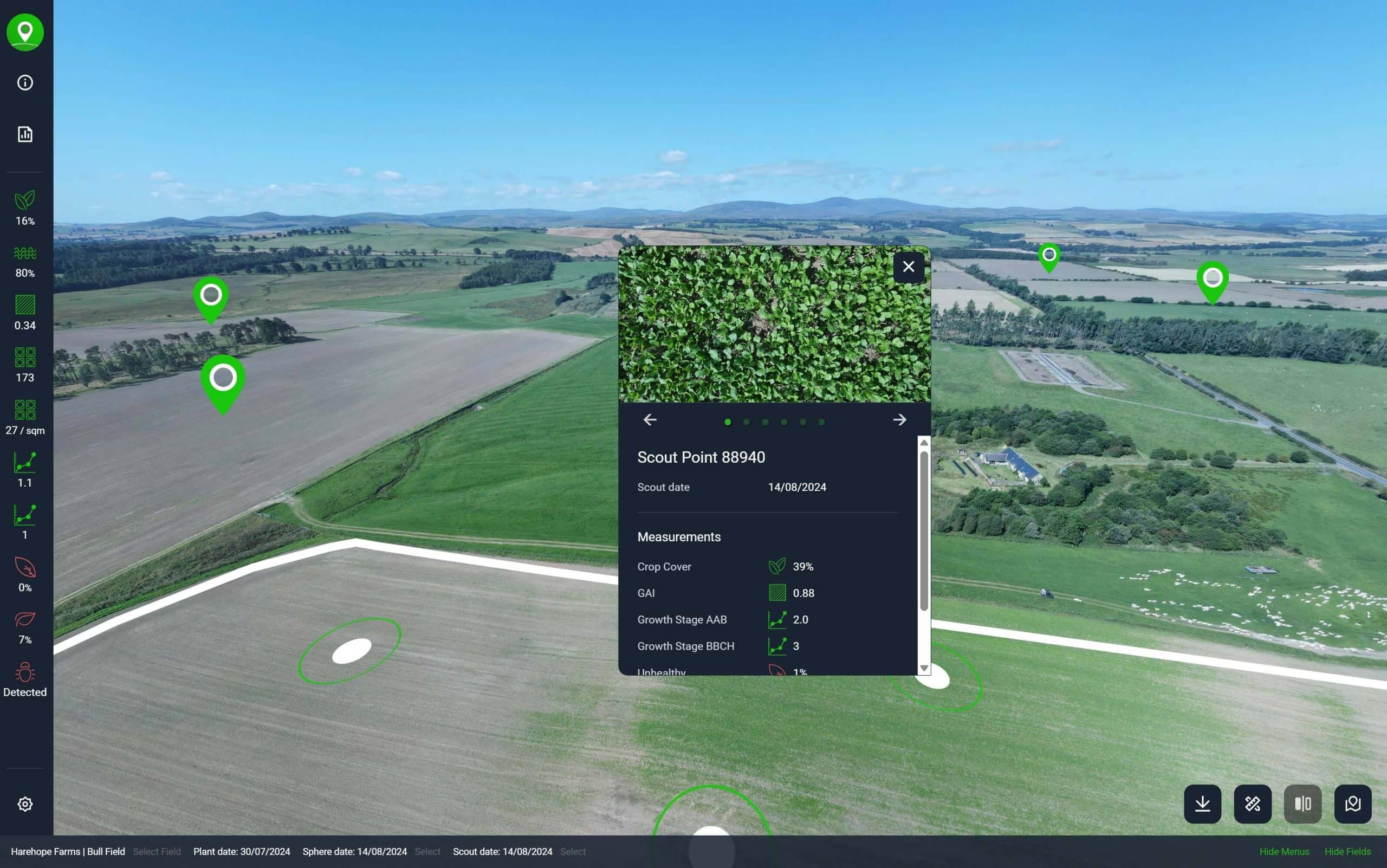
Drone Ag Launches Skippy Scout’s Spheres Version 2
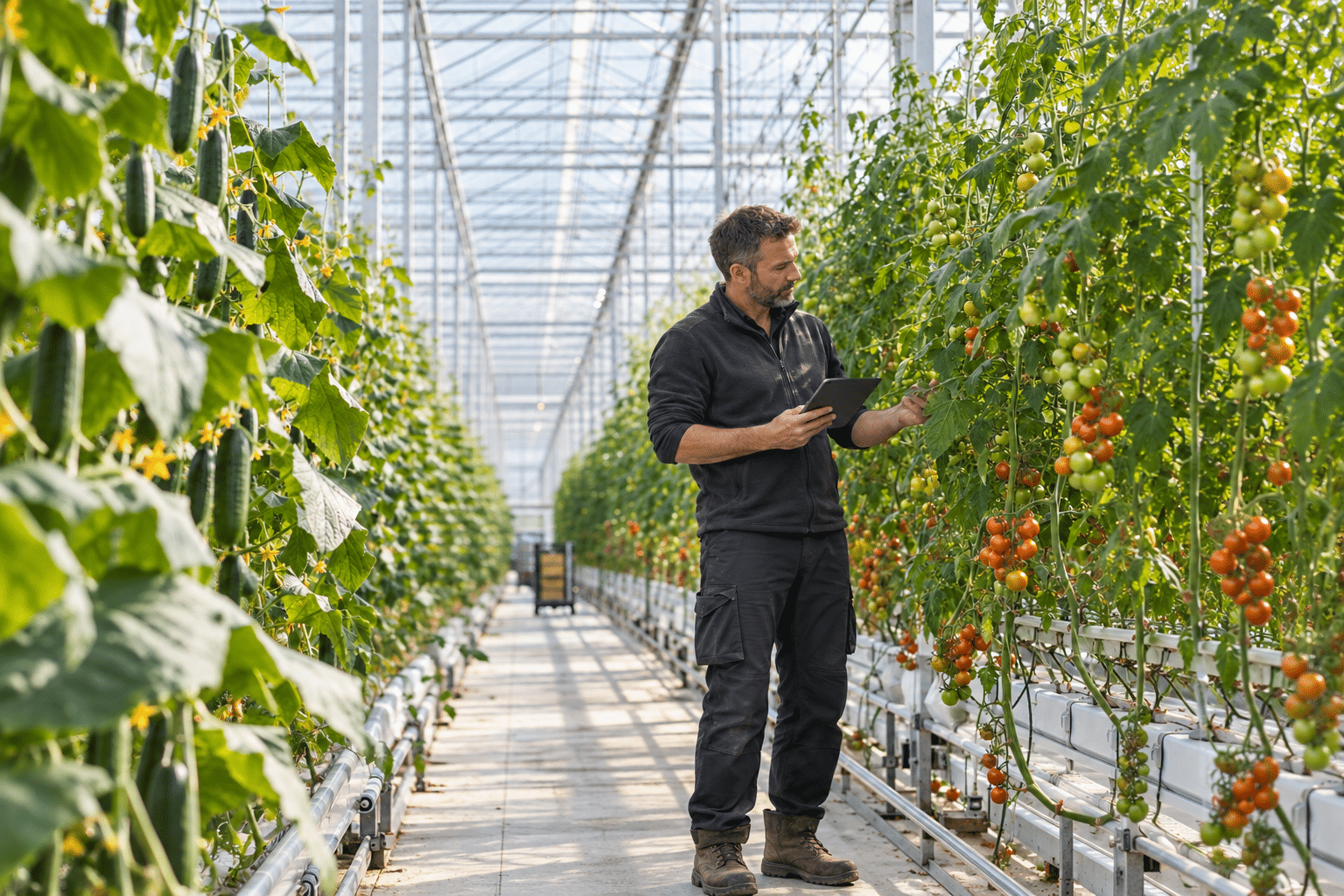
What should technology solve next for growers?

Defra’s Science Chief Announced as REAP Conference keynote