Challenge Convention defines what needs to change in agri-tech
 Agri-TechE
 - Mission-driven, informed by industry need.
- Play to the UK’s globally differentiated excellence across a few major themes.
- Deploy stricter “kill milestones” across publicly funded projects and programmes.
- Create the world’s largest “test-and-trial” on-farm capacity.
- And set a clear direction of travel for UK agri-tech.
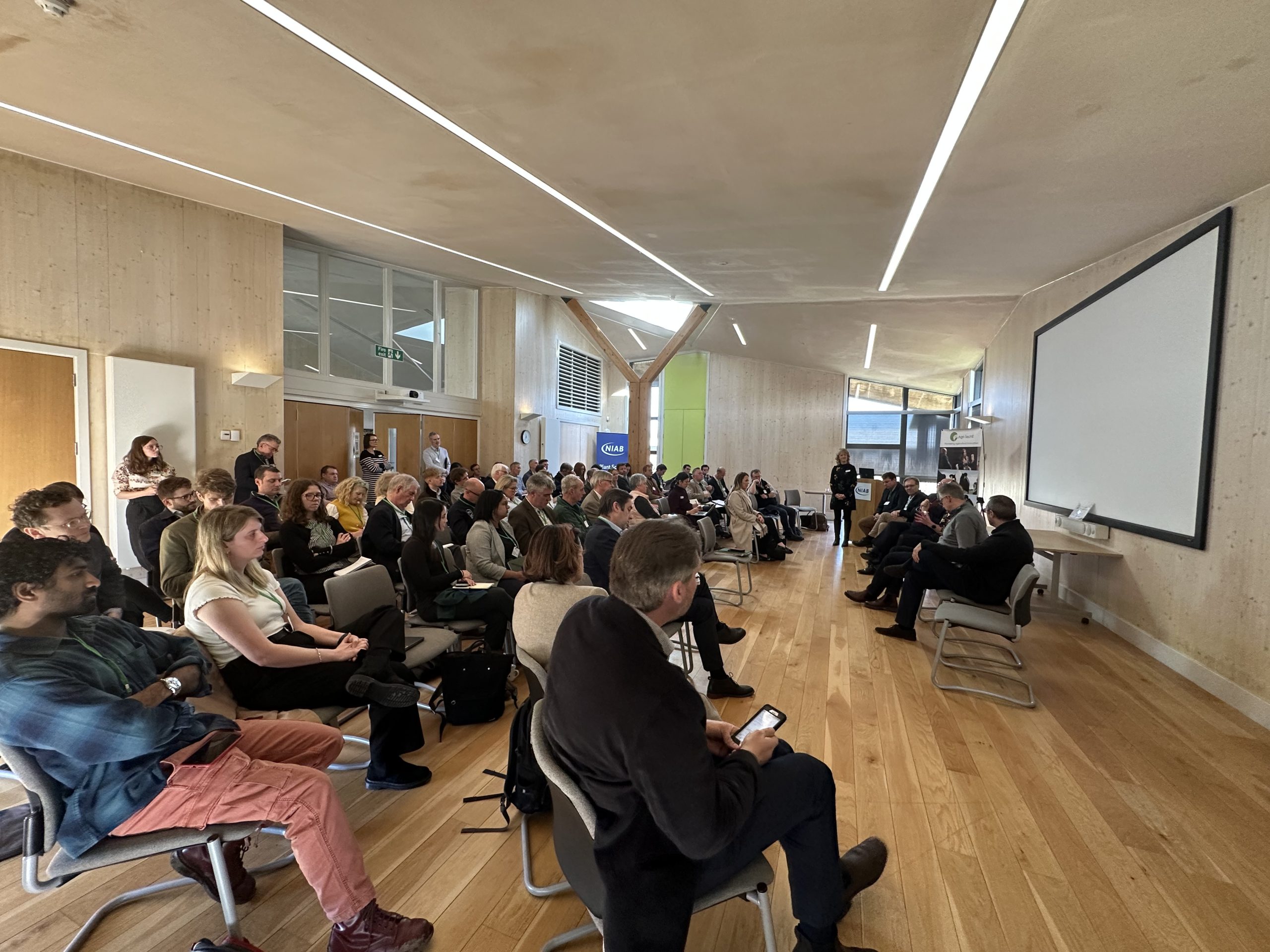
These were the top asks from our recent Challenge Convention event. Delegates were constructive and – mostly – united in their views about how to unlock the remaining untapped potential of innovation in agriculture and horticulture to make them more productive, profitable and sustainable.
Celebrating success to date – and setting a vision for the future
There was much positivity about the achievements over the past decade in agri-tech. However, with a global decline in private investment, increased “tech-fatigue” among farmers, and reduced public funding, the time is ripe to “re-boot” UK agri-tech.
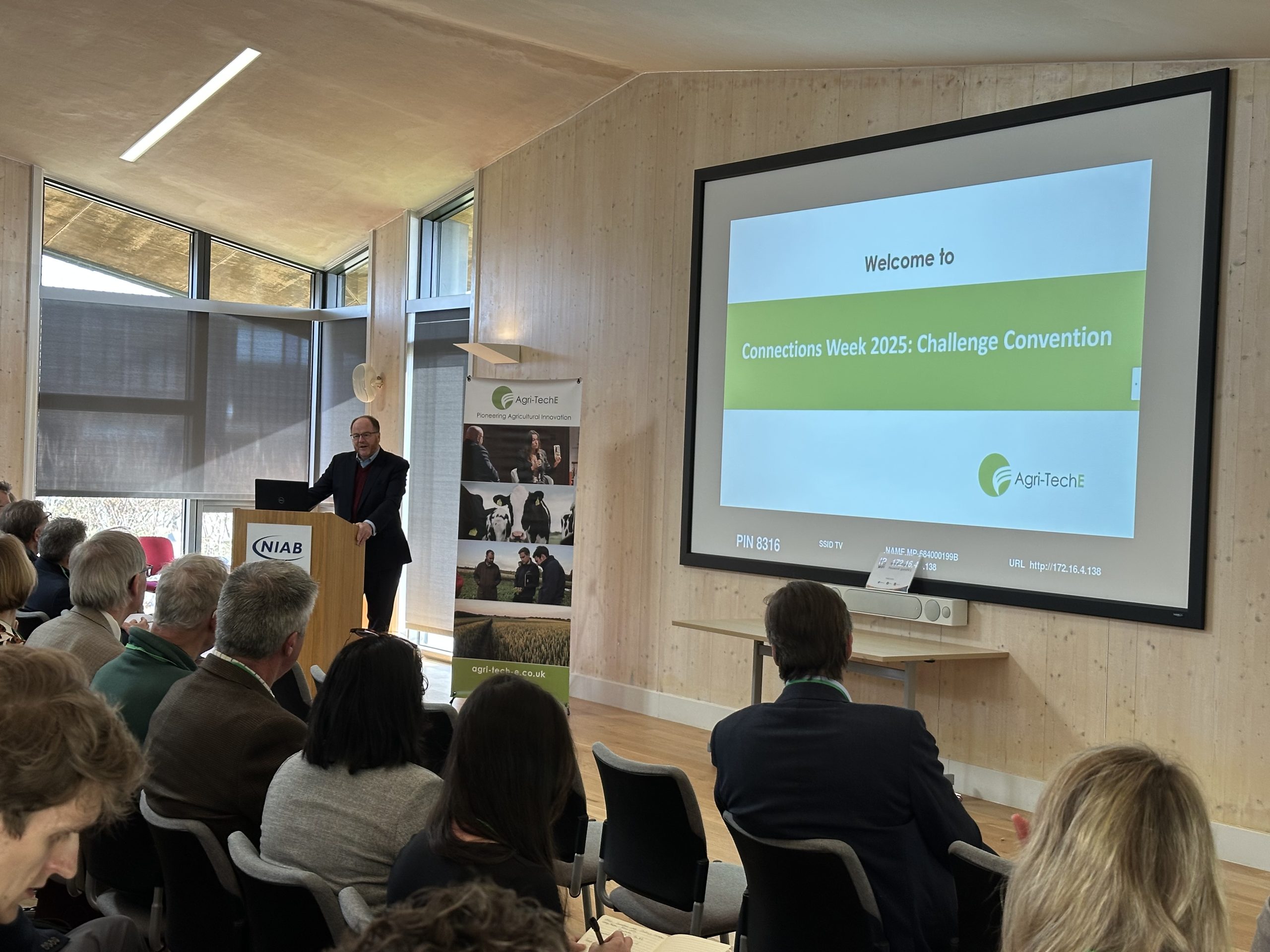
George Freeman MP, Chair of the All-Party Parliamentary Group for Science and Technology in Agriculture (APPGSTA) gave the keynote address, calling for greater alignment with global opportunities, particularly in key high-growth markets, such as the US.
APPGSTA’s new vision – ‘30-50-50’ – aims to increase UK agricultural production by 30% by 2050, while halving its environmental footprint in terms of greenhouse gas emissions, land use, water use, and soil health.
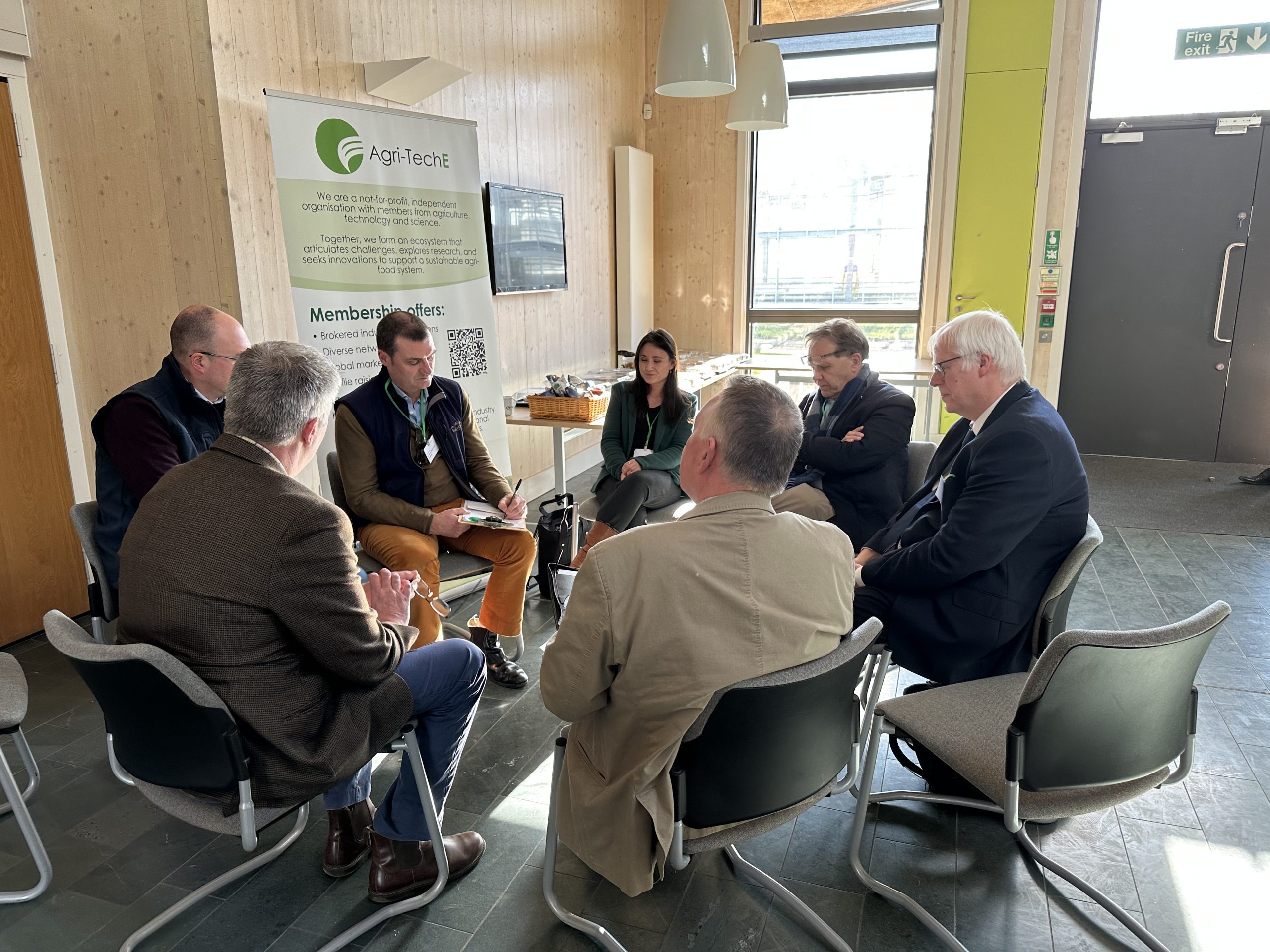
A recurring theme throughout the workshop was the need for a national strategy, that unites government departments and aligns agri-tech efforts through a shared mission.
Mission-driven, industry-led, and tackling real-world challenges
While fundamental science feeds the innovation pipeline, agri-tech must deliver benefits for farmers and growers. Too often, agri-tech “users” feel they are invited too late to the conversation with researchers and innovators.
Delegates called for a clearer, “mission-driven” approach to technology development and adoption. Too many innovations, they agreed, fail to address the real-world needs of farmers – more intuitive, “user-centred” technology design and delivery is needed.
Invest to be the best – and tell the world
From robotics to plant breeding, the UK boasts world-leading expertise and technologies. But with limited public money available to invest, prioritisation is key. A rational analysis and strategic focus on the UK’s key strengths and priorities is needed, backed by long-term investment in R&D and commercialisation in these thematic areas.
The recent AgFunder report shows UK agrifoodtech punching well above its weight relative to its size and R&D spend. Leverage of private investment is among the best in the world (as compared with major markets of the UK, India and China). We should make more of it.
As one delegate commented: “We shouldn’t try to do everything – instead do some things very well and promote that message on a global stage.”
Stricter “kill milestones” to recycle money
Monitoring of projects currently focusses on adherence to original project plans and costings and scientific excellence rather than commercial viability.
Delegates strongly advocated for the introduction of “kill milestones” – as implemented in the Ceres Agri-Tech programme – to redirect, or recycle, funding from projects unlikely to achieve commercial impact.
The world’s largest on-farm test-and-trial demo network
Demonstration farms and peer-to-peer learning are widely recognised as valuable within the industry. Moves are afoot via the ADOPT programme to help companies and farmers engage more closely, but delegates suggested a bigger vision:
“The UK could create the world’s largest collection of test farms – say, 100,000 – pay farmers to set aside 1-2 acres in specific agricultural zones, where technologists can come and test. Nowhere else in the world has the diversity of farmland of the UK – this could be leveraged and promoted.”
Real-world testbeds would also help attract global innovators to the UK.
And let’s not forget…
- Investing in skills development;
- a flexible and dynamic regulatory environment; and
- a business landscape that supports investment and company start-up and growth.
Caveat and disclaimer:
This is a summary of the outputs of the Challenge Convention workshop – more detail can be found in our Challenge Convention Briefing – available online or as a downloadable PDF. We acknowledge the constraints in implementing ideas, including statutory regulations on R&D funding, and HM Treasury’s Green Book guidance around public spending.

Post Overview
Agri-TechE Related Posts

Oxford Farming Conference – ‘Is the food supply chain broken?’ report launched
Blog: Bx Technologies
How good is “good enough?”

Innovation Hub 2024 at the Royal Norfolk Show

Biographica raises £7M for AI-driven crop design and expands partnerships across global seed industry