Animal, Vegetable, or Mineral? Government consults on UK land use
 Agri-TechE
 How should the UK balance food security, climate goals, and development?
Land is a dynamic, multi-functional resource that can simultaneously produce food, store carbon, provide habitats, and support communities. The challenge is how to manage these increasing and sometimes competing demands holistically.
The UK government has launched a Land Use Framework & Consultation, in efforts to address the complex and often competing demands on England’s land. This framework, drawing on recommendations from the independent National Food Strategy released in 2022, seeks to provide a more strategic joined-up approach to balancing food security, climate change, nature recovery, housing, and clean energy.
Key considerations for agri-tech
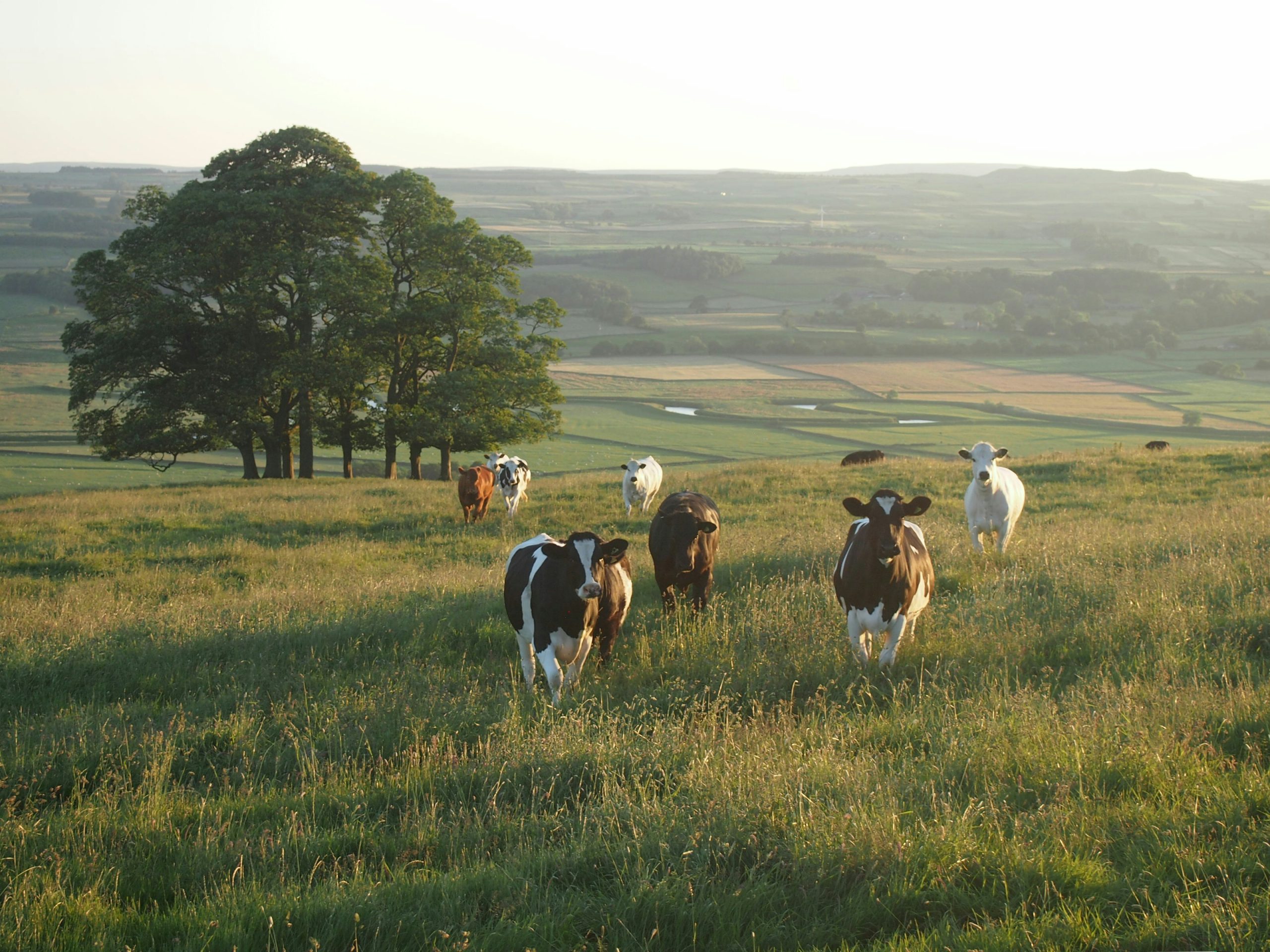
The scale of transformation is significant – 1.6 million hectares of farmland may transition for climate and nature objectives by 2050. But with precision farming, regenerative practices, and better land use data, could innovation help offset these shifts without compromising food production?
📉 Farmland shift – Can precision agriculture and AI-driven productivity gains ensure that a 1.6m hectare transition does not impact food security?
🌱 Nature recovery – How can data-driven regenerative farming help restore pollinators, soil health, and biodiversity?
📊 Land use data – What role should satellite monitoring, real-time sensors, and AI modelling play in guiding smarter land use decisions?
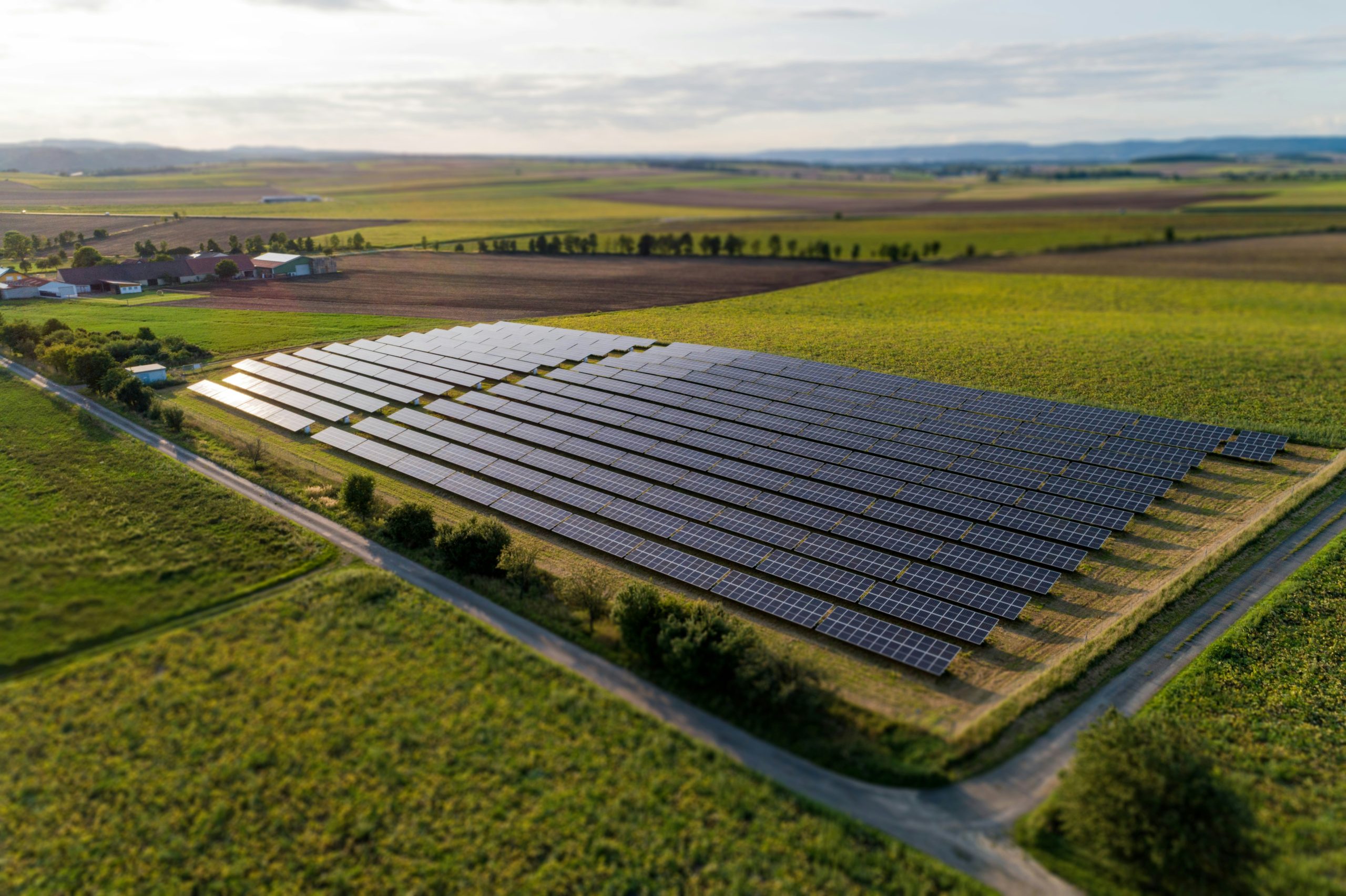
⚡ Clean energy – How can agri-voltaics, bioenergy, and energy-efficient farming be scaled without displacing food production?
We believe that the following activities should be prioritised:
Accelerating knowledge-sharing
- The rapid advancement of agricultural technologies and innovative land management practices means that knowledge dissemination is critical. Independent organisations – including Agri-TechE – as well as government-backed initiatives that connect research institutions – such as the UK Agri-TechE Centre – are needed to bring together industry leaders with farmers and landowners to ensure that cutting-edge practices are implemented more widely and effectively.
Providing improved tools for planning
- Climate adaptation strategies should be actionable. Developing user-friendly, sector-specific tools that translate climate projections into tangible actions (e.g., adaptation blueprints for arable, livestock, and mixed-use farms) to support landowners to make informed decisions.
Cluster farmer gatherings
- Decisions can’t be made on a single farm level, nor is a countrywide rule book practical (or welcome). Smaller scale, local groups of farmers should be supported to share resources.
Investing in skills development for future land management
- As the sector evolves, skills gaps must be addressed. The integration of new agricultural techniques, data-driven decision-making, and precision technologies requires targeted training and retraining programs.
Aligning private investment with public needs
- The scale of land use change required to meet climate and nature objectives necessitates private sector involvement. Creating clearer frameworks for private investment in innovative land management through mechanisms such as carbon markets, biodiversity net gain, and natural capital accounting will ensure that financial incentives drive positive environmental outcomes.
The consultation process, while a step forward, demands much participation but lacks clarity on how to convert these contributions into actionable outcomes. While it asks important questions, with so many competing priorities, it remains to be seen whether this framework can actually navigate the complexities and deliver tangible, long-term solutions.
Post Overview
Agri-TechE Related Posts
Best Practices for Cutting and Managing Multi-Species Swards
In Conversation With: Ponda Head of Agriculture
AgriSound Secures Funding for Groundbreaking Pollination Project in Strawberries
Data-driven environmental monitoring highlights significant variations in bird biodiversity
New hyperspectral satellite imagery crucial for lowering nitrogen use amid rising fertiliser costs