Get the latest agri-tech news, events and opportunities direct to your inbox
World’s first ‘activated air’ seed sterilisation system to be launched at Agri-TechE event
Agri-TechE Article
Agri-TechE
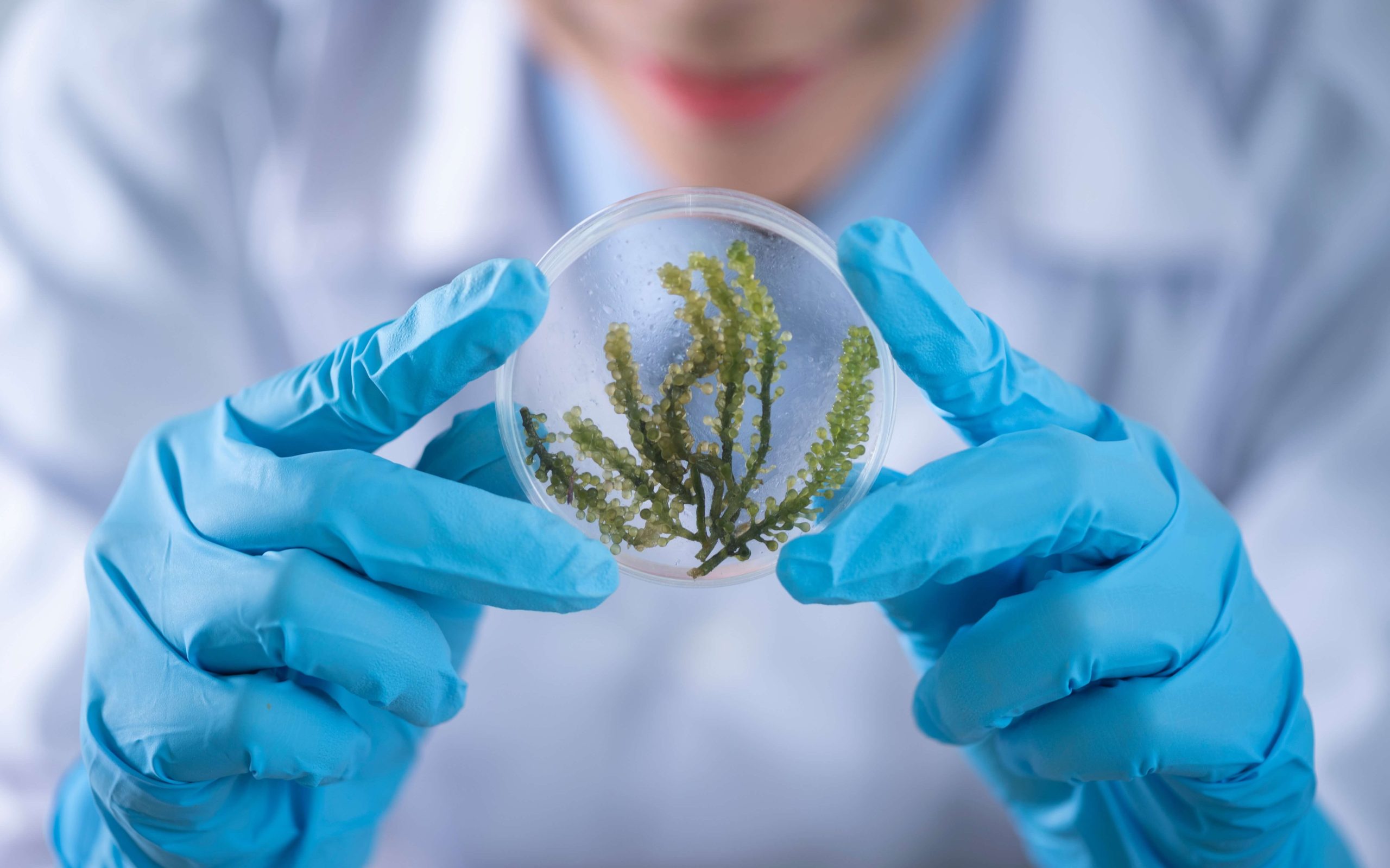
The world’s first activated air seed sterilisation system is to be launched at the Agri-TechE event “Keeping it clean with agri-tech innovation” on 19th January 2021. The system provides a dry alternative to chemical treatment or washing and boosts germination.
It enables high-value seeds such as tomato or fast-growing seeds like rocket to be disinfected – many for the first time.
Register: “Keeping it clean with agri-tech innovation”
Post Overview
15th January 2021
Agri-TechE
Agri-TechE Article
Inputs: from Chemical to Biological
Share this Page:
Related Posts
Itaka launches world’s first microbial seed treatment for borage
Get the latest agri-tech news, events and opportunities direct to your inbox
The agri-tech sector and government relationship in 2021 and beyond
Member News
Agri-TechE
Now that the UK has left the EU, every UK business sector and investor will look to the Government for its strategic policy roadmap that addresses this historic event and the perceived opportunities that it presents. The Prime Minister has consistently argued that a key element of the UK’s departure is that it allows his Government to establish its own regulatory structures as a springboard to a globally competitive economy.
The now ratified Treaty entitled the “UK – EU Trade and Cooperation Agreement” provides the framework for the UK’s future trade relationship with the EU. Several commentators have characterised the Treaty as the end of the beginning of the new relationship as it requires the parties to enter into a wide variety of subsequent debates and agreements covering many important areas and details. The outcomes will be highly relevant to the UK’s relative prosperity over the longer term.
Notwithstanding the above and the ongoing challenges of the pandemic to the UK and world economies, the Government’s responsibility is to lay out its policy strategy for this new situation that facilitates the creation of an environment which encourages business investment and growth in our economy. In relation to the AGRI TECH sector the enactment of the Agriculture Act 2020 already provides the long term, post CAP framework for the farming sector as a whole. Understandably, considerable uncertainty remains in the absence of the under-pinning structures and regulations.
The AGRI TECH sector’s relative profile and importance to the UK economy and the Government (officials and politicians) has risen materially in recent times. It therefore has a clear opportunity to assist the Government’s policy task as it relates to the sector. The relevant Departments – DEFRA and BEIS being the most obvious – will both need and welcome sector inputs in order to produce the best strategy, policy and regulatory outcomes within which the sector can prosper.
Additionally, because the Devolved Administrations of Scotland, Wales and Northern Ireland have the freedom to develop their own approaches in the agricultural sector, their policy developers will also be open to inputs.
The value of the sector’s opportunity is that players within it can, over time, become trusted voices and valued advisers to the Government and, in parallel, enhance their long term, competitive positions. Such players will certainly benefit from collaborating with their key stakeholders and partners, in particular academia, R&D centres and funders, such that their combined positions can be genuinely representative and of greater value.
To be successful and influential in policy and regulatory development there has to be an understanding of how to relate to and work with the key officials, whether at a national, regional or local level. A player needs to be clear about their own desired outcomes arising from creating a relationship with officials, and they must also have a good understanding of the issues, options and challenges confronting the officials. Possession of these basic facts will enable players to respond and assist officials in a constructive and positive way.
In summary, the Treaty opens a genuine opportunity for serious players within the AGRI TECH sector to create relationships with Government officials that are of long term mutual benefit. Policy makers at every level need trusted sector inputs to enable them to develop and operate sector relevant policies and structures.
TWENTYFIFTEEN understands this environment and how to work within it, and is open to conversations with fellow members of Agri-TechE at any time.
Contact Details – Richard Elsden, Director, TWENTYFIFTEEN ADVISORY LTD,
Email – Richard.elsden(@)twentyfifteen.co
Mobile – 07748 931372
www.twentyfifteen.co
This content has been contributed by TWENTYFIFTEEN; the views, thoughts and opinions expressed in this text belong solely to the author, and do not necessarily reflect those of Agri-TechE .
Post Overview
11th January 2021
Agri-TechE
Agri-TechE Article
Industry Trends
Share this Page:
Related Posts
John Shropshire to head up Independent Review Into Labour Shortages
Get the latest agri-tech news, events and opportunities direct to your inbox
How do we design the future we really want?
Agri-TechE Blog
Agri-TechE
The future is foreign place – we’ll all do it differently there, to paraphrase the first line in L.P Hartley’s famous novel “The Go Between.” As we emerge into 2021, all eyes are looking forward and nurturing hopes, plans and ambitions that life will be better – healthier, happier, safer and more sustainable. But how do we make the future we want a reality – and avoid ending up with the future we don’t want, by accident?
Achieving net zero greenhouse gas emissions across the whole of agriculture in England and Wales by 2040 is a huge ambitious goal set by the NFU. But what does this really mean for the food we eat, the way land, crops and livestock are managed, the options for consumers and the values that citizens and society consider are important.
Important questions
The entire agri-tech innovation ecosystem will be impacted by the route, direction and destination of this journey to a net zero future, raising important questions for everyone in the agri-tech ecosystem.
How will farmers change their practices – will it be carrot or stick – data driven or technology-enabled?
What scientific research will be needed to generate knowledge to inform the new future?
What new products, tools and services will emerge creating novel intellectual property, new business models and, indeed, entirely new companies?
How will consumers be informed of the contribution their food is making to greenhouse gas emission? What will be most important – ethical production, price, local provenance or planetary impact?
Development of these new innovations will also need to be financed – what will this look like? What will be the role of the banks, investors and asset finance groups? And what will be considered “valuable” in the net zero future? Carbon sequestration, management of biodiversity or increased yield? And at what cost?
Finally, how will the next zero future influence the way business is done? What will be the role of incubators, networks, collaboration, and how can they all play their role in the common target?
Journey to a net zero future
Agri-TechE members are invited to an exclusive workshop to explore these questions and help prepare their organisations for the trajectory towards a net zero future. Through the use of novel “artefacts from the future” we will navigate the routes, the pitfalls, the signposts, the research and the technologies we need to achieve it.
We will be supported by our global design consultancy member Method, through a unique opportunity to experience the power of future-scoping to enable our members build resilience and plan for their futures – and meet each other on the way.
Members will have the opportunity to reflect on not just how to reach net zero but how this new future could impact their own organisations – and the tools to start thinking about now to achieve it. We’ll learn new skills, gain fresh perspectives and have access to internationally-renowned advice and support which we do it.
Come and join us – be inspired.
Be challenged.
Be networked. More information
Agri-TechE Member Event: Envisioning net zero futures for the Agri-Food sector
Thursday 4th February @ 1:30 pm – 5:00 pm Free
Keynote: Chris Brown, Head of Sustainability and Ethical Sourcing at Asda will set the scene and share some of the insights from one of the major retailers.
Post Overview
11th January 2021
Agri-TechE
Agri-TechE Article
Agri-Tech Adoption & Social Science
Industry Trends
Share this Page:
Related Posts
New video supports launch of From Grass Roots to Blue Skies report
Get the latest agri-tech news, events and opportunities direct to your inbox
Genomes for 15 globally important wheat varieties sequenced
Research Digest
Agri-TechE
The genomes for 15 important wheat varieties used in breeding programmes around the world have been sequenced; a landmark discovery for global wheat production. The results from the Wheat 10+ Genomes Project will enable plant scientists and breeders to much more quickly identify influential genes for improved yield, pest resistance and other important crop traits.
The research results, just published in the journal ‘Nature’, provide the most comprehensive atlas of wheat genome sequences ever reported.
Two species dominate current global wheat production: allotetraploid (AABB) durum wheat (Triticum turgidum ssp. durum), which is used to make couscous and pasta9, and allohexaploid (AABBDD) bread wheat (Triticum aestivum), used for making bread and noodles.
The large genome size (16 Gb for bread wheat), high sequence similarity between subgenomes and abundance of repetitive elements (about 85% of the genome) have hampered early wheat genome-assembly efforts. So these new developments will equip researchers and breeders with the tools needed to improve bread wheat and meet future food demands.
Niab was part of a BBSRC funded team, led by Dr Matt Clark at the Natural History Museum, Dr Bernado Clavijo at the Earlham Institute, Professor Mike Bevan at the John Innes Centre and Dr James Cockram at Niab, that contributed by sequencing the globally important spring wheat variety ‘Weebill 1’.
Dr Cockram, Niab key role in sequencing important wheat genomes
Niab’s Dr James Cockram comments: “Weebill 1’ has good yield coupled with drought and leaf rust pathogen resistance, and is already used in breeding programmes worldwide. Its genome assembly, as part of this ‘pan-genome’ of multiple wheat genome sequences, will help breeders and researchers identify these useful, and possibly unique, genomic loci to incorporate into wheat breeding programmes.”
This was one of the five wheat varieties that groups within the UK contributed to the sequencing project, highlighting the UK’s strong commitment to international wheat research.
CDC’s wheat breeder and director and project leader Dr Curtis Pozniak said, “This mass sequencing project is like finding the missing pieces for your favourite puzzle that you have been working on for decades. By having many complete gene assemblies available, we can now help solve the huge puzzle that is the massive wheat pan-genome and usher in a new era for wheat discovery and breeding.”
Scientific groups across the global wheat community will use these new resources to identify genes linked to in-demand traits, so helping to accelerate breeding efficiency. It enables researchers to more precisely control breeding to increase the rate of wheat improvement for the benefit of farmers and consumers, and meet future food demands.
“Having multiple wheat genome sequences enables us to identify genetic differences between wheat lines that are important for breeding. We can now compare and contrast the full complement of the genetic differences that make each variety unique. For example, understanding a causal gene for say insect resistance is a game-changer for breeding because you can select for pest resistance more efficiently by using a simple DNA test than by manual field testing,” said Dr Pozniak.
The usefulness of the resources generated was demonstrated within the project with the identification of a gene controlling wheat resistance to an important insect pest of wheat, orange blossom midge, allowing genetic markers to be developed that allow beneficial natural variants at this gene to be efficiently tracked within breeding programmes.
“We expect researchers across the world to exploit these sequenced resources in similar ways, resulting in further insights and tools that will help the continued development of wheat varieties with improved performance,” explained Dr Keith Gardner, a co-investigator on the project at Niab.
Dr Cockram also highlights how such research breakthroughs are all part of the fight to mitigate climate change by increasing the resilience of crops across the world. “Improved plant varieties may have a better capacity to withstand pests and diseases, while using fewer resources. They could also offer stable yields in an unstable climate and improve productivity through efficient use of water, land and nutrients,” he finished.
The Wheat 10+ Genomes Project collaboration was led by researchers at the University of Saskatchewan Crop Development Centre (USask CDC) in Canada and involved universities and institutes in Switzerland, Germany, Japan, the UK, Saudi Arabia, Mexico, Israel, Australia, and the USA.
Publication: Multiple wheat genomes reveal global variation in modern breeding, Nature (25 November 2020)
Landmark study generates first genomic atlas for global wheat improvement – press release from the USask Crop Development Centre (CDC)
Post Overview
9th January 2021
Agri-TechE
Agri-TechE Article
Crops, Varieties, Breeds, Rotations
Share this Page:
Related Posts
Precision Breeding regulations signed into law by UK Government
Get the latest agri-tech news, events and opportunities direct to your inbox
Light Science Technologies wins Innovate UK funding for vertical farming sensor
Agri-TechE Article
Agri-TechE
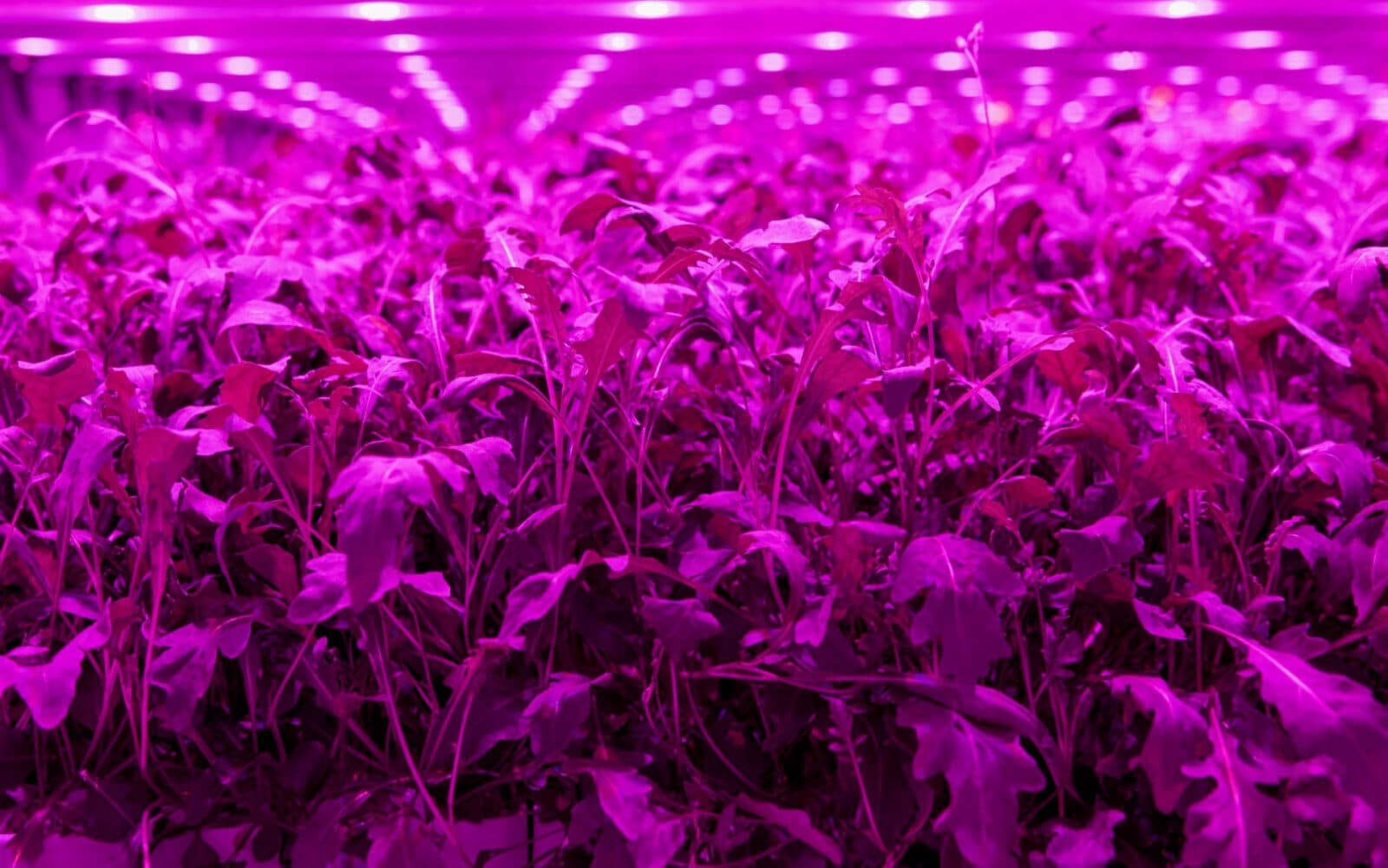
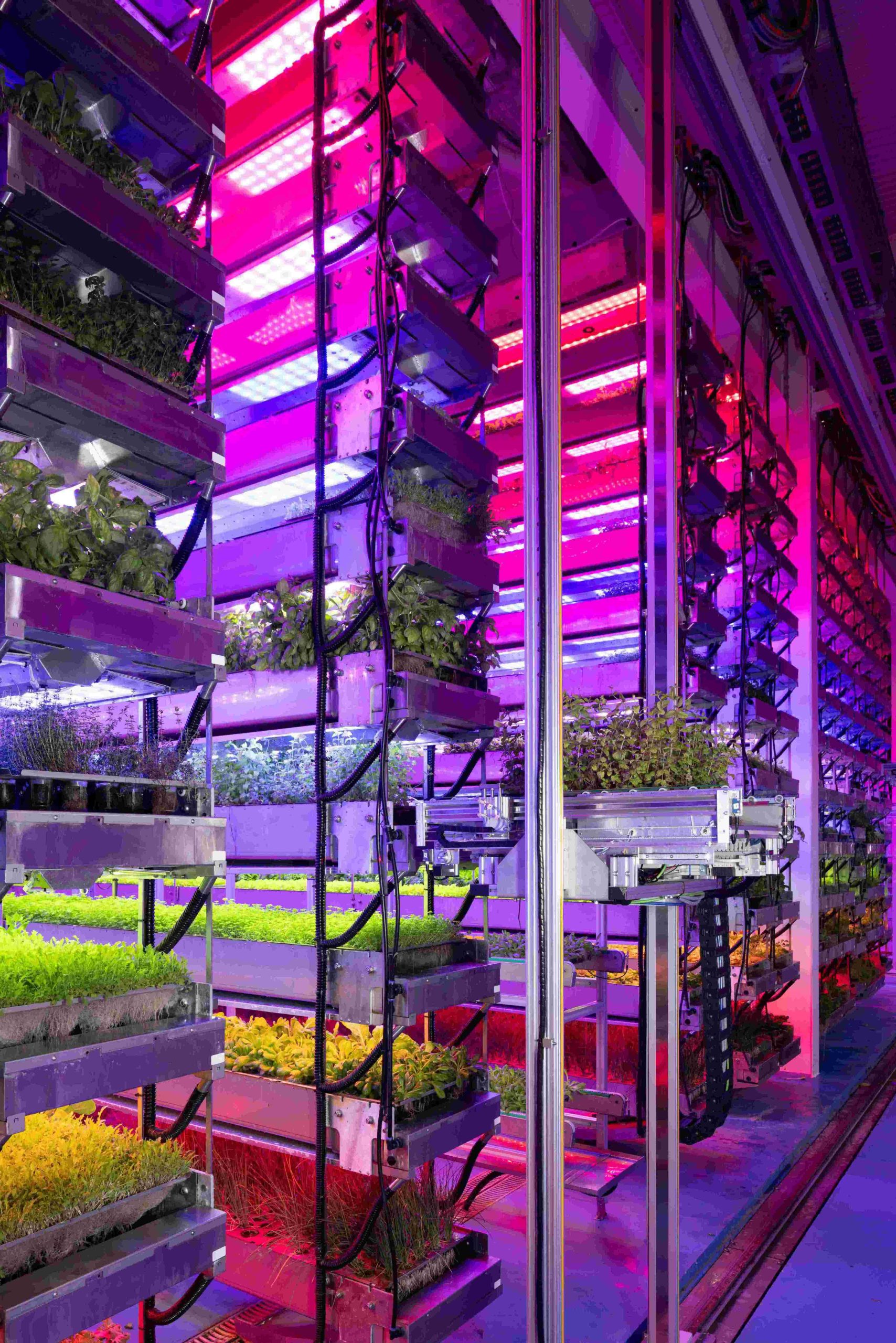
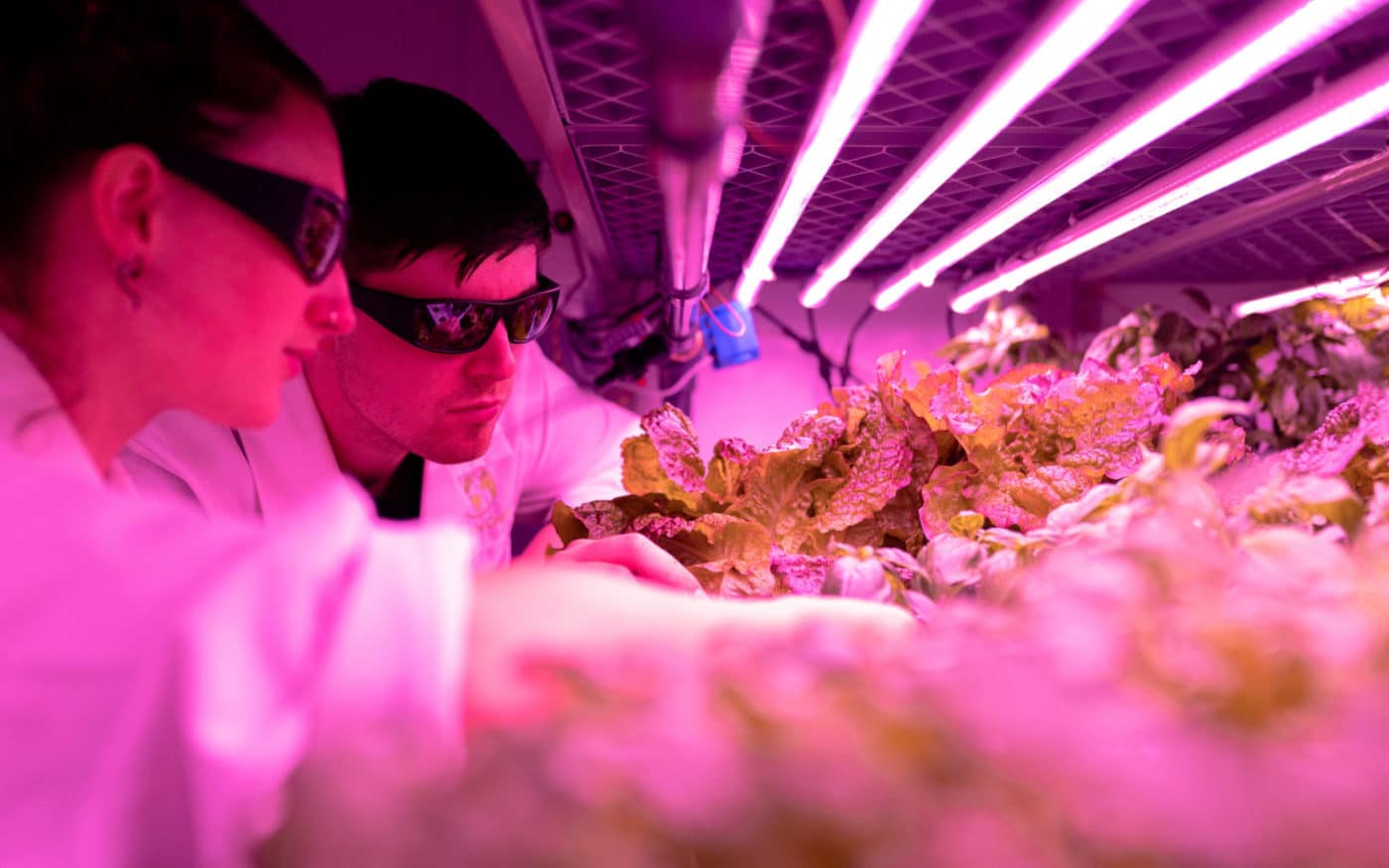
Light Science Technologies (LST) has secured funding to develop an ‘all in one’ sensor for vertical farming. It will measure light, water, air, temperature, humidity, oxygen and soil to enable the monitoring and control of the growing environment; ensuring optimal plant productivity and yield.
The funding is through the Transforming Food Production (TFP) challenge, part of a £90 million government investment to support the UK’s most innovative technology to boost agricultural productivity and set food production systems towards net zero emissions by 2040.
The Controlled Environment Agricultural (CEA) market is growing fast at a CAGR of 21 per cent.
In partnership with Nottingham Trent University, the LST will be leading the project to develop a growing sensor and innovative transmission node for vertical farms. The sensor will form a vital part of its bespoke offering, reducing energy and saving costs using technology and real-time data.
LST is working with growers to provide an integrated, cost effective and low maintenance solution that can be used across different crops to achieve maximum yield, creating the full growing “recipe” of lighting, nutrient and environment.
The IoT precision data solution will help boost productivity and efficiency of vertical farming, reflecting the government’s drive to help the agricultural sector grow economically with less environmental impact.
LST is focused on becoming a technology driven trailblazer in vertical farming innovation and technology over the next four years.
Simon Deacon, CEO of Light Science Technologies added: “This is an especially important boost to our business. To be selected by Innovate UK is confirmation of the urgent need for more sustainable, productive and cost-effective solutions in farming. Investment in UK technology and innovation in this sector is crucial in achieving a better approach to agricultural production and reducing emissions.”
Innovate UK is part of UK Research and Innovation. For more information visit www.innovateuk.ukri.org. More information about LST.
Post Overview
9th January 2021
Agri-TechE
Agri-TechE Article
CEA and Vertical Farming
Share this Page:
Related Posts
Light Science Technologies’ rapid growth continues with key sales appointment
Get the latest agri-tech news, events and opportunities direct to your inbox
Oxford Farming Conference 2021: Consultation on gene editing announced
Agri-TechE Article
Agri-TechE
Gene editing is a way of altering DNA in a cell, it can be used to turn genes on or off without altering their sequence and offers the potential for rapidly introducing beneficial traits within crop plant. It is also controversial and needs a strong ethical and regulatory framework if it is to be widely introduced. To reflect this the government has announced at the Oxford Farming Conference 2021 its intention to hold a consultation on gene editing.
Sir David Baulcombe, Regius Professor of Botany in the Department of Plant Sciences at the University of Cambridge, said:
“The overwhelming view in public sector scientists is that the Nobel Prize winning methods for gene editing can accelerate the availability of crops and livestock for sustainable, productive and profitable agriculture. I welcome the DEFRA consultation that will help with a broader assessment of gene editing as an appropriate technology in agriculture.”
The way that plants and animals grow is controlled by the information in their genes. For centuries, farmers and growers have carefully chosen to breed stronger, healthier individual animals or plants so that the next generation has these beneficial traits – but this is a slow process. Gene editing promises a way to accelerate this process.
Gene editing
Gene editing is different to genetic modification where DNA from one species is introduced to a different one. Gene edited organisms do not contain DNA from different species, and instead only produce changes that could be made slowly using traditional breeding methods. However, at the moment, due to a legal ruling from the European Court of Justice in 2018 gene editing is regulated in the same way as genetic modification.
So the consultation announced today will focus on looking at how certain gene editing organisms are regulated, so that modifications that could have been occurred naturally or through traditional breeding are not regulated in the same way as genetic modification.
This approach has already been adopted by a number of countries including Japan, Australia and Argentina.
Aside from gene editing, the consultation will also begin a longer-term project to gather evidence on updating the UK’s approach to genetic modification by gathering information on what controls are needed and how best to deliver them. To ensure regulations are in step with the current science and the knowledge gained from 30 years of existing regulation.
Highest food safety standards
In his speech Environment Secretary George Eustice said that the government will continue to work with farming and environmental groups to develop the right rules and ensure robust controls are in place to maintain the highest food safety standards while supporting the production of healthier food.
Professor Robin May, the Food Standards Agency’s Chief Scientific Advisor, welcomed the consultation and said:
“The UK prides itself in having the very highest standards of food safety, and there are strict controls on GM crops, seeds and food which the FSA will continue to apply moving forward.
“As with all novel foods, GE foods will only be permitted to be marketed if they are judged to not present a risk to health, not to mislead consumers, and not have lower nutritional value than existing equivalent foods. We will continue to put the consumer first and be transparent and open in our decision-making. Any possible change would be based on an appropriate risk assessment that looks at the best available science.”
Consulting with academia, environmental groups, the food and farming sectors and the public is the beginning of this process which, depending on the outcome, will require primary legislation scrutinised and approved by Parliament.
Get the latest agri-tech news, events and opportunities direct to your inbox
Alternatives to chemicals for cleaning to be discussed
Agri-TechE Article
Agri-TechE
Alternatives to chemicals for sustaining the life span of fruit and vegetables, improving the quality of seed and reducing risk of contamination in food processing are to be discussed at the first Agri-TechE event “Keeping it clean with agri-tech innovation” 19th January.
Activated air, electrolysed water, free radicals – are among the innovations to be discussed for the first time.
Dr Belinda Clarke, director of Agri-TechE selected the topic as hygiene is at top of mind at the moment: “The use of water and chemicals for cleaning and decontamination is a major cost to the food industry at every stage from seed to sandwich; it is also an environmental cost. Within our innovation ecosystem we can see interesting alternatives emerging that work with natural processes to reduce the power of pathogens, offering a more effective and sustainable approach.”
Alternatives to chemicals
Professor Debbie Rees of the NRI
Speaker Debbie Rees of NRI, explains that unprocessed fruit, vegetables and root crops are essentially alive, her focus is reducing the amount of fresh produce that is wasted between field, supermarket and home:
“We are interested in anything that allows us to monitor and sustain the lifespan of fresh produce without harming it. Loss comes from biological changes and these can be measured, for example, the respiration rate of potatoes in storage or the stress created when apples stored at low temperature become short of oxygen. Chlorophyll fluorescence is another useful measure that can be used to understand ripening as vegetables lose their chlorophyll as they age and fruits cease photosynthesis.”
“Unripe strawberries have a host of defence mechanisms to prevent fungal pathogens, but as they ripen, they go soft and sugar levels increase, increasing risk of pathogen attack. So, you can reduce rotting either by reducing pathogenic contamination or by slowing down ripening.”
Debbie’s research has revealed strawberries often remain in the heat for four hours before reaching the packhouse, so cooling in the field is a possible intervention.
Another is the use of ozone, a very reactive chemical that can destroy viruses, as well as unicellular organisms such as bacteria, and then revert to oxygen. One experiment involves flushing punnets of strawberries with ozone before sealing in film. Ozone is not suitable for use with all produce, but under controlled conditions it offers many benefits as Debbie will explain.
Food-to-go
David Goosey of Ozo Innovations
David Goosey of Ozo Innovations is focused on the Food-to-Go market – ready meals and pre-packed sandwiches – where processing equipment needs cleaning and decontamination from allergens such as nuts, as they switch between recipes.
David explains: “Hygiene accounts for up to 12% of the cost of food processing. Typically, food manufacturers use hot water at 40-60°C to sanitise equipment and then need to re-chill the environment before use. Our solution uses cold water and is effective at an ambient temperature, meaning Ozo can help to cut both energy usage and costs.”
The company’s technology uses hypochlorite, created by electrolysing a saline solution. It is an effective cleaner and disinfectant that reverts back to salt and water after use. It is currently being trialled with a major UK food manufacturer and David will share more about its capabilities at the event.
Seed treatment that boosts germination
The Agri-TechE event will also see the announcement of a new highly effective, additive free approach to seed sterilisation that offers a fourfold increase in the germination rate of wheat. The new approach which uses ‘activated air’ to destroy bacteria and fungi on seed also has potential for improving storage of high value seeds such as tomato and basil that are currently untreatable as they germinate on contact with water.
Agri-TechE xplore: Keeping it clean with agri-tech innovation, is being held virtually on Tuesday 19th January 2021 from 2:00 – 4:00 pm.
Post Overview
4th January 2021
Agri-TechE
Agri-TechE Article
Soils and Water Management
Share this Page:
Related Posts
NatureMetrics quantifying the richness of biodiversity with eDNA

 Agri-TechE






 Agri-TechE








 monitoring and control of the growing environment; ensuring optimal plant productivity and yield.
 the availability of crops and livestock for sustainable, productive and profitable agriculture. I welcome the DEFRA consultation that will help with a broader assessment of gene editing as an appropriate technology in agriculture.”